
Guatemala Coffee Beans | Introduction to New Oriental Region Geisha Coffee Beans
Ask any coffee lover about Geisha and Panama comes to mind first. In 2005, Hacienda La Esmeralda entered the Geisha variety in the Best of Panama (BOP) competition and auction, taking first place with its unique flavor and exceptionally high scores and shattering the coffee auction price record at the time. Geisha became famous overnight — and that success prompted other coffee-producing countries, including Guatemala, to introduce and cultivate the variety.
Guatemalan Coffee
Guatemala sits in the southern part of the North American continent, bordering Mexico, Honduras, Belize, and El Salvador, with the Gulf of Honduras on the Caribbean side to the east and the Pacific to the south. It is a predominantly agricultural country. Two-thirds of its territory is mountains and plateau: the Cuchumatanes range in the west, the Sierra Madre in the south. Western and southern Guatemala are volcanic zones with more than 30 volcanoes — Tajumulco, at 4,211 meters, is the highest peak in Central America. The tropical climate divides into two seasons: rainy from May to October, dry from November to April. Together, the tropical rainforests, volcanic soils, and varied microclimates give Guatemalan coffee its elegant, lively acidity, clean flavor free of impurities, and well-defined layers.
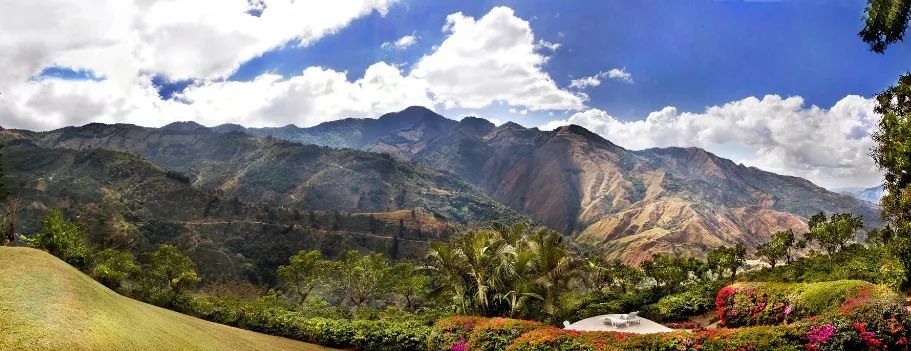
Nuevo Oriente Region
Of Guatemala's 22 provinces, 20 grow coffee. Eight growing regions are particularly famous, split into five volcanic and three non-volcanic regions, with cultivation averaging altitudes above 1,500 meters. The non-volcanic regions are Huehuetenango, Cobán, and Nuevo Oriente; the volcanic ones are Atitlán, Antigua, Acatenango, Fraijanes, and San Marcos. Huehuetenango and Antigua are the best known — FrontStreet Coffee offers a washed Huehuetenango as an entry-level selection, with citrus and berry acidity, nutty aroma, and a tea-like aftertaste.
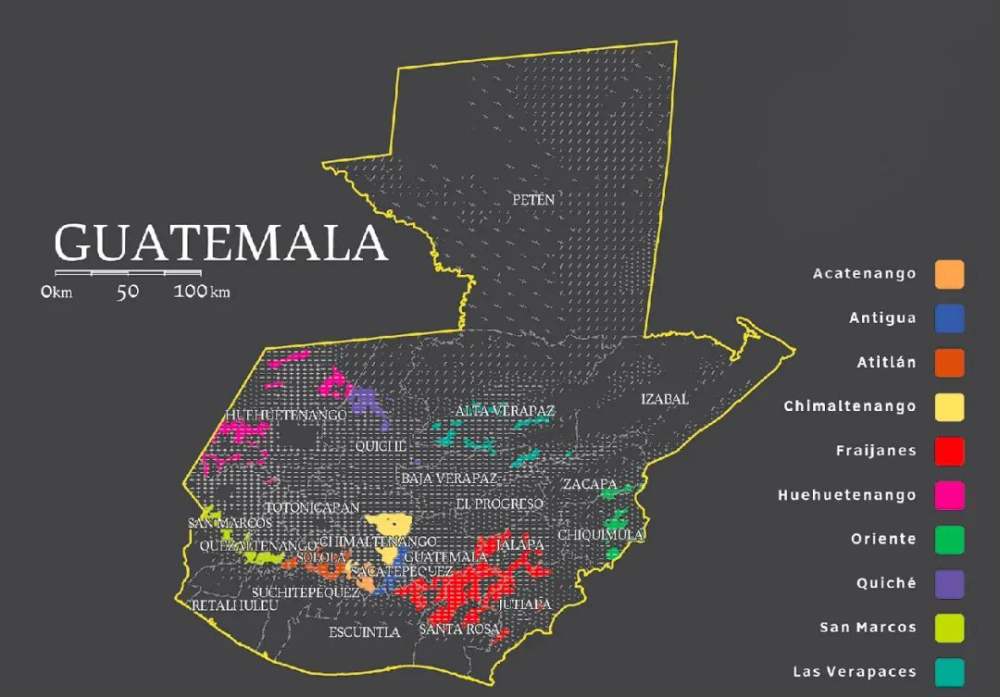
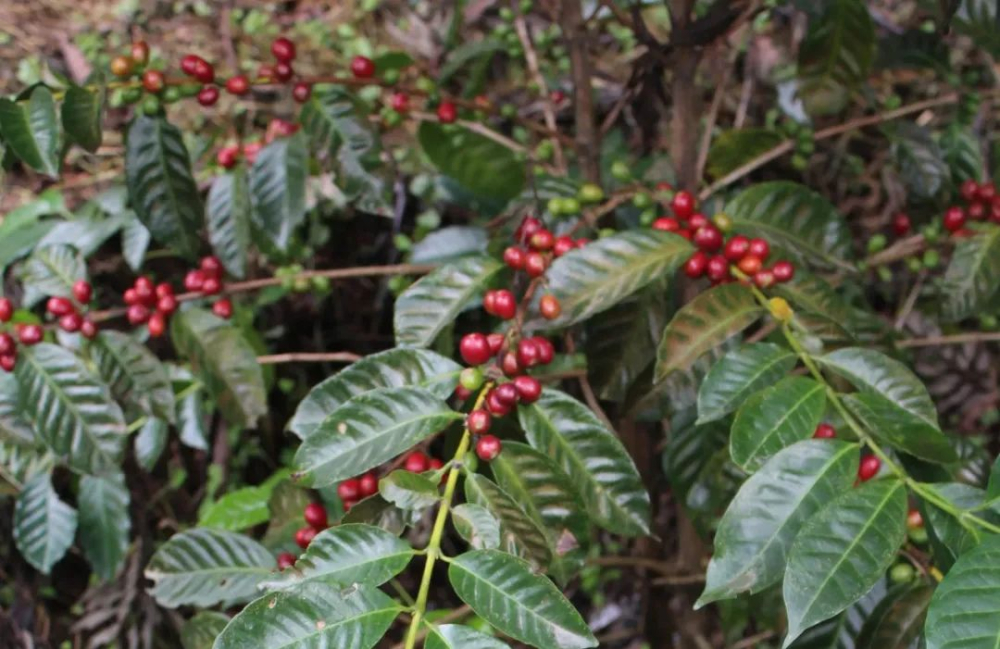
The Nuevo Oriente region lies in eastern Guatemala, near the Honduran border. It is the country's youngest coffee region, with cultivation only beginning in the 1950s. Rain falls year-round, and at altitudes of 1,500–2,050 meters persistent mist shortens the sunshine hours, making it more humid than other regions. Nuevo Oriente was once one of Guatemala's poorest and most isolated areas. Long ago it was a volcanic zone, but its soil today consists of metamorphic rock with evenly mixed minerals — a key difference from the other volcanic-soil regions. Combined with abundant rainfall and high altitude, this gives the local beans remarkably complex and varied flavor profiles.
Geisha Variety
Geisha was first collected in 1931 in the Kaffa forest of Ethiopia, but back then people cared about yield rather than quality, so the variety drew little attention. It was later sent to the Lyamungu research station in Tanzania, then brought to CATIE (the Tropical Agricultural Research and Higher Education Center) in Central America in 1953 and registered as T2722. By 1970, after Costa Rica's Geisha proved resistant to leaf rust, it was distributed to Panama for cultivation. And once Hacienda La Esmeralda discovered its delicate jasmine and peach flavors, Geisha shot to fame overnight and was adopted by growers worldwide.
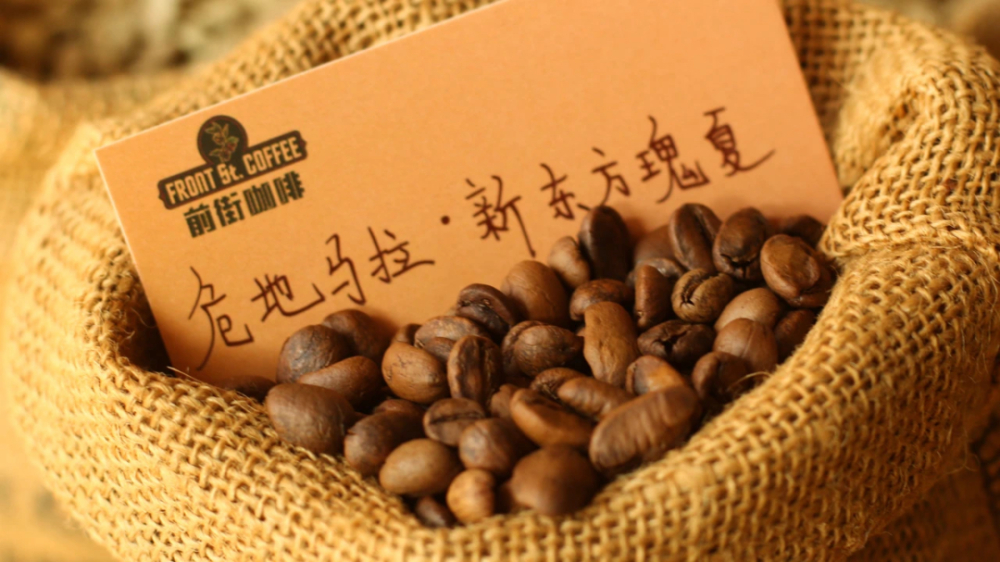
FrontStreet Coffee Guatemala Nuevo Oriente Geisha Coffee Beans — Region: Nuevo Oriente; Altitude: 1,500–2,050 meters; Variety: Geisha; Processing: Honey process; Flavor: white florals, sweet orange, bergamot, honey, toffee
FrontStreet Coffee's Nuevo Oriente Geisha is honey processed and roasted medium-light. We brew it on a V60 at a 1:15 ratio with 92°C water. The aromatics are elegant white florals; the first sip carries light fruit acidity with sweet orange and bergamot, followed by toffee sweetness. The body is soft and honey-smooth, with richly layered variations throughout.
FrontStreet Coffee Recommendation
Geisha's fame comes at a price — low yield, weak disease resistance, and demanding cultivation keep it expensive. The trick to drinking great Geisha without overspending is knowing which tiers exist and what they deliver.
FrontStreet Boquete Geisha (entry-level pick) — For newcomers who want a first taste of the legendary "Geisha flavor," FrontStreet recommends the Panama-grown Boquete Geisha. At an accessible price it delivers the classic Panama hallmark — orange-blossom and honey notes — with an oolong-tea feel, delicate fruity acidity, and clearly defined layers.
FrontStreet Esmeralda Red Label & Green Label Geisha — The top of the line from the estate that made Geisha famous. The Red Label ("Esmeralda Special") grows at 1,600–1,800 meters, every batch must cup above 90 points, and each lot comes from a single plot with its own lot number (FrontStreet's Red Label comes from the Jaramillo plot), letting buyers choose by subtle flavor preference. The Green Label ("Private Collection") blends lots from multiple plots to express the estate's signature high-altitude Geisha character — and since it doesn't carry plot-level detail, it's considerably more affordable, making its value excellent.
FrontStreet Genlana Estate Geisha — To taste Geisha back in its birthplace, Ethiopia, start with the entry-level Genlana Estate lot: roasted medium-light, it keeps a pleasant white-floral character while highlighting the sweet-tart notes of orange, guava, and citrus, with a notably clean finish. For a serious estate-level Ethiopian Geisha, step up to the Geisha Village Gold or Red Label lots, grown beside the original Geisha forest — the Gold Label is the estate's non-auction top coffee, while the Red Label is a single-terroir series scoring 88+ on the SCA 100-point scale with full traceability from farm block to processing date.
Important Notice :
FrontStreet Coffee is a long-established specialty coffee roaster in Guangzhou China, selling freshly roasted beans from its own farm in Yunnan as well as dozens of carefully selected single-origin beans from around the world for both pour-over and espresso. The products deliver consistently excellent quality and great value, with shipping within 24 hours. Guangzhou's FrontStreet Coffee shop is recommended by many coffee lovers, and the beans are now available online at the Tmall 。
FrontStreet Coffee has moved to a new address:
FrontStreet Coffee Address: 315,Donghua East Road,GuangZhou
Tel:020 38364473
 Scan and follow the En Gafei WeChat official account. Please indicate that the reprint comes from "En Gafei".

