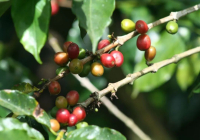
Why is a chilled cup essential for making a Dirty coffee? What does 'dirty' mean and how is it made?
The Science Behind Chilled Cups for Dirty Coffee
Even in 2024, Dirty coffee's popularity shows no sign of fading, and discussions about how to make it thrive across platforms. Look closely and its key preparation points come down to three essentials: cup temperature, milk concentration, and the distinctiveness of the layering.
FrontStreet Coffee has written plenty about the latter two, but on the subject of Dirty coffee cups we have only glanced over the topic without explaining its real purpose. So: why are the cups for Dirty coffee typically chilled by default? Not room temperature, not frozen — what does a chilled cup actually do?
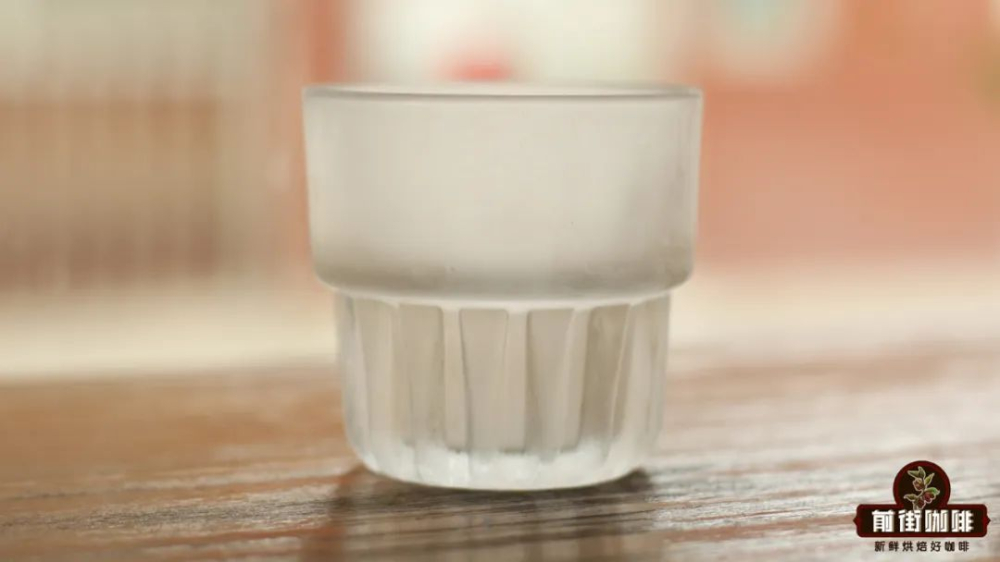
Coffee Experiment
To pin down its purpose, FrontStreet Coffee ran a series of experiments comparing Dirty coffees made in room-temperature, chilled, and frozen cups. The parameters: 180ml of chilled milk, and 40ml of espresso (extracted from 20g of grounds over 30 seconds to yield 40ml). The method: pour iced milk into the cup, then begin extracting. Place the cup under the portafilter spout to catch the espresso and let it float on the surface. Stop at the target liquid weight, remove the cup, and the Dirty coffee is done.
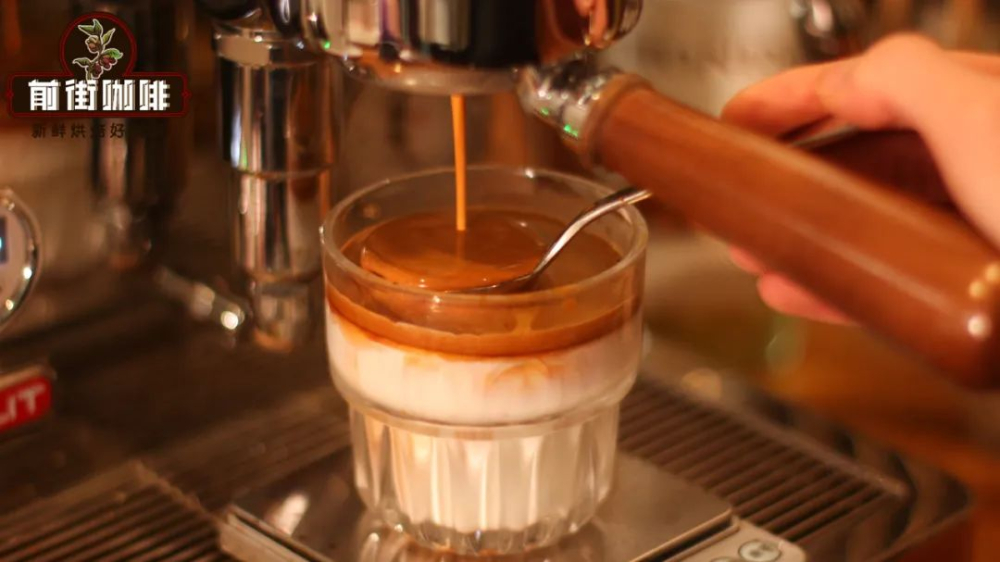
(If you are using a bottomless portafilter and the cup sits too far from the spout, rest a spoon in the cup to soften the espresso's impact — the layering will come out better.)
Room Temperature Glass Cup
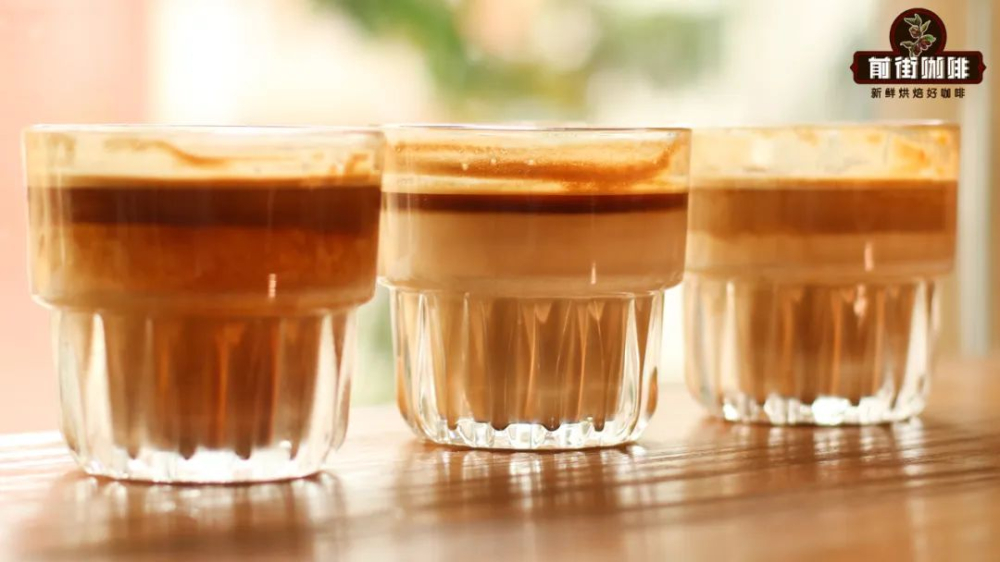
Because the cup is warmer than the chilled milk, pouring 6°C milk into it raises the milk to 8°C. The Dirty coffee built in this cup initially shows fairly clear layering, and the first sip carries a noticeable temperature difference between milk and coffee. But from the second sip (about two minutes after preparation), the two temperatures have nearly converged and the contrast fades. By the third minute the difference is essentially gone — milk and espresso have equalized.
Chilled Glass Cup
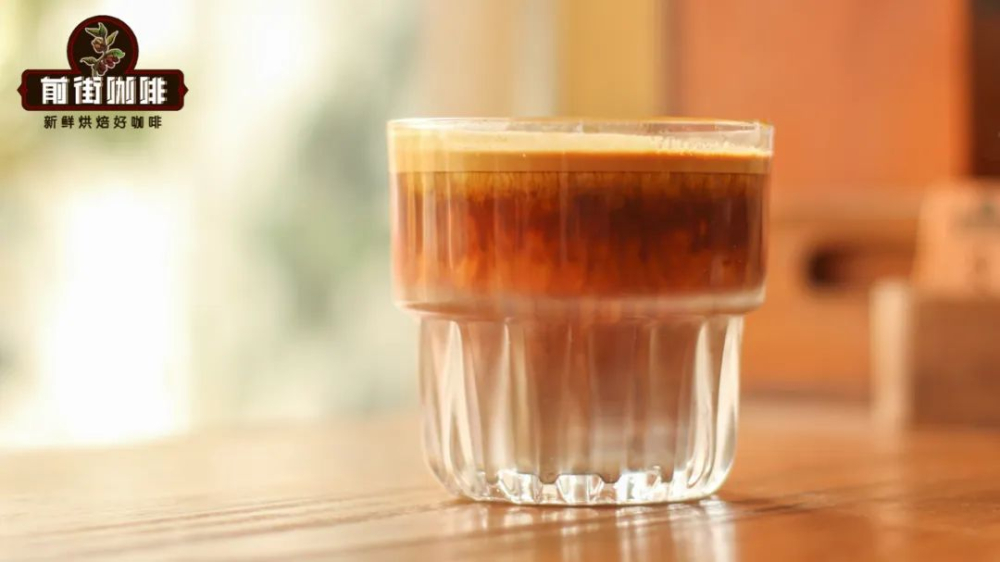
Since cup and milk share the same refrigerated environment, their temperatures start close. Pouring 6°C milk into the chilled cup actually drops it to around 3°C (the cup is colder than the milk), and the layering comes out very distinct.
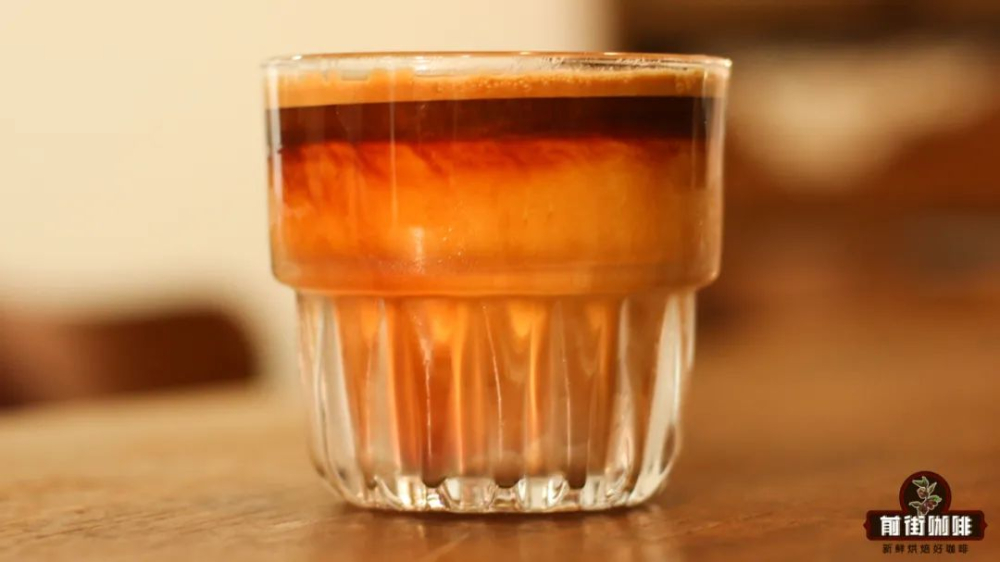
The first sip delivers a vivid contrast between cold milk and hot coffee. By the second sip the coffee and milk have begun to mingle, but the temperature difference — and the layers — still hold. If you finish the drink within three minutes, the experience stays comfortable from start to finish.
Frozen Glass Cup
The frozen cup, starkly colder than room temperature, starts condensing within tens of seconds of leaving the freezer. Pouring in the iced milk drops its temperature to around 1°C.
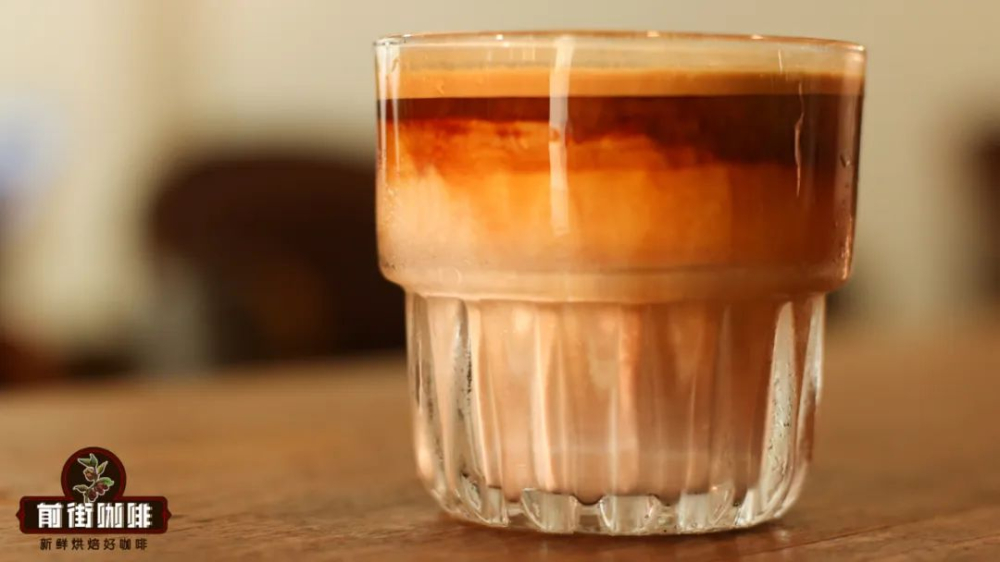
The resulting Dirty coffee also shows distinct layers, letting you perceive the coffee and milk separately both visually and on the palate. Its layering lasts about as long as the chilled cup's — no significant difference. From these experiments we can conclude that Dirty coffee wants a chilled cup because low temperature better preserves the iced milk's chill, producing better layering — in both appearance and texture. Between chilled and frozen, chilled wins: frozen cups sweat heavily from condensation. For production efficiency and practicality, chilled is the better choice (chilled cups also condense, just less so).
Interestingly, when Dirty coffee was first invented there was no chilled-cup step at all. FrontStreet Coffee has noted before that its creator, Katsuyuki Tanaka, simply paired iced milk with a specially prepared espresso. Even without a chilled cup, his espresso was concentrated enough to hold its layers against iced milk for a long time. Only when Dirty coffee reached China and espresso preparations changed did the chilled cup enter the picture, in pursuit of an even more polished drinking experience.
FrontStreet Coffee Recommendation
A great Dirty coffee starts with an espresso base rich enough to hold its layers. FrontStreet Coffee's Classic Blend was designed exactly for this — espresso and milk drinks — and even on modest home machines it pulls dense, silky crema with a mellow, rounded body from the traditional Mocha-Mandheling formula.
If you want nuts and chocolate to cut through the milk, the FrontStreet Premium Blend (Brazil Cerrado with Colombia Huila) delivers almond, walnut, and deep cocoa sweetness in the cup. And for a fruitier signature milk coffee, the FrontStreet Strawberry Candy Blend recreates the aroma of strawberry gummy candy across multiple Arabica origins — an easy way to make your Dirty coffee stand out.
Important Notice :
FrontStreet Coffee is a long-established specialty coffee roaster in Guangzhou China, selling freshly roasted beans from its own farm in Yunnan as well as dozens of carefully selected single-origin beans from around the world for both pour-over and espresso. The products deliver consistently excellent quality and great value, with shipping within 24 hours. Guangzhou's FrontStreet Coffee shop is recommended by many coffee lovers, and the beans are now available online at the Tmall 。
FrontStreet Coffee has moved to a new address:
FrontStreet Coffee Address: 315,Donghua East Road,GuangZhou
Tel:020 38364473
 Scan and follow the En Gafei WeChat official account. Please indicate that the reprint comes from "En Gafei".