
Can Fresh and Stale Single-Origin Coffee Beans Be Brewed Together? What to Consider When Brewing Coffee?
In daily life, whenever we buy any food product, the first thing most of us check is the production date, followed by the expiration date. Avoiding food that's past its best-by date is common sense.
With coffee beans, the production date means the roasting date — the moment the green beans went into the roaster. But unlike other foods, our interest in the roasting date has little to do with spoilage. What we're really chasing is the beans at their flavorful best — what FrontStreet Coffee often calls the "tasting period," typically within 1.5 to 2 months after roasting.
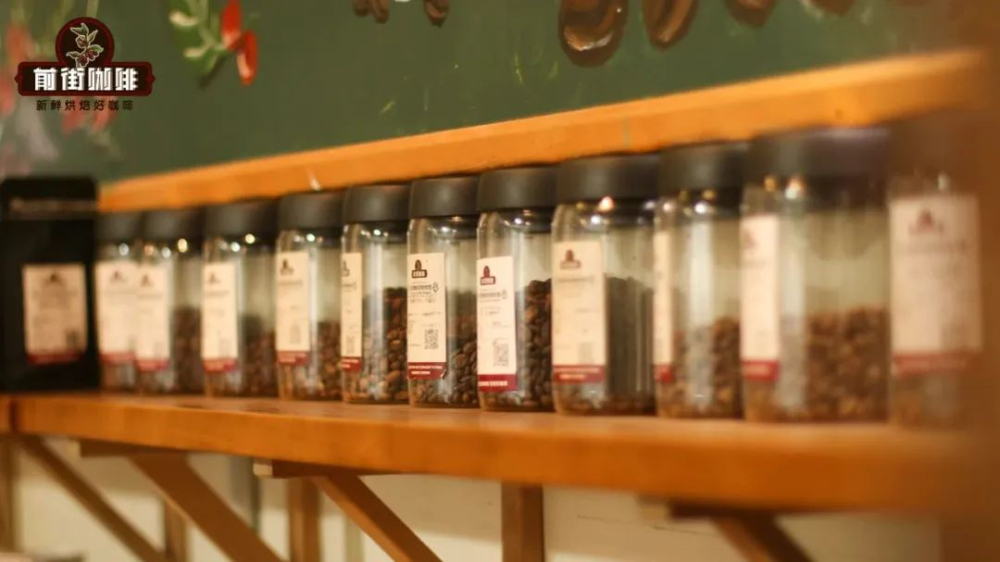
Anyone who brews at home has probably run into this situation: you've just opened a bag of freshly roasted beans, a day or two off the roaster, while the previous bag — now down to about ten grams — carries a roasting date more than a month old. Following the principle of waste-not-want-not, many people will finish off the older beans first.
But others habitually dose 15 or 20 grams of coffee, and to brew a "full pot" they'll simply mix the new beans with the old. Which raises the question: does extracting beans with different roasting dates together affect the taste?
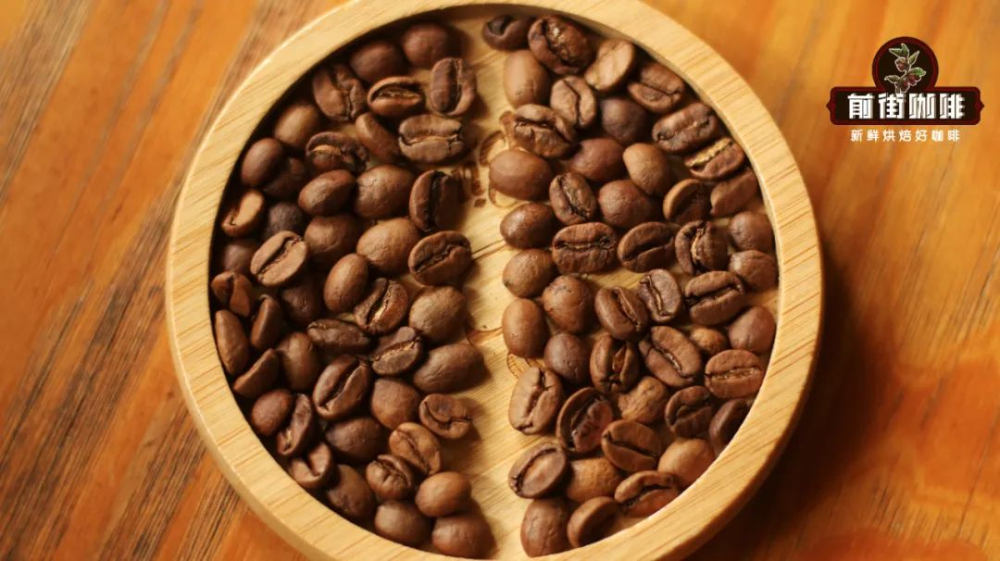
Patience, please. Let FrontStreet Coffee run a comparative experiment first, then answer these questions one by one~
FrontStreet Coffee prepared two bags of the same coffee with roasting dates exactly one month apart — one "freshly roasted" batch from February 29th, and an "old" batch opened some time ago with a roasting date of January 30th. Three groups would be brewed and compared, keeping the other parameters as consistent as possible while documenting the coffee beds and flavor performance.
Coffee Beans: Elida Estate · Catuaí
Amount: 15 grams
Water-to-coffee ratio: 1:15
Water Temperature: 93°C
Dripper: V60
Grind Size: EK43s setting 10
Three Coffee Groups: Old date beans, New date beans, 1:1 mixture of new and old beans
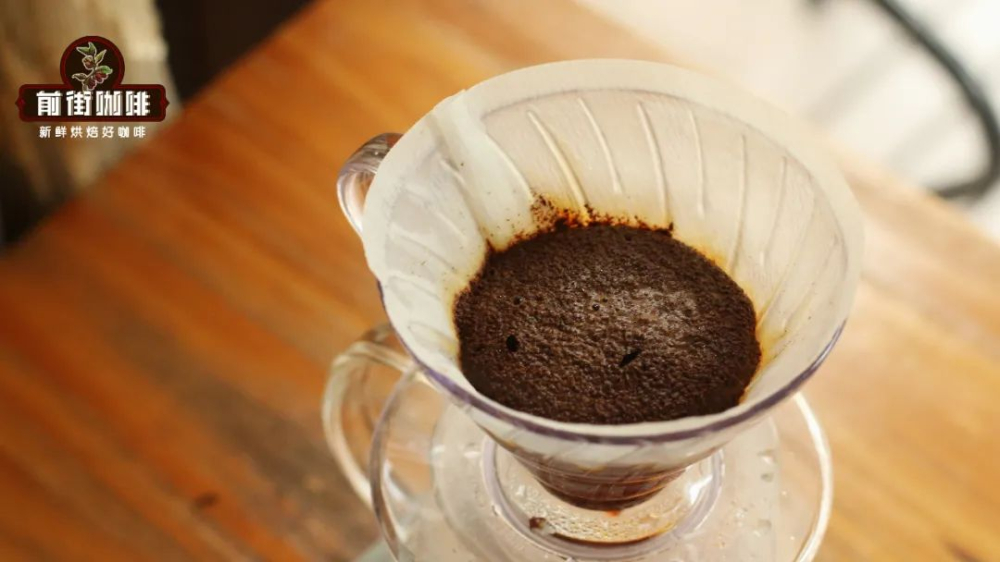
Old Date Group Coffee:
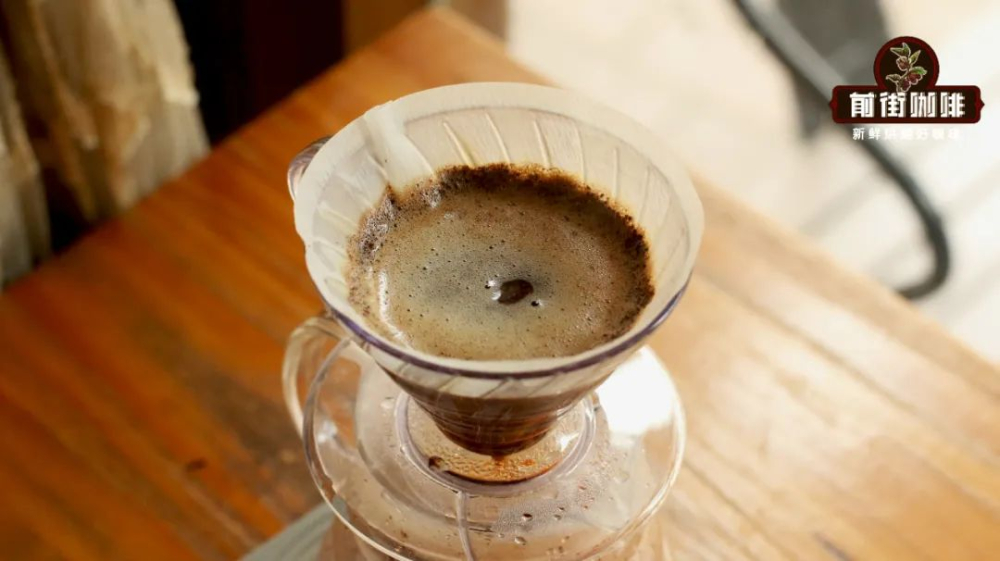
During the bloom there was some puffing, but without much domed curvature. The bed showed signs of dehydration and dryness around 25 seconds. The flow during extraction stayed stable.
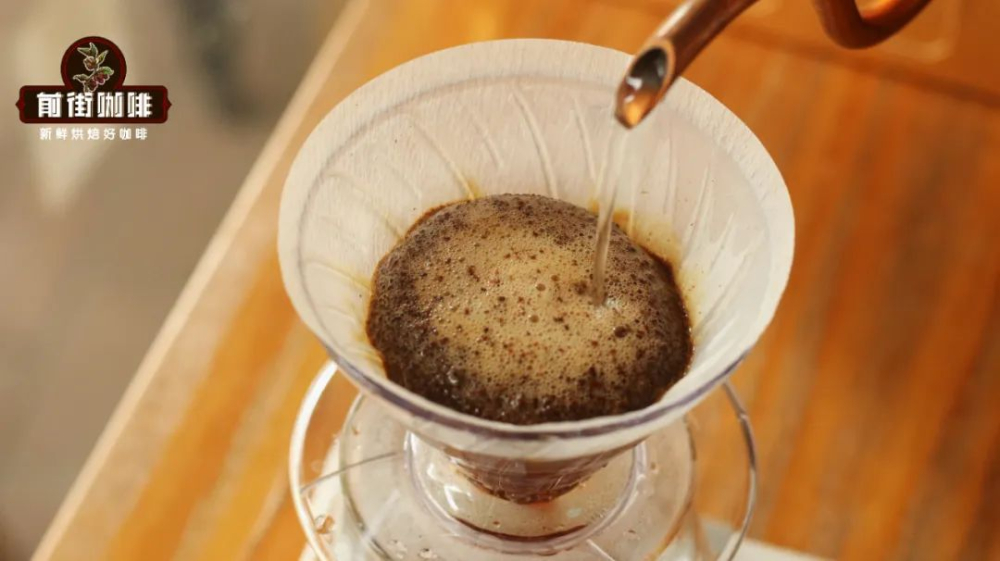
New Date Group Coffee:
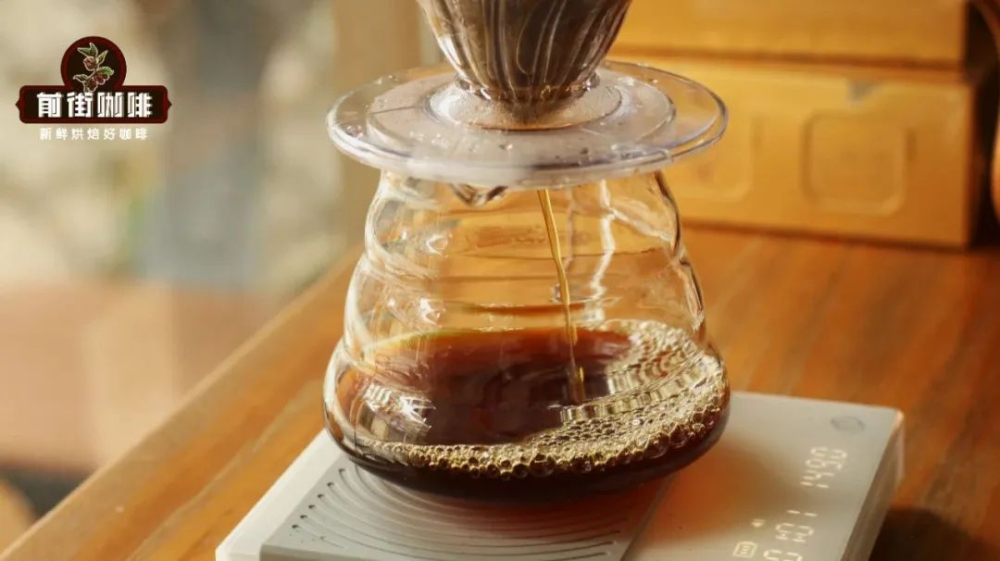
After water was added, the bed quickly swelled into a "hamburger." Throughout the pour, degassing was obvious and persistent, with large, irregular bubbles floating on the surface. The coffee finished dripping at 1 minute 52 seconds, leaving many small, scattered bubbles stuck to the dripper wall.
New and Old Mixed Group Coffee:
From bloom to circular pours, the bed behaved much like the old date group, with the occasional one or two large bubbles surfacing. The flow was equally stable, and the spent grounds left some foam residue behind.
Flavor Comparison:
On aroma, the old date group performed best. It tasted primarily of ripe peach and citrus sweetness with acidity, accompanied by raisin-like fermented notes and a caramel finish — with a distinct juice-like quality and moderate body.
By comparison, the new date group offered more prominent uplifting flavors — red berries and lemon acidity — but a somewhat thin body and less complex aroma than the old beans, and the aftertaste vanished quickly.
The mixed group of Elida landed somewhere between the two: citrus acidity with honeyed sweetness, a slight tea-like sensation, and a caramel aroma in the aftertaste — though all of it was brief.
Beans that are too fresh are still degassing. The carbon dioxide rushing out interferes with the dissolution of some aromatic compounds, so their flavor naturally lags behind that of "seasoned" beans. Seasoned beans have entered a stable state — precisely when they taste their best. Stored properly and enjoyed within the tasting period, they're virtually unaffected by their exact roasting date.
FrontStreet Coffee would add that the flavor differences above weren't influenced by degassing alone: the three pots were brewed one after another and tasted together, creating a sequence with temperature differences between them. Had the three pots not been compared side by side, it would have been nearly impossible to tell them apart — and as they cooled, the differences shrank even further.
So if your new beans are very close to their roasting date and you don't want to waste the leftover "old beans," the best move is to hold off: rest the new beans in a cool place for three to four days. Once some of the carbon dioxide has escaped, combine the two batches for a full pot. That way your "bean blending" isn't disturbed by off-gassing, and you finish the old beans while they're still inside their tasting window.
- END -
FrontStreet Coffee
No. 10, Bao'an Qianjie, Yandun Road, Dongshankou, Yuexiu District, Guangzhou, Guangdong Province

FrontStreet Coffee Recommendation
Beans Worth Resting, Beans Worth Blending
If this experiment has you thinking about what to brew next, FrontStreet Coffee's go-to for pour-over newcomers is its Ethiopia Yirgacheffe Worka (Guodingding) — the first bean many specialty coffee drinkers ever own. It shows vivid citrus, berry, and floral notes with a green-tea-like sweetness on the finish, and its acidity is soft and bright rather than sharp, which makes it very easy to accept.
Matching Beans to Your Dripper
For V60 fans, FrontStreet Coffee's house favorite dripper is the resin Hario V60: the resin body blocks heat loss, and standardized production keeps dimensional error to a minimum. Its fast, unimpeded flow suits floral-and-fruit coffees — like the classic Yirgacheffe character of Worka or the tropical richness of FrontStreet's Hua Kui — letting florals, fruit acidity, and delicate sweetness express themselves fully. If your palate leans toward body and low acidity, the PWN Indonesia Golden Mandheling is a dark-roast classic with a mellow, long finish of herbs and dark chocolate.
One More Tip on Freshness
Whatever bean you choose, remember the lesson from the experiment: rest freshly roasted beans three to four days before brewing, keep them sealed in a cool place, and aim to finish the bag within the tasting period of roughly 1.5 to 2 months after roasting — that's when coffee tastes exactly as the roaster intended.
Important Notice :
FrontStreet Coffee is a long-established specialty coffee roaster in Guangzhou China, selling freshly roasted beans from its own farm in Yunnan as well as dozens of carefully selected single-origin beans from around the world for both pour-over and espresso. The products deliver consistently excellent quality and great value, with shipping within 24 hours. Guangzhou's FrontStreet Coffee shop is recommended by many coffee lovers, and the beans are now available online at the Tmall 。
FrontStreet Coffee has moved to a new address:
FrontStreet Coffee Address: 315,Donghua East Road,GuangZhou
Tel:020 38364473
 Scan and follow the En Gafei WeChat official account. Please indicate that the reprint comes from "En Gafei".

