What's the Difference Between Double Washed, K72, Dry Fermentation Washed and Regular Washed?

The washed method is one of the most traditional and common ways of processing coffee beans. Through its pulping and washing steps it not only lifts production quality considerably but also gives the cup excellent clarity, which is why it has become a favourite of countless coffee lovers, FrontStreet Coffee among them.
As specialty coffee has spread, more and more consumers look at the traceability information behind single-origin coffees. In response, many producers have added prefixes to processing-method names to highlight a selling point — "double washed," "K72 washed," "dry fermentation washed," and so on. So how do these differ from conventional washed processing?
Before getting into these "new-style" methods, FrontStreet Coffee thinks it is worth clarifying where traditional washed processing came from.
Washed Method
Also known as the wet process, this is a way of producing coffee beans in which the outer skin and pulp are removed before the seeds are dried.
According to sources FrontStreet Coffee has reviewed, wet processing originated in the West Indies in the nineteenth century and was developed in Jamaica, where it was called WIP (West Indian Process). It suited humid, rainy regions. Its counterpart was OIB (Oost Indische Bereiding, or East Indian Process), which referred to traditional natural processing.
Before the 1850s, coffee cherries were processed by the most ancient method of all: natural drying. Only with the Industrial Revolution did this "skin-removing-first" technique emerge. In the mid-19th century Jamaica was one of the world's largest coffee producers, turning out roughly 70,000 tons of green beans a year. Its island climate made cherries hard to dry, so natural drying was less favourable there.
In 1845 the world's first coffee pulping machine was patented by James Meacock of Kingston, Jamaica. It removed the outer skin of coffee cherries and could also sort the coffee. After that, inventions related to pulping machines appeared one after another, and the washed method was formally applied to coffee production.
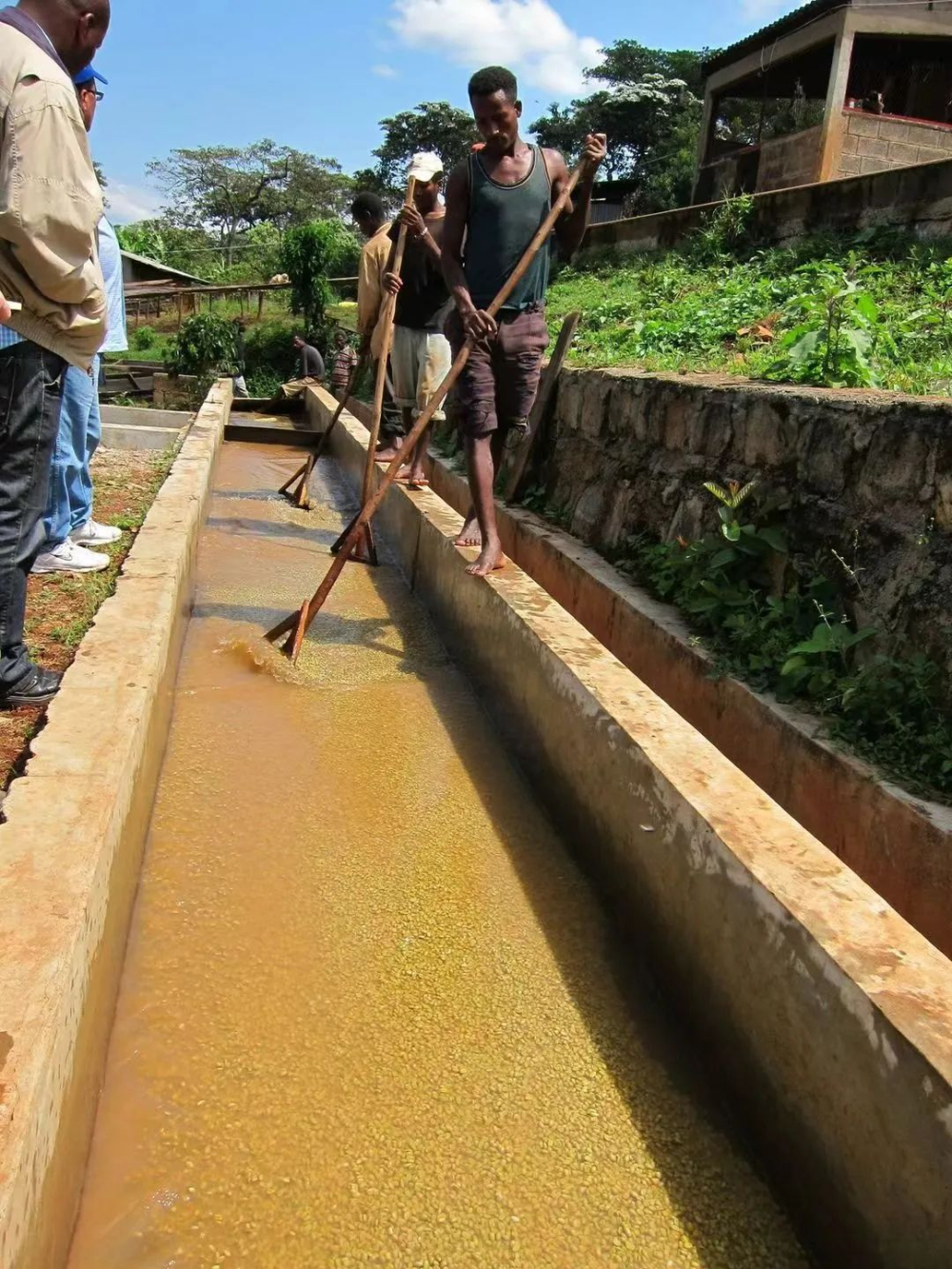
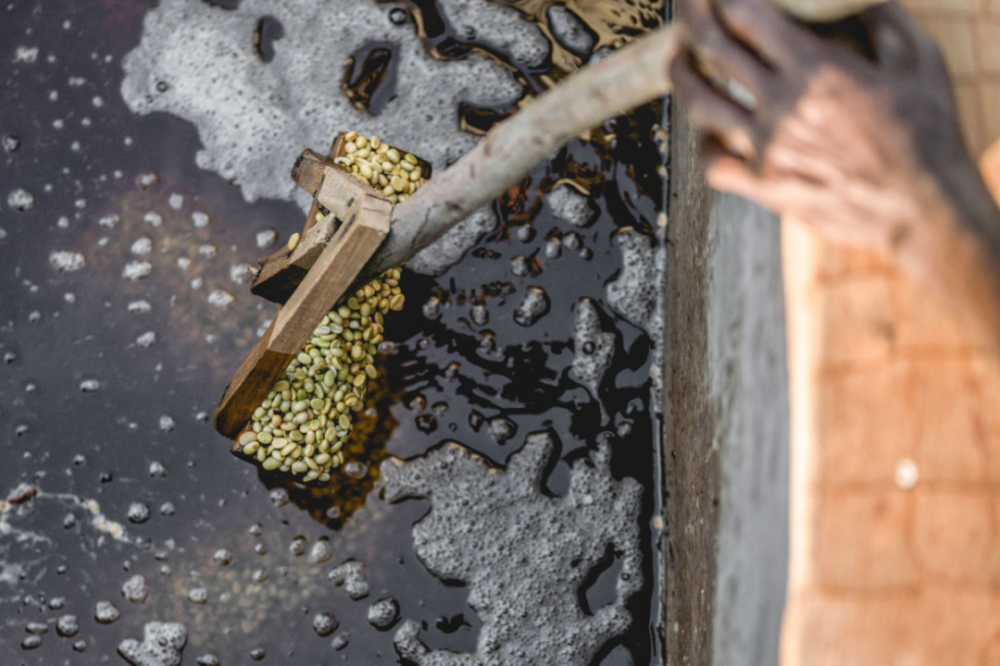
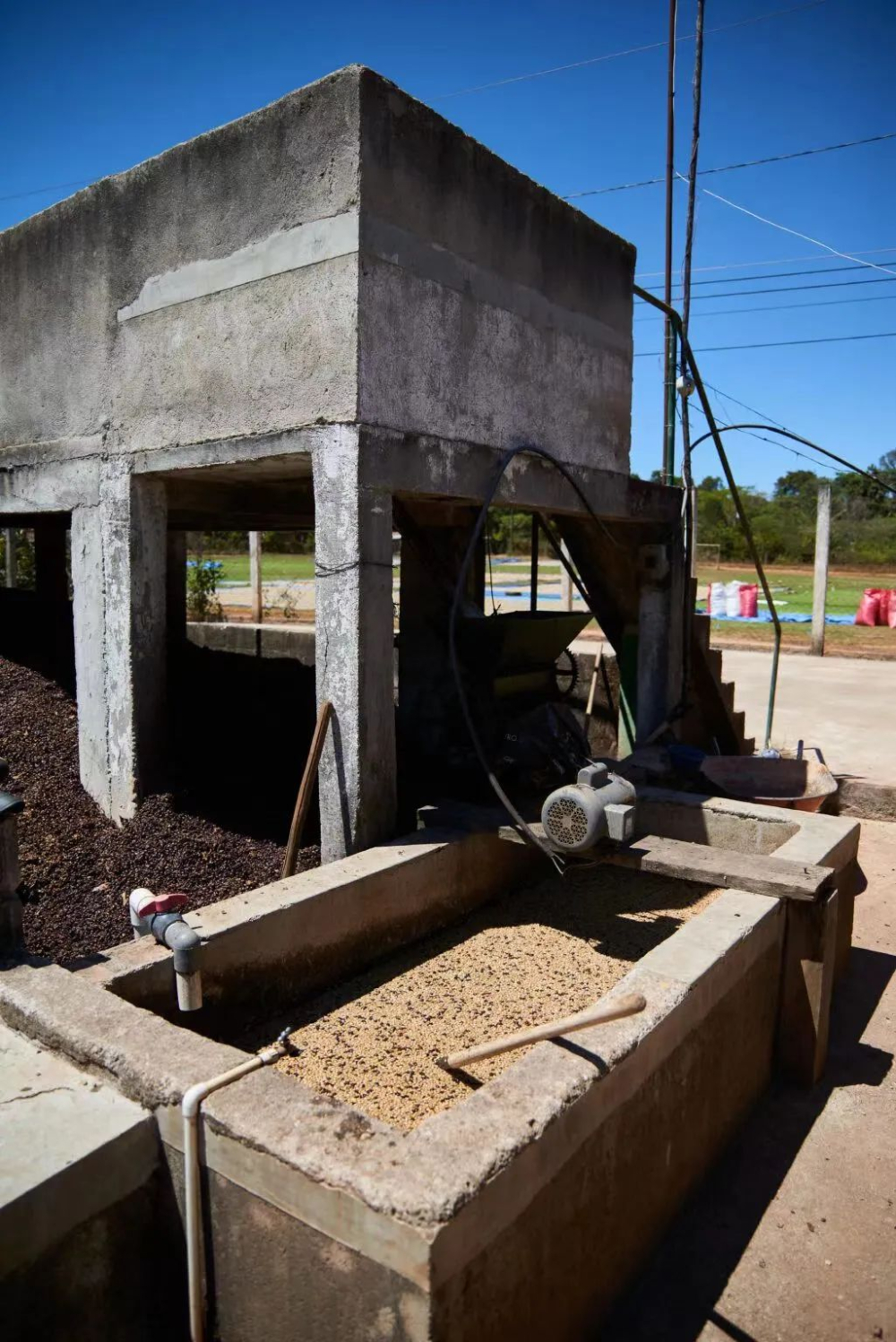
The traditional wet process is not complicated in principle: flotation, pulping, fermentation, washing, drying, hulling, and packing. Carrying it out, however, requires an adequate water supply, and because it relies heavily on machinery, producers adopting the washed method must also have the money to invest in equipment. The rise of the washed method coincided with early American plantations built with capital, which had sufficient operating funds, and with the arrival of pulpers and hullers that met the needs of the age — together these drove the method's spread across the Americas.
Double Washed
In the original wet process, fermented beans were washed once with clean water to remove the pulp, then sent straight to the drying beds for drying and packing. In Kenya, though, beans that have been washed once are re-immersed in a pool of clean water, taken out, and washed again before they go to the drying beds for dehydration.
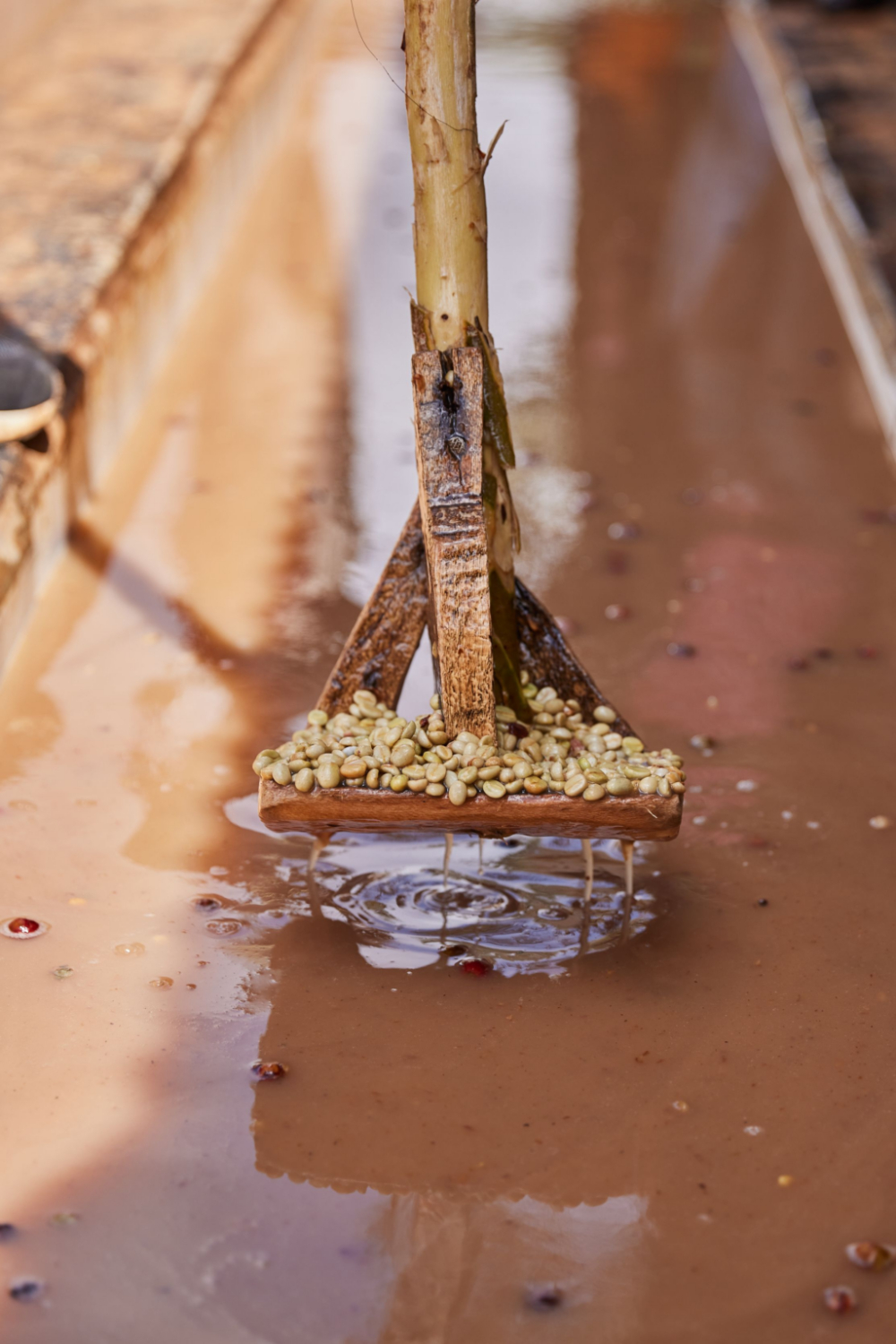
Kenya first changed conventional washing to this "double immersion" not out of a pursuit of flavour but because local drying capacity was insufficient. Kenya runs on the typical African cooperative model, and during harvest smallholders deliver fresh cherries to processing plants throughout the day. Pulping and fermentation are relatively simple and quick, but drying each batch of fermented beans takes at least 5 to 7 days. When the volume to be processed was too large, there was simply nowhere to dry the washed beans, so people poured the wet beans back into the tanks to "cool down" and avoid spoilage or contamination until drying space became available.
This double-soaked form of washing is called "Double Washed," and in producing regions it is also known as "Fully Washed" or "Double Fermentation." Because Kenya was the first region where it caught on, it is also called the "Kenyan Process." People later found that this twice-fermented, locally adapted washed coffee not only made quality control more stable but also brought rich, layered fruit acidity to the cup. Some American estates now use Kenyan-style washing as well.

K72 Washed Method
Also known as the Kenya 72-hour washed process, it can be understood as a further extension of both ordinary washed and double washed methods.
This process stresses control of fermentation time. First the beans undergo 24 hours of fermentation with the fruit still present; the detached pulp is then cleaned off, followed by another 24 hours of fermentation in a clean water pool. The residual matter is cleaned again, and the beans go into a tank of clean water for a final 24 hours of fermentation, making 72 hours in total. This process gives Kenyan coffee its bright, clean, high-quality fruit acidity. The Assalia that FrontStreet Coffee regularly offers uses this washing technique, showing acidity in the cup that recalls cherry tomatoes and dark plums.
Dry Fermentation (Washed) Method
Because the original wet process needed large amounts of clean water, and the wastewater left after fermentation had turned acidic, discharging it into rivers or soil caused environmental problems. To address those concerns and save water, the more water-efficient dry fermentation washed method began to be promoted.
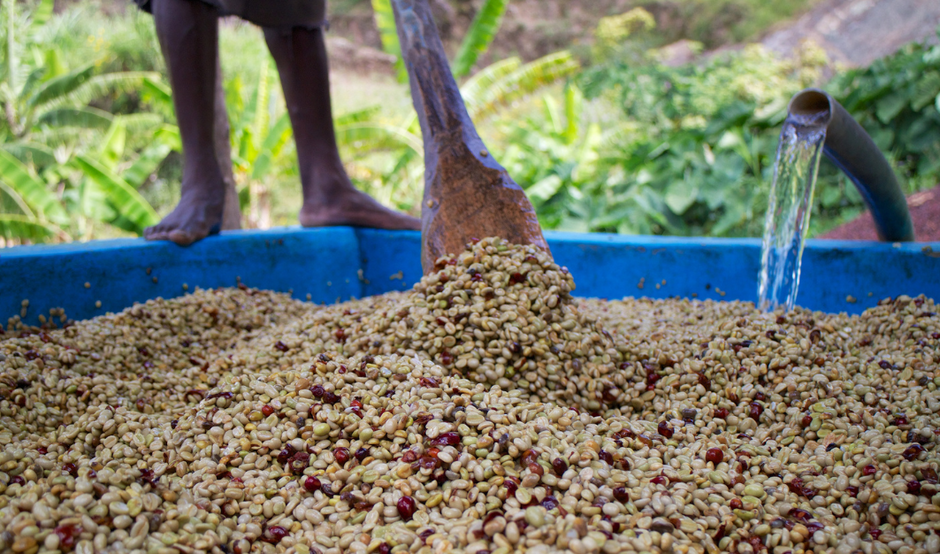
So-called "dry fermentation" means pouring the pulped parchment coffee straight into fermentation tanks to sit still for about 6-8 hours. This step is actually very similar to the more familiar honey process. The difference is that dry-fermented coffee still has to be rinsed with water to remove the degraded, detached mucilage completely. In terms of flavour, conventional washed coffee often has brighter characteristics, while dry-fermented washed coffee is usually sweeter and rounder than wet-processed coffee, because it resembles honey processing.
It is not hard to see that fermentation is an essential step in washed processing. Whichever washing method is used, the differences come down mainly to how long and how often the beans are soaked during fermentation, the temperature, whether conditions are aerobic or anaerobic, and whether extra substances are added.
- END -
FrontStreet Coffee
No. 10, Bao'an Qianjie, Yandun Road, Dongshankou, Yuexiu District, Guangzhou, Guangdong Province

FrontStreet Coffee Recommendation
Washing lowers the coffee's sugar content while raising its organic acids, which is why washed beans keep more of their own aroma and taste brighter, cleaner, and fresher. That makes FrontStreet Coffee's washed Gudingding Cooperative coffee a natural example: smallholder farmers in Yirgacheffe deliver their cherries to the cooperative for processing, and the washed method draws out jasmine florals and bright citrus acidity to the fullest. Roasted medium-light, it opens into green tea and honey notes and works well as pour-over, cold brew, or espresso.
For the double-washed and K72 styles described above, FrontStreet Coffee's Kenya Cherry Tomato is one of the best-known representatives, since Kenya excels at double washing green coffee. Repeated rinsing and soaking push the juice quality to its limit, giving a cup with cherry tomato, smoked plum, snow pear, black plum, and yellow sugar notes — sweet and sour, juicy, and a favourite of many coffee enthusiasts.
Important Notice :
FrontStreet Coffee is a long-established specialty coffee roaster in Guangzhou China, selling freshly roasted beans from its own farm in Yunnan as well as dozens of carefully selected single-origin beans from around the world for both pour-over and espresso. The products deliver consistently excellent quality and great value, with shipping within 24 hours. Guangzhou's FrontStreet Coffee shop is recommended by many coffee lovers, and the beans are now available online at the Tmall 。
FrontStreet Coffee has moved to a new address:
FrontStreet Coffee Address: 315,Donghua East Road,GuangZhou
Tel:020 38364473
 Scan and follow the En Gafei WeChat official account. Please indicate that the reprint comes from "En Gafei".