
Same Coffee Beans, What's the Difference Between Drip Bags and Pour-Over?

As coffee culture spreads, more and more office workers are making a morning cup part of their daily routine, and plenty of people have stocked their homes with brewing gear. But because pour-over coffee involves a fairly involved process, many people who just want an easy daily caffeine fix reach for instant instead. At the same time, the maturing coffee market has produced a group of enthusiasts who care deeply about quality — people who love sampling single-origin beans from different regions and want that quality at home without the fuss.
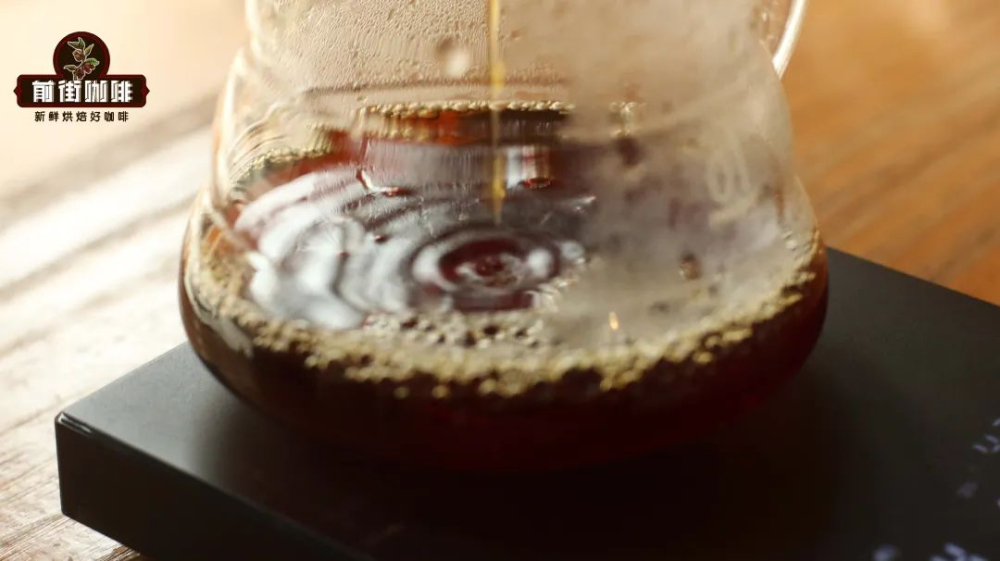
Recently, a customer who often brews at home visited the FrontStreet Coffee shop. After tasting a pour-over, he asked the barista a question: would there really be a significant difference between freshly ground pour-over and drip bag coffee?
So let's dig into it. If we use the same coffee beans, can drip bags and pour-over filter cups produce the same flavor? What differences should you expect?
Coffee Bean Selection and Brewing Parameters

First, understand that the underlying principle of drip bags and pour-over is essentially identical. Drip bags simply eliminate a lot of tedious preparation, making the whole process more efficient.
Without further ado, FrontStreet Coffee ran the test with a flavor-balanced bean — Panama Washed — to see what changes when the same beans go through drip bags versus a pour-over cone.
The pour-over parameters: 15g of coffee at a 1:15 ratio, 92°C water, grind at 80% pass through a #20 sieve (FrontStreet Coffee's EK grinder at setting 10), three-stage pouring on a V60, total extraction time of 2 minutes 15 seconds, yielding 225ml.

Drip bags usually hold about 10–15g of pre-portioned grounds. For this test: 10g of coffee at 1:15, which works out to 150ml of finished coffee.
If you don't own a thermometer, here's a trick: water boiled in a 300ml kettle cools by about 2–3°C per minute, so simply bring water to a boil and wait about one minute for it to fall naturally into the target range. No thermometer needed.
Detailed Steps for Brewing Drip Bags
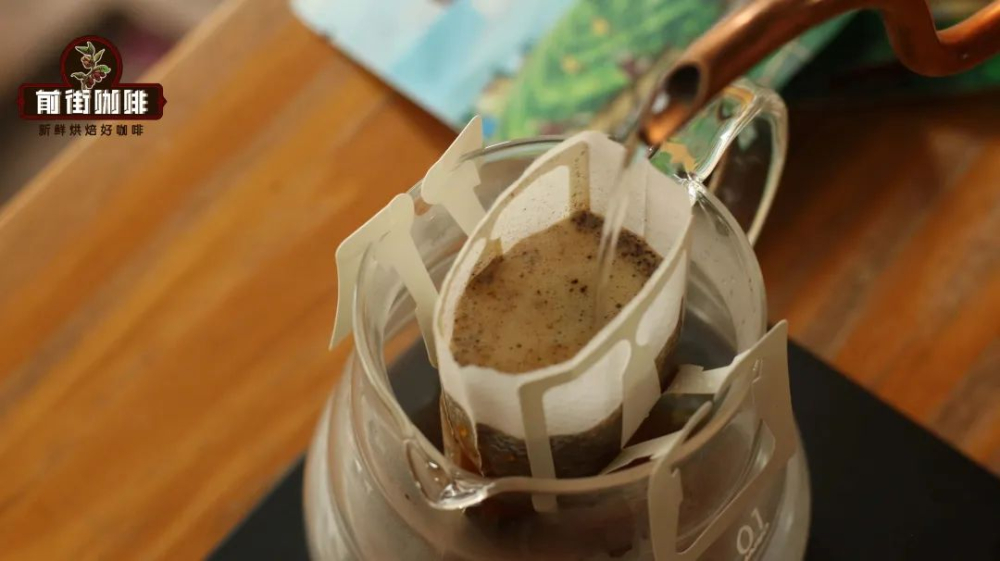
Here's the everyday routine for brewing a drip bag:
1. Get a cup and hot water ready. Tear open the drip bag's seal and hook it over the cup rim.
2. Once the water is in the target temperature range, pour into the center of the bag until the water level reaches halfway up, then wait 10–15 seconds to bloom.
3. Pour a second time, filling the bag to about nine-tenths. Once the water drains through, pour a third time, again to nine-tenths. After dripping completes, pour a fourth and final time to nine-tenths, stopping when the scale reads exactly 150g.
4. When dripping finishes, remove the bag and enjoy.
Comparison of Flavors and Textures
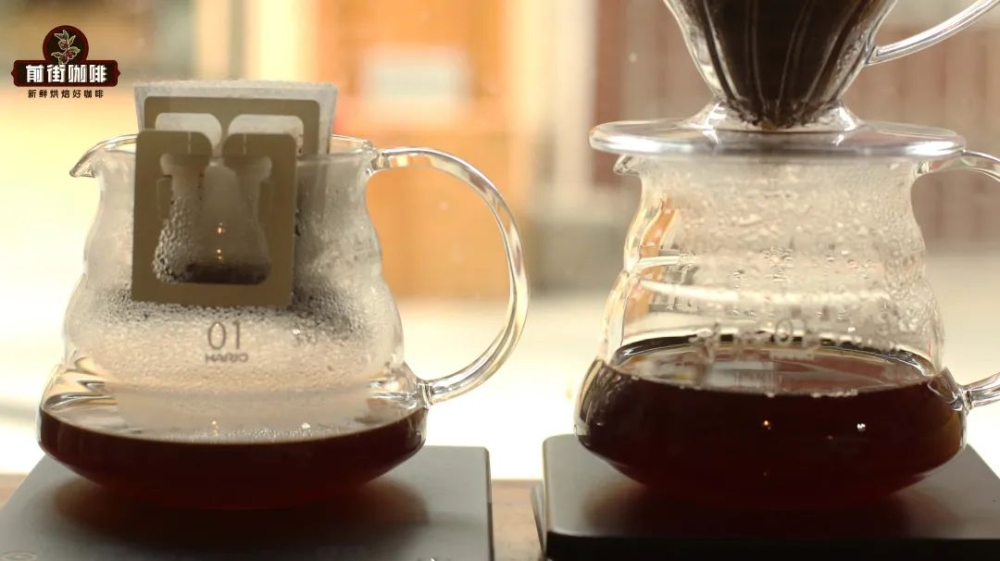
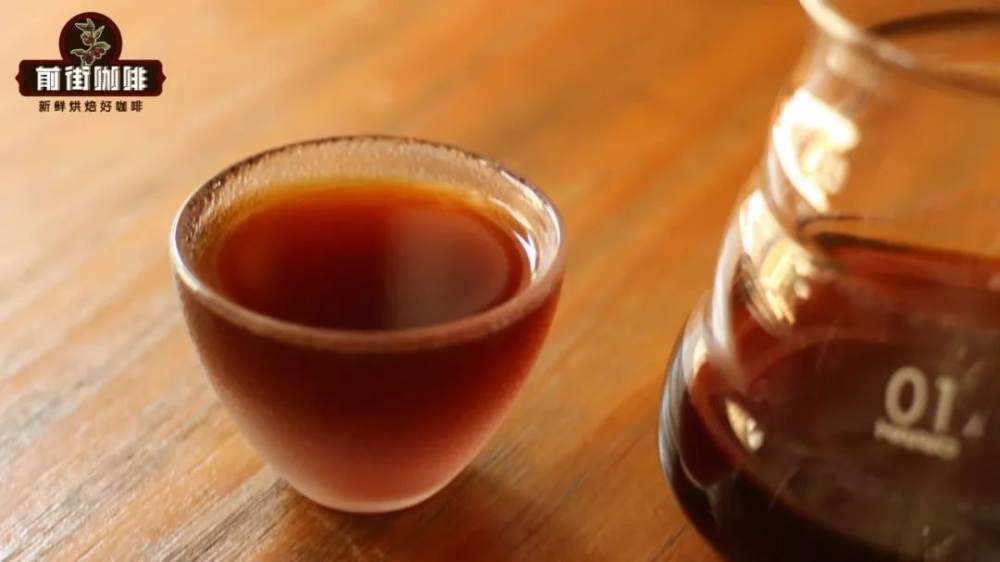
Side by side, the pour-over showed more pronounced aroma and flavor — distinct passion fruit, berries, honey sweetness, and light florals. But honestly, the drip bag wasn't far behind; its flavor wasn't dramatically different from the pour-over.
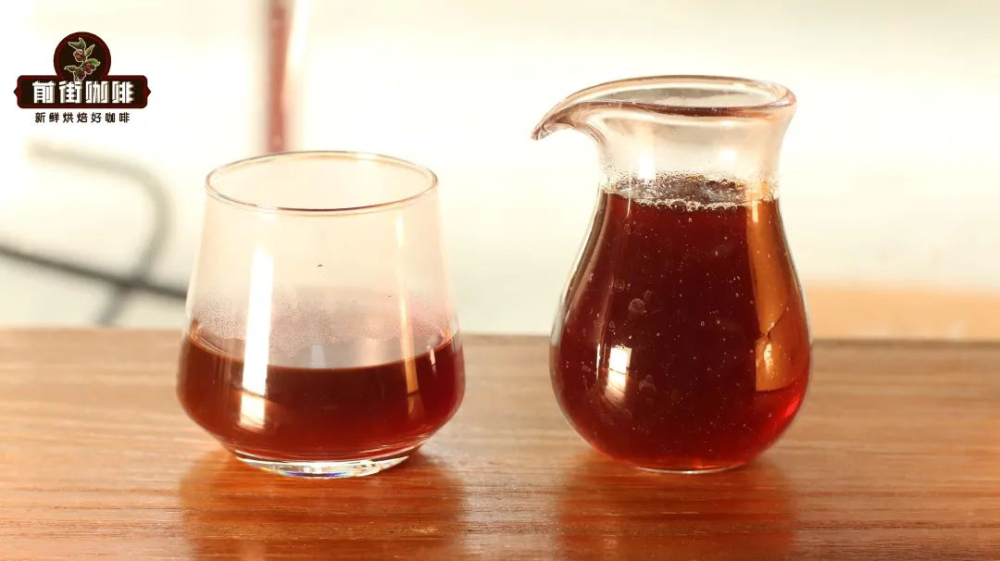
(Drip bag coffee on the left, pour-over on the right)
In terms of texture, the pour-over wins on control: managing the coffee bed lets the grounds extract fully, producing a fuller, rounder body, while the drip bag cup reads cleaner. If you don't have tools at home to hit exact proportions, a measuring cup and the steps above will still get you a delicious, convenient cup.
To push the comparison further, FrontStreet Coffee repeated it with deep-roasted Papua Paradise Bird beans. Here the flavor layers were nearly identical — both showed dark cocoa, cream, chocolate, and almond — but the drip bag was cleaner and sweeter while the pour-over was fuller, with little difference in body.

FrontStreet Coffee attributes this result to the conditions of the experiment: the drip bags were freshly ground and brewed immediately, with a scale and thermometer keeping everything on target, so their flavor matched the pour-over closely. In real life, though, most people brewing drip bags at home or at the office have none of those tools — water amount and temperature are pure guesswork.
What's more, the drip bags most consumers buy come pre-ground, and that aroma dissipates steadily as storage days add up. So even with the same coffee beans, drip bags will generally fall short of freshly ground pour-over.
Conclusion
So when choosing between the two, let your taste and circumstances decide. If you want the richest, most specific aromas and a fuller, rounder mouthfeel, pour-over is the way to go. If you want convenient, quick coffee with flavor that's still genuinely good, drip bags are an excellent option. Either way, a delicious cup is easy to make at home.
FrontStreet Coffee Recommendation
Whichever format you choose, the bean matters most. The V60 cone used in this test — designed by Hario, the Tokyo glassware maker founded in 1921, and reshaped into its familiar 60° "V" form in 2004 — rewards bright, floral-fruity coffees: its large single hole and fast flow bring out layered aromatics and lively acidity. FrontStreet's Yirgacheffe Guodingding (citrus, berries, florals with a green-tea finish) and the tropical-fruit-packed Flower Queen from Ethiopia are ideal matches, as is the Strawberry Candy blend with its Geisha floral top notes.
If you lean toward the deep-roasted Papua Paradise Bird profile from the second test, FrontStreet's PWN Golden Mandheling — low acidity, thick body, herbal and dark-chocolate depth — and the Jamaica Blue Mountain No.1, prized for its near-perfect balance of cream, caramel, chocolate, and nut, are the classic full-bodied picks that shine in both drip bags and pour-over.
Important Notice :
FrontStreet Coffee is a long-established specialty coffee roaster in Guangzhou China, selling freshly roasted beans from its own farm in Yunnan as well as dozens of carefully selected single-origin beans from around the world for both pour-over and espresso. The products deliver consistently excellent quality and great value, with shipping within 24 hours. Guangzhou's FrontStreet Coffee shop is recommended by many coffee lovers, and the beans are now available online at the Tmall 。
FrontStreet Coffee has moved to a new address:
FrontStreet Coffee Address: 315,Donghua East Road,GuangZhou
Tel:020 38364473
 Scan and follow the En Gafei WeChat official account. Please indicate that the reprint comes from "En Gafei".

