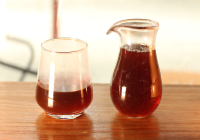
Ethiopian Coffee Beans|Introduction to Buku Abel Processing Plant's Guji Hambella "Flower Queen 7.0"
When it comes to coffee, many people think of Ethiopia, widely recognized as the birthplace of coffee. Ethiopia has a long history of coffee cultivation and is the world's largest coffee gene bank. With so many varieties, it is estimated that Ethiopia now has between 10,000 and 15,000 coffee varieties, though most have not yet undergone formal genetic identification.
Ethiopian Coffee
Ethiopia is located in northeastern Africa, with mountainous plateaus covering two-thirds of the country. The Great Rift Valley runs through the entire territory, and the average altitude is nearly 3,000 meters. The high altitude, suitable climate, and fertile soil give Ethiopia exceptionally favorable conditions for coffee cultivation. This has also made Ethiopia the largest Arabica coffee producing country in Africa.
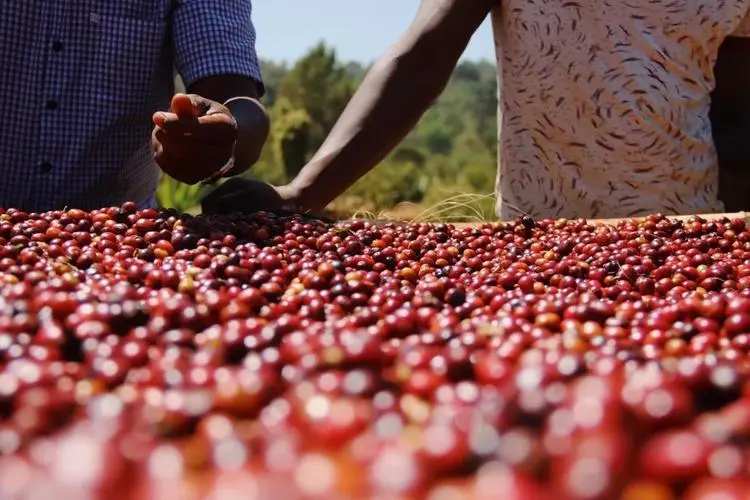
Ethiopia's domestic industry is weak, with the national economy dominated by agriculture, making it a traditional agricultural country. Coffee cultivation is therefore mostly on a smallholder scale. Coffee grows alongside other crops near farmers' homes, tended daily by the farmers and harvested by them in season. The coffee is then either purchased by intermediaries or delivered by the farmers themselves to nearby processing stations. This model accounts for more than half of Ethiopia's total coffee production.
Guji Region
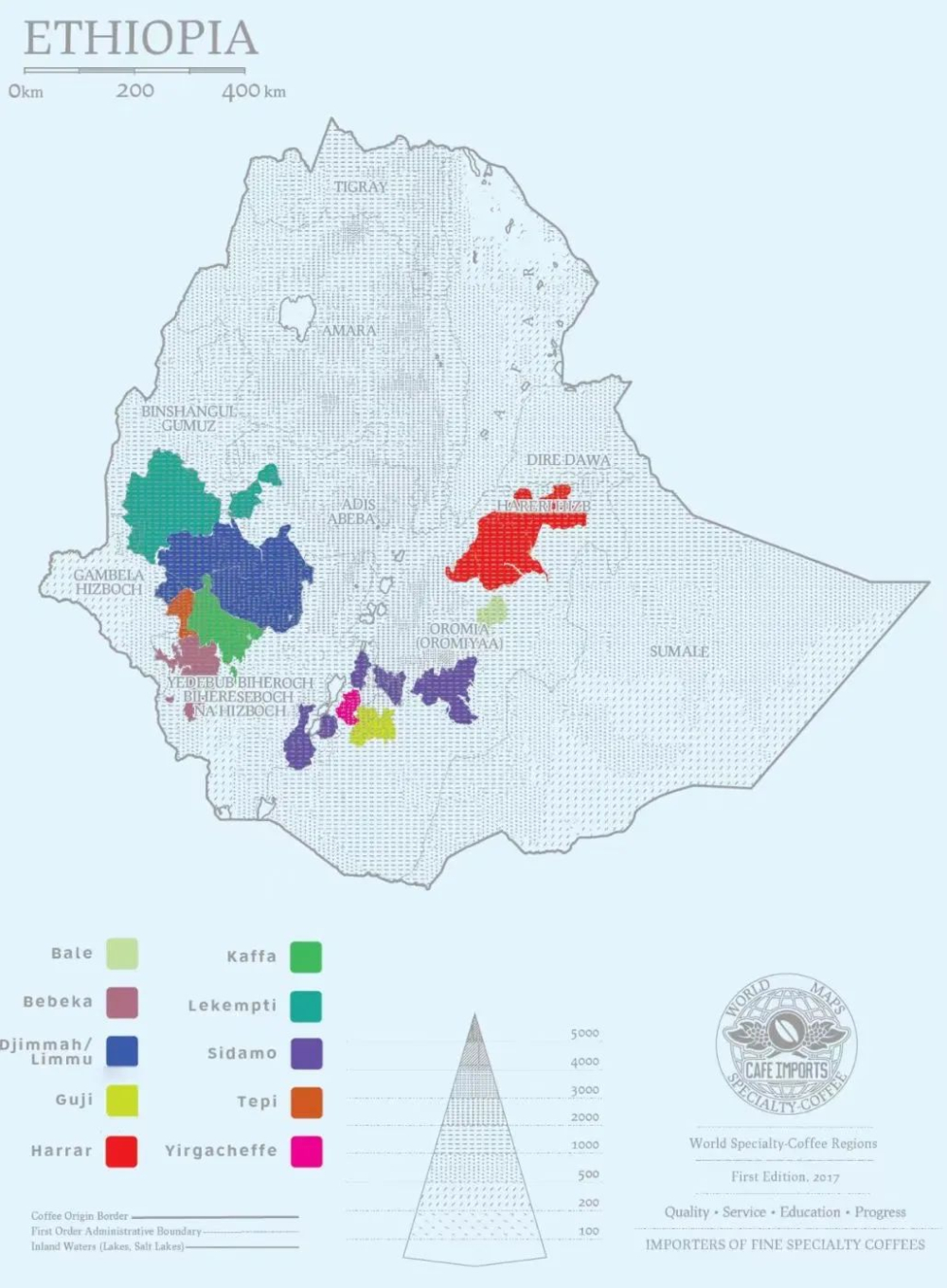
Ethiopia has multiple coffee producing regions, with Guji, Yirgacheffe, and Sidama among the most famous. The Guji region was formerly part of the Sidama region but was designated an independent new region by the Ethiopia Commodity Exchange (ECX) in 2010 because of its excellent and highly distinctive flavor profile. Located in southern Ethiopia, the region features towering mountains, highlands, plateaus, valleys, and plains, and its complex, varied terrain creates diverse microclimates. The geology consists of volcanic soil, and most areas are undeveloped or undisturbed dense forest. The average altitude is above 1,800 meters, with large day-night temperature swings that slow the growth of the cherries and allow rich flavors to develop. Guji also contains several sub-regions, such as Hambella, Uraga, and Shakiso, with Hambella particularly known for its "Flower Queen" beans.
Hambella
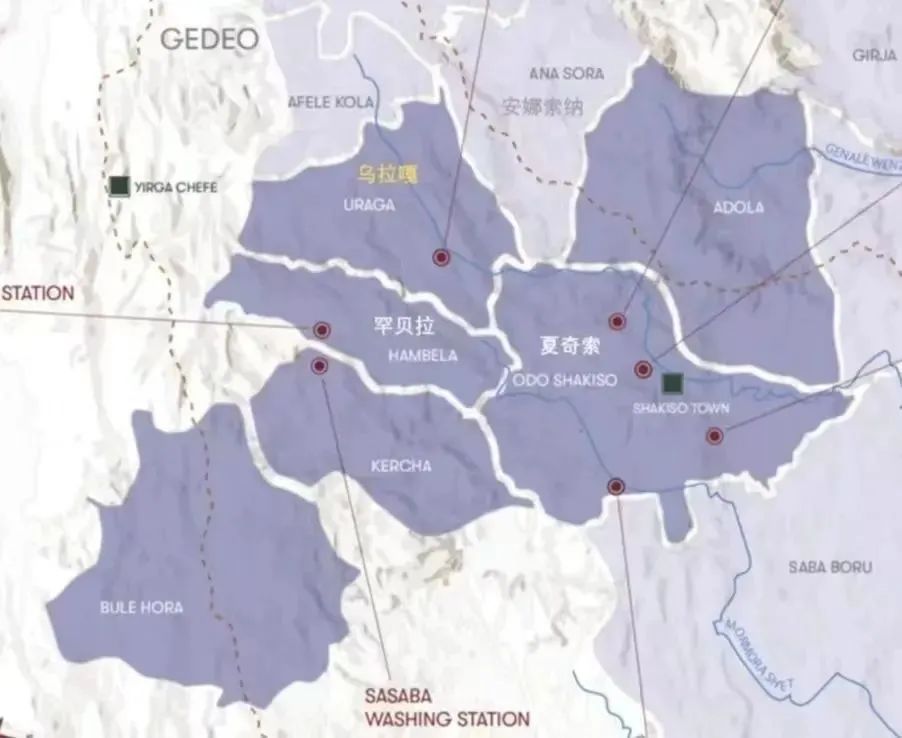
Hambella is the birthplace of "Flower Queen" coffee and one of the sub-regions that made Guji famous. The western part of Hambella faces the Kochere Mountains of Yirgacheffe, with cultivation altitudes reaching 2,100-2,300 meters. To the southeast and north it borders the other Guji sub-regions, Shakiso and Uraga. The area's greatest advantage is its dense forest, which provides abundant natural fertilizer. There are currently about 20 processing plants of various scales in the Hambella region, with the harvest period running from November to January of the following year.
Flower Queen Coffee
Flower Queen is a natural processed coffee from the "Buku Abel" processing plant in Hambella, owned by DW Company. It gained fame at the 2017 TOH (Ethiopia National Taste of Harvest Competition), where Flower Queen won first place with its outstanding strawberry cream flavor. In the same year, Li Jianfei from Beijing, runner-up in the China region of the World Brewers Cup, also used Flower Queen beans to achieve his runner-up position, further enhancing their reputation.
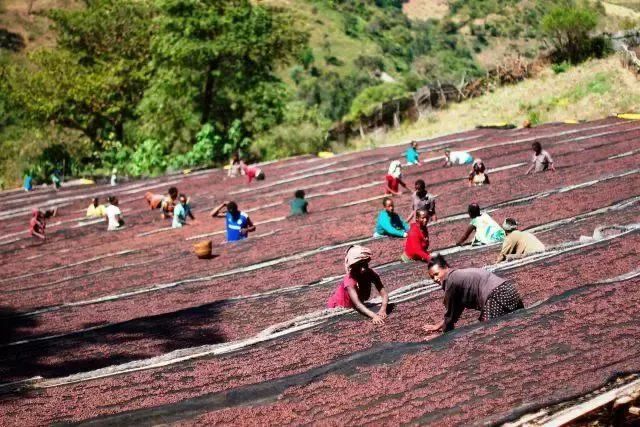
Because the bean has rich strawberry and cream aromas, Chinese green bean importers named it "Flower Queen." Later, DW Company expanded to four processing plants in Hambella, adding "Buku Saysay," "Haro Soresa," and "Tirtiro Goye" to the original "Buku Abel," with an annual production capacity of approximately 1,100 tons of coffee. Flower Queen 2.0 launched in 2018, followed by 3.0 and 3.1 in 2019. Every year since, a Flower Queen x.0 series has been released, the latest being Flower Queen 7.0. However, with DW Company's annual expansion of processing plants and increased production, its flavor profile differs significantly from the Flower Queen beans that became famous in 2017.
FrontStreet Coffee Ethiopia Guji Region Flower Queen 7.0
Region: Guji Region
Estate/Processing Plant: DW Company Buku Abel Processing Plant
Altitude: 2,250-2,350 meters
Variety: Heirloom
Processing Method: Natural
Flavor: Citrus, Apricot, Passion Fruit, Fermented Aroma, Tea Sensation
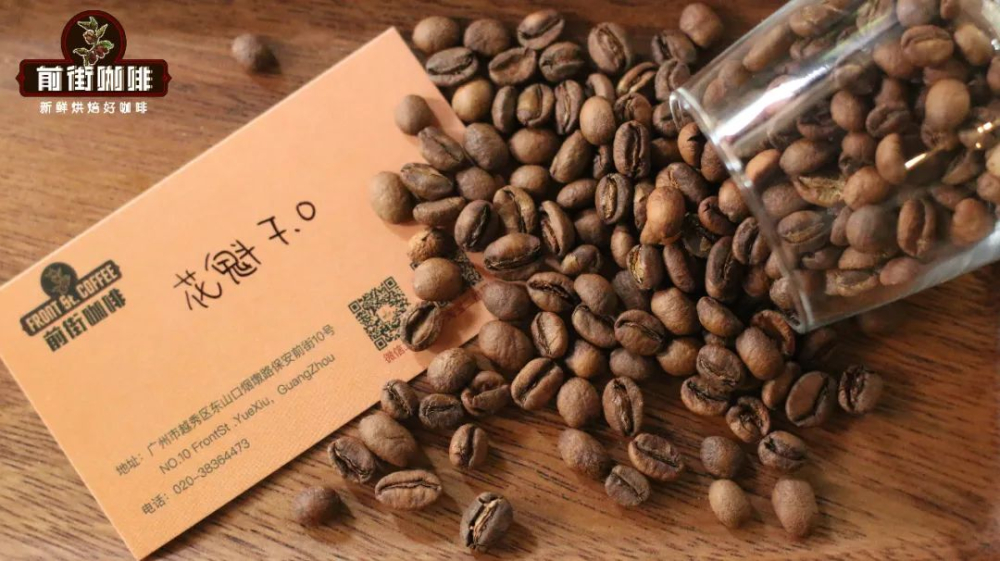
FrontStreet Coffee's current Flower Queen 7.0 is naturally processed and lightly to medium roasted. FrontStreet Coffee brews it with a V60 at a 1:15 ratio and 92°C water. You'll notice a slight fermented aroma, with passion-fruit-like acidity, citrus and apricot flavors, a soft mouthfeel, and a refreshing tea sensation.
FrontStreet Coffee Recommendation
Flower Queen is Ethiopia at its most fruit-forward, and if you enjoy that style, FrontStreet Coffee's Yirgacheffe family is a natural companion. FrontStreet's washed Yirgacheffe daily-drinker is the classic introduction to the region, with white jasmine, bright citrus and lemon acidity, and a tea-like body at an everyday price. FrontStreet's washed Gudingding Cooperative, in the Woka area at Yirgacheffe's southeastern edge, follows the most traditional washed processing—the cooperative is known as Yirgacheffe's last pure land—and delivers clean, bright citrus and lemon acidity with jasmine fragrance and no traditional bitterness. And for another natural-process fruit bomb, FrontStreet's natural Red Cherry is made from fully ripe fruit only, sun-dried on raised beds for three to five weeks with frequent turning early on, giving it citrus-like acidity, a berry-juice body, honey sweetness, and creamy smoothness. Brew them as you would this Flower Queen 7.0—a V60 at around 90-92°C with a 1:15 ratio—to bring out the jasmine and fruit aromas.
Important Notice :
FrontStreet Coffee is a long-established specialty coffee roaster in Guangzhou China, selling freshly roasted beans from its own farm in Yunnan as well as dozens of carefully selected single-origin beans from around the world for both pour-over and espresso. The products deliver consistently excellent quality and great value, with shipping within 24 hours. Guangzhou's FrontStreet Coffee shop is recommended by many coffee lovers, and the beans are now available online at the Tmall 。
FrontStreet Coffee has moved to a new address:
FrontStreet Coffee Address: 315,Donghua East Road,GuangZhou
Tel:020 38364473
 Scan and follow the En Gafei WeChat official account. Please indicate that the reprint comes from "En Gafei".