
An Important Detail in Coffee Latte Art You Can't Ignore! How to Handle Over-Thick or Layered Milk Foam?
New to latte art and often running into this situation?
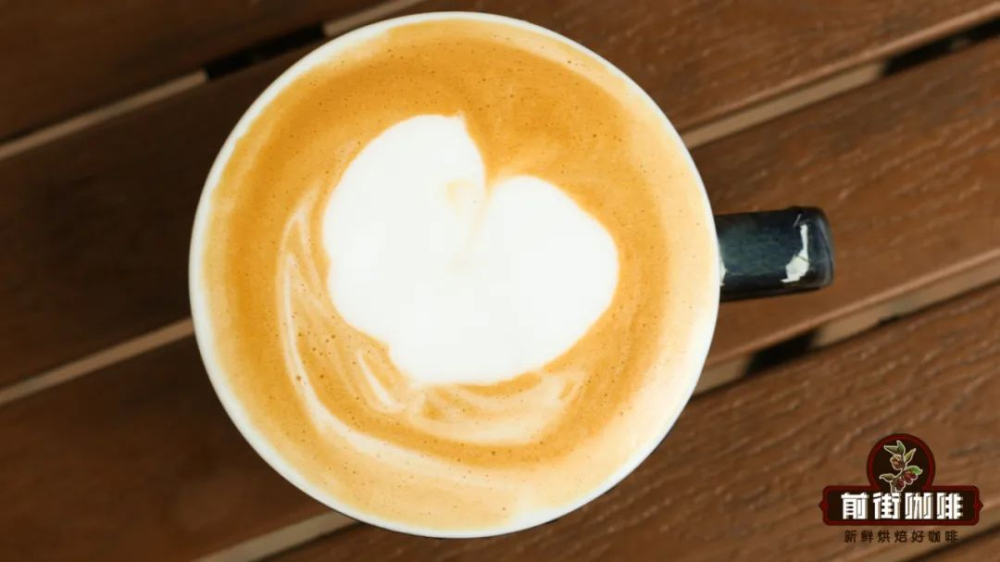
Or this one?

Your ingredients are ready, you start pouring, and the milk foam lands in the cup as a "clump" — it won't blend with the coffee and refuses to form clean patterns. The foam looked perfectly fine during frothing, so why does it turn clumpy the moment you pour?
Why Does Milk Foam Become Clumpy?
The clumpy state described here isn't the cappuccino-style foam that's simply too thick — it's foam that pours out as an independent material during latte art, rather than flowing as one unified whole with the milk.
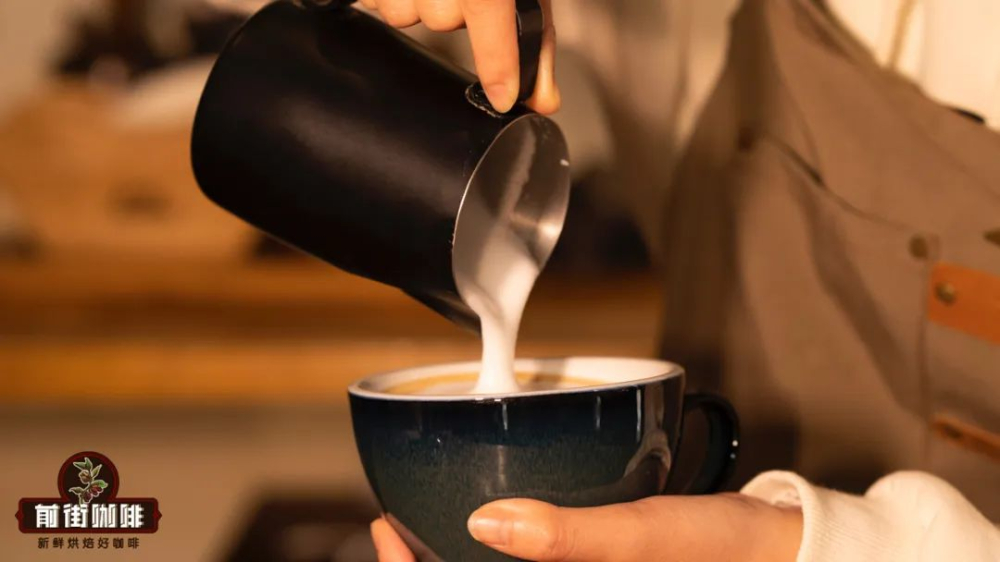
There's only one explanation for this state: "layering." The foam and the milk, originally a single integrated substance, have separated into two independent materials. So what causes it?
1. Incorrect Milk Frothing Technique
Frothing consists of three steps: aeration, refining, and integration. In the first step, the steam wand injects air into the milk's surface, creating large bubbles wrapped in protein. Then you immerse the wand into the milk to cut those large bubbles into countless tiny ones. Finally, you spin up a vortex to integrate the foam and milk until the right temperature is reached — frothing complete! (Refining and integration actually happen simultaneously.)
The trouble starts in the refining step. If you immerse the steam wand too deeply, you can still create a vortex, but it becomes difficult to cut the large bubbles floating on the surface. Un-cut bubbles mean the foam can't integrate with the milk afterward. Then, during the subsequent heating phase, the wand is effectively heating only the milk — and the foam separates from it because of the temperature difference!
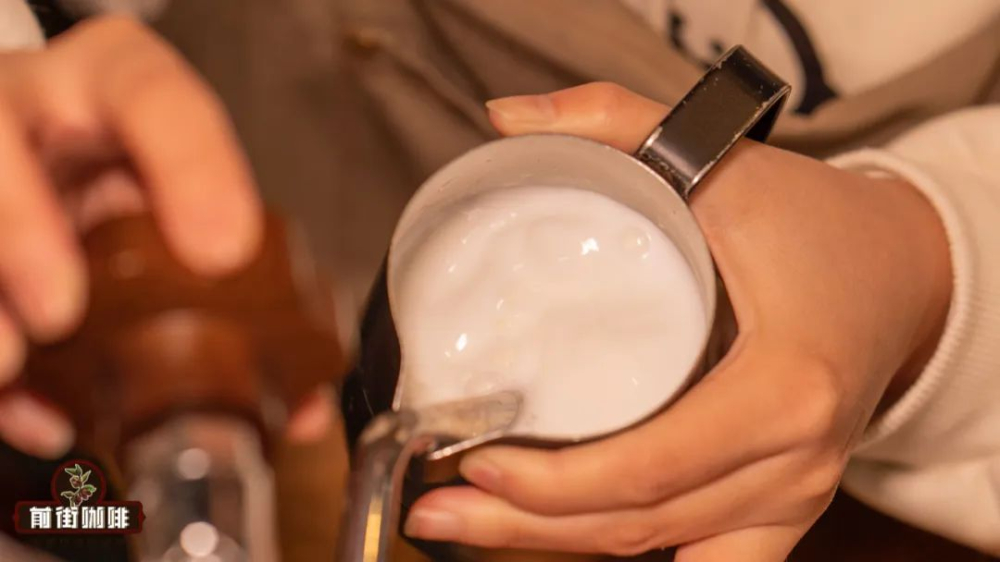
The fix is simple: don't bury the steam wand too deep — just deep enough that the milk barely covers the steam holes! The foam produced this way is not only finer and denser, it also refuses to layer!
2. Sitting for Too Long
This is the other major culprit behind layered foam! Some beginners, worried that espresso loses its character if it sits too long, froth the milk first and then pull the shot — or they stop to clean the machine after frothing, pushing latte art further down the line! Both habits leave the foam sitting long enough to separate from the milk.
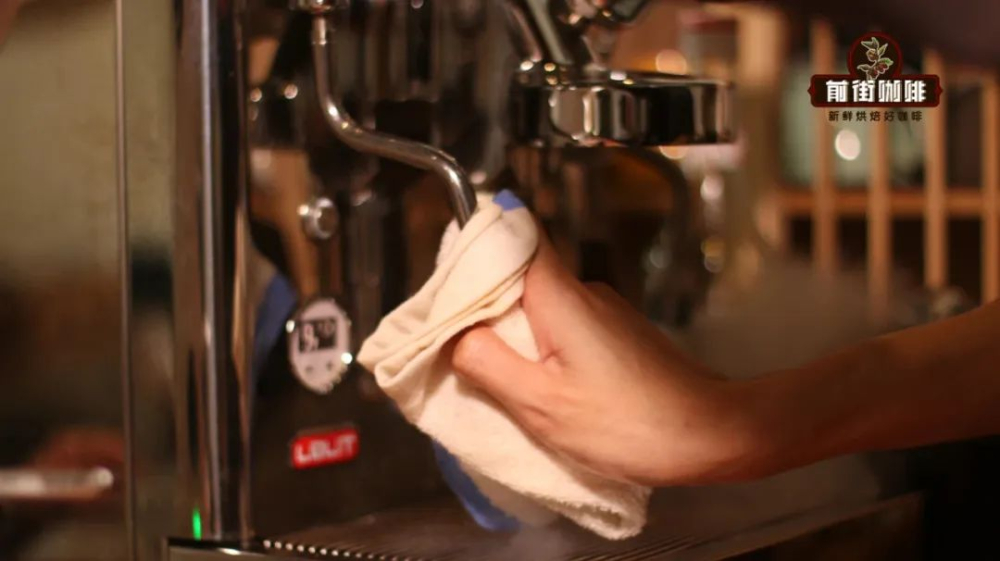
FrontStreet Coffee suggests avoiding this through synchronized preparation. Take a standard latte: espresso extraction takes about 30 seconds, while milk frothing depends on the machine's steam power and usually runs 15-20 seconds — let's say 20. To run them in parallel, you need to control the timing of each!
Start extracting the espresso first, then begin frothing the milk around the 11-second mark of the shot. That way, the moment the espresso finishes, the milk foam is perfectly frothed too! (On machines without automatic dosing, give yourself a 1-2 second buffer to stagger when you hit the stop button~)
If circumstances force the foam to sit for a while after frothing anyway, there's a rescue move for the layering: "repitching" into another pitcher!
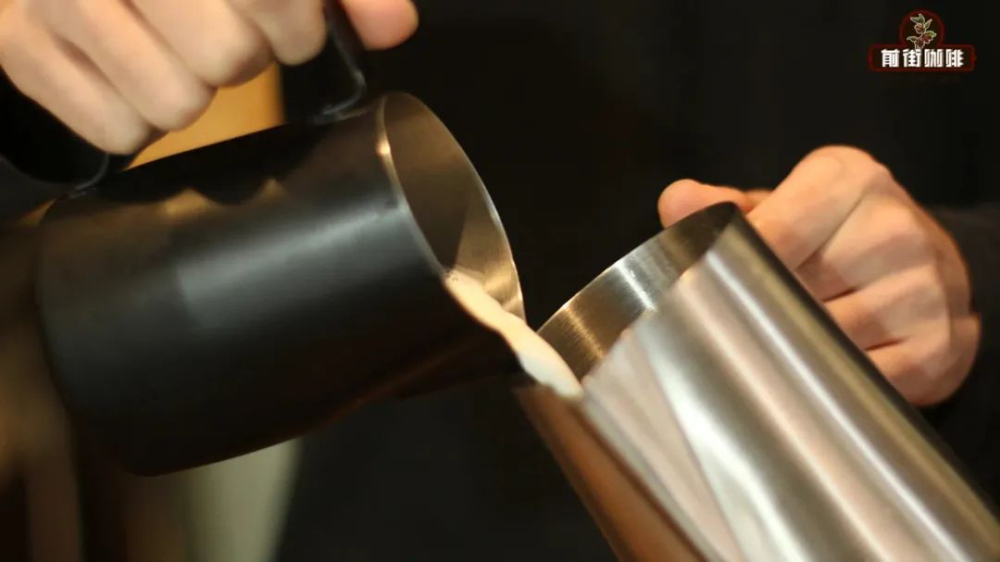
This pour knocks out some of the original large bubbles and lets the milk and foam reintegrate through the inversion, trimming some of the thickness as well. So as long as the layering isn't caused by technique, repitching can soften the damage. (Remember to give the pitcher a gentle clockwise swirl afterward to boost the integration of milk and foam~)
FrontStreet Coffee
10 Bao'an Qianjie, Yandun Road, Dongshankou, Yuexiu District, Guangzhou, Guangdong Province

FrontStreet Coffee Recommendation
Great Latte Art Starts With the Right Beans
Perfect foam deserves a perfect base, and for anyone learning latte art at home, FrontStreet Coffee's Classic Blend is the house recommendation. This medium-dark espresso recipe blends beans from three origins and draws inspiration from the old-school "Mandheling-Brazil" pairing, with a touch of Robusta for aroma and crema. The shot pours with clear notes of butter, toasted bread, and caramel biscuits — bold, solid, and wonderfully stable in extraction, making it an essential home coffee for beginners.
Two More Blends for Bigger Ambitions
Those who prefer a rich, nutty profile should try FrontStreet Coffee's Premium Blend — washed Colombian and pulped-natural Brazilian beans roasted medium-dark, showing nut, dark chocolate, and caramel in espresso and smooth cream, almond, and cocoa in milk drinks, with crema that rivals café output. And for anyone preparing to open a shop, FrontStreet Coffee's Commercial Blend adds a small amount of Robusta to FrontStreet Coffee's Premium Blend recipe for more deep-brown crema and heavier body, making lattes, Americanos, and mochas — and latte art itself — noticeably easier.
Important Notice :
FrontStreet Coffee is a long-established specialty coffee roaster in Guangzhou China, selling freshly roasted beans from its own farm in Yunnan as well as dozens of carefully selected single-origin beans from around the world for both pour-over and espresso. The products deliver consistently excellent quality and great value, with shipping within 24 hours. Guangzhou's FrontStreet Coffee shop is recommended by many coffee lovers, and the beans are now available online at the Tmall 。
FrontStreet Coffee has moved to a new address:
FrontStreet Coffee Address: 315,Donghua East Road,GuangZhou
Tel:020 38364473
 Scan and follow the En Gafei WeChat official account. Please indicate that the reprint comes from "En Gafei".

