
Coffee Mysticism? Does Espresso with Tiger-Striped Crema Really Taste Better? What is Crema?
Introduction
While browsing online recently, FrontStreet Coffee ran into an intriguing claim: "Espresso with tiger stripes tastes better than regular espresso!" Surprisingly, plenty of people agreed, as if striped espresso genuinely were the superior cup. Today we will look at whether those stripes actually mean better flavor—and how they form in the first place.

What Is Tiger Stripe Espresso?
Once an espresso shot has finished extracting, a dense, thick foam rests on its surface. This is the espresso machine's prized product: the crema. Under normal circumstances, crema shows a golden gradient—there may be tonal variation, but it reads as a smooth transition of color.
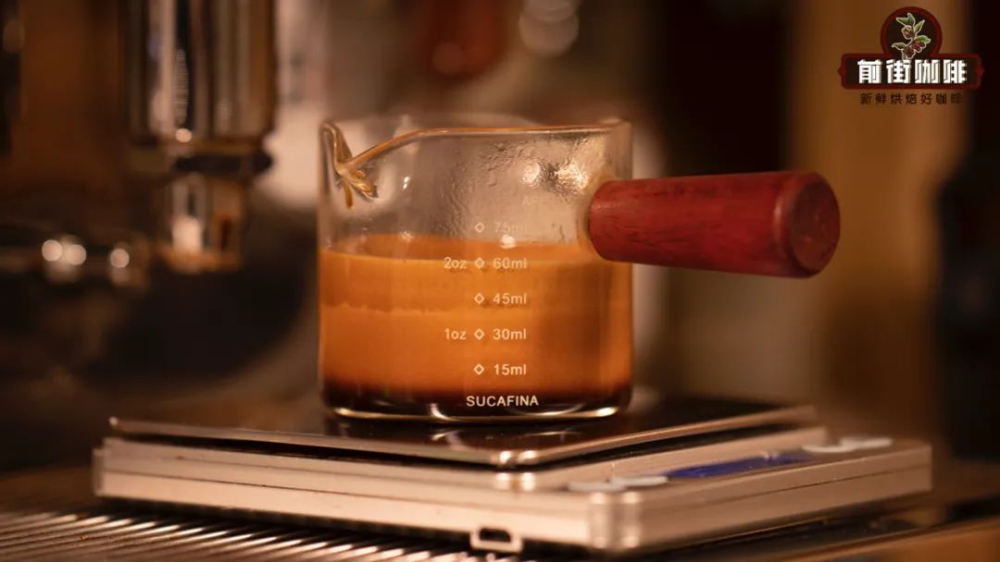
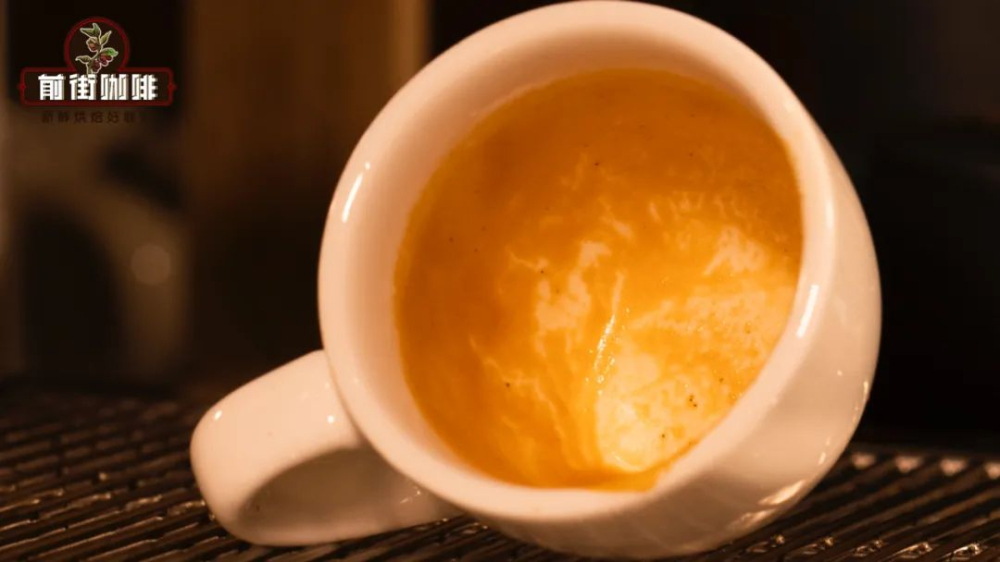
"Tiger stripes" refers to surface patterns that resemble a tiger's markings, with pronounced contrast between light and dark. Applied to espresso, the principle is the same: rather than a simple golden gradient, the surface of the shot develops darker brown stripes running through the crema. Because the look so closely recalls a tiger's coat, people fondly dubbed it "tiger stripe espresso."
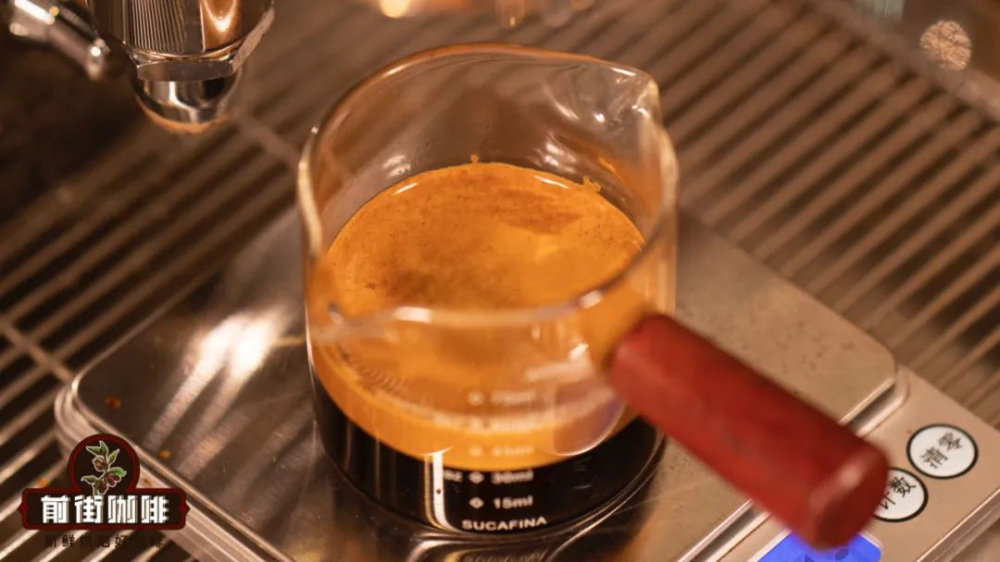
How Tiger Stripes Form
Many brewers find that their tiger stripes appear out of nowhere, with no warning. Had this happened in a pre-internet era, striped espresso might well have picked up a mystical reputation. With information flowing as freely as it does today, though, the phenomenon is easily explained—so the aura of mystery quickly falls away. So how do the stripes actually form?
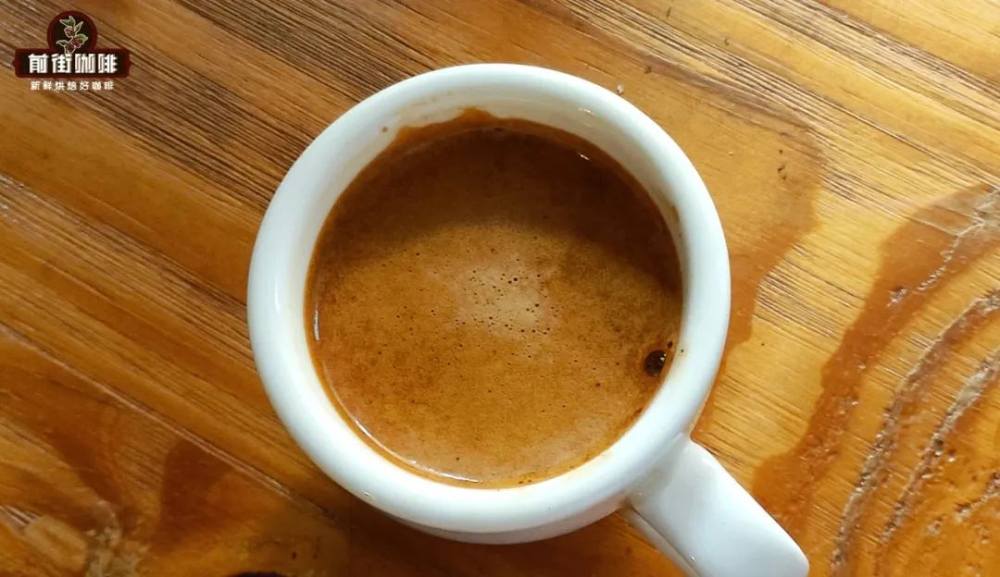
It is really quite simple. As mentioned above, a normally extracted crema is not uniformly gold or yellow but a golden gradient. The explanation for both that gradient and the tiger stripes lies in what crema is made of.
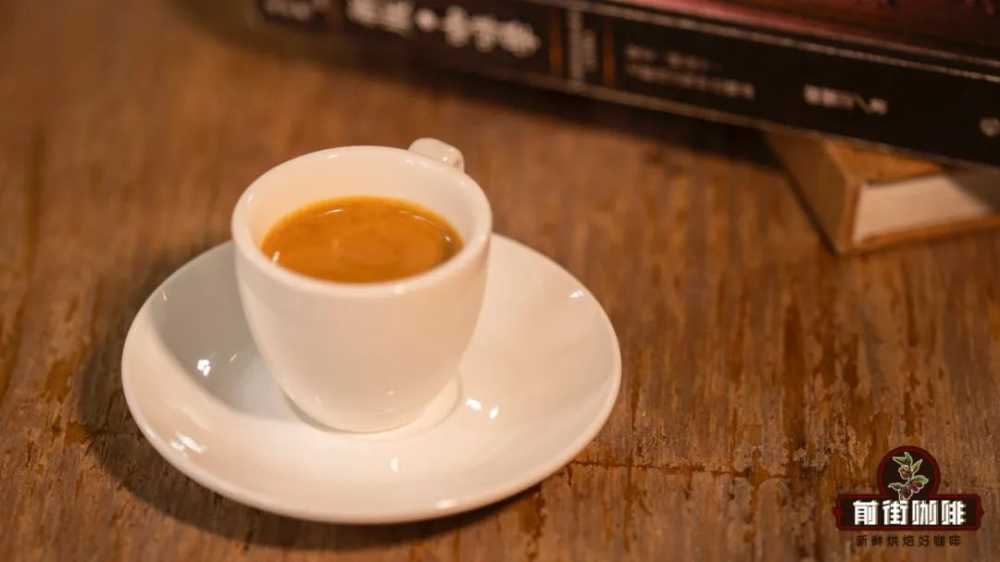
Crema is created when high pressure forces carbon dioxide and aromatic compounds out of the coffee, whipping them into foam. But along with those substances, the extremely fine particles generated during grinding also end up in the cup. Those fines are the culprits behind the color variation in the crema—and behind the bitterness.
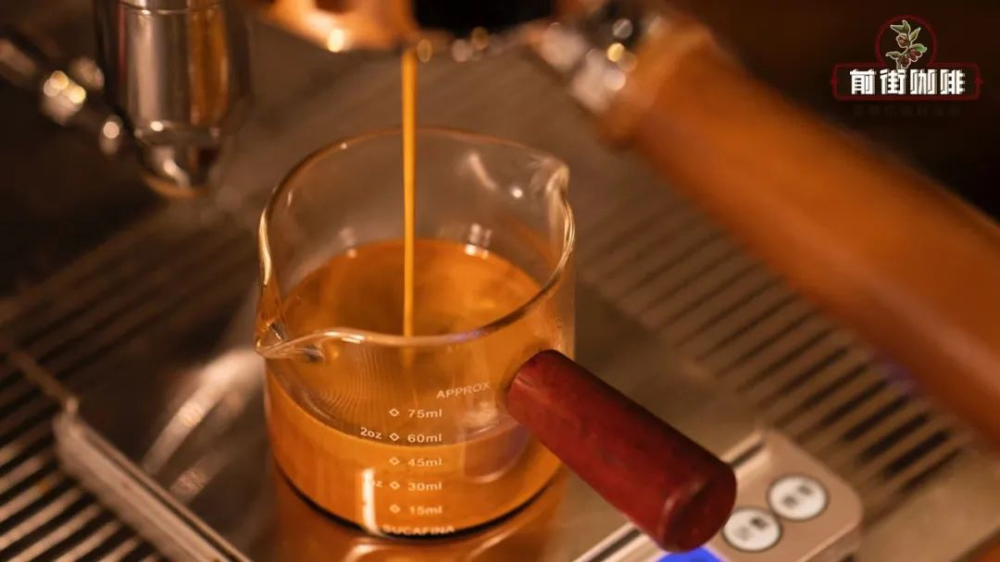
When the grind is too fine and fines are abundant, dark stripes appear across the crema precisely because of that excess. The tiger stripes on espresso, in other words, are fines—visible proof of an ultra-fine grind.
Does Tiger Stripe Espresso Really Taste Better?
Strictly speaking, the two cannot be compared head-to-head, because each has its own strengths. Beyond adding color, fines also deepen bitterness, and bitterness adds weight to a coffee. Tiger-striped espresso, carrying more fines, therefore naturally has more body than a regular shot. (A note of caution: this is largely a visual enhancement.) But fines bring downsides too: they intensify bitterness and add a noticeable grittiness, so the clarity of the espresso drops a notch. You can verify this yourself by looking at the bottom of the cup after finishing the shot—it will hold more fine-particle residue than a regular espresso would.
Conclusion
To sum up: judged purely on body, tiger-striped espresso does have the edge over a regular shot; judged on clarity, the clean shot without stripes wins. Neither is objectively "better"—pick the one that matches what you want in the cup.

FrontStreet Coffee Recommendation
Looking for espresso beans that produce gorgeous crema and a classic Italian-style cup? Three picks from the FrontStreet Coffee lineup:
FrontStreet Classic Blend — Designed specifically for espresso and the moka pot, its standout strength is exceptional crema: even a beginner on a non-professional home machine can pull dense, velvety foam with ease. Built on the traditional Mandheling-and-Brazil formula, it is mellow and rounded—equally welcoming to seasoned drinkers and newcomers, and the first choice for home or cafe use.
FrontStreet Commercial Blend — Before the Dark Cocoa Blend launched, this was the workhorse blend for cafe owners. Priced below FrontStreet Coffee's Premium Blends, it forgoes maximum crema but has been tuned for good flavor at controlled cost—a long-time favorite for commercial settings of every kind.
FrontStreet Brazil Fazenda Rainha SOE — Low acidity, a soft palate, and a friendly price have made Brazilian coffee a first pick for specialty espresso. This single-origin option uses the distinctive Yellow Bourbon variety with a gently sweet character; roasted medium-dark and pulled on an espresso machine, it sings with butter-cookie, macadamia, and toasted-bread notes.
Important Notice :
FrontStreet Coffee is a long-established specialty coffee roaster in Guangzhou China, selling freshly roasted beans from its own farm in Yunnan as well as dozens of carefully selected single-origin beans from around the world for both pour-over and espresso. The products deliver consistently excellent quality and great value, with shipping within 24 hours. Guangzhou's FrontStreet Coffee shop is recommended by many coffee lovers, and the beans are now available online at the Tmall 。
FrontStreet Coffee has moved to a new address:
FrontStreet Coffee Address: 315,Donghua East Road,GuangZhou
Tel:020 38364473
 Scan and follow the En Gafei WeChat official account. Please indicate that the reprint comes from "En Gafei".

