
Panama Coffee Beans | Introduction to Boquete Region's La Esmeralda Green Label Washed Geisha
Panama Coffee Beans: An Introduction to Hacienda La Esmeralda's Green Label Washed Geisha from Boquete
The Legend of Geisha Coffee
Any serious conversation about coffee eventually reaches Geisha. In 2004, Hacienda La Esmeralda entered the Geisha variety in the Best of Panama (BOP) competition and auction, and the results — both the scores and the auction prices — made the estate and the variety famous almost overnight. Geisha has remained one of the most sought-after varieties in the world ever since, setting records at auction after auction, Panama above all.
Coffee Growing Regions
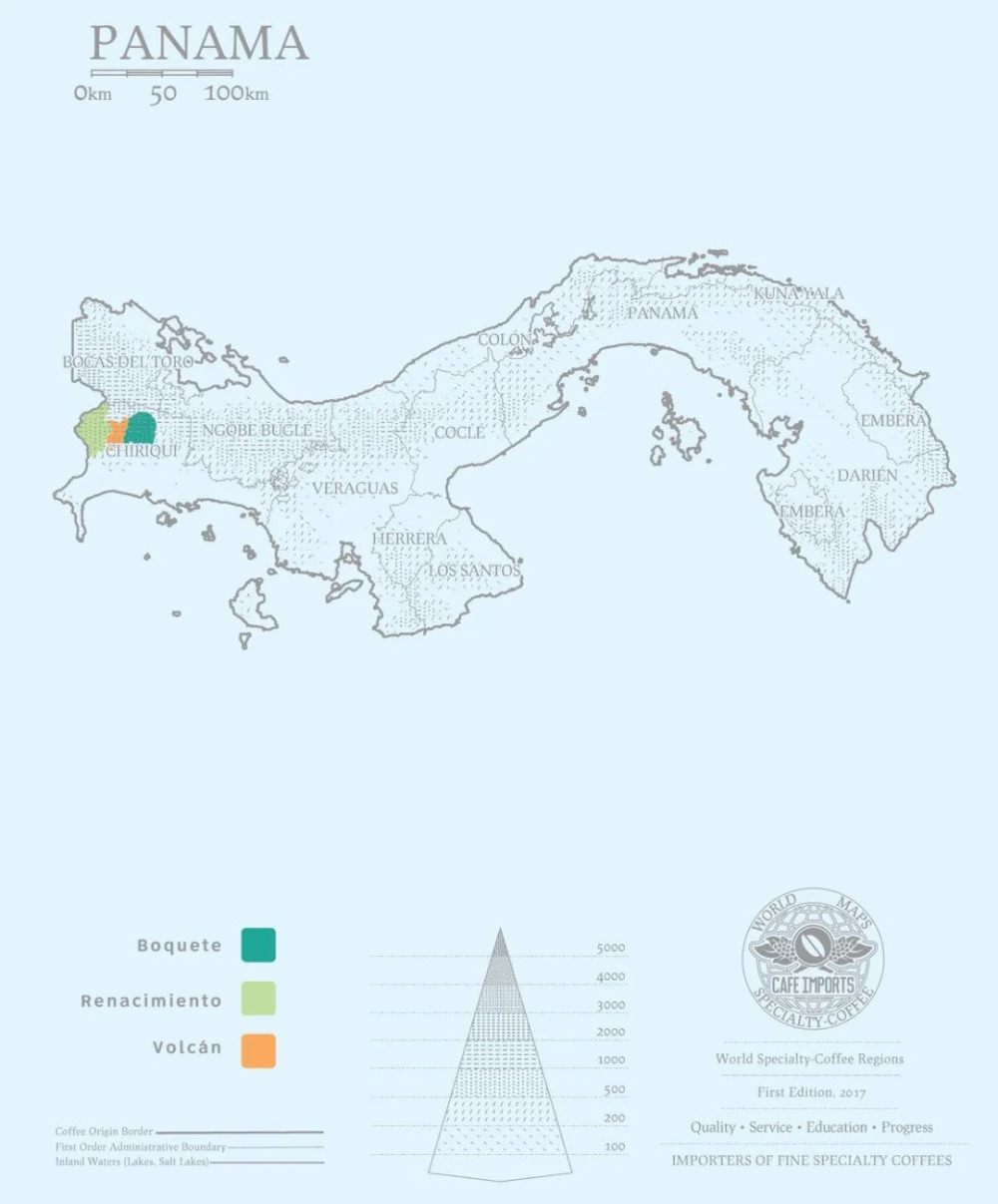
Panama's main coffee regions are Boquete, Volcán-Candela, and Renacimiento. All three sit around the country's three volcanoes: Volcán Barú, El Valle, and La Yeguada. Hacienda La Esmeralda lies in the Barú Volcano range within Boquete, at elevations between 1400 and 1700 meters, where altitude and a distinctive topography create its own microclimate. Boquete is, quite simply, the region that made Hacienda La Esmeralda's name.
Hacienda La Esmeralda
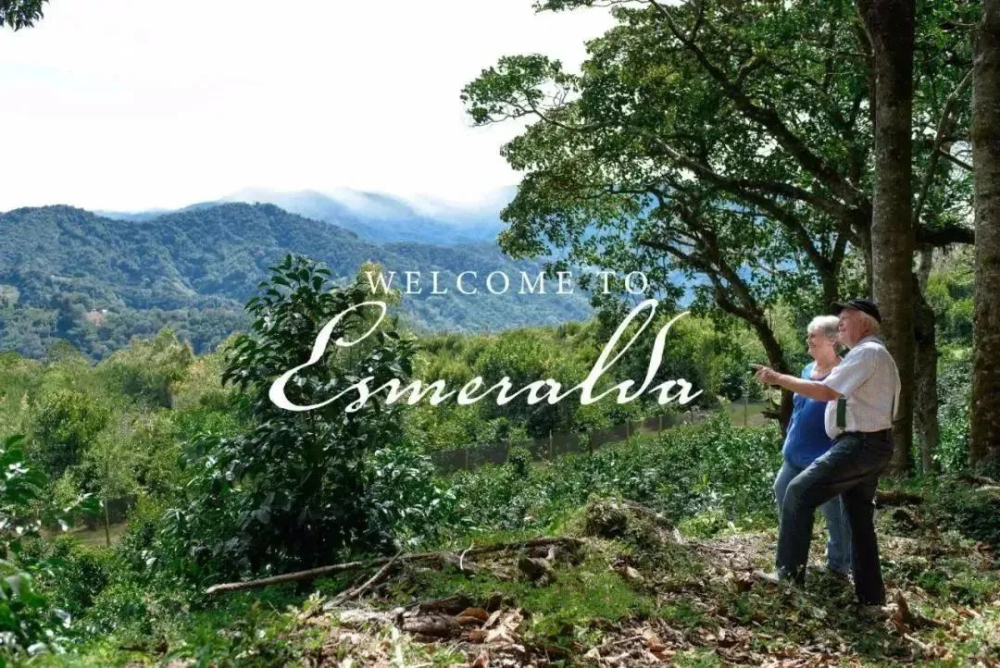
The Panama Canal was built by the United States and for a time controlled exclusively by it. The canal drew American elites southward in the late 20th century, and Hacienda La Esmeralda is a product of that era. In 1964, the American banker Rudolph A. Peterson retired, moved to Panama, and bought Hacienda La Esmeralda in Boquete. He later placed it in the hands of his son and grandchildren. Through their improvements to cultivation techniques and standards, their research into how the local microclimate affects planting, harvesting, and processing, and their investment in advanced processing machinery, the estate advanced considerably. By dividing it into distinct lots and harvest batches and cupping each separately, they identified the Geisha variety and rode it to fame at the BOP competition.
Where Geisha Came From
Geisha was first collected from coffee forests in Ethiopia in the 1930s, sent to the Lyamungu research station in Tanzania, and then brought to CATIE in Costa Rica in 1953. From there it was distributed to Panama for cultivation in the 1960s.
How the Estate Is Divided
Hacienda La Esmeralda now comprises four farms: Cañas Verdes, El Velo, Palmira, and Jaramillo. Three of them — Jaramillo, Cañas Verdes, and El Velo — grow Geisha, and each is divided further into smaller lots.
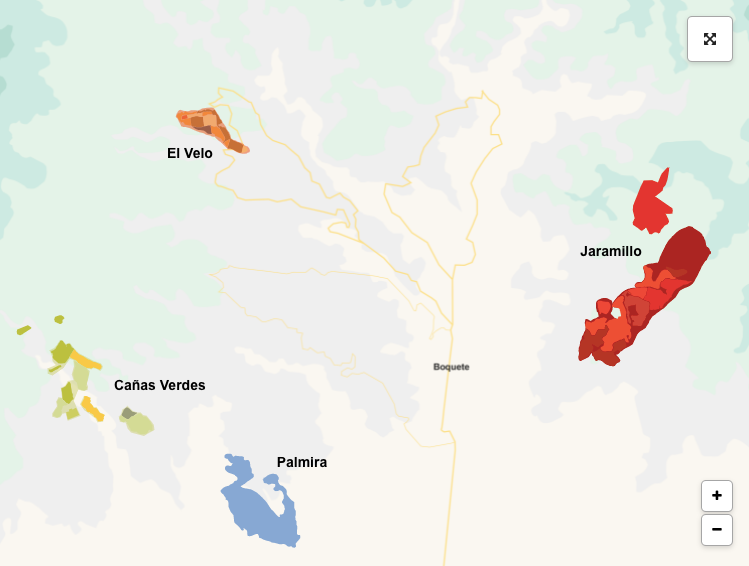
Jaramillo is where Geisha was discovered, named after the Jaramillo mountain range in Boquete. Today the whole Jaramillo area is split into seven lots for Red Label production: Mario, Noria, Reina, Bosque, Buenos Aires, Caballeriza, and Manantial.
Cañas Verdes sits on the eastern slopes of Barú Volcano, with elevations ranging from 1500 to 2050 meters — a wide span. Its Geisha lots are Lino, Coronado, Fundador, León, Montaña, Trapiche, Jacinta, Cabaña, Tumaco, Nido, and Colga, eleven in total.
El Velo was acquired in 2012 and has the highest average elevation of the four. Besides Geisha it grows Laurina, Pacamara, Mocha, and SL28 for long-term development and research. It is currently divided into seven detailed lots: Guabo, Portón, Durazno, Mural, Higo, Buena Vista, and Águila.
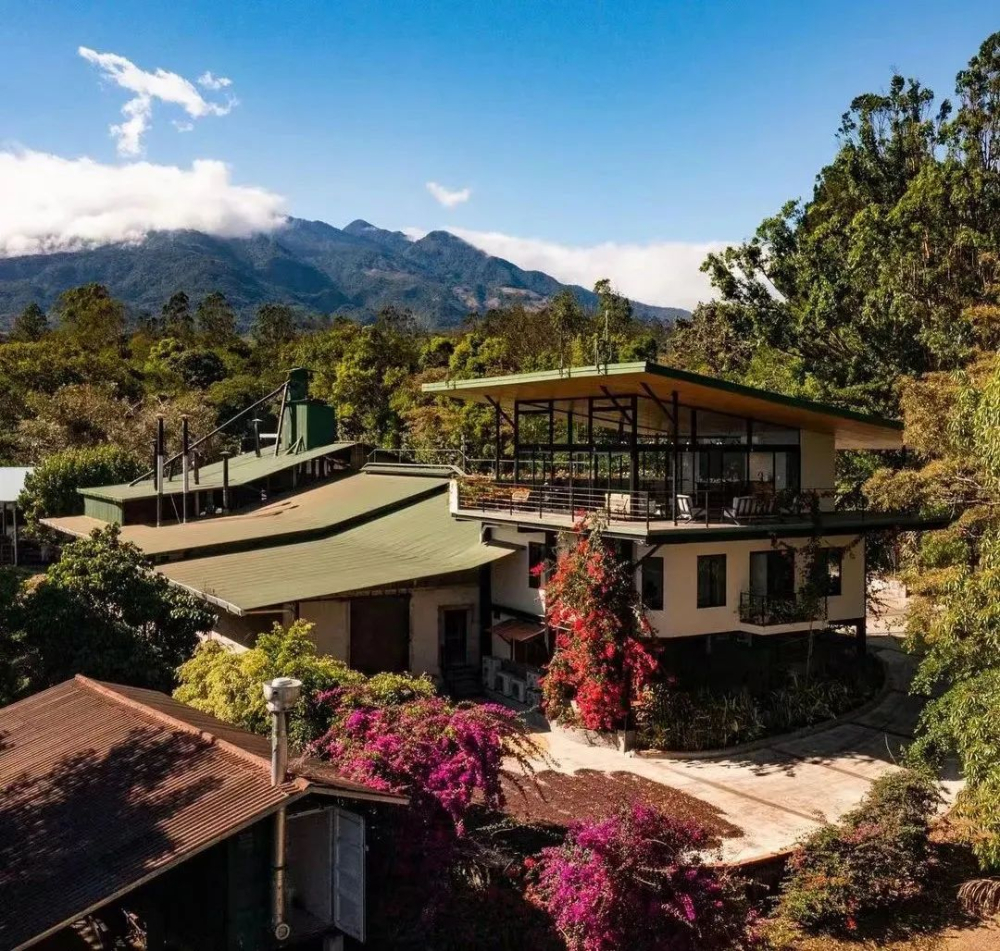
Palmira lies at a lower altitude and is planted mainly with Catuaí. The farm covers 30 hectares and serves as Hacienda La Esmeralda's office area and its green-bean processing plant.
Geisha Brand Classification
Hacienda La Esmeralda's Geisha reaches the market under three brands: Esmeralda Auction, Esmeralda Special, and Private Collection.
Esmeralda Auction covers the auction lots — the estate's highest-tier batches. These can only be bought through the Best of Panama (BOP) green-bean competition and the estate's own independent auctions, and they command premium prices.
Esmeralda Special, also known as the Red Label, is the highest-grade Geisha outside the auction lots. Every batch cups at no less than 91 points, is grown between 1600 and 1800 meters, and comes with extremely detailed traceability information. FrontStreet Coffee has acquired a Red Label batch from the Trapiche lot of the Cañas Verdes farm.

Private Collection, also known as the Green Label, consists of high-quality Geisha batches that do not enter the auction. The Green Label is harvested between 1600 and 1800 meters and blends Geisha from different lots across the three farms.

FrontStreet Coffee Panama Hacienda La Esmeralda Green Label Batch Coffee Beans
Region: Boquete
Estate/Processing Plant: Hacienda La Esmeralda
Altitude: 1600-1800 meters
Variety: Geisha
Processing Method: Washed
Flavor: Jasmine, ginger flower, sweet orange, lemon, honey
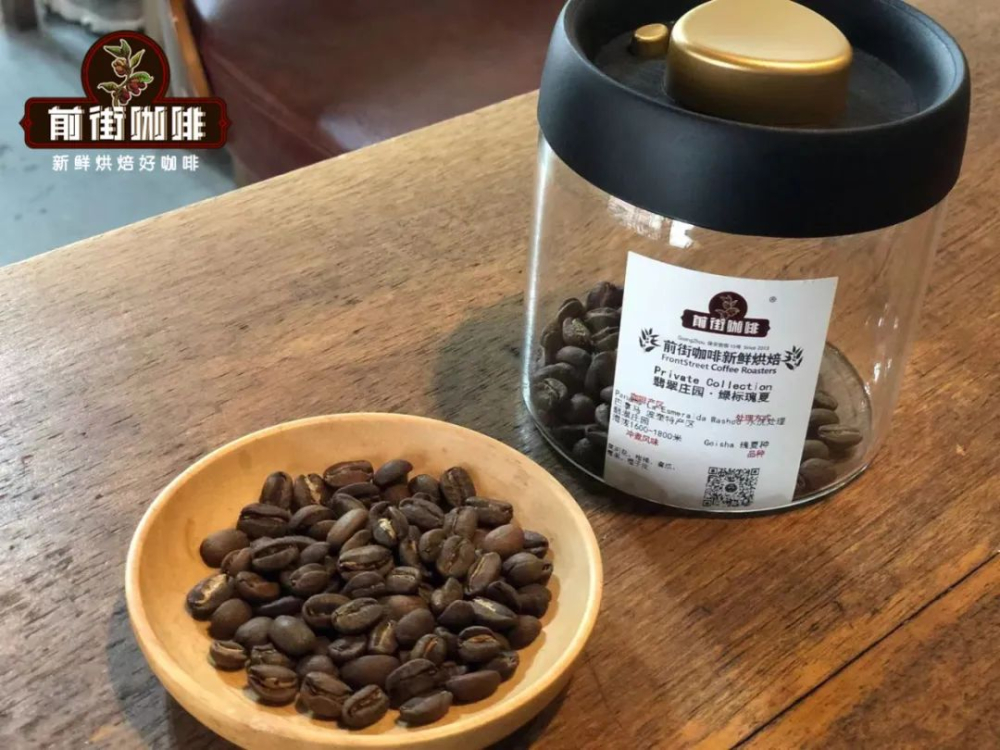
FrontStreet Coffee Recommendation
FrontStreet Coffee carries this Hacienda La Esmeralda Green Label Geisha, washed and given a medium-light roast. Brew it with a V60 at a 1:15 ratio and 92°C water. You will notice jasmine on the nose; in the cup, sweet orange, citrus, lemon, and fruit tea unfold, with a mouthfeel as clean and smooth as honey and a persistent sweet aftertaste.
If you want to taste the classic Panama profile at a friendlier price, start with FrontStreet Boquete Geisha, an entry-level Geisha that still delivers the orange-blossom honey charm of high-quality Panama Geisha, along with an oolong tea sensation, delicate fruit acidity, and clearly layered structure.
For espresso, try FrontStreet Grana Estate Geisha SOE from Ethiopia. Roasted medium, it keeps Geisha's floral-fruit character and adds ripe dried-fruit sweetness plus the white-flower and lemon-bright acidity typical of Ethiopian coffee; pulled as espresso it turns into dried apricot, caramel, and nuts.
And if you want a Geisha-style experience that works for pour-over, moka pot, espresso machine, and cold brew alike, FrontStreet Strawberry Candy blends a Costa Rican honey-process coffee with Panama Geisha for delicate florals and sweet fruit at everyday value.
Important Notice :
FrontStreet Coffee is a long-established specialty coffee roaster in Guangzhou China, selling freshly roasted beans from its own farm in Yunnan as well as dozens of carefully selected single-origin beans from around the world for both pour-over and espresso. The products deliver consistently excellent quality and great value, with shipping within 24 hours. Guangzhou's FrontStreet Coffee shop is recommended by many coffee lovers, and the beans are now available online at the Tmall 。
FrontStreet Coffee has moved to a new address:
FrontStreet Coffee Address: 315,Donghua East Road,GuangZhou
Tel:020 38364473
 Scan and follow the En Gafei WeChat official account. Please indicate that the reprint comes from "En Gafei".

