
Kenyan Coffee Beans | Introduction to SL28, SL34 Varieties from Thika Region Assalia K72 Coffee Beans
When it comes to coffee, it is cultivated in multiple countries across various continents worldwide. Africa, however, can be said to be the most crucial component of coffee, as it not only hosts Ethiopia, the universally recognized birthplace of coffee, but also has many other countries that cultivate coffee, such as Kenya, Rwanda, Tanzania, and others. Among these, Kenya stands out as one of Africa's most renowned coffee-producing regions.
Kenyan Coffee
Kenya is located in eastern Africa, with the equator running through its central region and the Great Rift Valley stretching from north to south. Most of its territory consists of plateaus at an average elevation of 1,500 meters, with Mount Kenya in the central highlands reaching an impressive altitude of 5,199 meters. Kenya experiences diverse climates, with the entire territory situated in the tropical monsoon zone. The coastal areas are hot and humid, while the plateau regions enjoy a temperate climate, with average annual temperatures ranging from 12 to 26°C. Due to its position along the equator and its mountainous terrain with volcanic soil, these climate and environmental conditions have nurtured Kenya's specialty coffee.
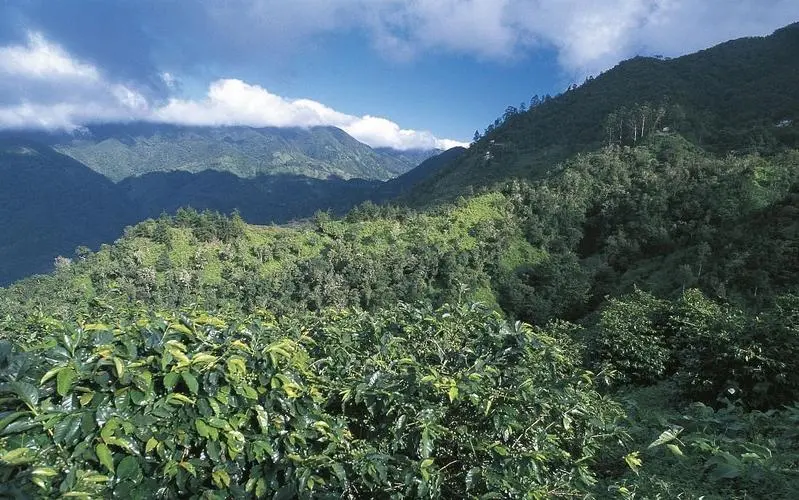
Thika/Asali Processing Station
Kenya has numerous coffee-producing regions, primarily concentrated in the southwestern part of the country. These include Bungoma, Embu, Kiambu, Kirinyaga, Kisii, Machakos, Meru, Mt. Elgon, Murang'a, Nakuru, Nyeri, Thika, Taita Taveta, and Trans-Nzoia - totaling 14 regions. Among these, Nyeri, Kirinyaga, Murang'a, Kiribwe, and Thika are the most famous.
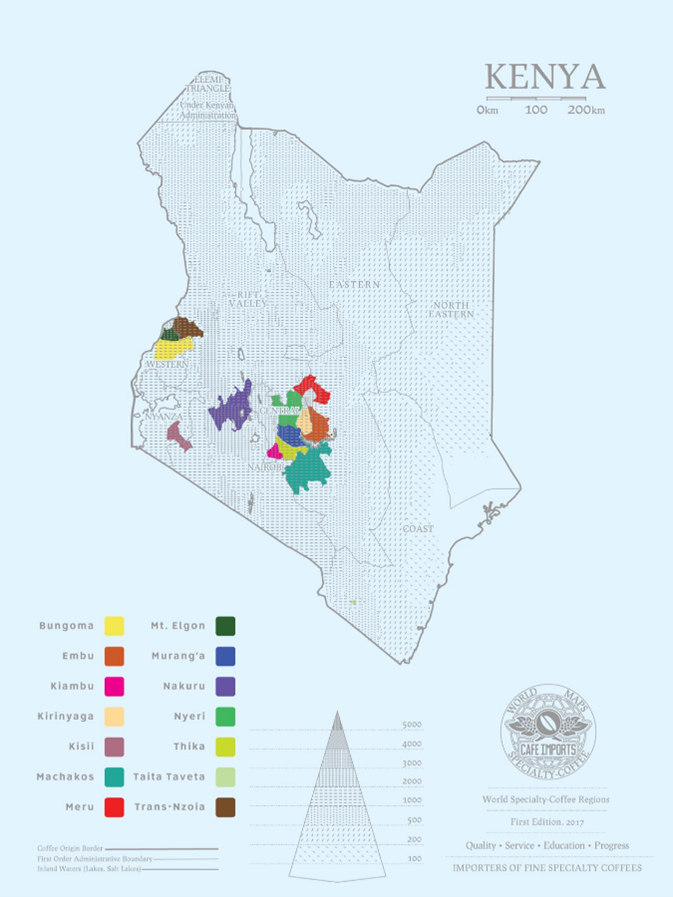
Thika is a small town located near Kenya's capital, Nairobi. There are many coffee fields around Nairobi, and although Thika is an industrial town, it is surrounded by agriculture and waterfalls. The Thika region has approximately 2,000 farmers. Currently, the area primarily cultivates SL28, SL34, Riuri 11, and Bourbon varieties. In the Thika region, there are notable processing stations, such as the Asali Processing Station. In Swahili, Kenya's official language, "Asali" means honey. This processing station is located in the Thika region of Kenya's Aberdare Mountains and Great Rift Valley, primarily focusing on washed processing.
SL34 & SL28
SL28 and SL34: These two varieties were selected in the late 1930s when the Kenyan government commissioned the former Scott Agricultural Laboratories (now the National Agricultural Laboratories) to select 42 varieties for research on their yield, quality, drought resistance, and disease resistance. SL stands for Scott Laboratories, and SL34 and SL28 were among these selected varieties. Ultimately, it was discovered that both varieties had excellent quality and flavor profiles but were susceptible to coffee diseases.
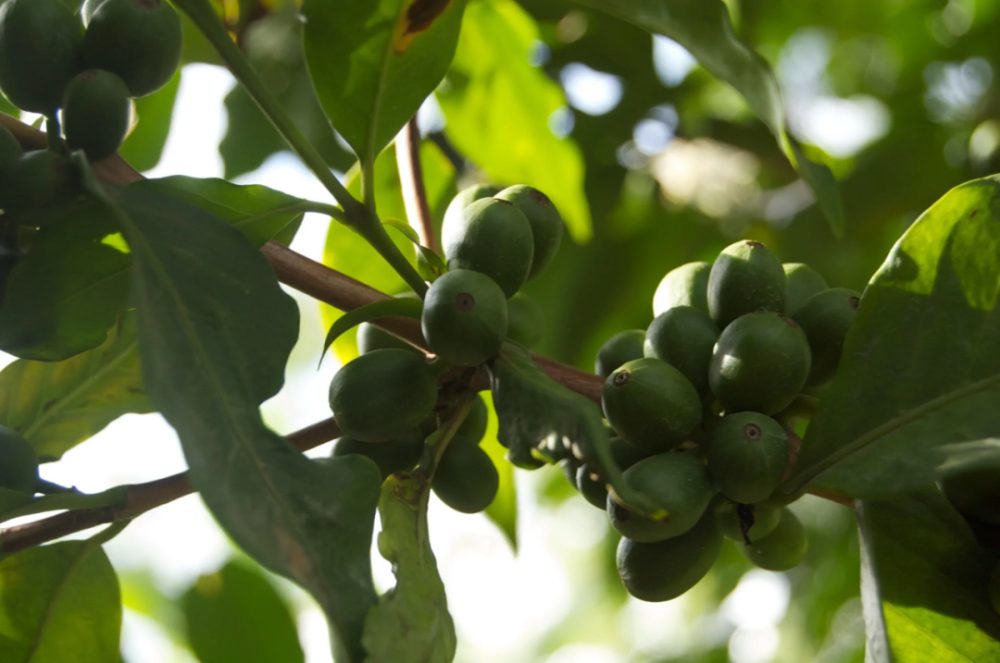
Genetic testing has revealed that SL28 originates from the Bourbon variety, while SL34 derives from the Typica variety. However, these two varieties share similar flavor profiles, featuring complex and varied acidity with excellent sweetness in the aftertaste. In terms of mouthfeel, SL28 is heavier, more intense, and has higher clarity.
K72 Washed Processing
In terms of processing methods, Kenyan coffee primarily uses washed processing, but Kenya's washed processing is quite distinctive. After harvesting the fruits, coffee farmers first select high-quality fruits, which are then pulped and placed in washing tanks for 24 hours of soaking and fermentation. After completion, they are thoroughly cleaned to remove some mucilage, the water is changed, and they undergo another 24 hours of fermentation. This process is repeated three times, totaling 72 hours, before finally being dried. Therefore, this processing method is called Kenyan 72-hour fermentation washed processing, abbreviated as K72. Using this processing method allows coffee beans to ferment for an extended period at low temperatures, resulting in brighter acidity and a cleaner mouthfeel.
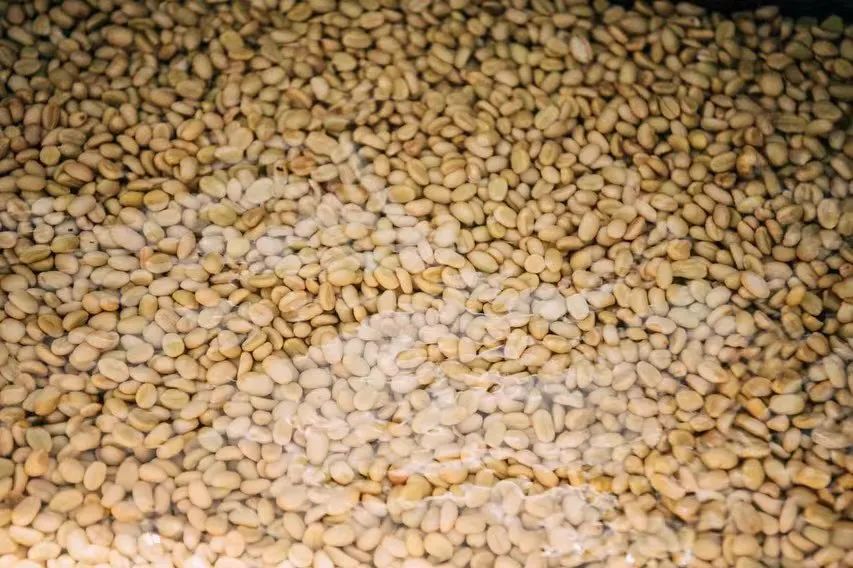
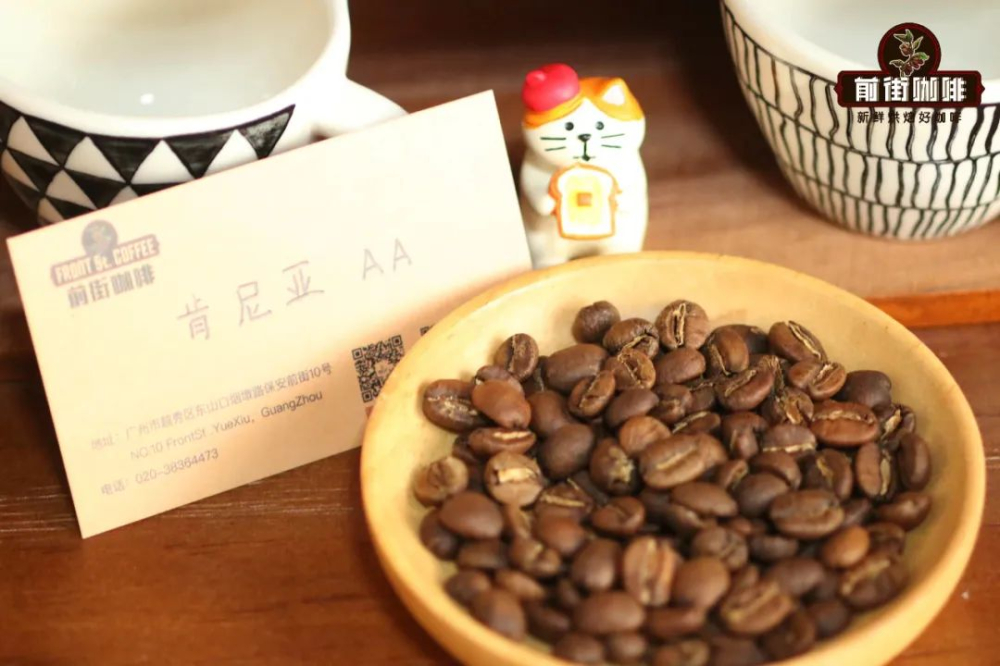
FrontStreet Coffee Kenya Asali AA TOP Coffee Beans
Region: Thika Region
Estate/Processing Station: Asali Processing Station
Altitude: 1,550-1,750 meters
Varieties: SL28, SL34
Processing Method: K72 Washed Processing
Flavor Notes: Cherry tomatoes, black plums, berries, citrus, green tea
FrontStreet Coffee's Kenya Asali coffee beans use K72 washed processing and are lightly to medium-roasted. FrontStreet Coffee uses V60 with a 1:15 ratio at 92°C for brewing. The aroma reveals mature tomatoes and floral notes. Upon tasting, you'll experience cherry tomato and black plum flavors, with bright acidity, prominent sweetness, a juicy sensation, and a clean mouthfeel.
FrontStreet Coffee is a long-established specialty coffee roaster in Guangzhou China, selling freshly roasted beans from its own farm in Yunnan as well as dozens of carefully selected single-origin beans from around the world for both pour-over and espresso. The products deliver consistently excellent quality and great value, with shipping within 24 hours. Guangzhou’s FrontStreet Coffee shop is recommended by many coffee lovers, and the beans are now available online at the Tmall 。
Important Notice :
前街咖啡 FrontStreet Coffee has moved to new addredd:
FrontStreet Coffee Address: 315,Donghua East Road,GuangZhou
Tel:020 38364473

- Prev
Single Origin, Blends, SOE? Which Beans Make the Best Milk-Based Espresso? How to Make Latte Coffee?
As one of the most popular coffee varieties, latte is not only the highest-selling product in countless coffee shops but also the first espresso experience for many enthusiasts at home. Regarding latte preparation, FrontStreet Coffee often receives various questions, with 'how to choose coffee beans' being the most frequently asked. In this article, FrontStreet Coffee will teach everyone how
- Next
How is Drip Bag Coffee Made? How Long Can It Last? What is the Resting Period for Coffee Beans?
When it comes to the most time-consuming product at FrontStreet Coffee's store, it would be the drip bags. Customers who have purchased drip bags at our store know this well - each order takes a little extra time as FrontStreet Coffee grinds and prepares them fresh. So the question arises: why does FrontStreet Coffee make such an "inefficient" decision? If it were like
Related
- How to make bubble ice American so that it will not spill over? Share 5 tips for making bubbly coffee! How to make cold extract sparkling coffee? Do I have to add espresso to bubbly coffee?
- Can a mocha pot make lattes? How to mix the ratio of milk and coffee in a mocha pot? How to make Australian white coffee in a mocha pot? How to make mocha pot milk coffee the strongest?
- How long is the best time to brew hand-brewed coffee? What should I do after 2 minutes of making coffee by hand and not filtering it? How long is it normal to brew coffee by hand?
- 30 years ago, public toilets were renovated into coffee shops?! Multiple responses: The store will not open
- Well-known tea brands have been exposed to the closure of many stores?!
- Cold Brew, Iced Drip, Iced Americano, Iced Japanese Coffee: Do You Really Understand the Difference?
- Differences Between Cold Drip and Cold Brew Coffee: Cold Drip vs Americano, and Iced Coffee Varieties Introduction
- Cold Brew Coffee Preparation Methods, Extraction Ratios, Flavor Characteristics, and Coffee Bean Recommendations
- The Unique Characteristics of Cold Brew Coffee Flavor Is Cold Brew Better Than Hot Coffee What Are the Differences
- The Difference Between Cold Drip and Cold Brew Coffee Is Cold Drip True Black Coffee