
Single Origin, Blends, SOE? Which Beans Make the Best Milk-Based Espresso? How to Make Latte Coffee?
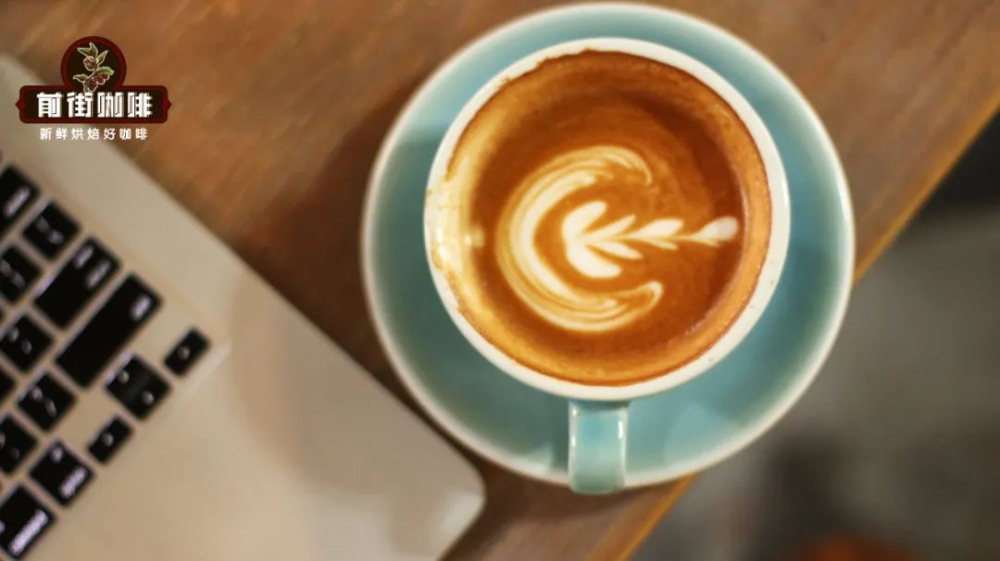
As one of the most widely loved coffee drinks, the latte is the top seller in countless cafés and, for many enthusiasts, the first espresso beverage they try to recreate at home. FrontStreet Coffee gets all kinds of questions about making lattes, and the one that comes up most often is how to choose the beans. This article will show you how to pick coffee beans that suit your own taste.
What Is a Latte?
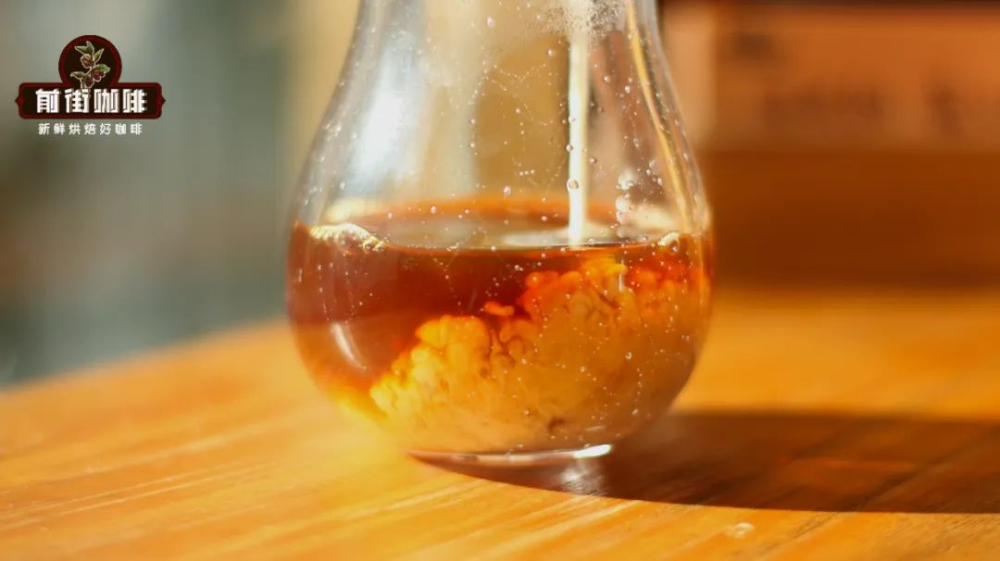
Latte comes from the Italian caffè latte, meaning "milk coffee." In the broadest sense, any black coffee with milk added can be called a latte. So beyond the specialty-shop definition of espresso plus milk, newcomers also count moka pot, French press, pour-over, siphon, and drip-bag coffee as "lattes" once milk goes in.
The habit comes down to one thing: people find plain black coffee too bitter and want to soften it with milk, adding a touch of sweetness along the way. When making this kind of milk-added coffee at home, drinkers are not bound by strict steps and rarely fuss over ratios, temperature, or milk frothing. If you like the result, that is enough. That also leaves plenty of room when choosing beans. If you enjoy this style of milk coffee but struggle with bean selection, see FrontStreet Coffee's earlier article, "How to Make Homemade Pour-Over Milk Coffee Taste Better?"
Espresso Beans vs. Pour-Over Beans
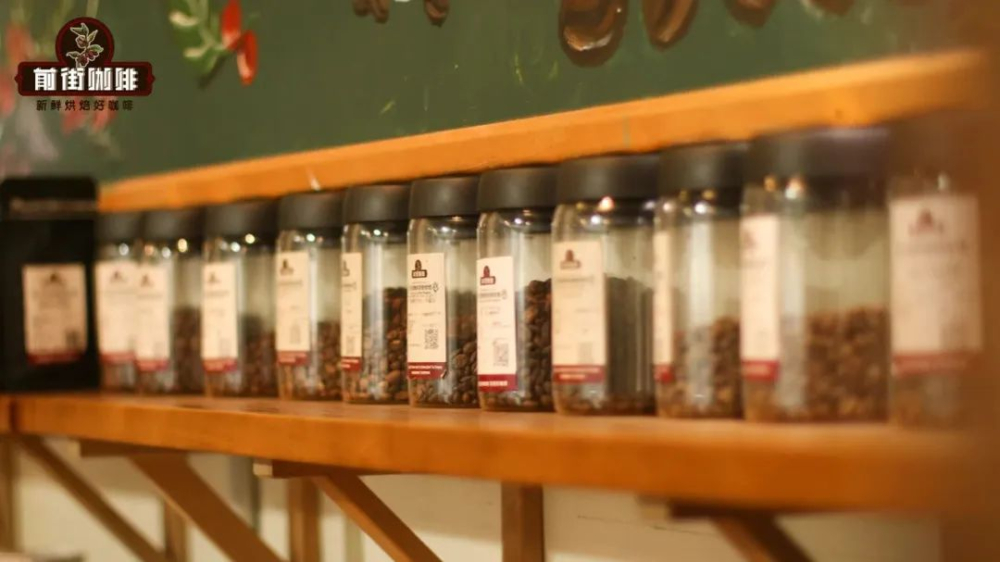
If, on the other hand, you have had a rich, aromatic espresso latte at a café and want to reproduce it at home, your search keyword should be "espresso beans" — products designed for espresso machines and grinders.
Look at the market and you will see that coffee beans broadly fall into two camps: espresso beans and pour-over beans. The reason is straightforward: espresso and pour-over are the two most mainstream extraction methods today. Before buying, then, decide how you plan to make your "milk coffee," then choose according to taste.
Roast Profiles and Extraction Methods
None of this means that espresso beans cannot be brewed as pour-over, or that pour-over beans cannot go into an espresso machine. It means that the beans merchants sell are roasted to curves (roast levels) designed for particular extraction methods, so they perform best under matching brewing conditions.
A simple example: on FrontStreet Coffee's Ethiopian menu there are two Konga lots. One is built for pour-over, so it emphasizes bright citrus and lemon acidity and takes a light roast. The other is tuned for pressure methods such as espresso machines and French presses, so its SOE shows both fruit acidity and caramelized aroma, and its roast curve is set to medium.
Recommendations for Different Preferences
From a practical standpoint, FrontStreet Coffee suggests that beginners lean toward a stable espresso blend. Blends typically combine flavor profiles from several origins and are roasted medium to dark, which makes it easier to pull a rich crema — and beans with plenty of crema are the better match for milk drinks. The result is a thick, full-bodied espresso with a wide margin for error. Blend beans are also mostly sold for café production, so they usually cost less than single-origin beans of a comparable flavor profile — a genuinely economical, high-value choice. For anyone without much brewing experience, an espresso blend is clearly the easier path to a delicious latte.
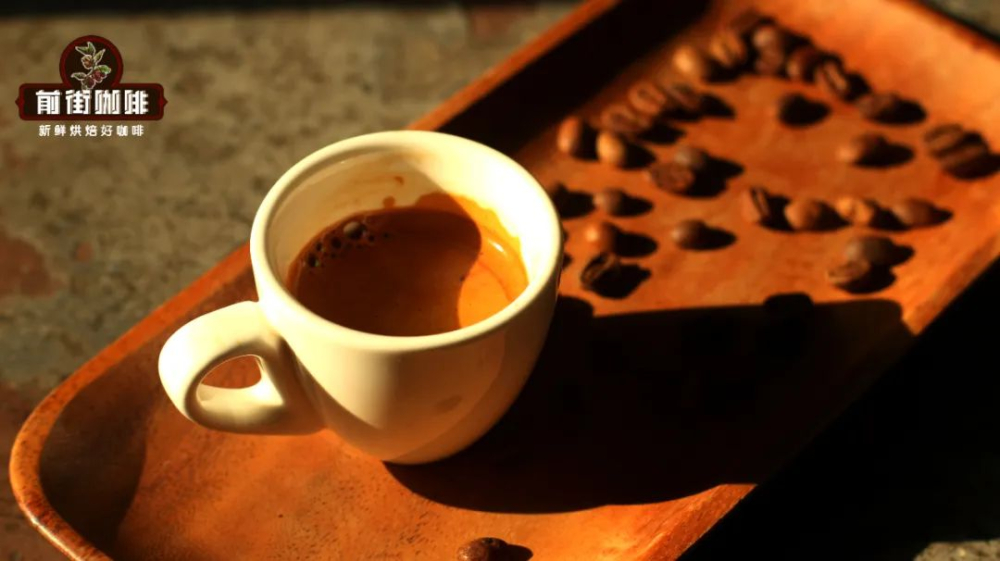
That said, most blends on the market lean dark and taste fairly uniform, yielding espresso dominated by caramelized notes such as dark chocolate, cream, and nuts. Meanwhile, a newer generation of drinkers, shaped by the idea of single-origin coffee, is less interested in stable extraction and thick crema than in distinctive flavors — florals, fruit acidity, fermentation. They have moved their latte bean shopping toward the single-origin shelf, hunting for lightly roasted beans with bigger flavors and clearer aromatics: what everyone now calls SOE.

The Challenge of Light-Roast Espresso
When we pull espresso from lighter-roasted beans, the shorter roast leaves the bean's internal structure harder, so flavors release less readily. Add milk and the drink turns even more bland and hollow. To compensate, we have to raise the extraction rate — extending the shot time, increasing water temperature, grinding finer, or dosing higher. The difficulty is far greater than with dark-roasted beans.
So if you also prefer an SOE latte, FrontStreet Coffee recommends a medium roast or a flavor-forward single origin (fruity, wine-like). That avoids the harsh, aggressive cup that comes from roasting far too light.
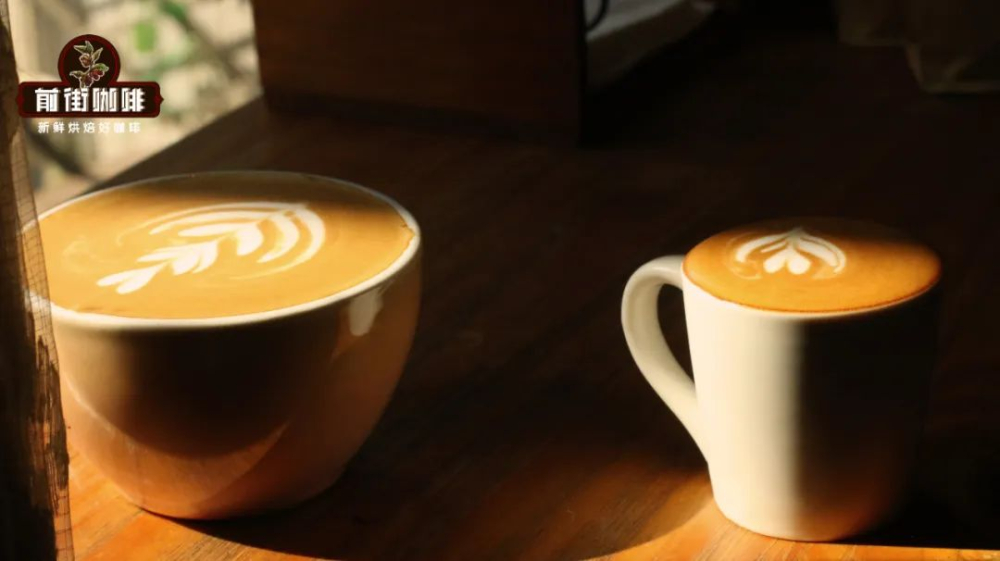
What SOE Lattes Can Taste Like
For example, when FrontStreet Coffee pulls SOE milk coffee from sun-dried Guji beans, the cup shows passion fruit, honeyed orange, and cream. Made with Costa Rica Strawberry Sugar processed by the raisin honey method, the latte carries a clear orange fragrance with preserved fruit and rose petal aromas. And with anaerobically sun-processed Santa Veneza beans, the resulting SOE latte actually shows blueberry, dried mango, and fermented fruit.
FrontStreet Coffee Recommendation
For a milk drink that is easy to nail, start with FrontStreet Classic Blend. It was designed specifically for espresso and moka pot use, and its standout strength is crema: even a beginner on a modest home machine can pull a dense, fine layer of it. The recipe follows the traditional Mamba blend, giving a rounded, warming body that veterans and first-timers alike will accept, and it works just as well at home as it does behind a counter.
If you want to keep costs down without giving up body, FrontStreet Dark Cocoa Blend is a solid alternative. It is 100 percent Arabica, with plenty of crema, a mellow mouthfeel, and a friendly price — a good balance of quality and value for anyone opening a shop or simply drinking a latte every day.
Important Notice :
FrontStreet Coffee is a long-established specialty coffee roaster in Guangzhou China, selling freshly roasted beans from its own farm in Yunnan as well as dozens of carefully selected single-origin beans from around the world for both pour-over and espresso. The products deliver consistently excellent quality and great value, with shipping within 24 hours. Guangzhou's FrontStreet Coffee shop is recommended by many coffee lovers, and the beans are now available online at the Tmall 。
FrontStreet Coffee has moved to a new address:
FrontStreet Coffee Address: 315,Donghua East Road,GuangZhou
Tel:020 38364473
 Scan and follow the En Gafei WeChat official account. Please indicate that the reprint comes from "En Gafei".

