
How to Extract Juicy Qualities in Pour-Over Coffee? What is Juiciness? How to Adjust the Extraction Framework?
In many FrontStreet Coffee articles, the tempting descriptor "juicy sensation" appears again and again. Readers are curious: "Shouldn't coffee flavors be more concrete? What does juicy sensation even mean?"
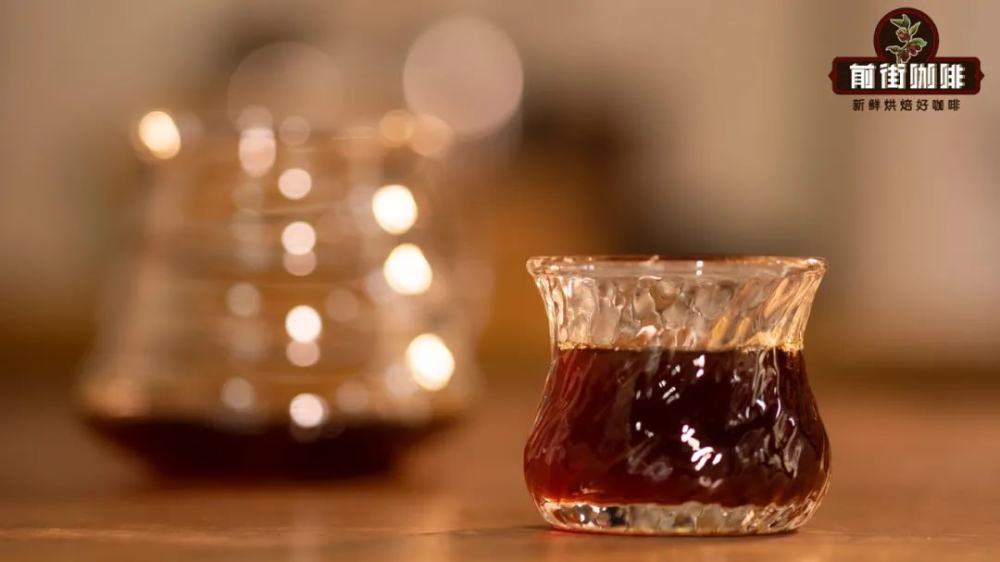
What does juiciness taste like? It isn't only about flavor and aroma—it includes mouthfeel too. Yes, it's a dual descriptor: the cup carries fruit-like sweet-and-sour flavors, and because the body is higher, the weight of the liquid in the mouth comes remarkably close to the fullness of actual juice. Put together, it's like sipping fruit juice.
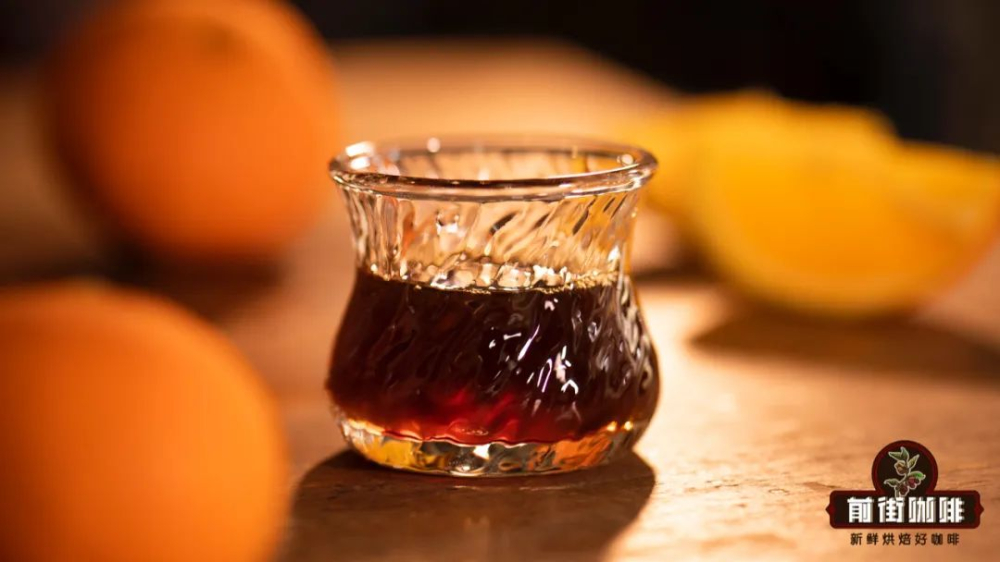
Sounds tempting, doesn't it? So today's topic is: how to brew coffee with a full juicy sensation at home.
How to Brew Coffee with Juicy Sensation
Not every bean can produce juiciness. Even the most skilled chef can't cook without ingredients—you can't expect a dark-roasted bean stripped of sweet and sour flavors to deliver juice-like character. Bean selection matters. (If you already have beans, skip to the brewing section.)
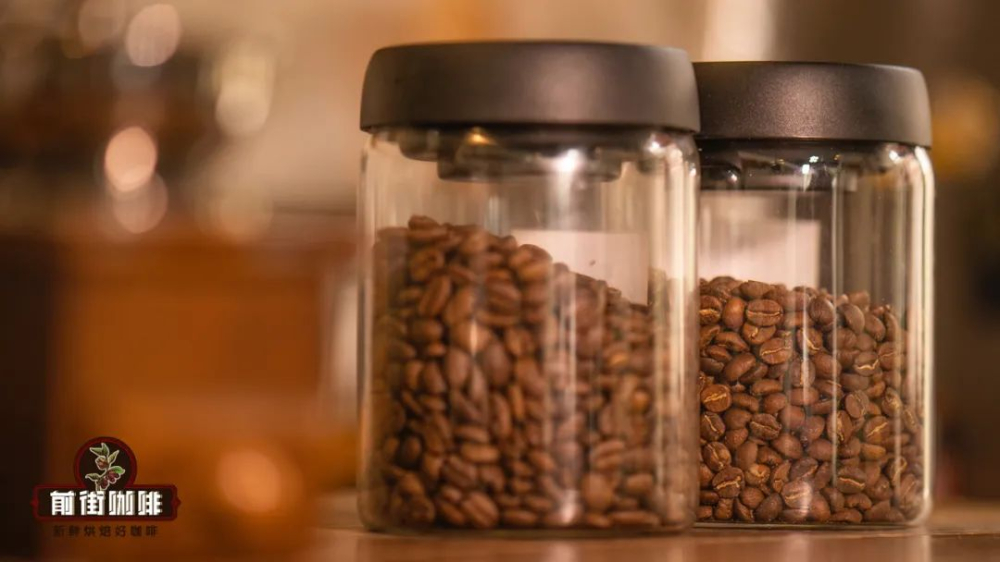
Filter your choices through two factors. First, roast level: as noted, dark roasts can't get there. Dark-roasted beans undergo more reactions during roasting, and their acidic compounds are completely spent—they have no acidity left. Coffee's fruit flavors are built mainly on acidic substances, high or low. Remove those building blocks and a full, juicy cup is impossible. So the first choice is light-to-medium roasts.
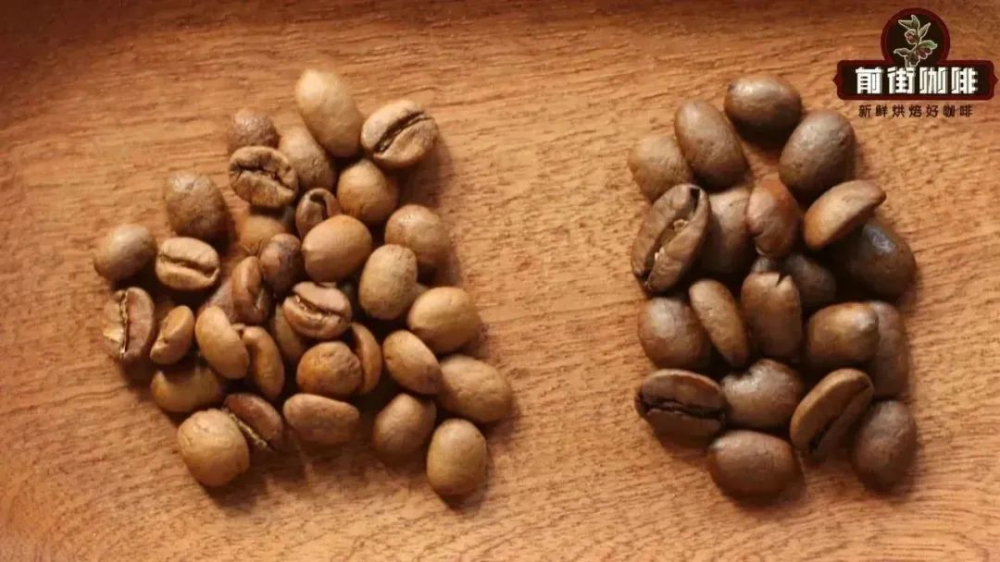
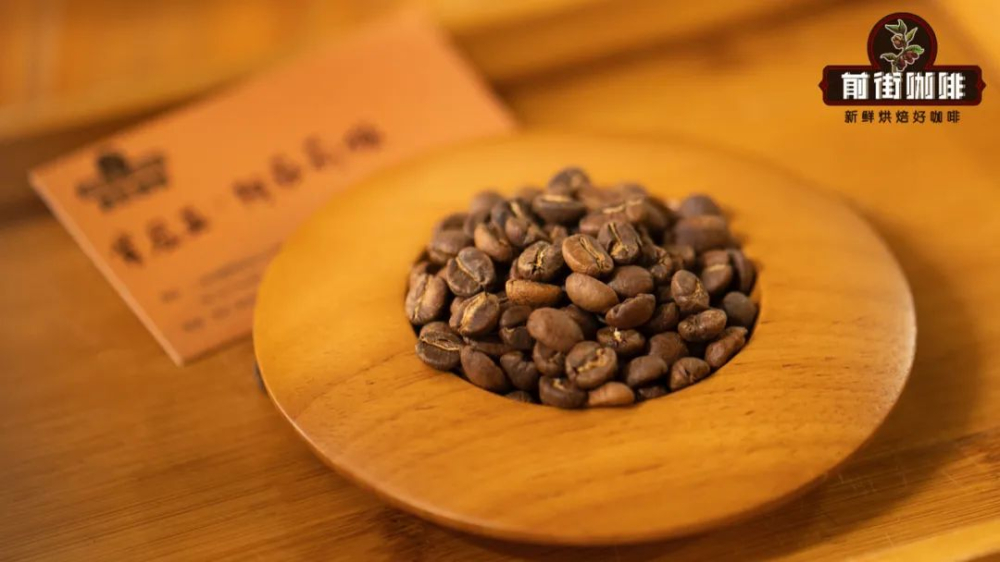
Second, processing. Washed processing gives coffee more acidity: during fermentation the sugars in the green beans convert into abundant organic acids—and washed converts more than other methods. So washed beans are better suited to brewing a juicy cup. (Naturals can work too, but washed fits better.) Combining both criteria, the bean FrontStreet Coffee uses for today's experiment is Kenya Asali. Kenyan coffee is world-famous for its sweet-tart plum and cherry tomato character; the region's volcanic soil supplies plenty of acidic nutrients, and the extra-long washed process makes it a perfect fit. (Feel free to use other beans—this is just today's demo!)
Understanding Coffee Extraction
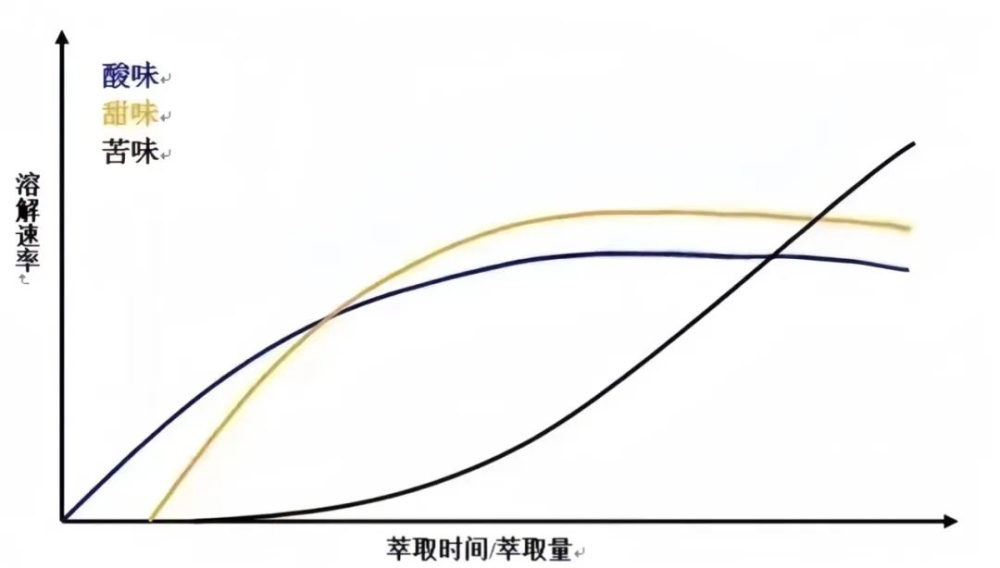
A popular theory online says that sourness, sweetness, and bitterness extract in sequence. That's not quite right. All three release simultaneously—only their quantities differ by stage. Acids release first in large amounts, then sweet compounds, and finally, when sour and sweet are largely spent, the water can mainly pull bitterness—so people conclude bitterness comes last. In reality, bitter substances release throughout the whole process, just in small amounts, easily masked early on by the flood of acids and sweets.
Brewing Method
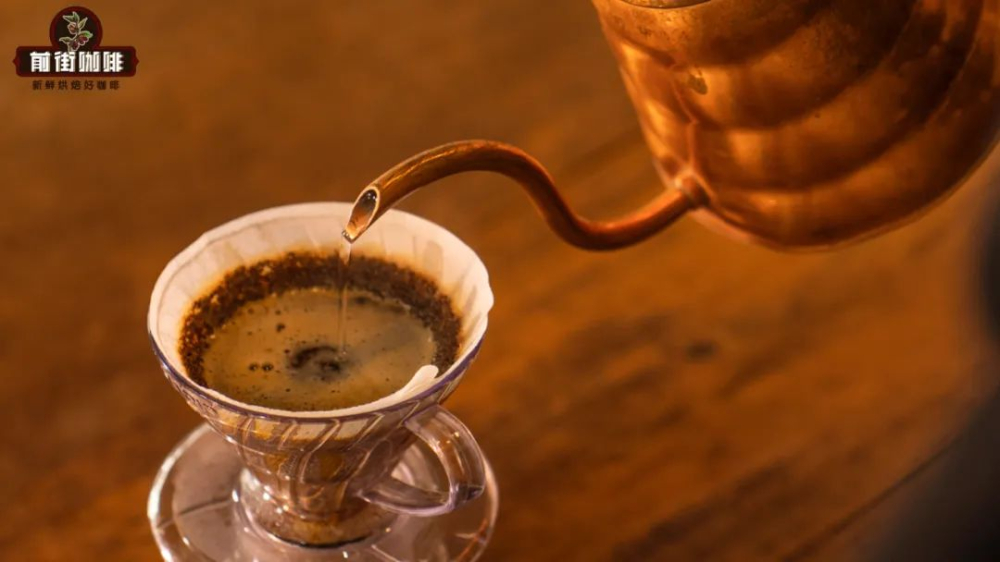
The strategy, then, is simple: shorten the extraction time to limit bitterness and spotlight the sweet and sour, then raise concentration to replace the body that bitterness would have provided. Our method: tighten the coffee-to-water ratio for higher concentration and layered body, use a three-stage pour for complexity, and pour with a high water flow to shorten extraction.
Dose: 16g
Coffee-to-water ratio: 1:14 (224ml hot water)
Brewing temperature: 92°C
Grind setting: EK43 setting 10, with 75% pass-through on a #20 sieve
Brewing method: three-stage pour, high water flow throughout
Water distribution: first stage 30ml, second stage 130ml, third stage 64ml
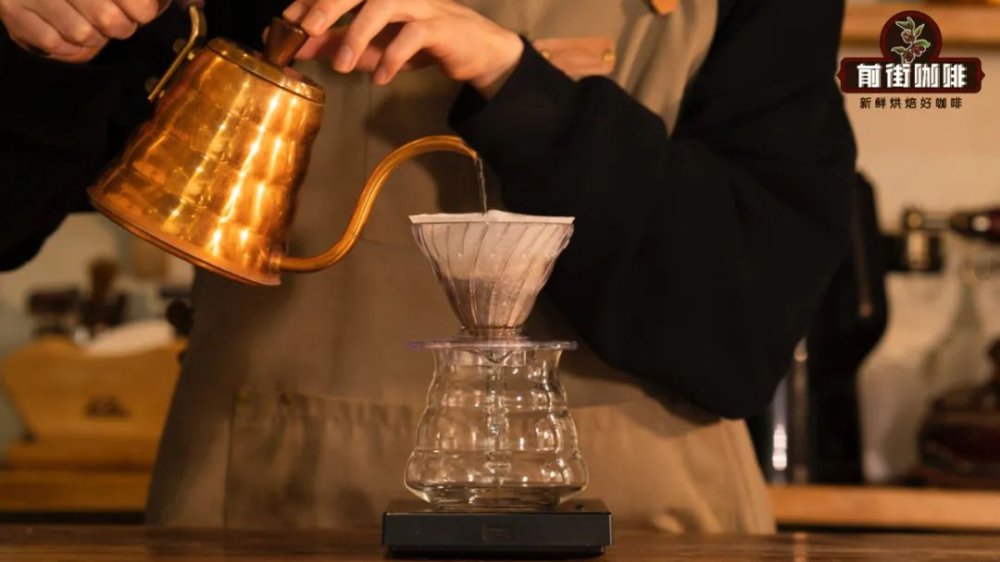
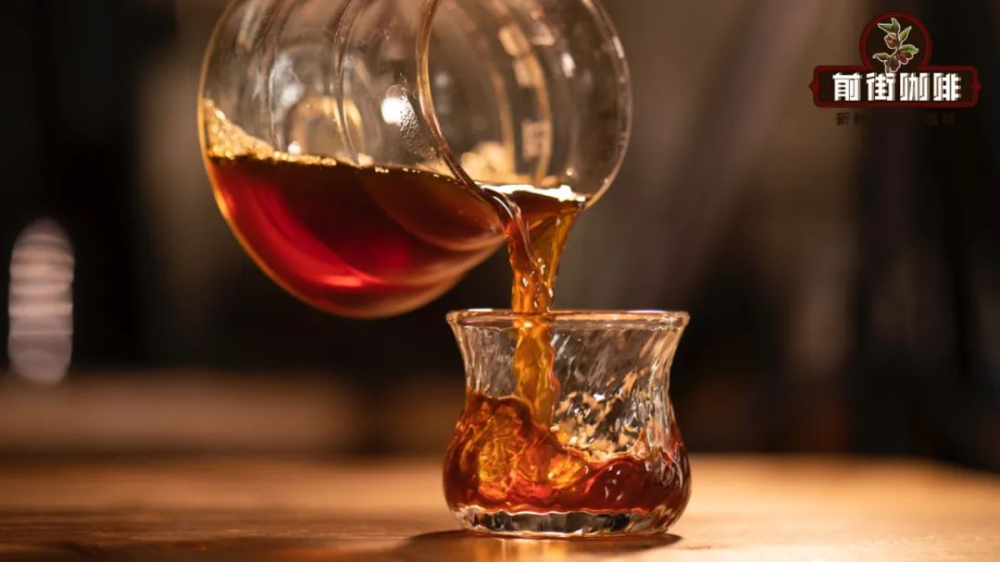
Bloom first with twice the coffee weight and let it sit 30 seconds. After the bloom, pour 130ml of hot water in large circles with a high flow (above 7ml/s) and let it drain. When the water level nears the bed, pour the remaining 64ml in small circles. Total time: 2 minutes—a deviation of about 5 seconds is normal. Take a sip and it's like biting into a cherry tomato bursting with juice: an incredibly full juiciness with distinct plum and caramel flavors. Absolutely delicious.
It looks complex, but once you understand the extraction principles, you can brew any style of coffee you want from theory alone. Give it a try.
- END -
FrontStreet Coffee
No. 10, Bao'an Qianjie, Yandun Road, Dongshankou, Yuexiu District, Guangzhou, Guangdong Province

FrontStreet Coffee Recommendation
Chasing juiciness starts with the right bean. The FrontStreet Kenya Cherry Tomato—from the Thika region, grown at 1,550–1,750 meters on SL28 and SL34, and processed with Kenya's signature 72-hour double-washed (K72) fermentation—is the archetype: bright cherry tomato and dried plum acidity, a full fruit-juice body, mid-palate sweetness of snow pear and black plum, and a clean, long finish of yellow sugar and green tea. Light-roasted to preserve its lively acidity and layered fruit, it's the natural pick for a juicy pour-over.
If you want juicy but gentler, the washed FrontStreet Chelbesa (Guodingding) Yirgacheffe delivers bright citrus and berry character with jasmine florals and a green-tea-like sweet finish—its acidity soft and fruity rather than sharp, and famously easy for newcomers to enjoy. And for maximum tropical punch, the FrontStreet Ethiopia Huakui (Flower Witch) offers strawberry, passion fruit, jackfruit, and lychee aromas with deep sweetness, almost no bitterness, and a smooth, juice-filled sip—the perfect brew for anyone convinced they "don't like sour coffee" until they taste fruit done right.
Important Notice :
FrontStreet Coffee is a long-established specialty coffee roaster in Guangzhou China, selling freshly roasted beans from its own farm in Yunnan as well as dozens of carefully selected single-origin beans from around the world for both pour-over and espresso. The products deliver consistently excellent quality and great value, with shipping within 24 hours. Guangzhou's FrontStreet Coffee shop is recommended by many coffee lovers, and the beans are now available online at the Tmall 。
FrontStreet Coffee has moved to a new address:
FrontStreet Coffee Address: 315,Donghua East Road,GuangZhou
Tel:020 38364473
 Scan and follow the En Gafei WeChat official account. Please indicate that the reprint comes from "En Gafei".

