
Why does hand-drip coffee bloom like a hamburger that rises and then collapses? Is this normal?

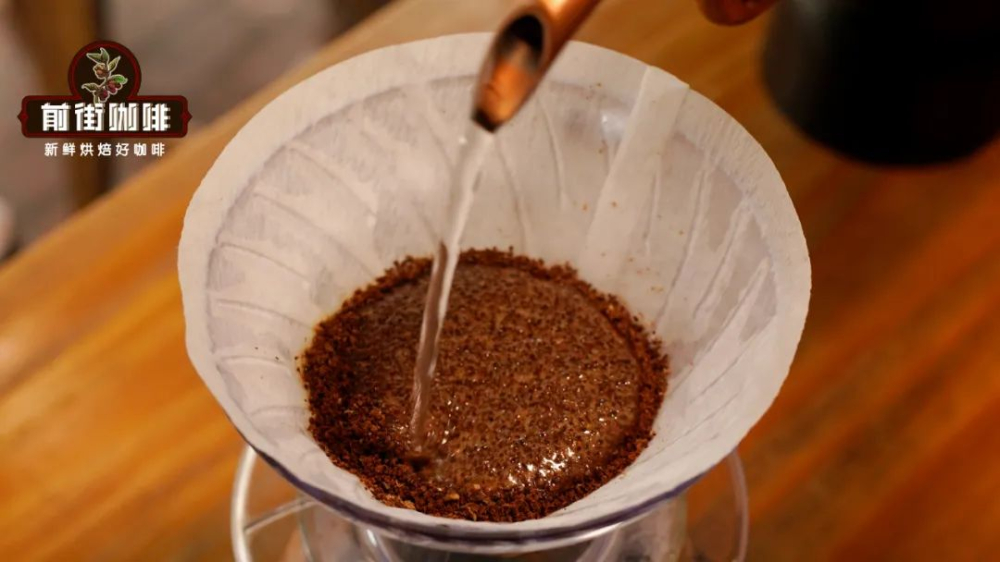
Blooming - moistening the grounds with a small amount of water and waiting some tens of seconds - doubles as a freshness test. When the grounds puff up into a fluffy, even "dome," the beans are still fresh and tasting good. If they barely rise, or sink outright, the beans have likely been stored too long, and the cup will probably taste mediocre.
The Third Scenario: Blooming Collapse
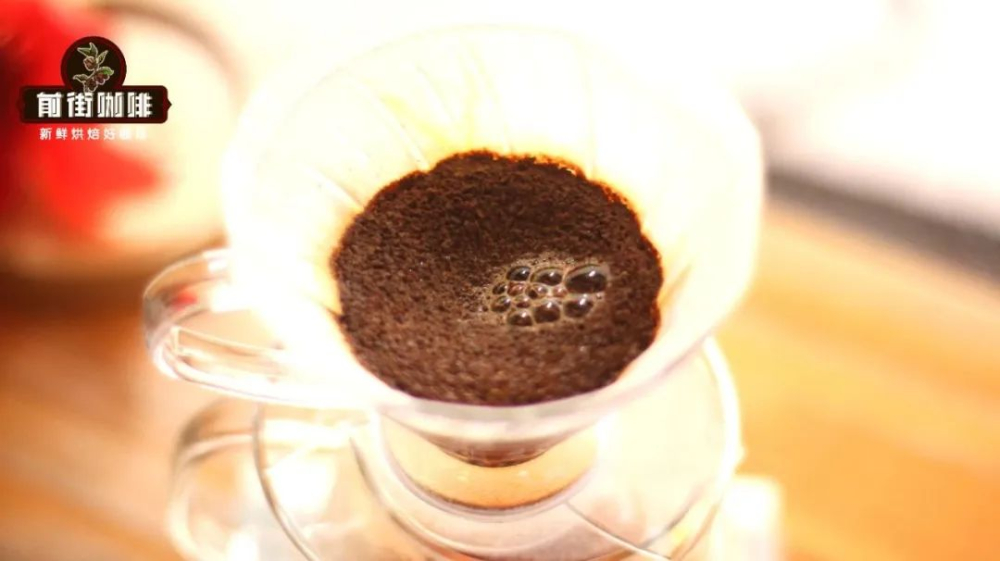
Beyond those two outcomes, careful brewers have reported a third to FrontStreet Coffee: after the bloom pour, the grounds bubble up briefly, then immediately collapse, the bed sinking in an instant. Is that normal?
Why Do Grounds Expand and Then Fall?
The dome forms because moistened particles interlock while gases escape, pushing the whole bed upward into a loose but stable degassing structure.
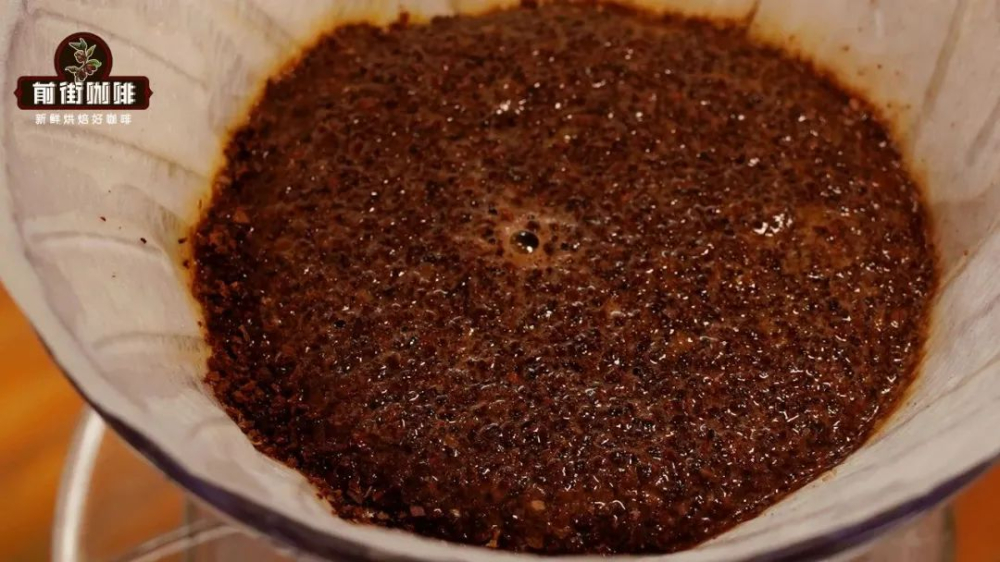
When something disrupts that structure - when gaps that can't bond appear in parts of the dome - the gases lose their support and the bed collapses. But since the grounds did expand when wet, they clearly still held gas, so we can rule out stale beans; fully degassed coffee shows little to no rise at all, and its flavor is greatly diminished.
So what causes "expansion, then instant collapse"? Based on FrontStreet Coffee's brewing experience, three culprits stand out.
Excessive Water Amount
Under normal conditions, coffee grounds absorb roughly twice their weight in water. That's why bloom water is always twice the dose: 15g of coffee takes 30g of water. But newcomers still learning flow control sometimes over-pour. With light-roast beans that absorb water less readily, not only does more bloom liquid drip into the server, the extra weight can physically press the dome down.
Take FrontStreet Coffee's usual 15g dose with a Yirgacheffe: a thin circular stream, 30g of water from the center outward, moistens every particle evenly and leaves the dome stable even at 30 seconds. Pour 45g or more for the bloom instead, and the water level climbs, more liquid drains into the server, and once it finishes dripping, the risen hamburger-shaped dome shows a noticeable contraction.
Grounds Too Coarse
A good cup depends on an even, moderate grind. For beginners, FrontStreet Coffee suggests eyeballing a sugar-grain coarseness first, then fine-tuning based on whether total brew time lands near 2 minutes. Better still, use a #20 standard sieve (0.85mm openings) and aim for a 70-80% pass rate.
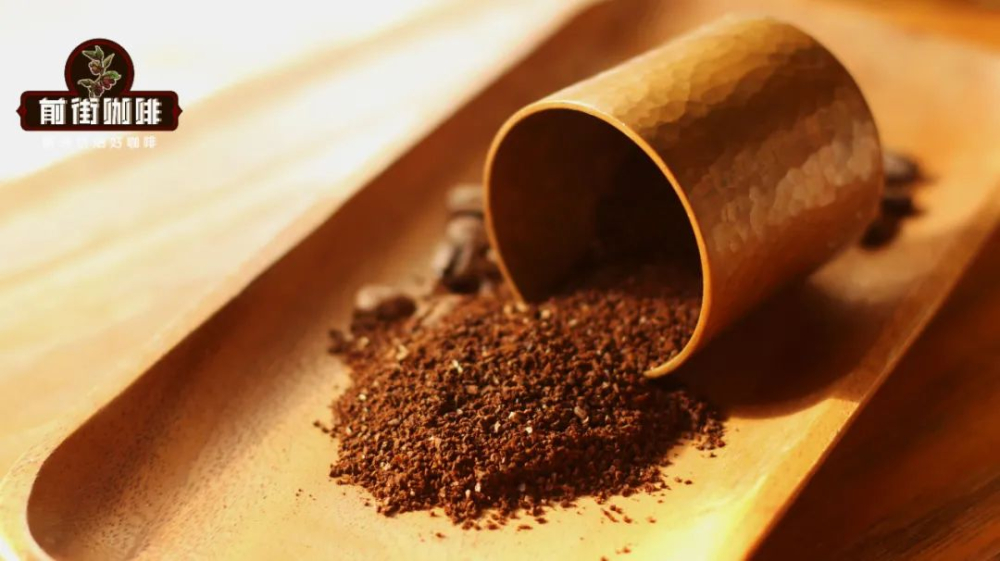
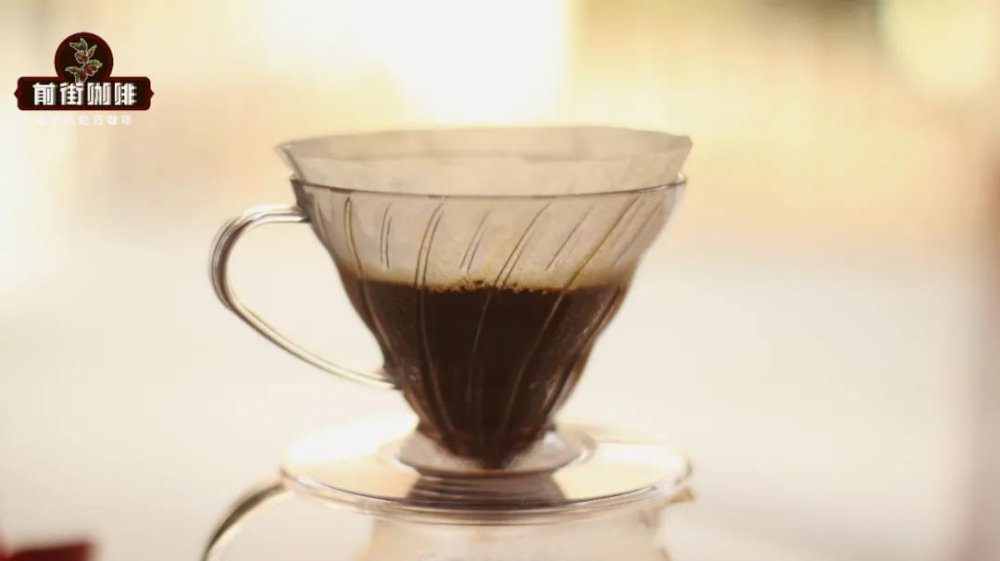
Grind too coarse, and water slips through the gaps before it can penetrate the particle interiors - a classic under-extraction. During the bloom, big particles still puff up on first contact with water, but as hot water races through the wide gaps, the structure never has time to "bond" back, and the dome quickly deflates.
Pouring Too Hard
A gentle, thin stream spiraling outward from the center is the bloom technique most people use; it builds a dome that rises from the middle until it fills the dripper's bottom.
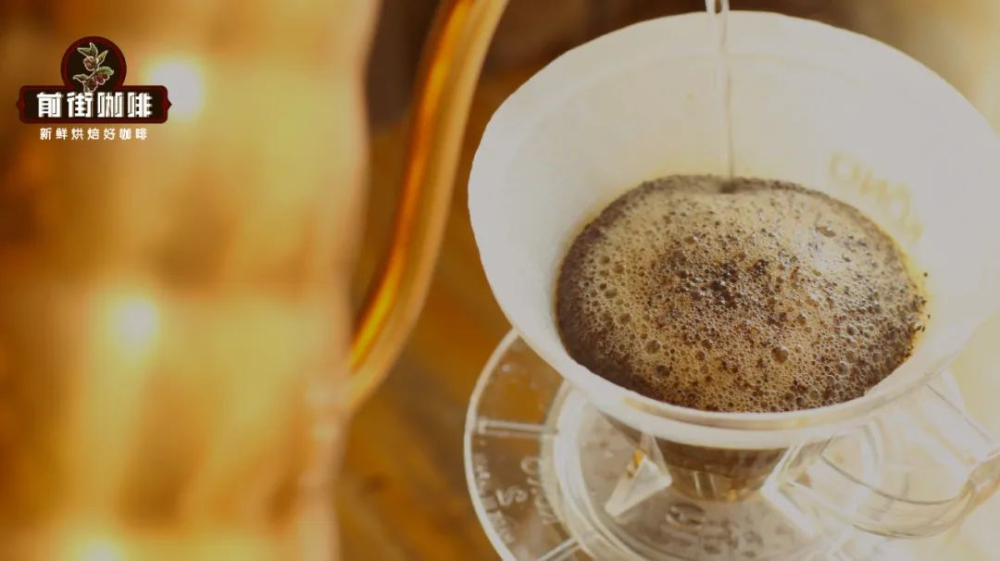
Pour too aggressively, or keep hammering the same small circle in the center, and the stream drives the particles apart. The center rises only while escaping gases block the water's descent; once the gas is spent, water plunges downward, leaving a hollowed bed that collapses on cue.
Conclusion
A bloom that rises and immediately collapses is not normal. It doesn't mean the coffee is ruined, but it does signal a problem with parameters or technique. Cross-check the final taste, find the root cause, and fix it at the detail level.
FrontStreet Coffee
10 Bao'an Qianjie, Yandun Road, Dongshankou, Yuexiu District, Guangzhou, Guangdong Province

FrontStreet Coffee Recommendation
A collapsing bloom is often just a beginner's recipe issue, so it helps to practice with forgiving, beginner-friendly beans. FrontStreet Coffee's Ethiopia natural Huaguang is a favorite starting point: huge tropical fruit aromatics - strawberry, passion fruit, jackfruit, lychee - with obvious sweetness, almost no bitterness, and a silky, juice-like body that converts even committed coffee skeptics.
FrontStreet Coffee's washed Yirgacheffe Guodingding is equally approachable, with soft, bright citrus-berry acidity, jasmine florals, and a green-tea finish. And FrontStreet Coffee's Brazil Fazenda Rainha, low in acidity with nuts, cocoa, and caramel sweetness, is steady and forgiving in the bloom - a reliable daily brewer while you refine your pouring.
Important Notice :
FrontStreet Coffee is a long-established specialty coffee roaster in Guangzhou China, selling freshly roasted beans from its own farm in Yunnan as well as dozens of carefully selected single-origin beans from around the world for both pour-over and espresso. The products deliver consistently excellent quality and great value, with shipping within 24 hours. Guangzhou's FrontStreet Coffee shop is recommended by many coffee lovers, and the beans are now available online at the Tmall 。
FrontStreet Coffee has moved to a new address:
FrontStreet Coffee Address: 315,Donghua East Road,GuangZhou
Tel:020 38364473
 Scan and follow the En Gafei WeChat official account. Please indicate that the reprint comes from "En Gafei".

