
Introduction to Indonesian Coffee Regions: A Beginner's Guide to Sumatra's Mandheling Coffee Beans
Asia is home to many coffee-producing countries — Papua New Guinea, China's Yunnan, Indonesia, Vietnam, and more. Among them, Indonesia is best known for its Mandheling coffee.
Indonesian Coffee
Indonesia is a Southeast Asian nation bordering Papua New Guinea, East Timor, and Malaysia. Rich in natural resources, it is the world's largest archipelagic state — 17,508 islands of all sizes scattered between the Pacific and Indian Oceans — and a country of many volcanoes.
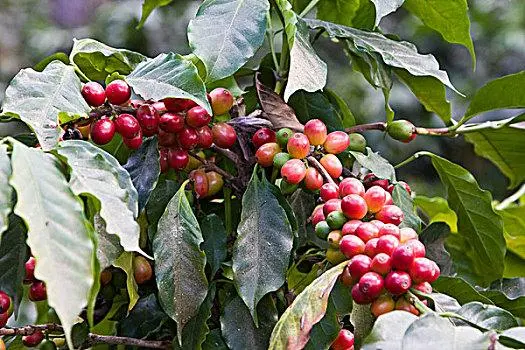
Straddling the equator in the tropics, Indonesia stays warm and humid year-round, with average temperatures of 25–27°C. It has two seasons: dry from April to October, rainy from November to March. Add in plentiful rivers, abundant water, and volcanic soil, and you have ideal conditions for growing coffee.
Sumatra Island
Of Indonesia's 17,508 islands, coffee is currently grown on several, the most famous being Sumatra, Java, Bali, and Sulawesi — and Sumatra is the one renowned for Mandheling.
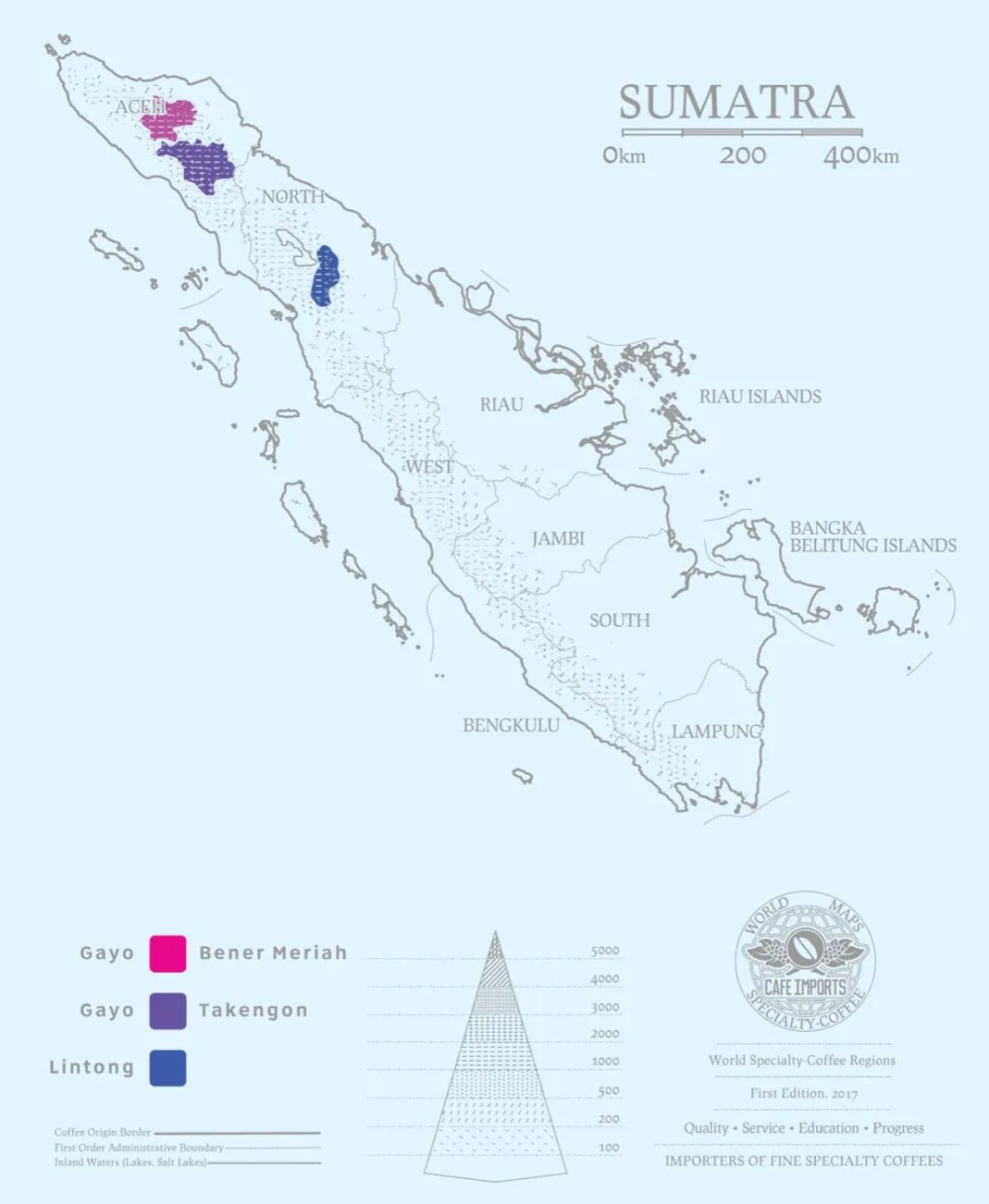
Sumatra is Indonesia's largest island, lying in the country's west just above the equator. It has a tropical rainforest climate and is dominated by the Barisan Mountains in the west and lowland plains in the east, with more than 90 volcanoes. Volcanic ash has made parts of the soil exceptionally fertile, and combined with numerous lakes, the island is superbly suited to agriculture — coffee included.
Today Sumatran coffee is grown mainly in the Gayo Mountains of Aceh Province in the north and, slightly further south, around Lake Toba, at altitudes of 1,100–1,600 meters. FrontStreet Coffee currently offers two Mandhelings: the PWN Golden Mandheling from the Gayo Mountains of Aceh, with roasted toast, pine, cocoa, and subtle herbal notes in a clean, balanced cup; and a Mandheling from the Lintong region near Lake Toba.
Lintong Mandheling
"Sumatra Mandheling," as it is commonly sold, is not named for a coffee variety or a place, but for an ethnic group on the island. The story goes that during World War II, a Japanese officer tasted a delicious coffee at an Indonesian café and asked its name. The owner misunderstood, thinking he was being asked where the customer was from, and answered "Mandheling." The officer later brought the coffee back to Japan, and the name has stuck ever since.

Lake Toba is the world's largest and deepest volcanic lake, ringed by mineral-rich soil left by eruptions, with a unique highland environment above 900 meters. The nearby Lintong growing region sits at 1,200–1,500 meters, which gives its Mandheling rich flavors and an exceptionally full body.
Ateng Coffee Variety
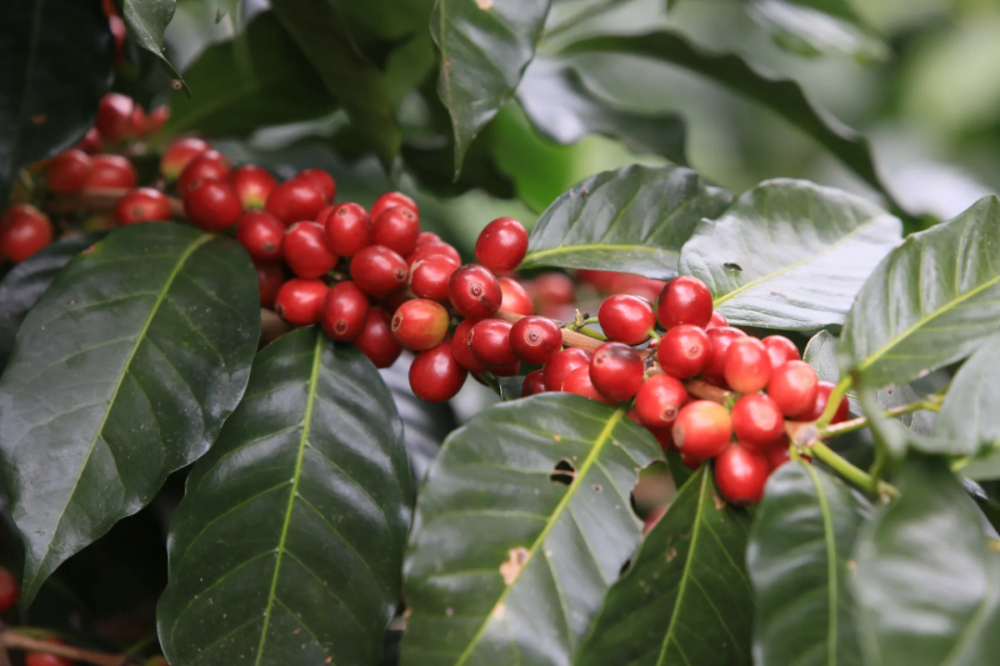
The variety behind both of these beans is Ateng. It sounds like something new, but it is actually Catimor — "Ateng" is simply the local Indonesian name for it. By the same logic, Indonesia's TimTim is the local name for the Timor Hybrid.
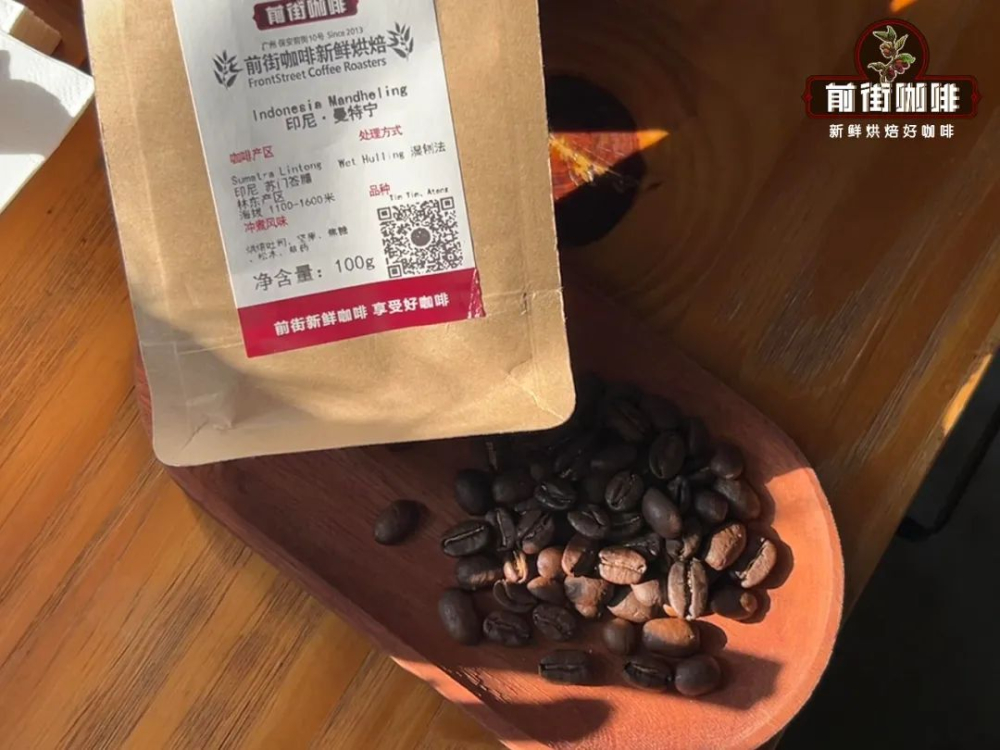
FrontStreet Coffee Indonesian Selected Lintong Mandheling Coffee Beans
Region: Sumatra
Altitude: 1,100-1,600 meters
Variety: Ateng
Processing: Wet-hulled
Flavor: Dark chocolate, herbal, caramel, sweet aftertaste
FrontStreet Coffee's selected Lintong Mandheling is wet-hulled and dark roasted. Brew it as FrontStreet Coffee does — a KONO dripper, 1:15 ratio, 92°C water — and the cup opens with herbal and dark chocolate flavors, a caramel-like richness, and a high, lingering sweetness.
FrontStreet Coffee Recommendation
Sumatra's signature wet-hulled process exists because Indonesia's rainy season overlaps with the coffee harvest: growers hull off the parchment while the beans are still half-dry, exposing them to the humid air to speed drying — and picking up the wild, earthy-herbal character that makes Mandheling unmistakable. To taste the finest expression of it, choose the FrontStreet PWN Golden Mandheling: beans screened above size 18, fewer than 3 defects per 300g of green coffee (top-grade G1), then triple hand-sorted for exceptional cleanliness and sweetness. At a medium-dark roast it shows roast notes, dark chocolate, caramel, and a full, low-acid body.
For brewing, FrontStreet Coffee suggests 87–88°C water, 15g of coffee at a 1:15 ratio, a coarse-sugar grind, and a three-stage pour: 30ml to bloom and degas, 100ml to lift the bed and build the golden foam, and a final gentle 95ml poured at the center to draw out caramel sweetness alongside chocolate and nut flavors. If you would rather enjoy that character as espresso or a latte, the FrontStreet Classic Blend adds medium-dark Mandheling to creamy Brazilian nuts — butter, roasted chestnut, and caramel, with a touch of Robusta for extra crema.
Important Notice :
FrontStreet Coffee is a long-established specialty coffee roaster in Guangzhou China, selling freshly roasted beans from its own farm in Yunnan as well as dozens of carefully selected single-origin beans from around the world for both pour-over and espresso. The products deliver consistently excellent quality and great value, with shipping within 24 hours. Guangzhou's FrontStreet Coffee shop is recommended by many coffee lovers, and the beans are now available online at the Tmall 。
FrontStreet Coffee has moved to a new address:
FrontStreet Coffee Address: 315,Donghua East Road,GuangZhou
Tel:020 38364473
 Scan and follow the En Gafei WeChat official account. Please indicate that the reprint comes from "En Gafei".

