
An Introduction to Colombian Coffee Regions: Selected Washed Coffee Beans from Huila Region
Introduction to Colombian Coffee
Colombian coffee enjoys strong recognition in the global market. Today it remains the world's third-largest coffee producer, behind only Brazil and Vietnam, and ranks second in output of Arabica varieties.
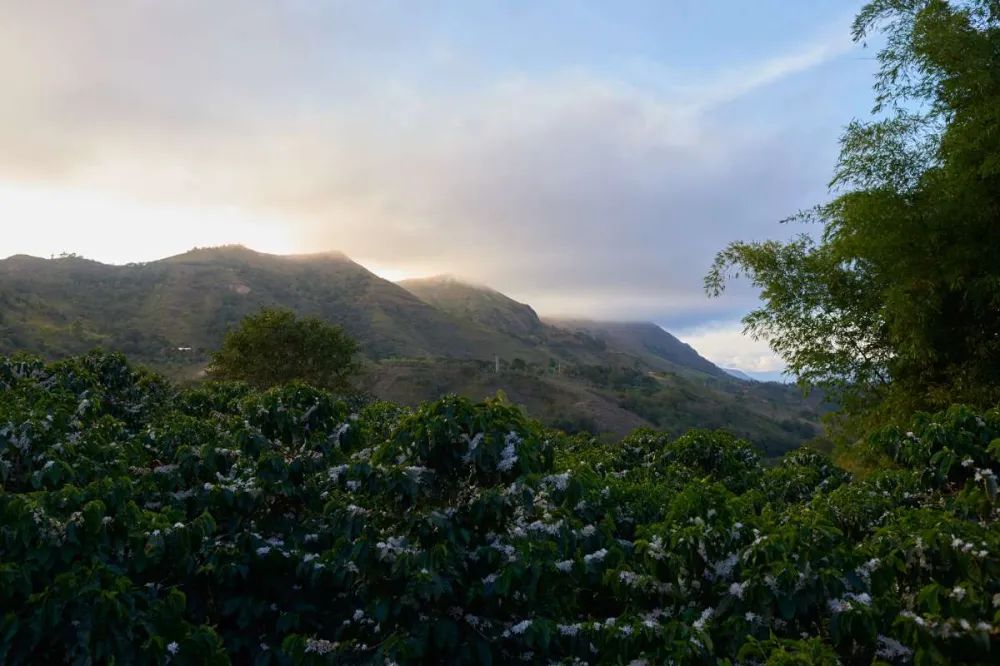
Geography and Climate
Colombia lies in the northwest of South America, within the tropics. The country divides into eastern plains and western mountains, and its climate varies with the terrain. The southern plains and the Pacific coast have a tropical rainforest climate, mountainous areas between 1000 and 2000 meters enjoy a subtropical climate, and the northwest has a tropical savanna climate. Average annual temperatures run from 15.8°C to 20.5°C, making the country an ideal place to grow coffee.
Development of Colombian Coffee
Coffee arrived in the 18th century, brought by Dutch Jesuit missionaries, and gradually spread across the country. Real growth only began in the late 19th century. Although Colombia went through domestic turmoil in that period, once the conflicts ended the government took steps to revive the coffee industry. It consolidated wasteland, divided it into small plots and sold them to farmers at very low prices so they could grow coffee and other crops and start new lives. By 1912, coffee was thriving and accounted for 50% of Colombia's total exports.
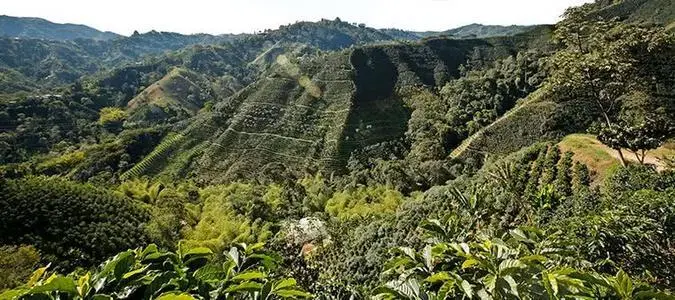
In 1920 the Colombian Coffee Federation was founded to protect the interests of small farms. The organization kept growing and evolving, and in 1927 it became the more authoritative and better-regulated National Federation of Coffee Growers of Colombia (FNC). Through a range of measures it has steadily strengthened the global competitiveness and influence of Colombian coffee, helping the country become the world's third-largest producer, even though it is still made up mostly of small estates.
Huila Region
Colombia is a large country with several coffee-growing regions. Because of the mountainous terrain and varied microclimates, coffee from each region tastes noticeably different. Colombia's best-known regions today include Antioquia, Santander, Huila and Nariño. FrontStreet Coffee's introductory selection of Colombian beans comes from Huila.
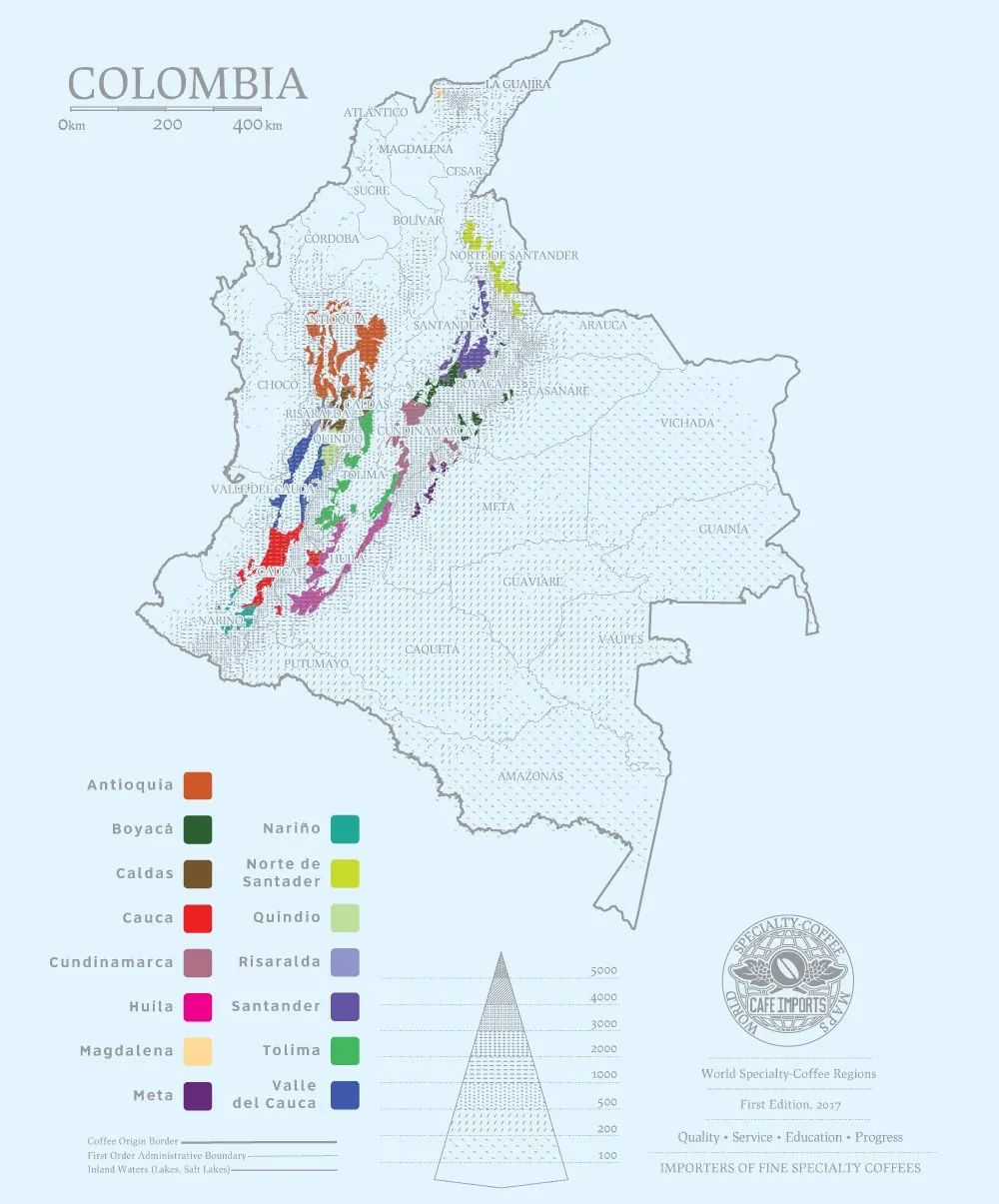
Huila Department sits in southern Colombia, in the southern part of the Central Mountain Range formed by the central and eastern ranges of the Andes. Most of the area lies in the Magdalena River Valley, and it is Colombia's most famous specialty coffee region. The land is made up of hills ringed by mountains, with coffee grown at elevations between 1200 and 1800 meters. High altitude, volcanic soil, abundant water and a unique climate give the coffee from this region its pure, balanced and smooth profile.
Caturra Variety
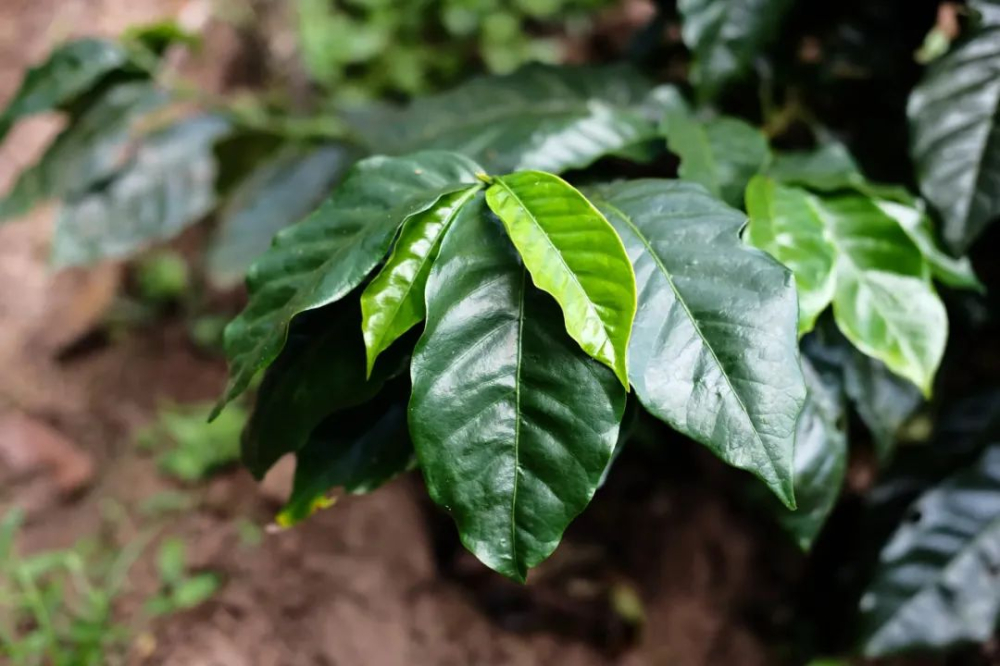
Caturra is a Bourbon variety discovered between 1915 and 1918 on a plantation in Minas Gerais, Brazil. It carries a single gene mutation that keeps the plant relatively small. The name comes from the Guarani language and means "small." The variety suits high-altitude cultivation and tastes better at greater elevations, though yields are not generous. The higher ground of Huila's coffee regions allows Caturra grown there to develop rich tropical fruit aromas.
FrontStreet Coffee's Colombian Selection
FrontStreet Coffee's introductory Colombian bean comes from the Huila region, washed and medium roasted. FrontStreet Coffee brews it in a V60 at a 1:15 ratio and 92°C. The first sip reveals nutty, dark chocolate and caramel flavors, with a faint tropical fruit acidity and sweetness, a smooth mouthfeel and overall balance.

FrontStreet Coffee Recommendation
If this nutty, chocolate-and-caramel profile is what you enjoy, Brazil is a natural next stop, since the two origins share a similar balance and low-acid warmth. FrontStreet Brazil Cerrado Red Bourbon is a classic single-origin Brazilian bean from the well-known Cerrado region. Medium roasted, it brings dense aromas of creamy peanut, toasted bread, caramel and hazelnut, with a round, non-acidic body and a faint bittersweet edge, and it works just as well in a moka pot, as an espresso SOE, or in a siphon and French press.
For a slightly brighter fruit note, try FrontStreet Brazil Queen Estate Yellow Bourbon. Grown in Mogiana near South Minas, where fertile red volcanic soil feeds the fruit, this rare Yellow Bourbon is a natural mutation of Red Bourbon with a cleaner fruit character. Through pour-over, moka pot or a home espresso machine it delivers a sugarcane sweetness found in few other regions, alongside fruit and chocolate.
Important Notice :
FrontStreet Coffee is a long-established specialty coffee roaster in Guangzhou China, selling freshly roasted beans from its own farm in Yunnan as well as dozens of carefully selected single-origin beans from around the world for both pour-over and espresso. The products deliver consistently excellent quality and great value, with shipping within 24 hours. Guangzhou's FrontStreet Coffee shop is recommended by many coffee lovers, and the beans are now available online at the Tmall 。
FrontStreet Coffee has moved to a new address:
FrontStreet Coffee Address: 315,Donghua East Road,GuangZhou
Tel:020 38364473
 Scan and follow the En Gafei WeChat official account. Please indicate that the reprint comes from "En Gafei".

