
Can a Manual Press Espresso Machine Extract Espresso Without Electricity? What's the Difference Between Manual Press and Espresso Machines?
Rediscovering the Manual Press: Can It Match an Espresso Machine?
During the Chinese New Year holiday, FrontStreet Coffee gave the store a thorough clean. In a corner piled with odds and ends, we found a dust-covered manual press coffee machine. So today, FrontStreet Coffee is going to test whether this manual press can pull espresso as delicious as an espresso machine's.
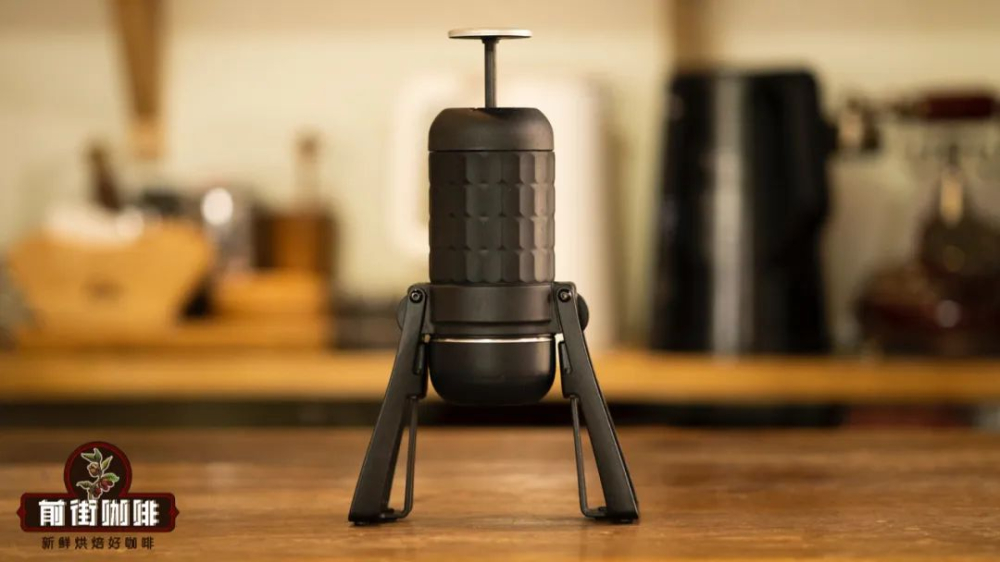
The History and Evolution of Manual Press Coffee
As early as 1947, the piston lever coffee machine invented by a Milanese barista used a manual press design. Through hand lever operation, coffee was extracted under pressure up to 9 bar, producing espresso with rich golden crema and a very short extraction time. That was not the birth of the coffee machine, but it was a groundbreaking moment in its history. As technology advanced, machine intelligence gradually replaced hand pressing, and manual press faded from view - though a small number of machines still use lever pressing. Then the retro trend brought a series of old designs back to the fore, and at the peak of camping's popularity the convenient, electricity-free manual press drew considerable attention.
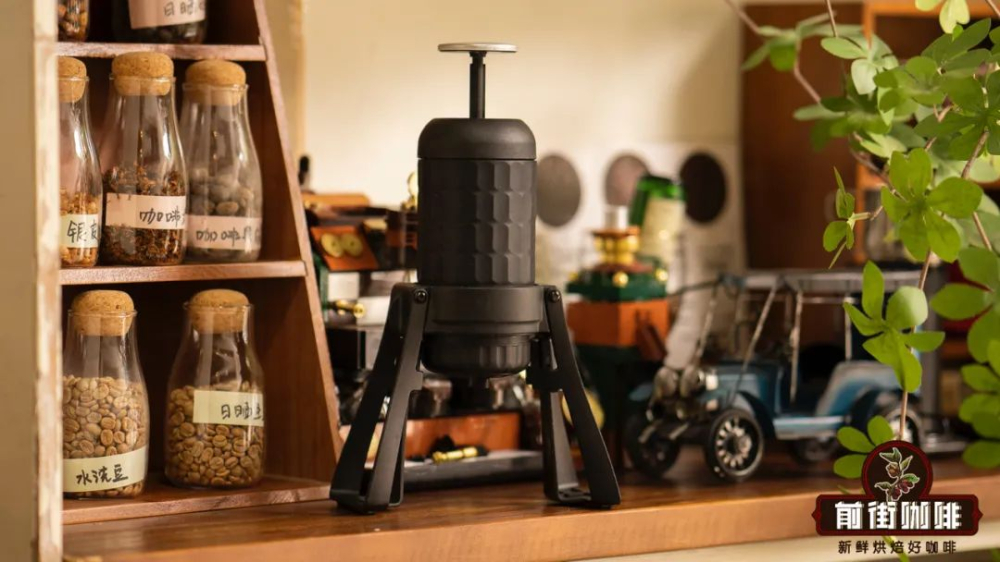
Our Third-Generation Manual Press
This machine is the third generation of Flair manual press products, which FrontStreet Coffee bought in 2021. It consists mainly of the body and a folding stand. Take the body apart and you get several components with different jobs: a top cover with a pressure pump, a water tank for hot water, a bottom cover that holds the grounds and serves as the liquid outlet, and - a coffee cup? (The one in the bottom right corner, which FrontStreet Coffee had taken for the bottom cover, only later discovering it is actually a cup for drinking the coffee.)
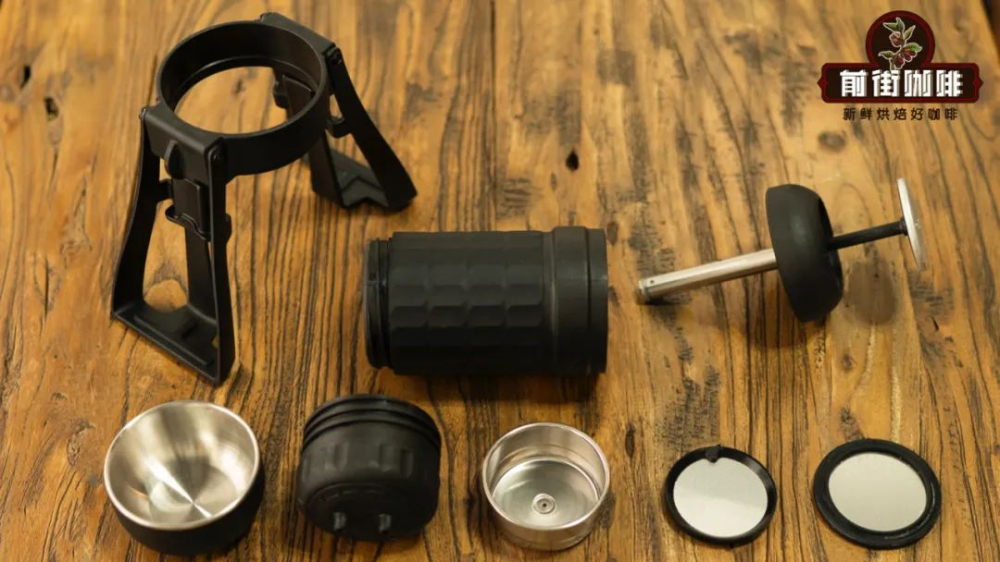
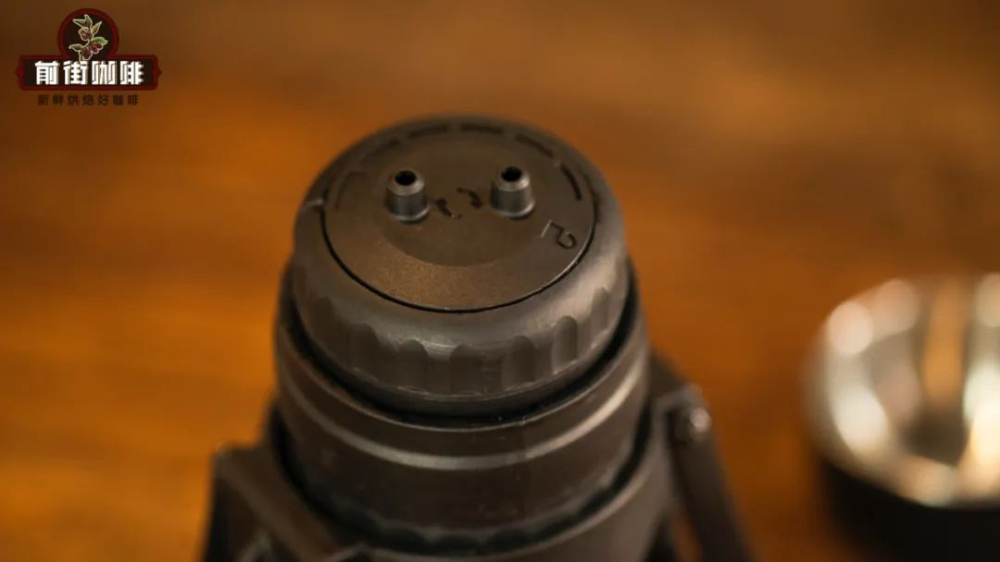
According to the official specifications, it holds 18-22g of coffee grounds and can extract with 120-180ml of hot water. The bottom cover has a pressure regulating valve that can be adjusted freely within the 15-20 bar range.
The Extraction Experiment
That is roughly what it does, so let's move into the experiment and see whether it can truly pull espresso as delicious as a coffee machine's.
The parameters for our experiment were as follows. We used Warm Sun Blend beans, which express whiskey, berries, and butter-cookie flavors. The grind was espresso grind, straight from an espresso grinder at flour-like fineness. The dose was 20g, with water at 94°C and 120ml, for a coffee-to-water ratio of 1:2 - meaning we needed to extract 40ml of coffee liquid. First, we filled the portafilter with 20g of ground coffee.
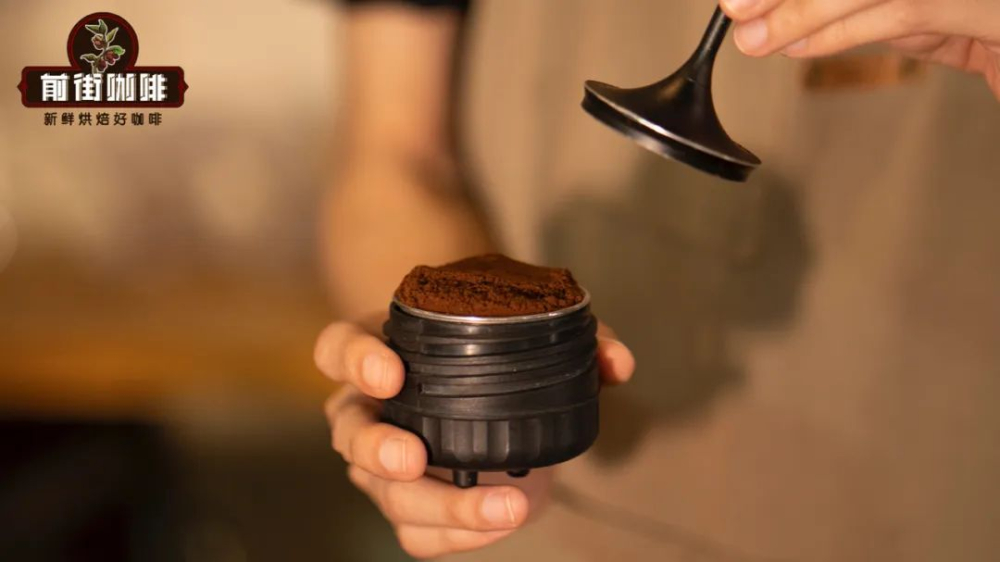
Next, we distributed and tamped it evenly, then screwed the portafilter onto the water tank, making sure to tighten it securely.
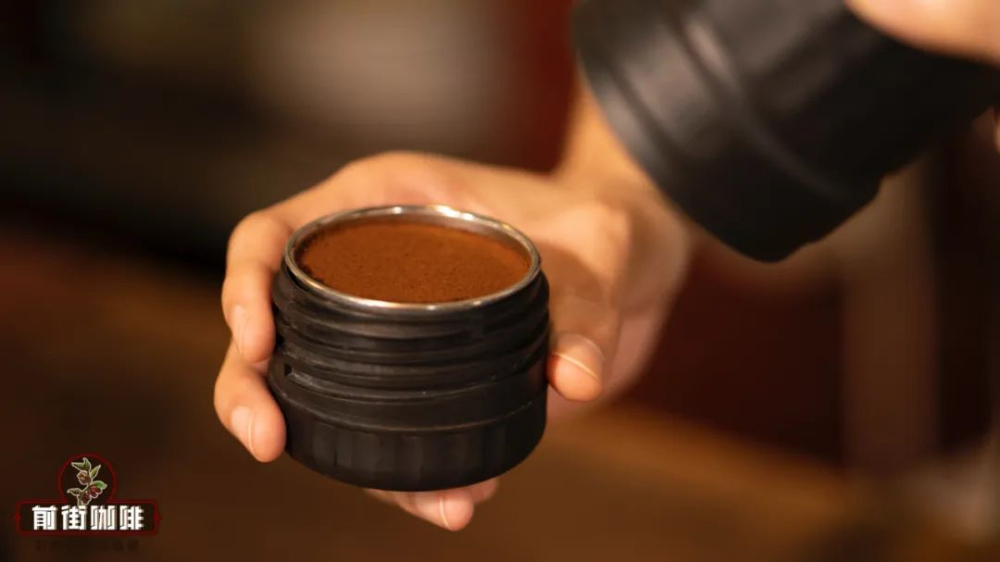
Then we poured in 120ml of 94°C hot water and screwed on the top cover. The extraction setup was ready.
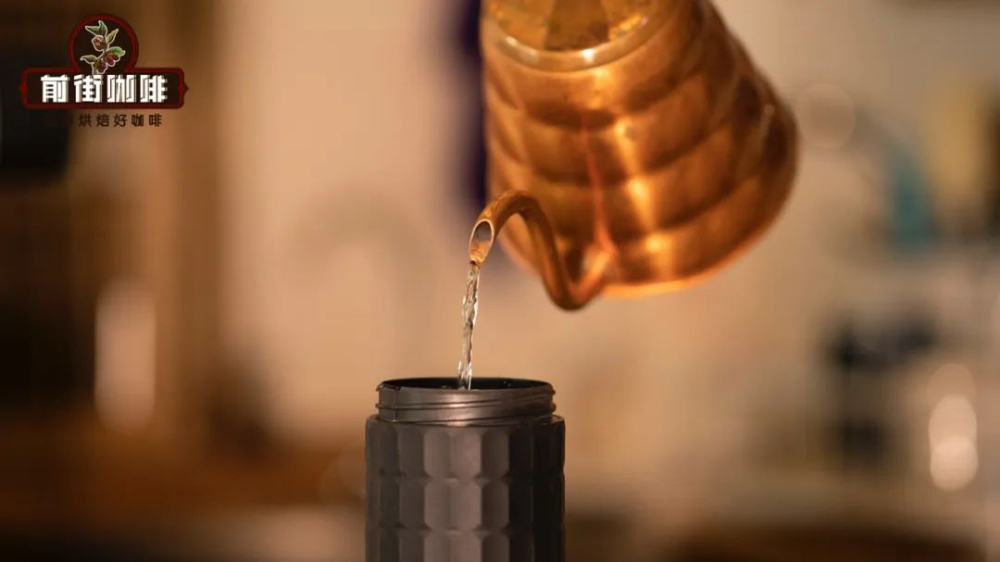
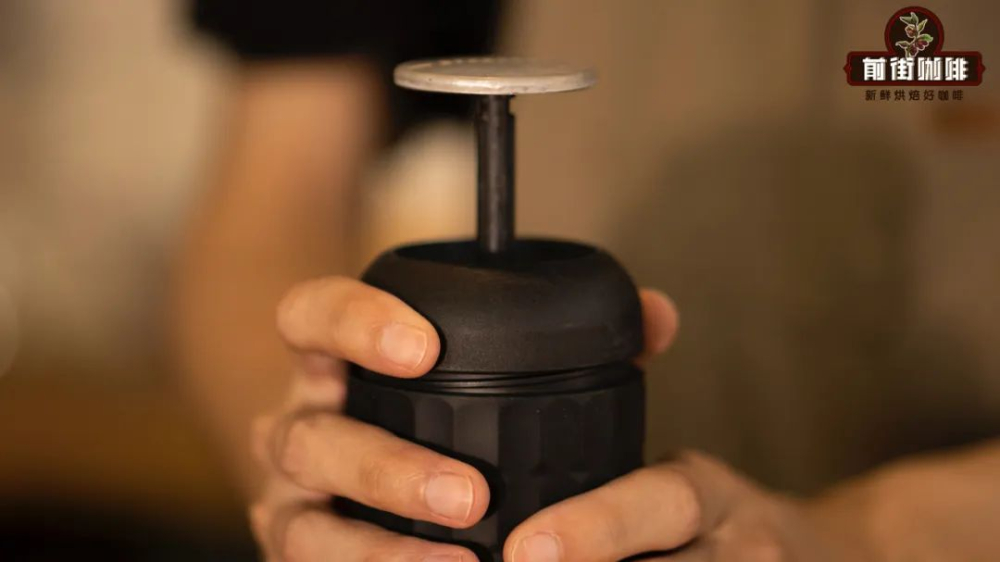
Then came the extraction: press continuously and evenly, again and again, until the target amount of coffee liquid is out - then stop.
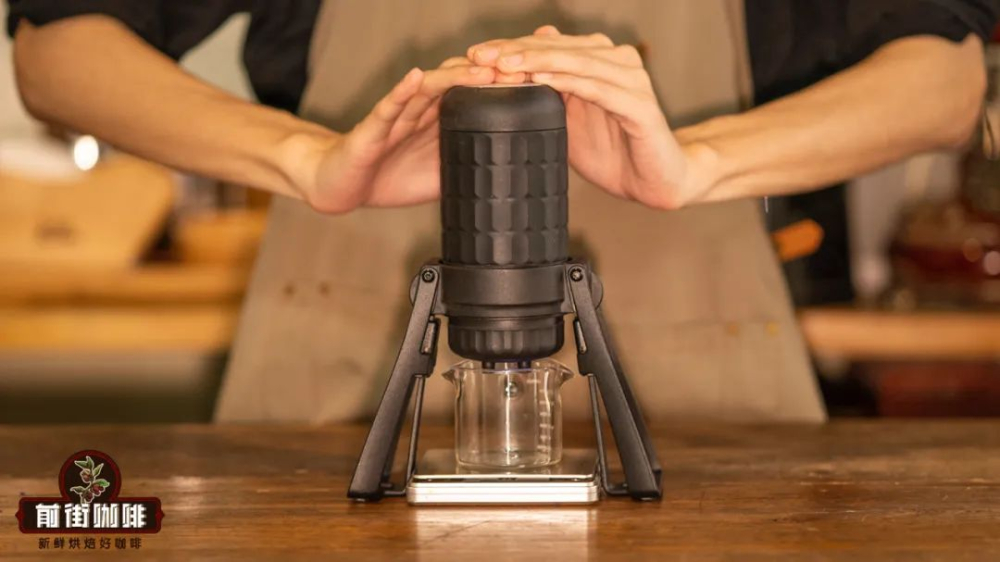
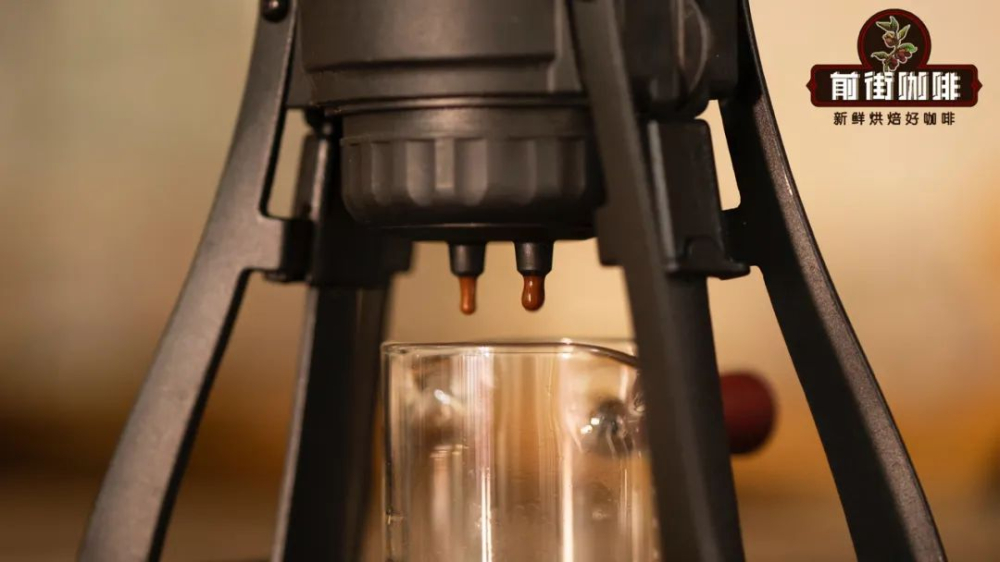
After about 20 seconds of steady pressing, the coffee liquid began to drip out, with quite rich crema.
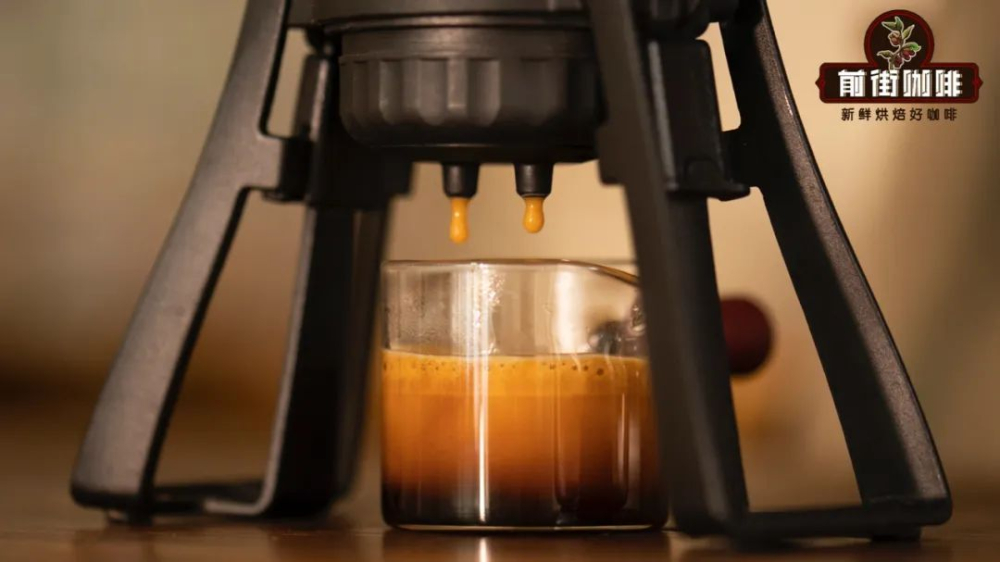
You can stop once the coffee liquid reaches the target weight.
Tasting Results and a Milk Coffee Test
Drunk straight, it was surprisingly good. It was not thin or weak as we had imagined, but quite rich, with substantial body and thickness - overall very close to espresso from an espresso machine. So next, let's make a milk coffee to test the crema's smoothness. We'll use the same ratio as a regular latte, 1:5, pairing 40ml of coffee liquid with 200ml of hot milk.
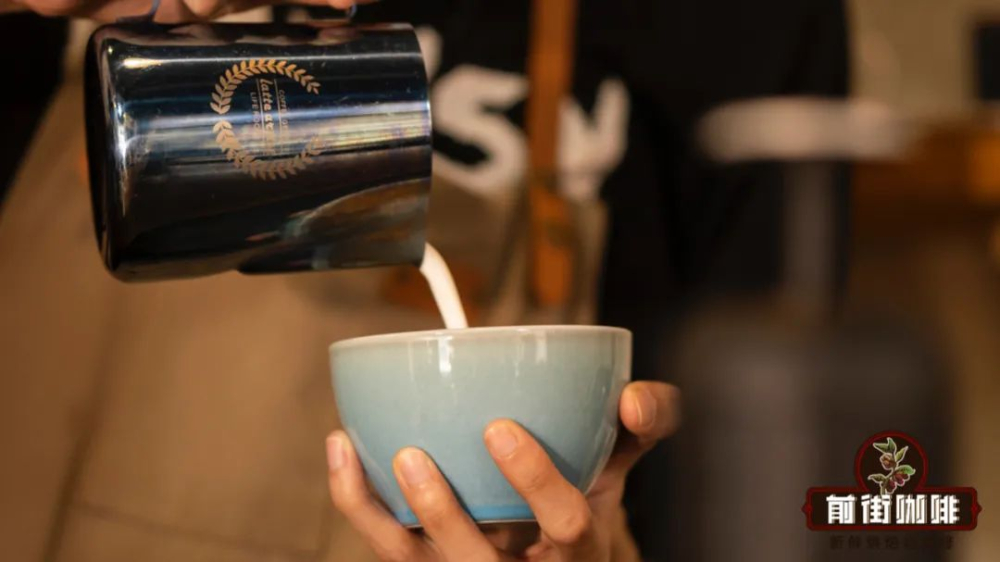
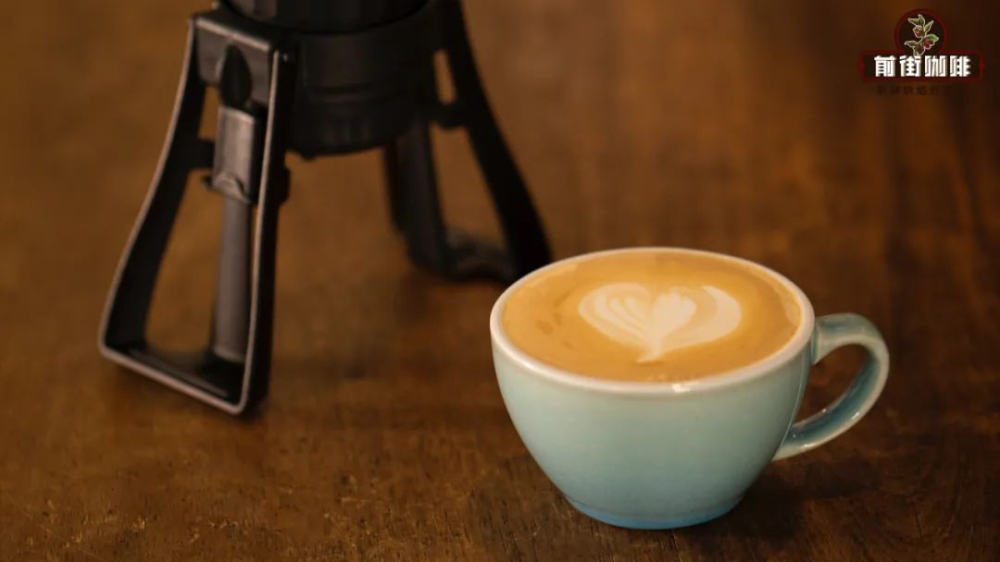
The crema did not break down or clump quickly, which made the latte art flow very smoothly. Overall, then, the crema quality is acceptable.
Final Thoughts and Conclusion
After a day of use, the manual press coffee machine brought plenty of pleasant surprises. Not only can it extract rich crema, but the coffee tastes quite good too. The key is its versatility: it is convenient, simple to operate, needs no electricity, and makes switching between beans easy. (This is genuinely not an advertisement.) As for extraction stability, that comes down mainly to parameters and skill. But the crucial factor is grind size - if you want rich crema, espresso grind is essential. The finest setting on a pour-over grinder can also work, but the result will not taste very close to espresso and the crema will not be as full. That wraps up the summary. Now everyone can think about what other ways this manual press machine might be used to extract different kinds of coffee.
- END -
FrontStreet Coffee Recommendation
A manual press rewards beans that are ready for pressure. FrontStreet Coffee's Classic Blend and Commercial Blend are built in the traditional Italian style with a small amount of Robusta added, so extraction yields butter, nut, spice, dark chocolate, and toast aromas, a wild and sturdy body, and striking golden crema - both are also well suited to the moka pot. For a gentler, nut-forward cup, FrontStreet Coffee's Specialty Blend and Black Cocoa Blend lean on a large proportion of Brazilian coffee, giving a comfortable bittersweet note and creamy peanut aroma with a very smooth entry.
If you prefer a single-origin espresso, the approach called SOE suits the manual press nicely. FrontStreet Coffee's natural Ethiopia Huakui SOE shows a cream-strawberry flavor, a result of its terroir and natural processing; grown in Guji Hambella at elevations up to 2,300 meters, the cherries ripen slowly and build complex aromas. For a sweeter SOE, FrontStreet Coffee's Costa Rica Blackberry SOE is a honey-processed coffee with blackberry-like aroma and clean sweetness, while FrontStreet Coffee's Brazil Queen's Farm SOE - a yellow Bourbon roasted medium-dark - gives butter cookie, macadamia, and toasted bread.
Important Notice :
FrontStreet Coffee is a long-established specialty coffee roaster in Guangzhou China, selling freshly roasted beans from its own farm in Yunnan as well as dozens of carefully selected single-origin beans from around the world for both pour-over and espresso. The products deliver consistently excellent quality and great value, with shipping within 24 hours. Guangzhou's FrontStreet Coffee shop is recommended by many coffee lovers, and the beans are now available online at the Tmall 。
FrontStreet Coffee has moved to a new address:
FrontStreet Coffee Address: 315,Donghua East Road,GuangZhou
Tel:020 38364473
 Scan and follow the En Gafei WeChat official account. Please indicate that the reprint comes from "En Gafei".

