
The Choice of Pour-Over Kettle Spout is Also Important for Brewing! What Kind of Water Flow Will Different Spouts Produce?
Many beginners brew a cup at home, follow what they believe is the exact same recipe as their favorite café — same beans, same parameters, same technique — and still end up wondering why the coffee tastes worse.

Some of them brought this puzzle to FrontStreet Coffee, and the culprit turned out to be the gooseneck spout of the pour-over kettle! Identical brewing method, completely different water streams. Today, FrontStreet Coffee explains how to choose the right spout for your kettle.
What are the differences between gooseneck spouts?
The spout's shape is a crucial factor in water-stream stability. Until your pouring skills are fully developed, flow control is dictated largely by the spout itself. Differences in spout size and width directly affect how the stream forms and how hard it is to pour. So for beginners, spout choice matters enormously when buying a pour-over kettle.

The most common designs on the market: flat spouts, cut-flat spouts, hawk spouts, crane spouts, and elephant trunk spouts. Each serves a different purpose, and they're further divided by spout diameter into narrow and wide openings.
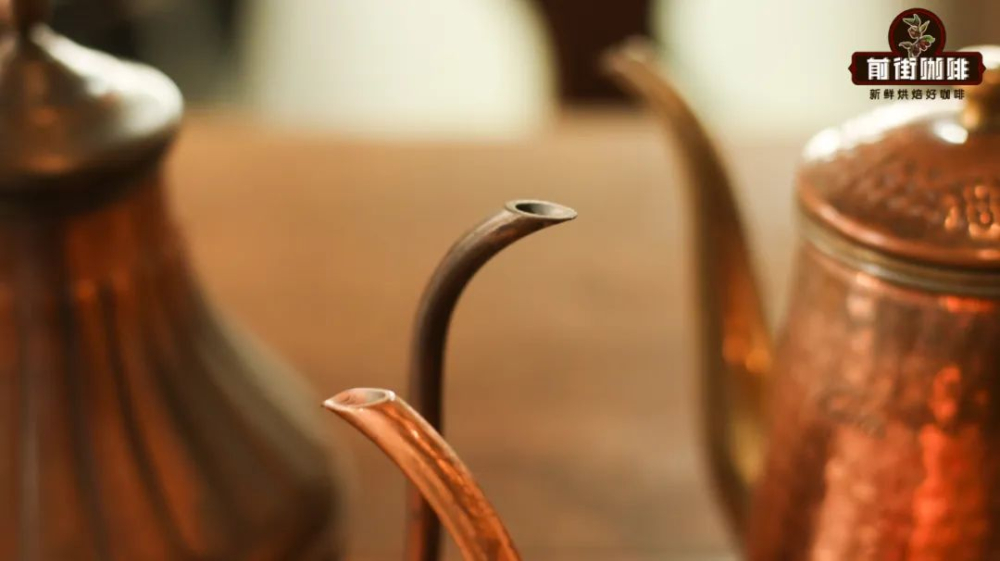
Narrow Spout Kettles
Narrow spouts are extremely slender, giving the water very little room, so the stream comes out small, concentrated, and forceful. Compared with wide spouts, they're far more beginner-friendly — you can pour a uniform, powerful stream without much practice. The drawbacks: a narrow spout can't produce large flows, which limits your options, and the concentrated stream tends to arc in a parabola, which can shift the landing point.
Wide Spout Kettles
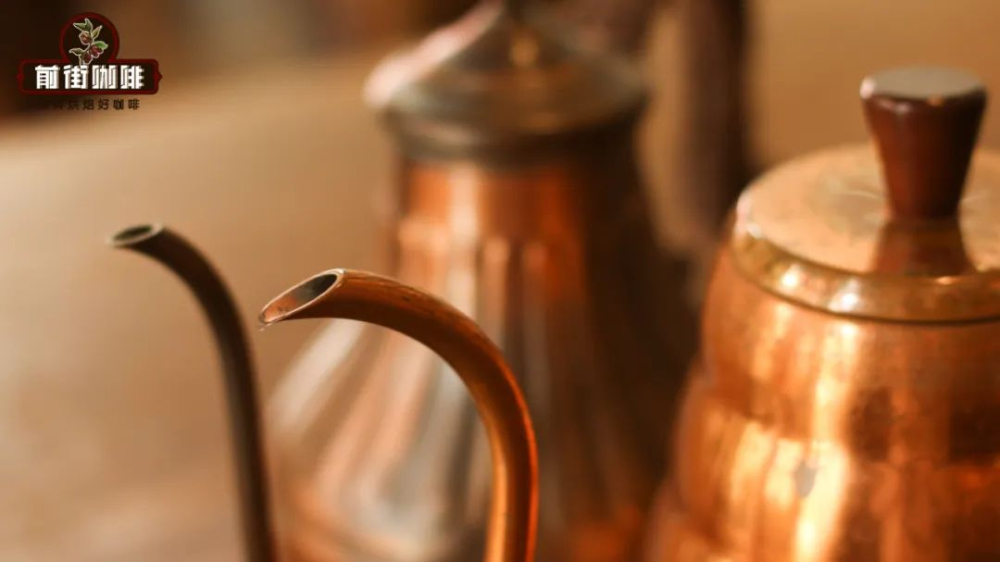
Wide spouts are far more versatile. Once you've mastered them, the wider opening lets you summon large water volumes on demand for demanding techniques. The flip side: they're unkind to beginners — taming a wide opening and its heavier flow takes considerable practice.
Hawk Spout Kettles
Some spouts carry a downward-curved flow guide at the tip, which helps produce a more vertical stream. At the same water volume, these kettles need far less tilting than other designs to pour straight down — and the curved tip also prevents water from backing up.

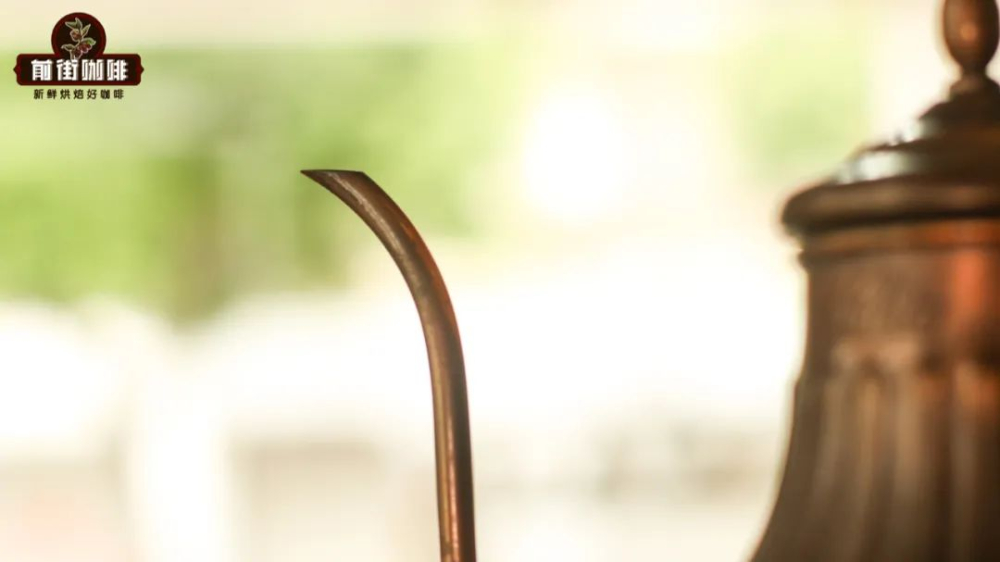
Flat Spout Kettles
Honestly? FrontStreet Coffee finds flat spouts the hardest to control. The opening is level like a horizontal plane, with none of the curved guidance of other designs, so vertical streams are hard to come by and sloppy pouring easily produces a parabolic arc. But if you can "tame" one, every other spout becomes effortless — beat the final boss and everything else feels easy.
Cut-Flat Spout Kettles
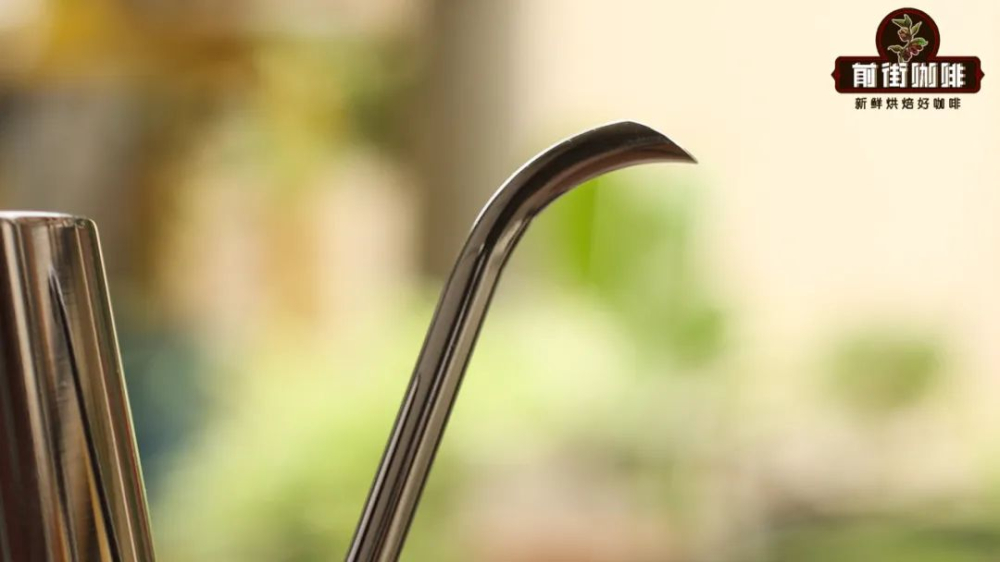
Seen from the side, this spout has a perfectly flat diagonal opening, as if sliced by a knife. Compared with flat spouts it pours vertical streams more easily, while handling both small and large flows. Broad applicability, moderate difficulty — which is why so many modern pour-over kettles adopt this design.
Crane Spout Kettles
The crane spout is named for its resemblance to a crane's beak in profile. The neck tapers from wide to narrow, producing a concentrated, penetrating stream. The difficulty is correspondingly higher — expect a lot of practice before you can use one steadily.
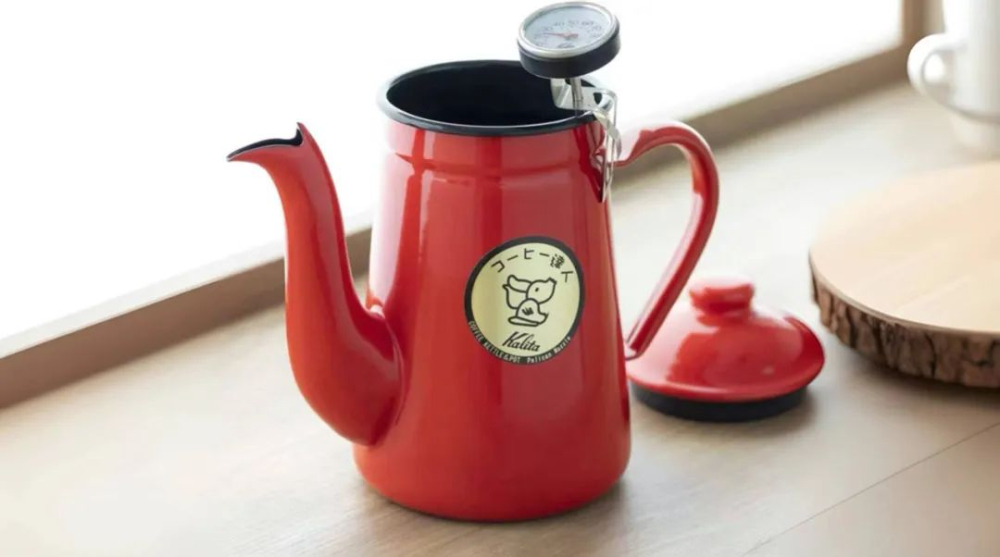
Elephant Trunk Spout Kettles
The elephant trunk spout, like the crane spout, is named for its looks. Its neck is a triangular, streamlined taper running from the kettle body to the tip, and the opening is relatively narrow — so its stream is gentler than the crane spout's.
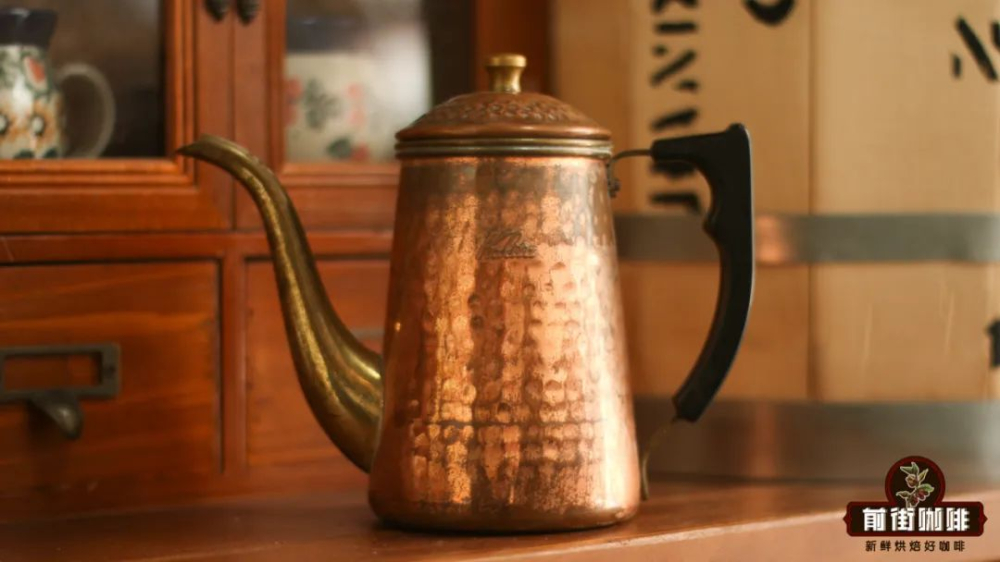
What if you've already bought a kettle that doesn't feel right?
Plenty of people only discover a kettle feels wrong after buying and using it. Since used kettles usually can't be returned, most people just keep practicing until it feels natural. But besides improving your skills, there's another way to make the kettle more "cooperative."
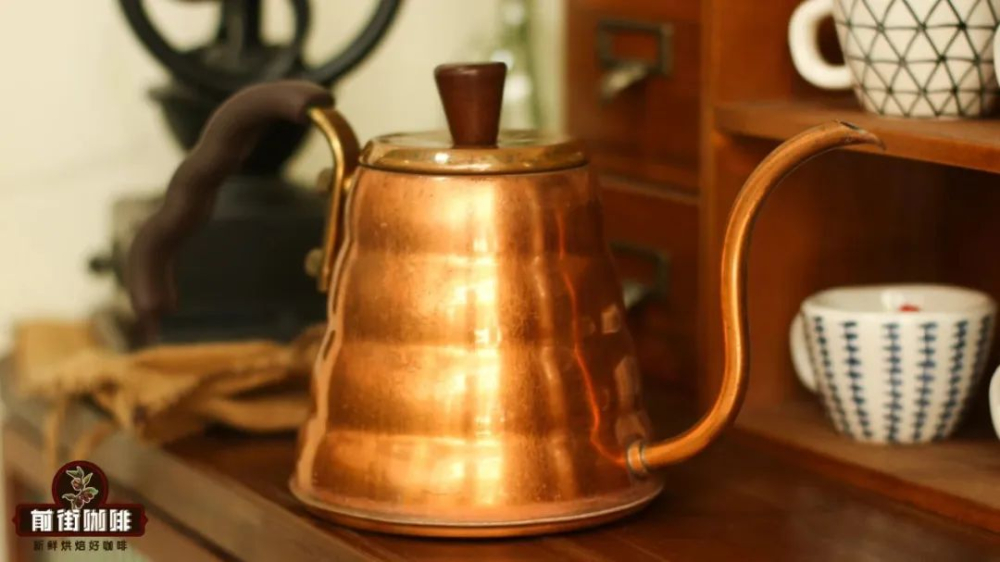
FrontStreet Coffee's daily driver is a Hario copper kettle with a cut-flat spout. Untrained hands easily turn its stream into a parabola, and the drifting landing point wrecks the brew. So we modified it.
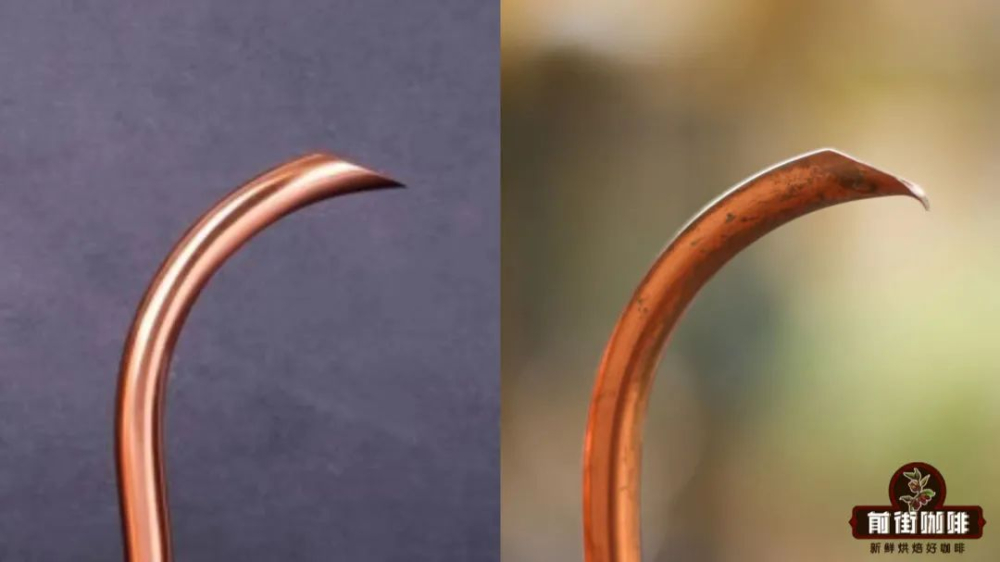
(Left: before; Right: after.) The process: file the spout until it develops a downward curve, effectively reshaping the cut-flat tip into a hawk spout — done. The modified kettle keeps its original look while gaining the hawk spout's user-friendly stream. Perfect, really. That said, we're only sharing the idea; the modification itself is genuinely tricky. One careless pass of the file and you can ruin the spout beyond repair. If your hands aren't steady, practice is the safer path.
- END -
FrontStreet Coffee Recommendation
A well-poured stream still needs a well-chosen bean. Since spout choice (and the V60's fast, clean extraction) favors coffees with distinct aromatics, here are three FrontStreet picks for pour-over.
FrontStreet Ethiopia Gudingding (Yirgacheffe) — The classic Yirgacheffe profile: bright citrus, berries, and white florals with a green-tea-like sweetness on the finish. Its acidity is soft and fruit-like rather than sharp, making it one of the most approachable choices for anyone new to pour-over.
FrontStreet Ethiopia Huakui (Flower Ghost) — A tropical-fruit powerhouse: strawberry, passion fruit, jackfruit, even lychee, with obvious sweetness and almost no bitterness, carried on a smooth, juice-like body. If you've been told you "don't like coffee," this is the bean that changes minds.
FrontStreet Panama Esmeralda Geisha (Red Label / Green Label) — For the full Geisha experience: the Red Label ("Esmeralda Special") grows at 1,600–1,800 meters, cups above 90 points, and comes from single, numbered plots — ideal when you want to compare subtle flavor differences between lots. The Green Label ("Private Collection") blends multiple plots into the estate's signature high-altitude Geisha character at a more accessible price, an excellent value pour-over choice.
Important Notice :
FrontStreet Coffee is a long-established specialty coffee roaster in Guangzhou China, selling freshly roasted beans from its own farm in Yunnan as well as dozens of carefully selected single-origin beans from around the world for both pour-over and espresso. The products deliver consistently excellent quality and great value, with shipping within 24 hours. Guangzhou's FrontStreet Coffee shop is recommended by many coffee lovers, and the beans are now available online at the Tmall 。
FrontStreet Coffee has moved to a new address:
FrontStreet Coffee Address: 315,Donghua East Road,GuangZhou
Tel:020 38364473
 Scan and follow the En Gafei WeChat official account. Please indicate that the reprint comes from "En Gafei".

