
What Determines the Sourness and Bitterness of Coffee? How Much Impact Does Roasting Have on Coffee Bean Flavor?
Whenever a customer hesitates in front of the blackboard of bean choices, FrontStreet Coffee offers help: "Would you like a recommendation? Do you prefer sour or bitter coffee?"
Newcomers sometimes fire the question back: "Why does coffee come in sour and bitter versions in the first place? What decides it? And why are there so few bitter options on your menu?"
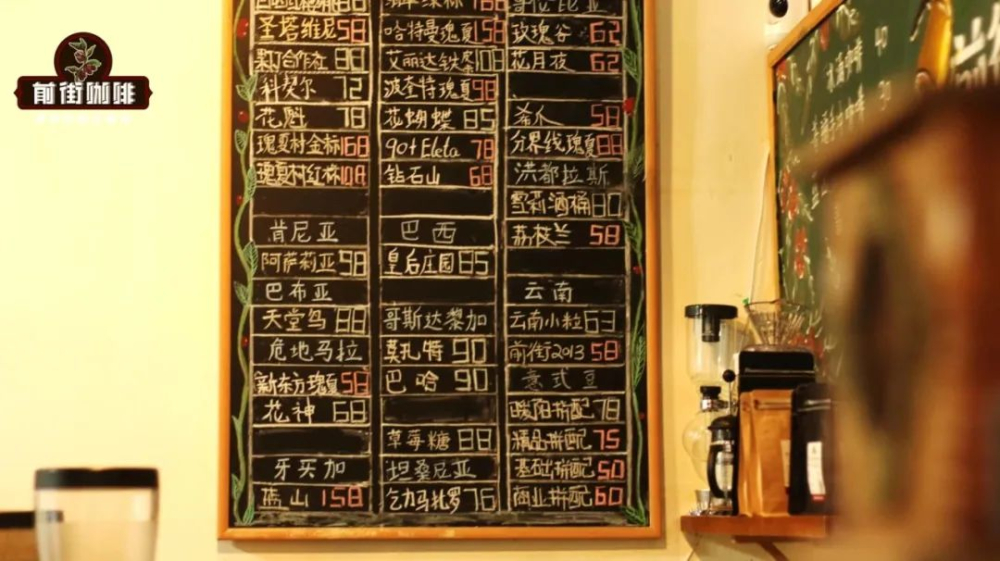
We tend to file Ethiopian and Kenyan coffees under "sour" and Blue Mountain and Mandheling under "bitter." In reality, a coffee's sourness and bitterness aren't dictated by origin - they're dictated by roast degree.
The Role of Development in Coffee Roasting
Roasters have a term for it: the development period - the time from first crack until the beans drop from the roaster. Flavor, acidity, aroma, and body all take shape here; the development period sets the coffee's final direction. Shorten it and the roast stays light, tipping the coffee toward acidity. Stretch it, the caramelization runs longer, the roast deepens, and the coffee tips toward bitterness.
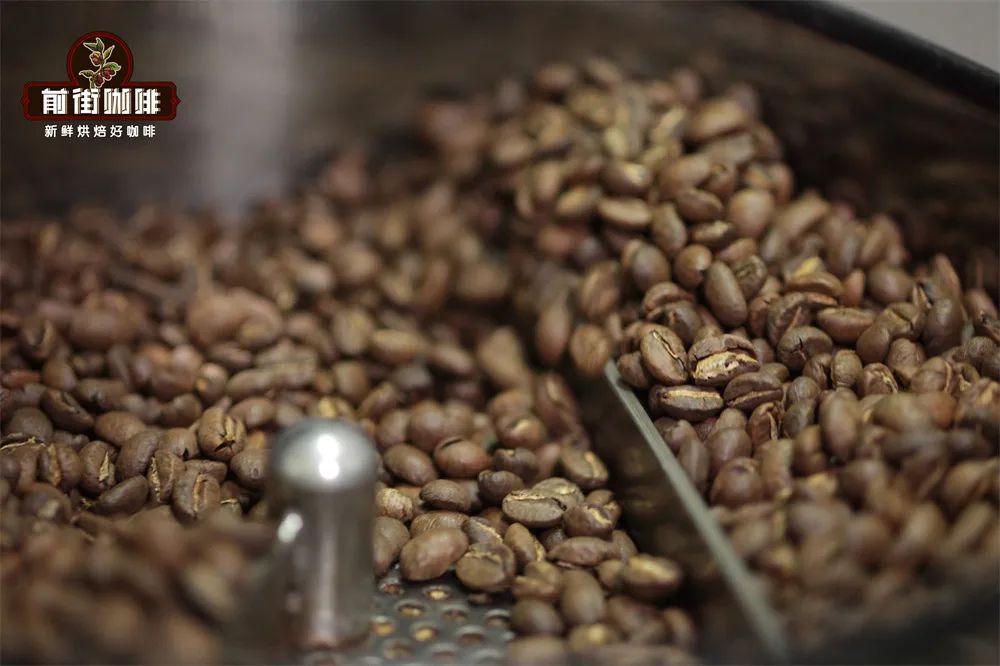
But sour and bitter are only the two main directions. A coffee that's nothing but sour or nothing but bitter isn't appealing - the real charm lies in the sweetness and aroma folded inside.
Kenya Coffee: A Case Study
Kenyan coffees sell well at both ends of the roast spectrum. Light-roasted, Kenya shows bright acidity like dark plums and cherry tomatoes; dark-roasted, it delivers the clean, rich bittersweetness of dark chocolate with a strong sweet aftertaste.
The Light Roast Wave
Some might ask: isn't light-roasted, sour coffee the trend now? Why do Mandheling and Blue Mountain still insist on dark roasts? Is the bean quality poor, forcing them toward dark-roast bitterness?
Roast degrees have always followed market tastes and trends, bean quality, and improvements in roasting equipment and technique. Specialty coffee prizes traceability and tasting a bean's "terroir." To carry that concept through - and to limit how much the Maillard reaction masks origin character - roasters lean light, showcasing floral and fruity sour aromatics.

The Art of Dark Roasting
It's true that dark roasting can bury raw-bean defects along with the character, thanks to heavier caramelization and pyrolysis. Take anything nearly to carbon and all coffees converge on the same unforgettable bitterness - like chicken wings left too long on the grill, tasting of nothing but char.
But clearly, Blue Mountain and Mandheling at dark roasts don't taste merely bitter; they give a rich mouthfeel, that fascinating interplay of bitterness and sweetness. And dark roasting can't rescue bad raw beans anyway - the cup will always betray them. Good beans taste good even roasted dark.

Tradition Meets Innovation
Blue Mountain, Mandheling, and Kona were world-famous long before light roast became fashionable. Rich, balanced, intense - those are their labels, and Blue Mountain was once considered the very definition of "coffee flavor." Consistency of flavor is what these beans protect. That said, under the specialty-coffee wave, adventurous shops do offer light-roasted Blue Mountain and Mandheling that express fruity, sour aromatics.
FrontStreet Coffee (FrontStreet Coffee)
10 Bao'an Qianjie, Yandun Road, Dongshankou, Yuexiu District, Guangzhou, Guangdong Province

FrontStreet Coffee Recommendation
If you're drawn to the deep-roast side of the ledger, FrontStreet Coffee's PWN Golden Mandheling is the benchmark. Sourced by Indonesia's PWN company from beans 18 mesh and larger, graded G1 with fewer than three defects per 300g sample and triple hand-sorting, it's low in acidity and thick on the palate - herbal, dark chocolate, and caramel sweetness, with just a whisper of earth. FrontStreet Coffee roasts it medium-dark to keep the wild herbal character while presenting black chocolate and caramel clearly.
For something a touch wilder, FrontStreet Coffee's Lintong Mandheling from North Sumatra brings clove and woody aromatics, spice, a minty note, and a long, heavy sweetness. Both brew beautifully by pour-over with 87-88°C water, 15g of coffee at a 1:15 ratio, a coarse-sugar grind, and three-stage pouring - dark roasting at its most flavorful, never merely bitter.
Important Notice :
FrontStreet Coffee is a long-established specialty coffee roaster in Guangzhou China, selling freshly roasted beans from its own farm in Yunnan as well as dozens of carefully selected single-origin beans from around the world for both pour-over and espresso. The products deliver consistently excellent quality and great value, with shipping within 24 hours. Guangzhou's FrontStreet Coffee shop is recommended by many coffee lovers, and the beans are now available online at the Tmall 。
FrontStreet Coffee has moved to a new address:
FrontStreet Coffee Address: 315,Donghua East Road,GuangZhou
Tel:020 38364473
 Scan and follow the En Gafei WeChat official account. Please indicate that the reprint comes from "En Gafei".

