
What Does Coffee Bean Silver Skin Taste Like? Does It Affect Coffee Flavor?
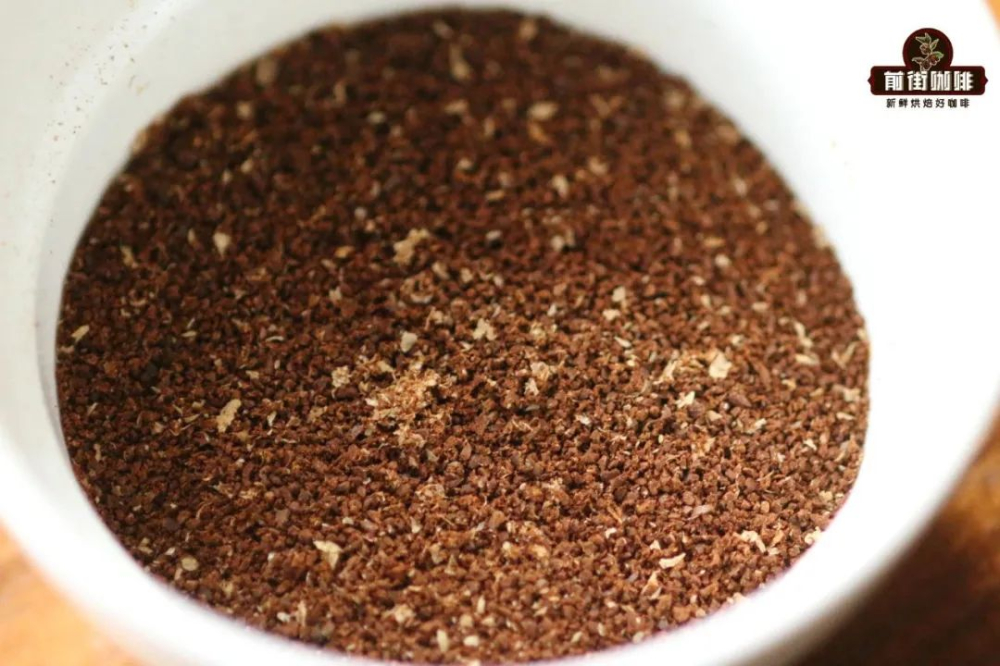
Sometimes, after grinding coffee beans, you may notice small yellowish-white flecks mixed into the powder. What are these fragments? Why do some beans have many while others have none? And will they affect the taste of the brewed coffee if left in?
The Last "Clothing" of Coffee Beans
Those conspicuous white crumbs are the silver skin that wraps around the coffee bean — the final layer of "clothing" a green bean wears before it enters the roasting oven.
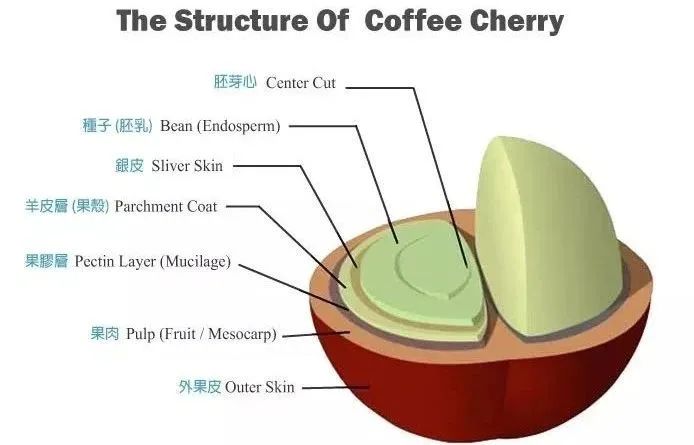
FrontStreet Coffee has previously covered the structure of the coffee cherry: skin, pulp, pectin layer, parchment, silver skin, and the bean itself. If you look at green beans, you will find that the silver skin of naturally processed coffee is typically yellowish-brown, while that of washed processed beans is generally off-white and semi-transparent, tightly wrapping the bean. Like the skin on a peanut, this layer cannot withstand the bean's excessive expansion during roasting and separates from it.
Why Does It Remain If It Has Separated?
Although the silver skin falls off during roasting, some beans still retain traces of it. How much remains is closely related to the processing method. If you buy different types of beans regularly, you will notice that some have a "white line" down the middle while others do not.
In the photo below from FrontStreet Coffee, the most visible difference between the two types of beans is exactly that white line in the center.
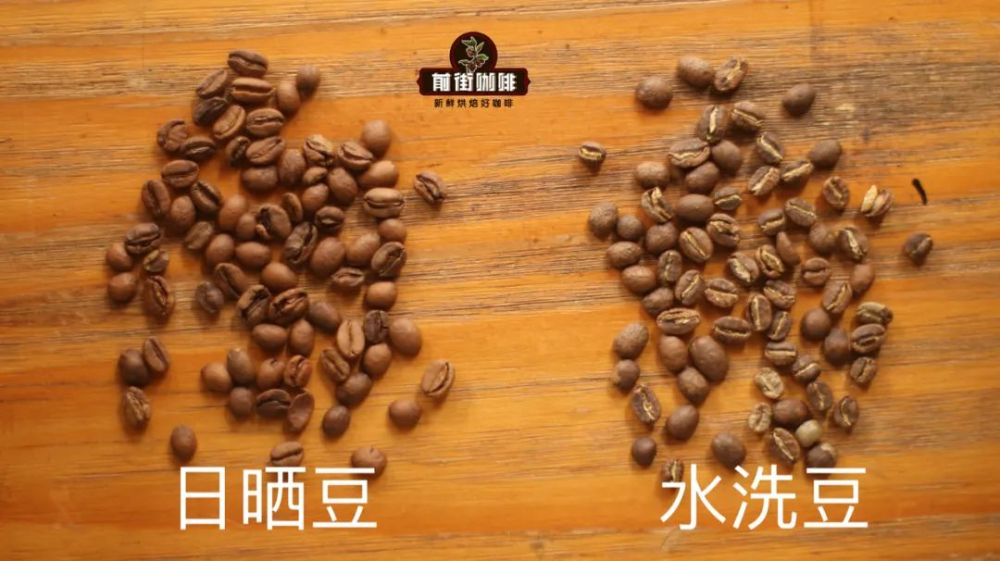
The reason is this: during natural processing, the silver skin stays relatively intact and can be peeled off in one piece during roasting, leaving only a tiny bit at the center of the bean. Washed processed beans cannot retain a complete silver skin the way naturally processed ones do, so during roasting it detaches only in small pieces. The leftover skin that does not fall away in the middle becomes the "white line" we see.
So observant coffee lovers can roughly determine whether a bean is natural or washed processed simply by whether it has an obvious white line.
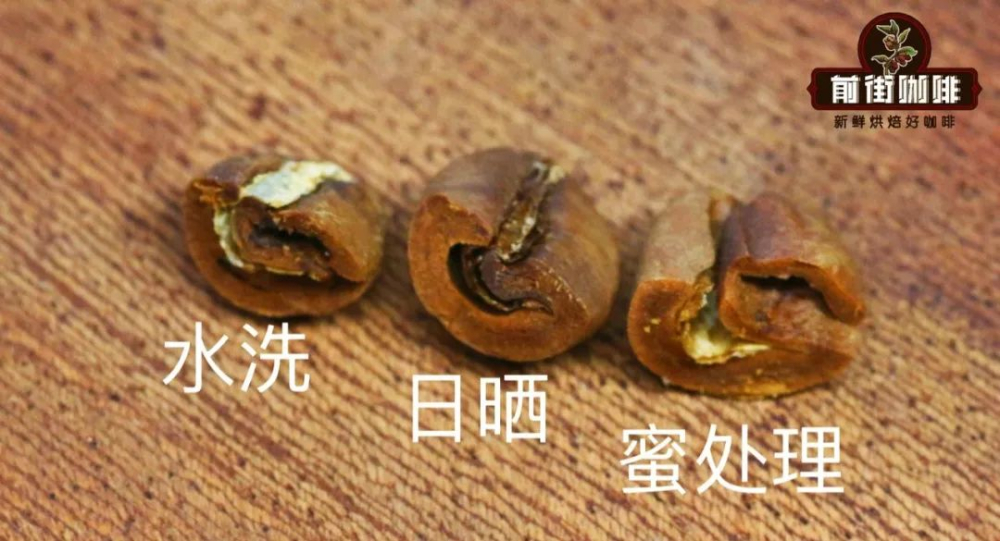
The image above shows cross-sections of beans processed three different ways. Each method retains some silver skin to varying degrees, and those with the most silver skin are most likely washed processed beans.
Will Silver Skin Affect Coffee Flavor?
This is probably what most people are curious about. FrontStreet Coffee's roaster prepared a large bag of silver skin, and without further ado, we began the "silver skin family bucket" experiment. FrontStreet Coffee used three methods — pour-over, tea bag, and espresso machine — to extract and taste what silver skin actually tastes like. (Since no specific bean type or roast level was specified, the experiment uses a blended silver skin.)
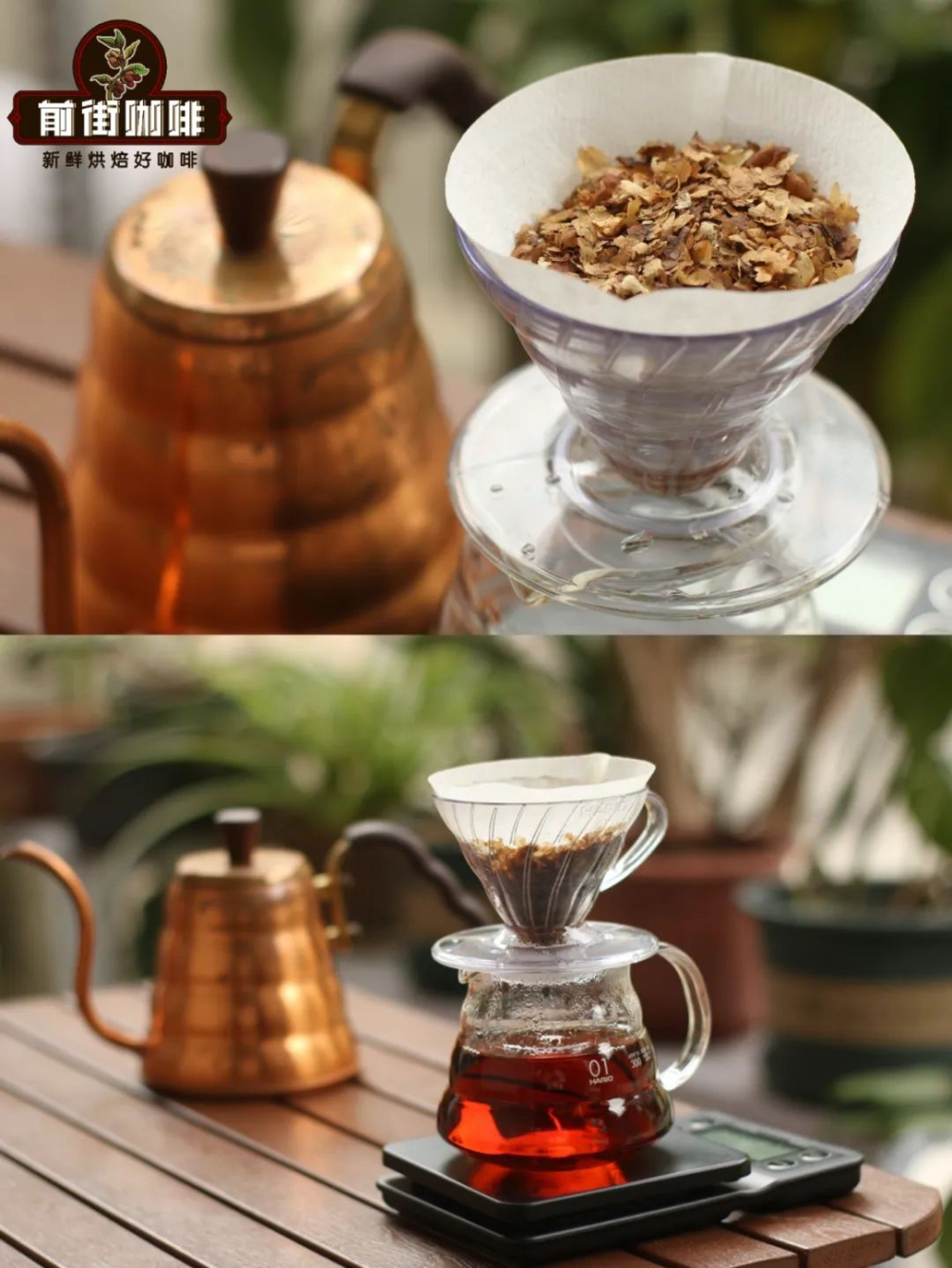
Pour-Over Silver Skin
FrontStreet Coffee used a 1:50 skin-to-water ratio: 6 grams of silver skin infused with 300 grams of 90°C hot water. The brewed silver skin water smells very much like genmaicha, though it tastes more of wheat. The overall mouthfeel is relatively light, but it is very smooth and pleasant.
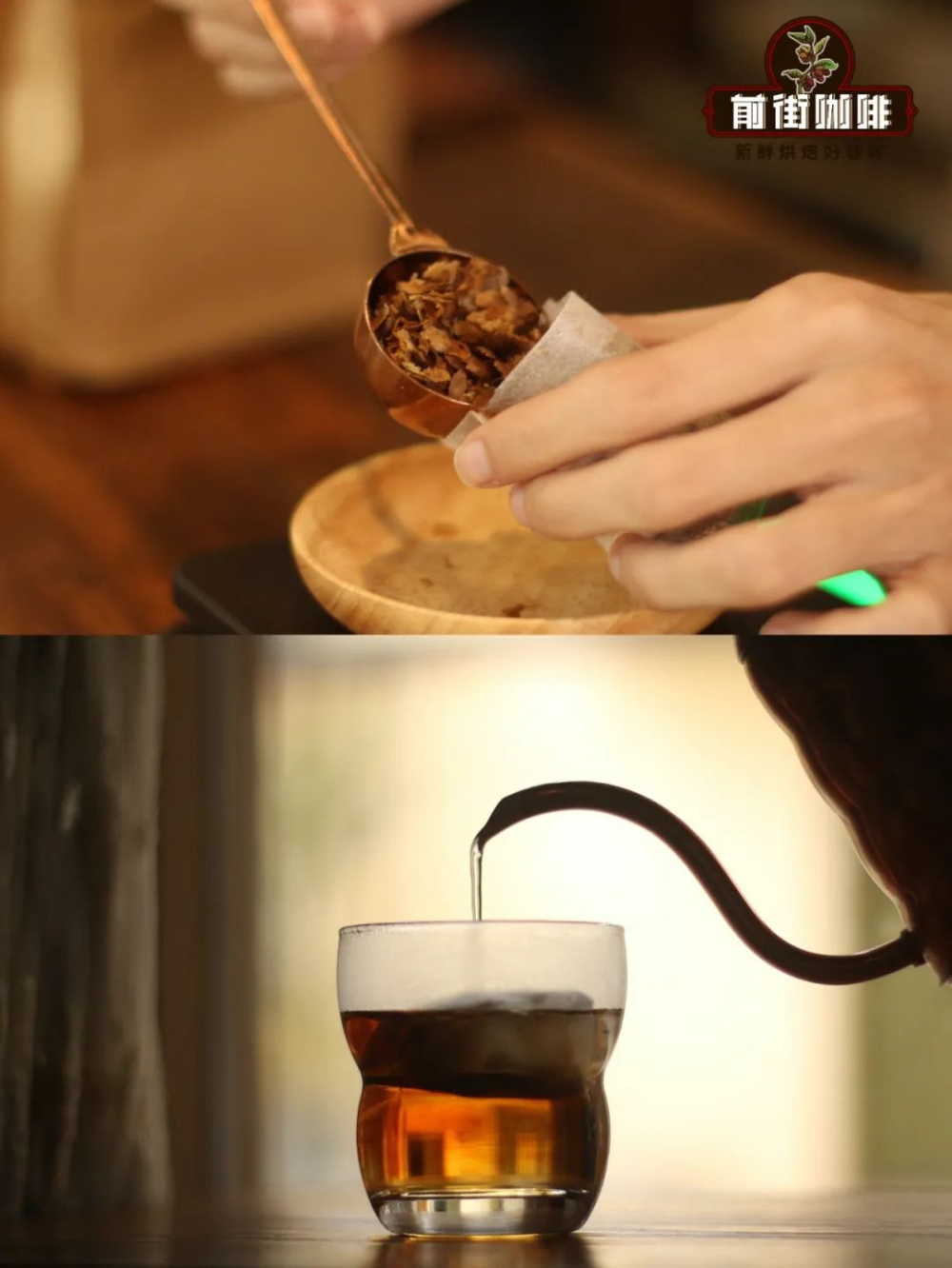
Silver Skin Tea
FrontStreet Coffee filled a disposable tea bag with 3 grams of silver skin, placed it in a cup, poured in 210g of 95°C hot water, and let it steep for 15 minutes before tasting. The infused tea was not as aromatic as the pour-over version, but it tasted more like Ku Ding tea — smooth and pleasant, without any astringency.
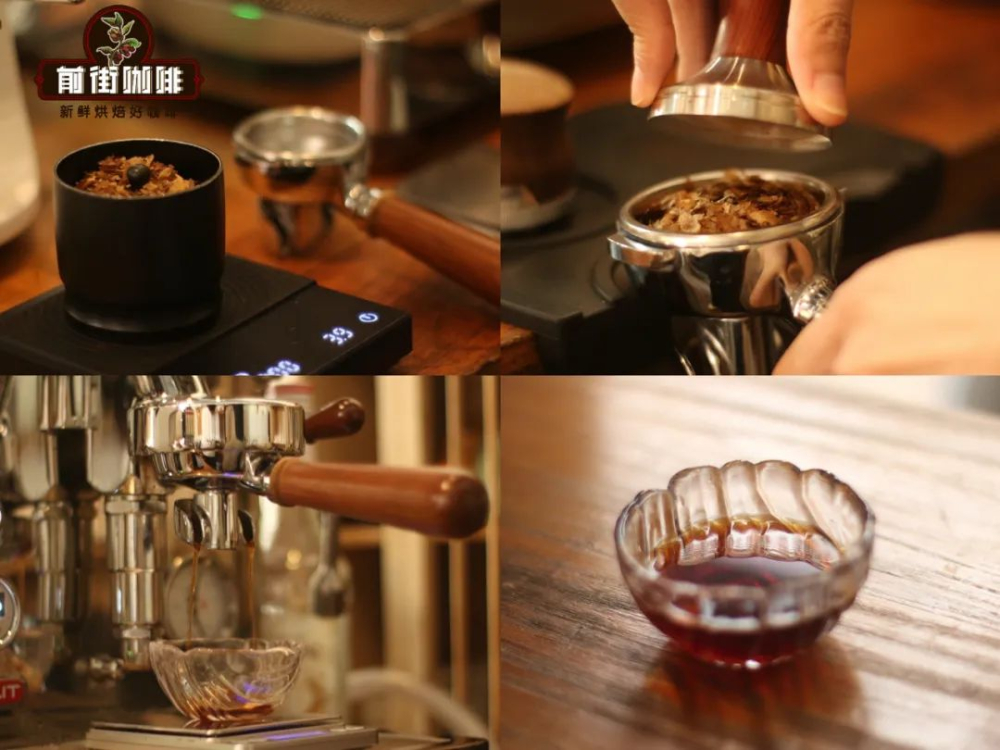
Espresso Machine High-Pressure Extraction
Because silver skin has an expanded, loose structure, FrontStreet Coffee was concerned it might spray wildly under high pressure, so we used a split portafilter. Extraction parameters: 4 grams of silver skin, yielding 36 grams of silver skin concentrate in 12 seconds. (Any more would not fit in the portafilter basket, and a tamper was of little use.)
Although the flow was very fast, it did not gush out like a fully opened faucet. In appearance, the resulting silver skin tea was much darker, very similar to dark roast pour-over coffee. On tasting, there was first a rich camellia fragrance, followed by a brief bitterness, and the aftertaste after swallowing was extremely long-lasting — seven to eight minutes.
Across all three extraction methods, the results were consistent. The flavors the silver skin presented were almost entirely wheat aroma and genmaicha-like sensations, with no unpleasant tastes; the astringency we imagined was completely absent. We can therefore conclude that the silver skin left in coffee beans will not negatively affect the coffee. On the contrary, it can add another layer to the cup.
- END -

FrontStreet Coffee Recommendation
The "white line" experiment above is really a story about processing, and if you want to taste how washed processing shapes a cup, FrontStreet Yirgacheffe Gudingding Cooperative is a fine place to start. The Gudingding Cooperative is an excellent processing team based in Gudingding village, and its washed process draws out jasmine florals and bright citrus acidity to the fullest. Roasted to a medium-light level, these beans show green tea and honey notes as well, and they suit pour-over, cold brew, and espresso alike.
Kenya is another country that excels at washed processing, and FrontStreet Kenya Cherry Tomato is one of its best-known representatives. Kenya's signature approach repeats the washing step: flotation and soaking, washing away the mucilage left on the bean surface, soaking again, then drying and hulling. This repeated rinsing and soaking presents the juice-like quality at its extreme, with rich cherry tomato, smoked plum, pear, black plum, and yellow sugar aromas and a mouthwatering sweet-tart balance.
For a heavier, more classic profile, FrontStreet Jamaica Blue Mountain No. 1 showcases what washed processing can preserve. Jamaica is an island climate with comparatively short daylight, and the washed method was adopted there to reduce the moisture wrapped around the beans and shorten drying time, producing translucent beans with a low defect rate. The result is a dense aroma of hazelnut, cream, chocolate, and caramel, with a balanced body in which no single flavor dominates or falls short.
Important Notice :
FrontStreet Coffee is a long-established specialty coffee roaster in Guangzhou China, selling freshly roasted beans from its own farm in Yunnan as well as dozens of carefully selected single-origin beans from around the world for both pour-over and espresso. The products deliver consistently excellent quality and great value, with shipping within 24 hours. Guangzhou's FrontStreet Coffee shop is recommended by many coffee lovers, and the beans are now available online at the Tmall 。
FrontStreet Coffee has moved to a new address:
FrontStreet Coffee Address: 315,Donghua East Road,GuangZhou
Tel:020 38364473
 Scan and follow the En Gafei WeChat official account. Please indicate that the reprint comes from "En Gafei".

