
An Introduction to Ninety Plus Geisha Estate Eleta in Panama's Volcán Region
The Rise of Geisha Coffee in Panama
In 2005, Hacienda La Esmeralda entered its Geisha variety in the Best of Panama (BOP) competition and auction. The exceptionally high scores made the bean famous, and it broke the record for coffee auction prices at the time at over $20 per pound. Since then, Panamanian coffee has gradually gained recognition in the global market, becoming an internationally known specialty star-producer of Geisha coffee. That in turn drew many people to establish their own estates in Panama, among them Joseph Brodsky, founder of the Ninety Plus company.
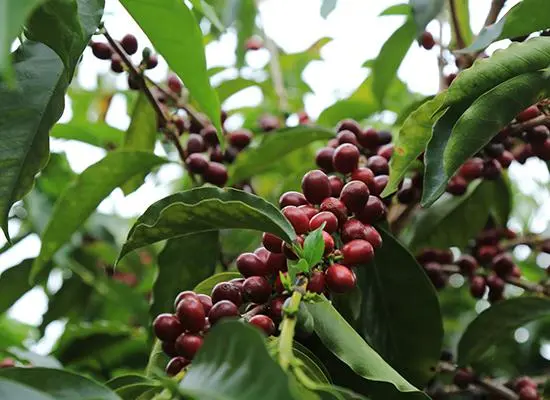
The Volcán Growing Region
Panama today has three main coffee growing regions - Boquete, Volcán, and Renacimiento - all in Chiriquí Province. They are ringed by three volcanoes: Volcán Barú, El Valle, and La Yeguada. Boquete is the most famous, since the renowned Hacienda La Esmeralda estate is located there.
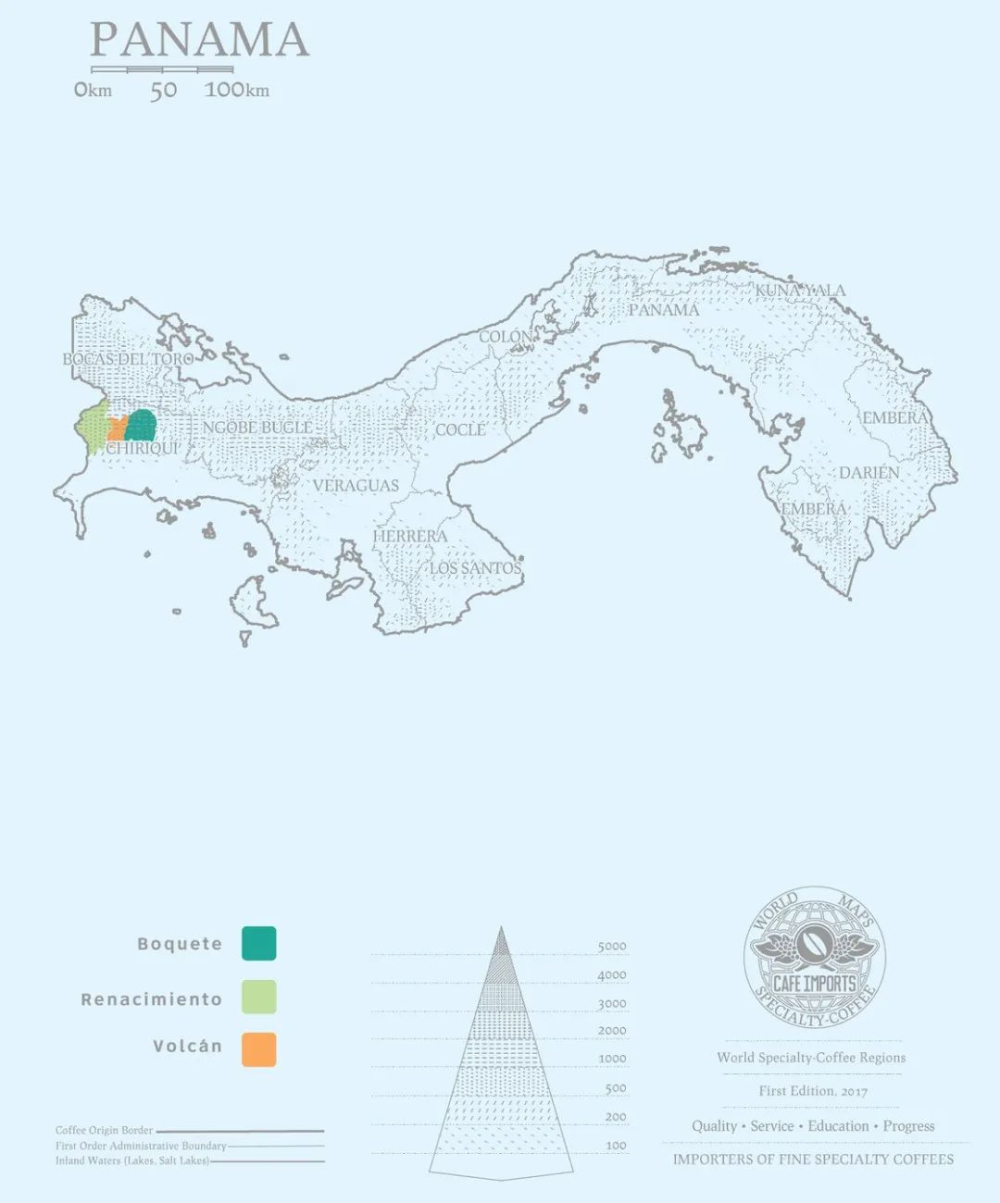
Although the Volcán region is not as well known as Boquete, in recent years its coffee has gradually emerged in the specialty market. Volcán lies on the eastern side of Volcán Barú, whereas Boquete is also on Volcán Barú. The northern part of Volcán is blocked by mountains, so Atlantic moisture struggles to reach it, making the region relatively dry. Add abundant sunshine, altitudes of 1,200-1,800 meters, and fertile volcanic soil, and the coffee here develops rich dried-fruit sweetness and aroma. Volcán is currently home to many outstanding estates, such as Ninety Plus Estates, Hartmann Estate, and Janson Estate.
The Ninety Plus Company
Ninety Plus is the name of an American green coffee company. In coffee cupping, though, "Ninety Plus" means a score of 90 points or above - only beans of exceptionally high quality and flavor reach that mark. Many people therefore assume Ninety Plus only produces beans scoring above 90, and indeed its beans are outstanding. That is thanks to its own production system, called Profile Processing.

Ninety Plus Profile Processing
This is the Profile Processing system that Ninety Plus founder Joseph Brodsky established when the company was founded in 2006. Conventional green coffee merchants first cup and taste when buying beans, then purchase the ones that taste good - essentially buying high-quality green beans produced by others and reselling them. Ninety Plus works differently: it does not buy directly, but handles the selection and processing of green beans itself, relying on its own techniques to produce high-quality coffee.

At first Ninety Plus was not a large company and lacked the funds to cultivate, so it started with processing. It bought coffee cherries from surrounding farmers and brought them back to the plant for meticulous processing, producing two beans: Aricha and Beloya. Both had extremely rich fruit flavors and caused a huge response when they reached the market, making Ninety Plus famous overnight. Later, with more income, the company moved into green bean production, selecting promising farmers and giving farmers and processing plants suggestions and techniques at different levels, while strictly selecting beans from each processing batch. That kept Ninety Plus' quality consistently high.
Ninety Plus Estates
By 2009, with years of accumulated technology and experience, Ninety Plus established the Ninety Plus Geisha Estate in Panama's Volcán region. Having earlier failed to find a variety in Ethiopia comparable to Geisha, they decided to plant Geisha and apply their techniques to it. By 2014 the estate began producing coffee, giving rise to the Ninety Plus series. FrontStreet Coffee currently offers two beans from this estate's Ninety Plus series: Juliette Geisha and Eleta Geisha. Both use the Ninety Plus processing method, and although Ninety Plus has not disclosed the specific details, FrontStreet Coffee's cupping leads us to believe it is an anaerobic natural process.
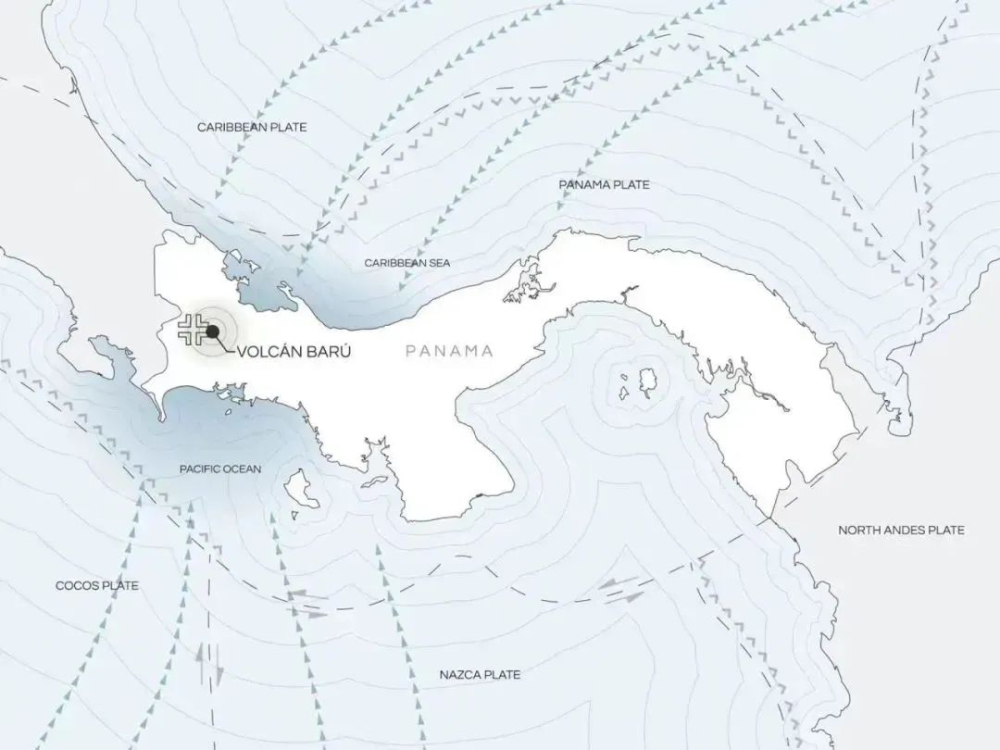
Then, in 2019, Ninety Plus acquired another plot and established a new estate. Because of its location near Volcán Barú, it was named Ninety Plus Barú Estates.
FrontStreet Coffee Panama Ninety Plus Geisha Eleta Coffee Beans
Region: Volcán Region
Estate/Processing Plant: Ninety Plus Geisha Estate
Altitude: 1,400-1,800 meters
Variety: Geisha
Processing Method: Ninety Plus Processing
Flavor: Bergamot, Sweet Orange, Pineapple, Longan, Preserved Fruit, Apple
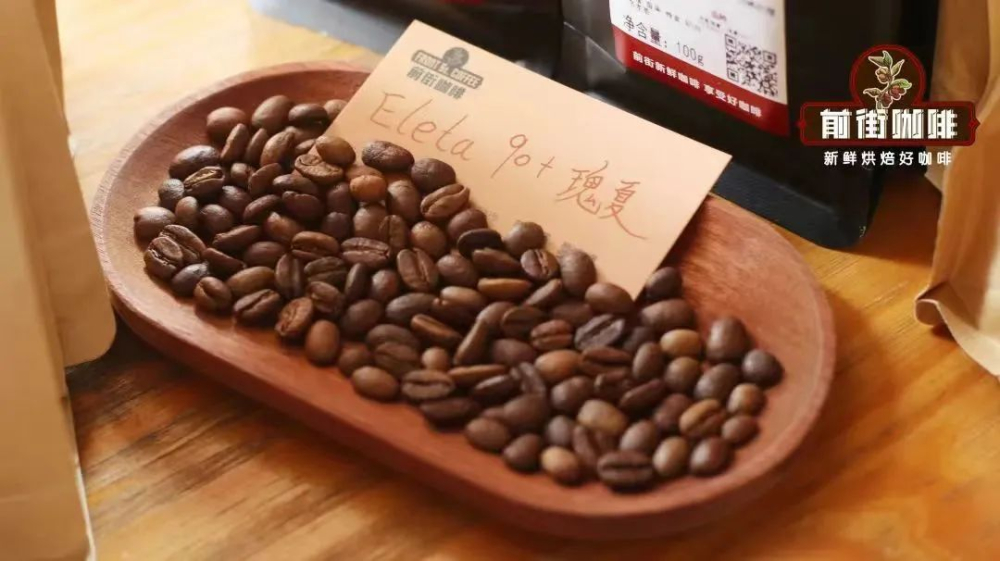
FrontStreet Coffee's Ninety Plus Geisha Eleta is a medium roast. FrontStreet Coffee brews it in a V60 at a 1:15 ratio and 92°C. You can smell the aroma of longan and preserved fruit. On the palate come bergamot and sweet orange. As the cup cools slightly, pineapple and longan emerge, with an apple-like sweetness - a rich, varied mouthfeel and a lingering finish.
FrontStreet Coffee Recommendation
Geisha is a broad family, and it helps to know the labels. FrontStreet Coffee's Esmeralda Red Label Geisha, formally "Esmeralda Special," is grown at 1,600-1,800 meters; every lot must cup above 90 points and carries its own number, and each lot comes from a single small plot - FrontStreet Coffee's Red Label, for instance, is from the Harimiyo plot. FrontStreet Coffee's Green Label Geisha, originally "Private Collection," blends lots from several plots rather than stressing detailed plot information, and it showcases the estate's signature high-altitude Geisha character at a friendlier price.
For a first taste of the much-talked-about Geisha profile, FrontStreet Coffee usually points people to its Boquete Geisha from Panama. It is an entry-level Geisha that lets you enjoy, at an accessible price, the classic orange-blossom honeyed charm of high-quality Panamanian Geisha, along with an oolong-tea character, delicate fruit acidity, and clear layers.
Ethiopia, the birthplace of coffee, also has an estate famous for the variety: Gesha Village. Its grading is more complex than Esmeralda's, with three Geisha types planted - Gori Gesha, Gesha 1931, and Illubabor Forest - and tiers including Gold Label RARITIES, Red Label GROWERS RESERVE, Green Label SINGLE-TERROIR, and CHAKA lots. FrontStreet Coffee's Gold Label, of the Gesha 1931 variety and about 10% of Gesha Village's output, is a delicate natural with complex, layered flavors. FrontStreet Coffee's Red Label, of the Gori Gesha variety and about 15% of output, scores 88 or above on the SCA 100-point scale and is a single-terroir series, so every lot carries full traceability. And FrontStreet Coffee's Genlana Geisha, from a single-variety Ethiopian estate near the Kochore and Genlana Abaya border, is hand-picked and dried on raised beds for 14-20 days, giving bright citrus acidity, elegant ginger-lily florals, and ripe-fruit sweetness.
Important Notice :
FrontStreet Coffee is a long-established specialty coffee roaster in Guangzhou China, selling freshly roasted beans from its own farm in Yunnan as well as dozens of carefully selected single-origin beans from around the world for both pour-over and espresso. The products deliver consistently excellent quality and great value, with shipping within 24 hours. Guangzhou's FrontStreet Coffee shop is recommended by many coffee lovers, and the beans are now available online at the Tmall 。
FrontStreet Coffee has moved to a new address:
FrontStreet Coffee Address: 315,Donghua East Road,GuangZhou
Tel:020 38364473
 Scan and follow the En Gafei WeChat official account. Please indicate that the reprint comes from "En Gafei".

