
What's the Purpose of Purging Steam Before Frothing Milk? Important Details to Note Before Latte Art!
Why Do Baristas Purge the Steam Wand Before and After Use?
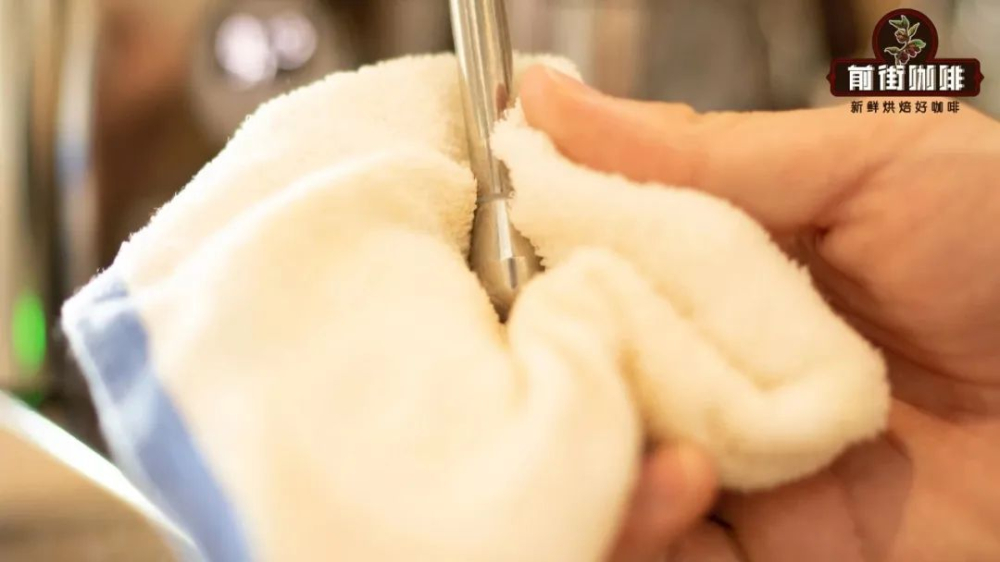
Walk past any café and, besides the rich aroma of coffee, you will often hear the hiss of milk being steamed. Watching the baristas work, you may have noticed one habit: every time before and after using the steam wand, they purge it for a few seconds, then wipe it with a cloth - and some keep the cloth over it the whole time.

Why purge before and after use? And why do some baristas cover the wand with a cloth while others don't?
Why Purge the Steam Wand Before and After Steaming Milk?
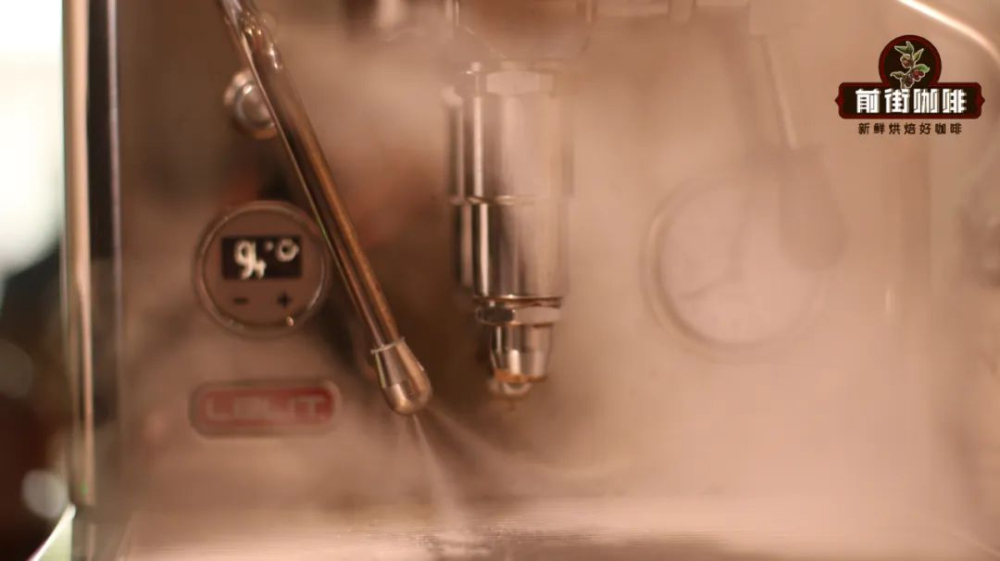
Purging for a few seconds before steaming helps raise the wand's temperature and expel condensed water from inside. When the wand has been idle for a minute or two, the steam left in the pipe gradually cools and condenses back into water. If that cold water is not expelled first and the wand goes straight into the pitcher, it will dilute the milk - and in bad cases, blow large bubbles into it.

After steaming, we turn the steam off first and then remove the pitcher. The wand's surface and steam holes will still hold some milk residue. If it is not cleaned promptly, it gradually dries, sticks to the surface under high heat, and may even caramelize. Over time it can spoil and give off unpleasant odors. Meanwhile, solidified milk clogs the steam holes and, eventually, reduces steam output.
So after finishing the milk, wipe away the residual foam immediately with a clean, damp cloth, then turn the steam on again and purge for a few seconds to push out as much leftover milk as possible.
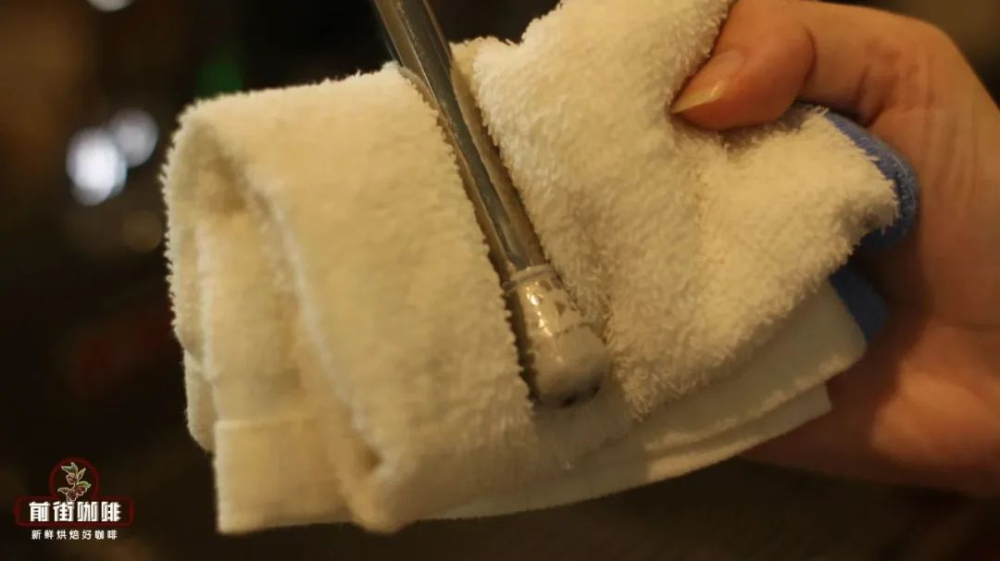
The Case For Covering It With a Cloth
1. It keeps steam from spraying everywhere and causing burns
Some high-volume cafés run commercial machines with two or three boilers, and those produce very powerful steam. FrontStreet Coffee has seen steam that shoots a meter or two and fills the whole bar counter the moment the knob is turned. That not only blocks your view and disrupts the espresso being pulled, but also makes accidental burns easy. So a dedicated milk cloth is used to cover it, keeping the steam contained.
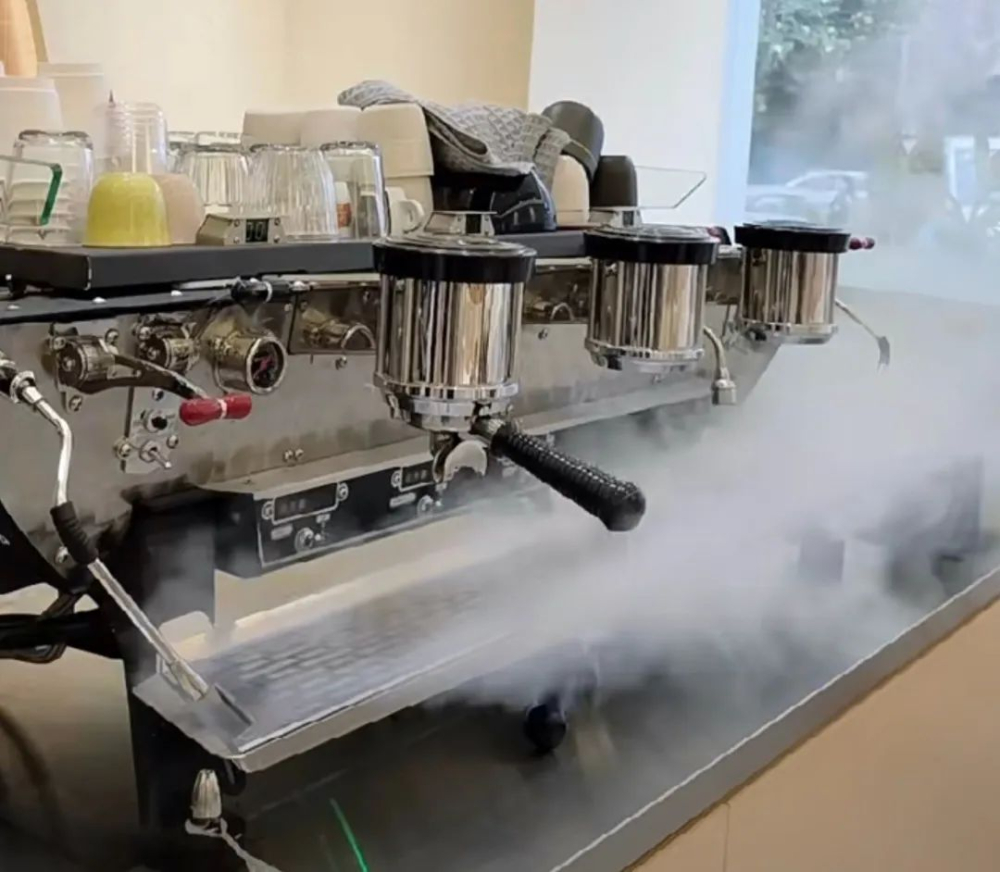
2. It catches the residual milk sprayed from inside the wand
As mentioned, some milk stays inside the wand and cannot be wiped away. Spray it directly and those droplets land on the drain tray below - or the counter. Over time the whole tray turns sticky, and often-used items like the scale and shot cups pick up the mess, until the entire bar is tacky. That is why some baristas cover the wand with a cloth when releasing steam after steaming milk.
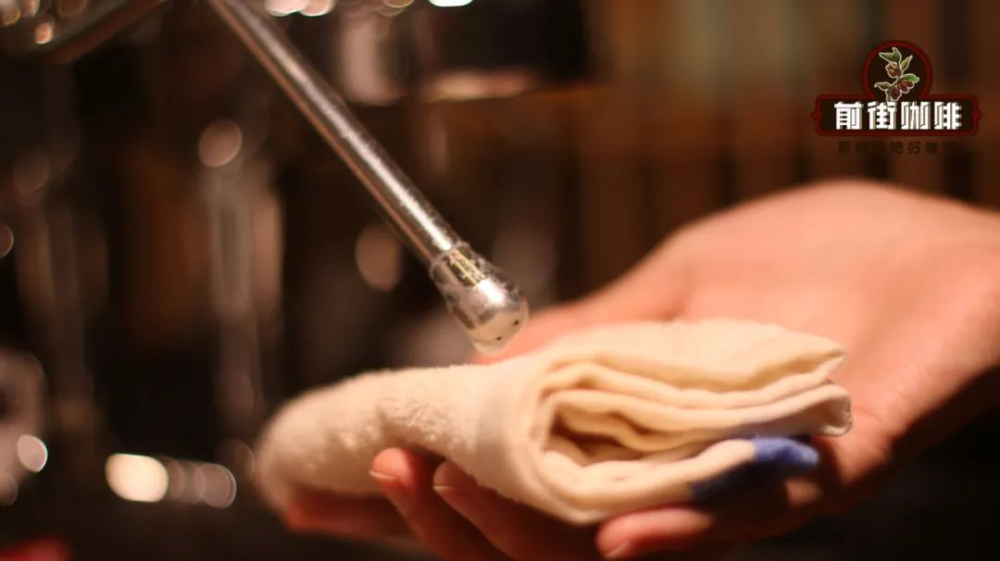
3. It saves time by wiping and purging at once
Making espresso drinks is all about fast, consistent output. When orders pile up and the pace is intense, every second saved by combining or cutting an action becomes valuable. So many baristas wipe the milk off the wand's surface while purging at the same time, rather than wiping first and then turning the knob to purge.
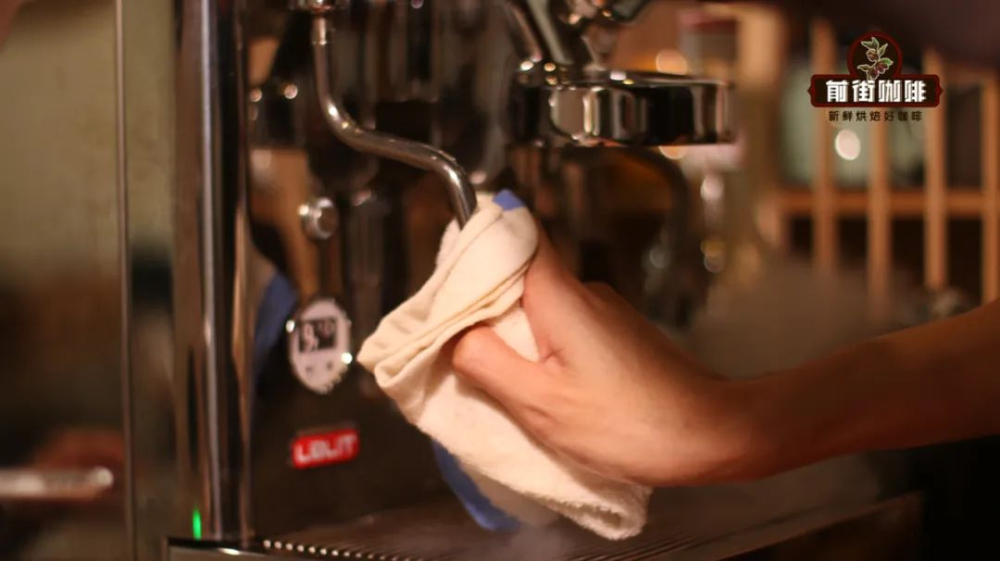
4. It is a habit formed during early training
Many beginners meeting an espresso machine for the first time try it at a friend's shop or in a course, and it is only natural that someone facing a steam wand for the first time is startled by its output and dares not touch it - or touches the metal surface and burns a hand. So they are advised to cover it with a dedicated cloth before purging. Some training programs, having seen this often enough, simply require that the wand be covered when purging. Over time, the habit sticks.

The Case Against Covering It
1. The milk cloth gets damper and damper
Steam is a gas, but it condenses into water as it cools. Cover the wand with a cloth every time you purge, and the cloth will be damp after steaming just a few pitchers (each pitcher requires two purges), which makes it hard to use. Worse, if you are not careful it starts to smell over time - especially in a hot summer, when it happens even faster, so milk cloths need constant changing and washing.
2. Just be a little careful when purging
Some cafés with low daily output only equip single-boiler, single-wand machines because that is all they need, and the steam is not especially powerful. As long as you are careful not to open the steam too far and do not aim it at anyone, there is nothing to worry about. So they don't bother covering the wand when purging.
3. Worried about burns? Just don't touch the metal surface
Most steam wands come with a rubber sleeve for easy handling. If yours does not have one, that is no problem - buy heat-shrink tubing online and fit it yourself. A few dollars buys five or six meters, which is cheap and effective. And of course, some baristas claim they have already developed "iron palms" and need not worry at all.

- END -
FrontStreet Coffee Recommendation
Good microfoam starts with good crema, and good crema starts with the right beans. FrontStreet Coffee's Classic Blend is designed for espresso and the moka pot: a medium-dark recipe built from three origins and inspired by the old-school "Mamba" pairing of Mandheling and Brazil, with a little Robusta for extra aroma and body. It releases clear butter, toasted bread, and caramel-cookie aromas, with a strong flavor, solid body, and fine, delicate crema that extracts very consistently - a must-have for beginners.
If you like a nuttier, fuller style, FrontStreet Coffee's Specialty Blend pairs washed Colombian beans with semi-washed Brazilian beans for classic nut, dark chocolate, and caramel notes. Americano or milky drink, it brings forward creamy, almond, and cocoa aromas, with crema fully the equal of a café's and ample for practicing latte art. And if you are preparing to open a shop, FrontStreet Coffee's Commercial Blend adds a little Robusta to the Specialty Blend for more fine, deep-brown crema and a heavier body, so Americano, latte, or mocha all carry nut, cocoa, and caramel notes - and the foam for latte art comes easily.
Important Notice :
FrontStreet Coffee is a long-established specialty coffee roaster in Guangzhou China, selling freshly roasted beans from its own farm in Yunnan as well as dozens of carefully selected single-origin beans from around the world for both pour-over and espresso. The products deliver consistently excellent quality and great value, with shipping within 24 hours. Guangzhou's FrontStreet Coffee shop is recommended by many coffee lovers, and the beans are now available online at the Tmall 。
FrontStreet Coffee has moved to a new address:
FrontStreet Coffee Address: 315,Donghua East Road,GuangZhou
Tel:020 38364473
 Scan and follow the En Gafei WeChat official account. Please indicate that the reprint comes from "En Gafei".

