
Coffee Extraction Basics: What Are the Detailed Requirements for Making Espresso?

Espresso, the "soul" of the Italian coffee system, can be extracted in just 20-30 seconds. Yet before you press the brew button, a few mishandled details can easily produce a poorly tasting cup.

Today FrontStreet Coffee shares seven small details you might not have noticed when making espresso.
1. Forgetting to Dry the Portafilter Before Adding Grounds
Once extraction is done and the spent puck is discarded, rinsing the portafilter to clear residual stains and grounds, then drying it before the next shot, should be second nature to every barista.
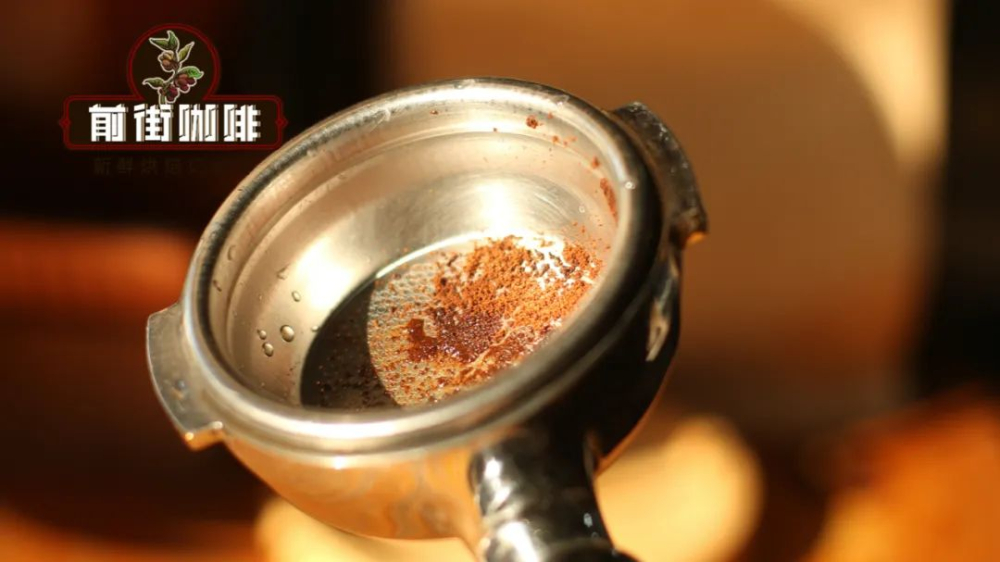
Some people are impatient, though, and add coffee grounds without wiping the portafilter dry. The powder that first touches the wet portafilter gets dampened early and clumps together, and later distribution and tamping barely affect those clumps. When extraction happens in that state, it is no surprise that the flow rate swings between fast and slow and the resulting espresso tastes inconsistent.
2. Severe Clumping of Ground Coffee
Because the coffee powder used for espresso is as fine as flour, it tends to clump while grinding. Some very dry weather conditions can make clumps that would not otherwise exist stand out badly.
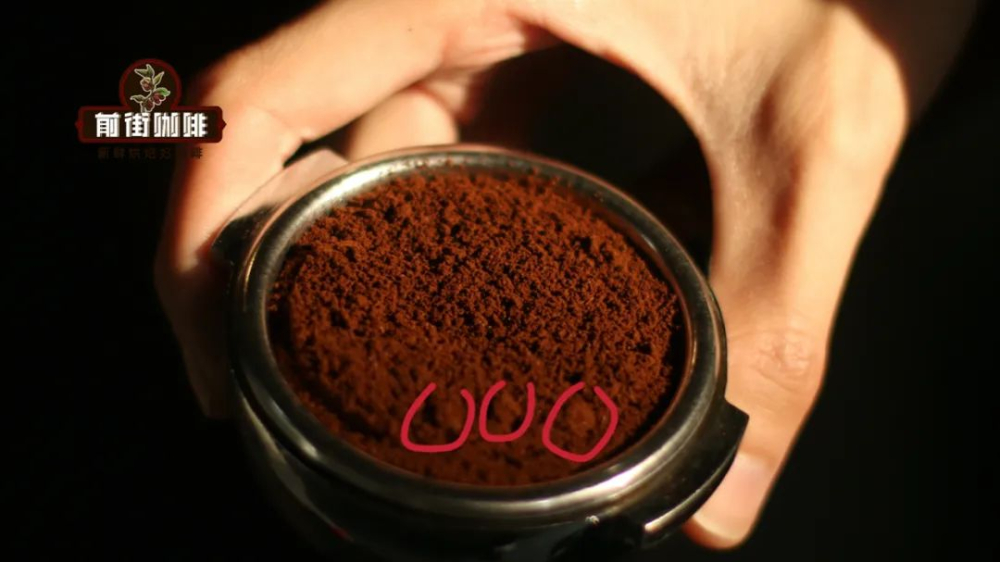
Nothing looks wrong after tamping, but the clumped powder has a tighter structure that hot water struggles to penetrate, so the water finds an easier path of less resistance and escapes. That creates channeling and, in severe cases, jet streams of liquid, which hurt the flavour. When you notice very obvious clumps in your grounds, reach for a distribution needle or a thin needle-like tool and gently break them up.
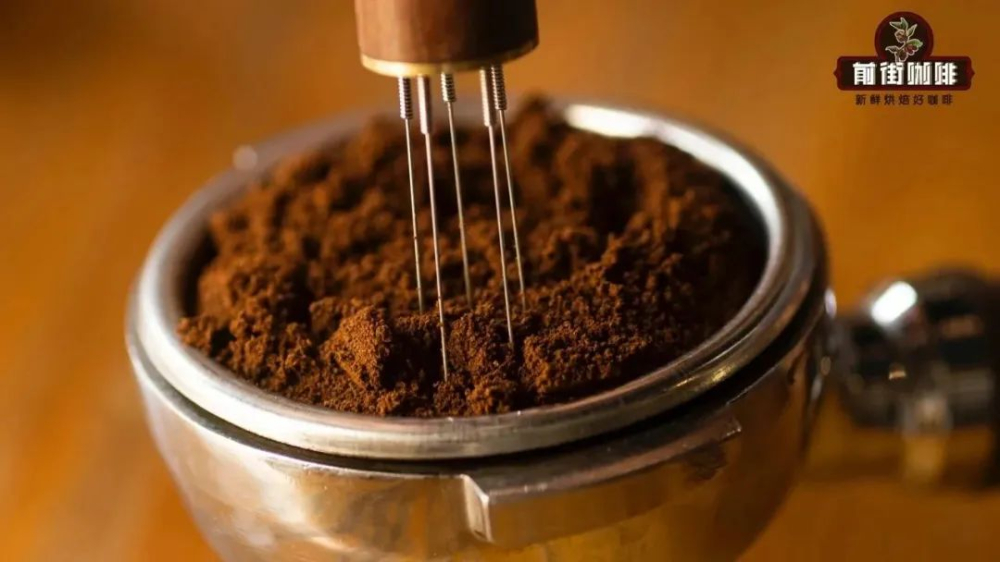
3. Tamping Directly Without Proper Distribution
Put simply, distribution makes sure the grounds sit evenly and smoothly in the portafilter, so hot water can pass through every particle "fairly" and keep their extraction as consistent as possible.
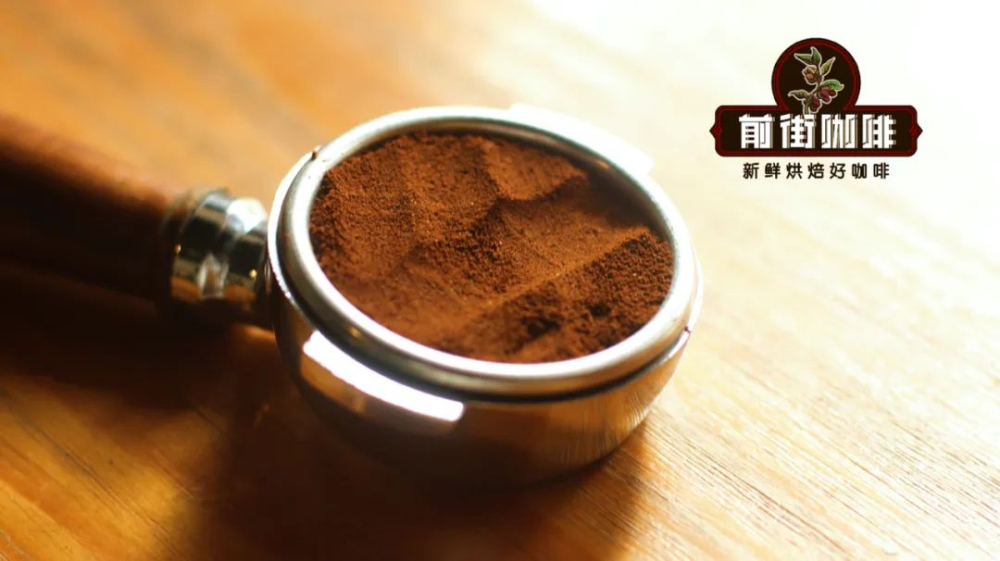
Some people dose the coffee and begin tamping at once, without levelling the bed first. On the surface the puck may have only slightly inconspicuous depressions, but during extraction hot water under 9bar of pressure concentrates on those small pits, causing perforation and jet streams. If there is water on the tamper, it will also carry away some grounds and leave the puck surface uneven. FrontStreet Coffee therefore suggests making the fluffy grounds as level as possible before tamping, or using a distribution tool to help.
4. Uneven Pressure During Tamping
Beyond uneven distribution, poor tamping technique also affects the final flavour. Some newcomers to espresso are not yet steady with the motion and press back and forth repeatedly. The bed may look perfectly level in the end, but the internal density of the coffee particles has been completely altered, making channeling more likely.
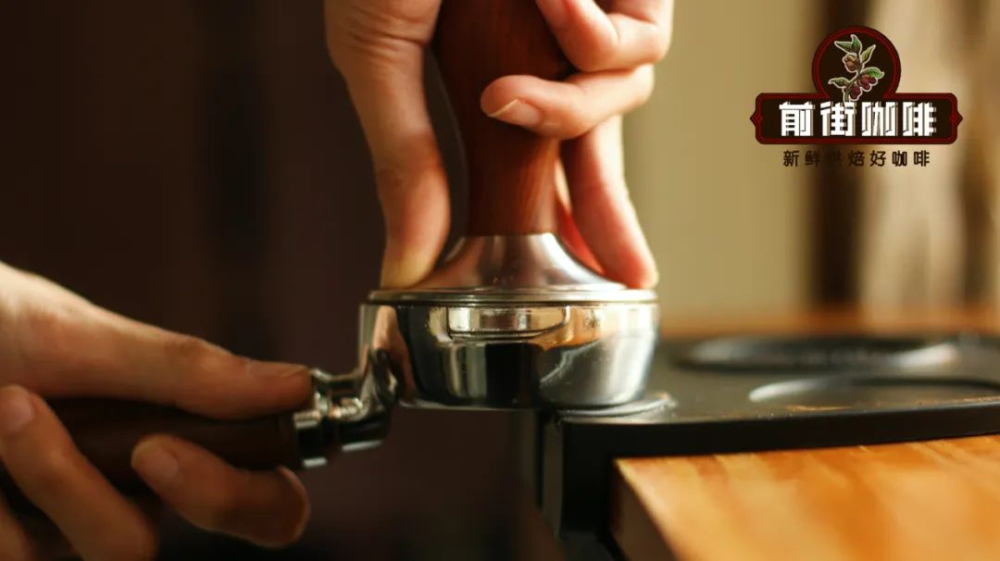
When using the tamper, try to complete the motion in one smooth press. If that is genuinely difficult, FrontStreet Coffee suggests going back over your tamping technique.
5. Accidental Bumps When Attaching the Portafilter
FrontStreet Coffee has seen new colleagues who were not yet familiar with the shop's machine fumble and knock against the brew head before finding the right angle to attach the portafilter. That can make the tightly compressed puck separate from the portafilter and crack, greatly raising the odds of punctures and channeling. The situation is common at home and just as common among new baristas with exaggerated movements. (P.S. FrontStreet Coffee gives such colleagues some time to settle in before they join daily production.)
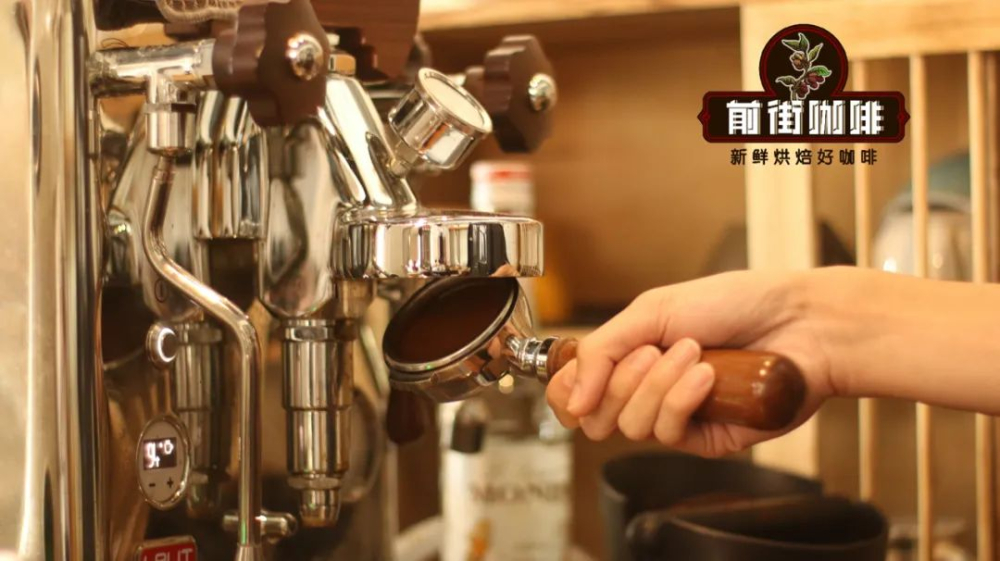
6. Not Flushing the Group Head
Removing the portafilter to discard the puck while pressing the brew button to release water is a subconscious move for baristas behind the counter. After extraction, some grounds and stains always remain on the shower screen. If they are not flushed away promptly, they dry and stick to the surface by the next extraction and end up being extracted along with the coffee — with predictable results in the cup.
Another situation is when there is a long interval between shots and the shower screen on the group head gets very hot. Attaching the portafilter directly can scorch the surface coffee grounds and give the espresso a burnt bitterness.
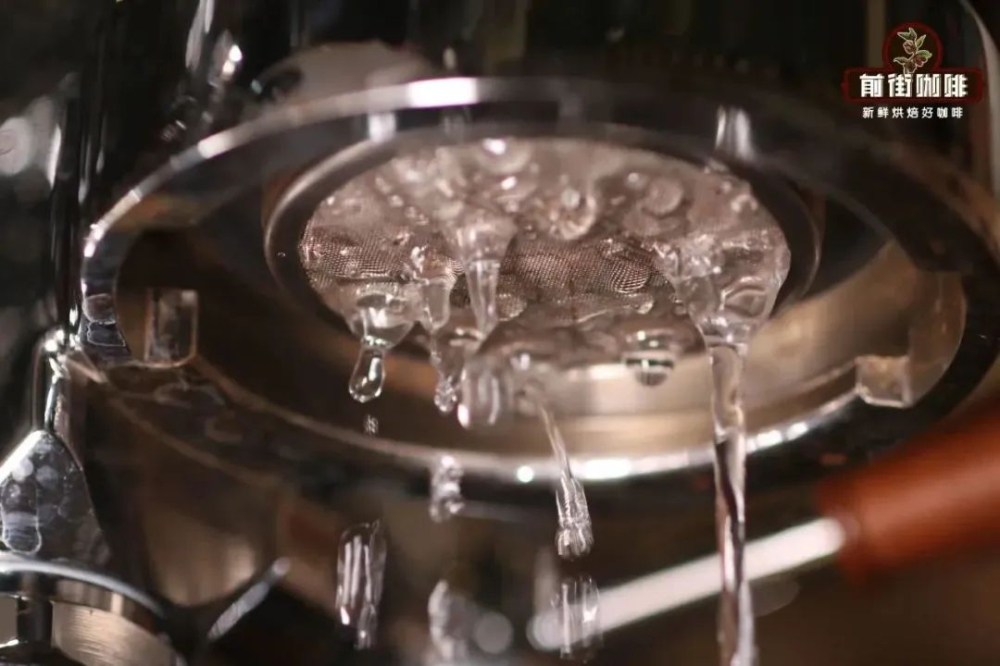
To avoid the negative flavours these situations cause, FrontStreet Coffee recommends making a habit of flushing some water before and after extraction.
7. Delaying the Brew Button After Attaching the Portafilter
Some people tamp, attach the portafilter, then realise the scale is not ready and rush to set things up. By the time they press the button, the shot is likely to carry a burnt bitterness. (FrontStreet Coffee often waits about ten seconds while focusing for photos, and the final espresso ends up with a slight burnt note.)
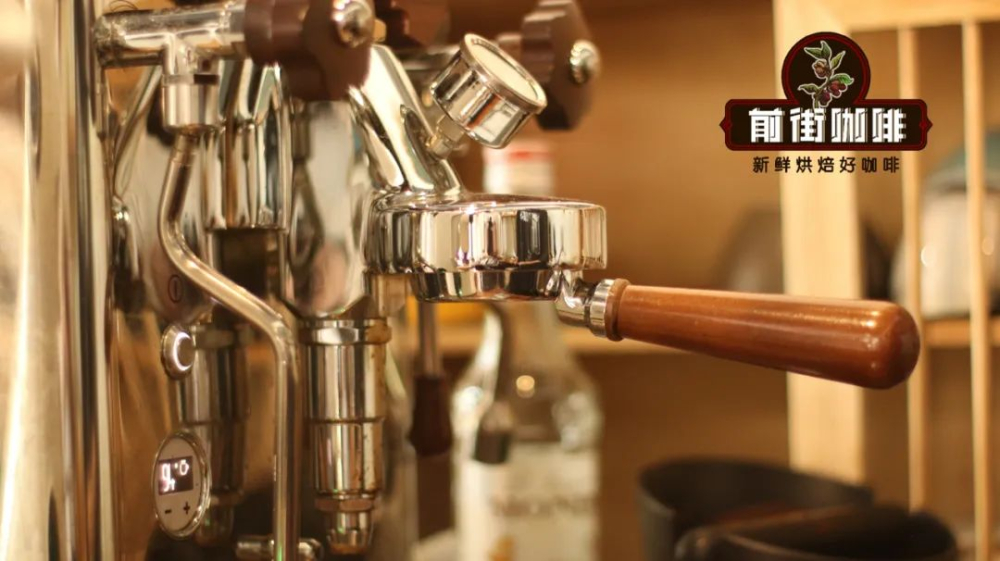
Because the group head runs very hot, if extraction does not start promptly after the portafilter is attached, the puck gets baked by the heat and develops a burnt taste. So finish all your preparation — scale, shot glasses, and the rest — before attaching the portafilter, and start extraction the moment it is locked in securely, avoiding over-extraction and waste.
- END -
FrontStreet Coffee
10 Bao'an Qianjie, Yandun Road, Dongshankou, Yuexiu District, Guangzhou, Guangdong Province
FrontStreet Coffee Recommendation
Most of these seven mistakes come down to grind and puck behaviour, so a forgiving daily espresso blend helps. FrontStreet Coffee's Premium Blend is the espresso bean its shops have used longest — nearly ten years — and it has long carried the core drinks, from Americanos to espresso lattes. Pairing Brazilian Cerrado with Colombian Huila, it tastes like the espresso most of us have in mind: nutty, with chocolate and caramel notes and a moderate acidity, and it suits both home and commercial use.
If you want a greater margin for error on a budget, FrontStreet Coffee's Black Cocoa Blend is a 100% Arabica option with plenty of crema and a full body. It brings together the ripe-plum acidity of Yunnan small-bean coffee with a creamy chocolate aroma on the grind. Balanced and highly adaptable, it handles latte and Americano as well as a range of specialty drinks, which is why it is such a popular choice for opening a shop.
Important Notice :
FrontStreet Coffee is a long-established specialty coffee roaster in Guangzhou China, selling freshly roasted beans from its own farm in Yunnan as well as dozens of carefully selected single-origin beans from around the world for both pour-over and espresso. The products deliver consistently excellent quality and great value, with shipping within 24 hours. Guangzhou's FrontStreet Coffee shop is recommended by many coffee lovers, and the beans are now available online at the Tmall 。
FrontStreet Coffee has moved to a new address:
FrontStreet Coffee Address: 315,Donghua East Road,GuangZhou
Tel:020 38364473
 Scan and follow the En Gafei WeChat official account. Please indicate that the reprint comes from "En Gafei".

