What is Combo Coffee? What Does "Two Drinks from One Bean" Mean?

Ever since Combo took off in the coffee world last year, customers have kept asking FrontStreet Coffee whether it offers one. When FrontStreet Coffee said it does not, one customer shot back: "Isn't Combo just extracting with a split portafilter, then adding milk to one cup and water to the other? Why don't you offer it?"
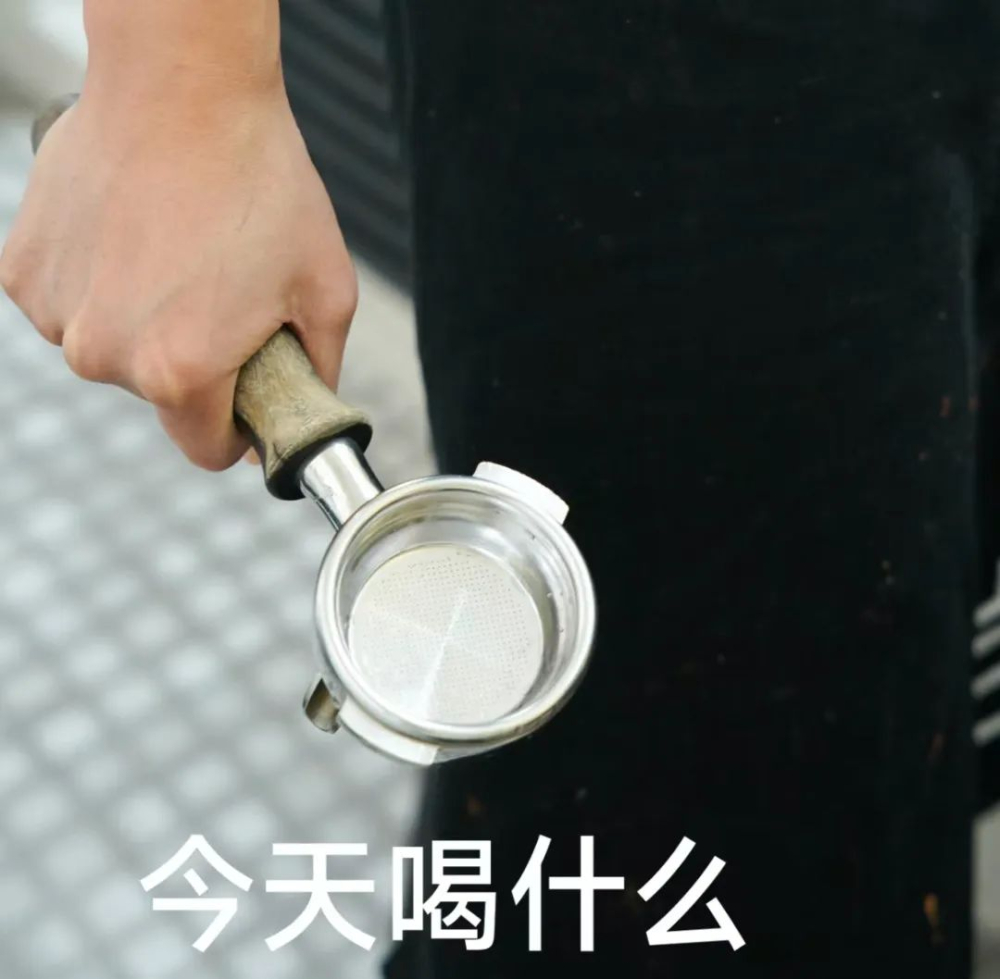
What is Combo?
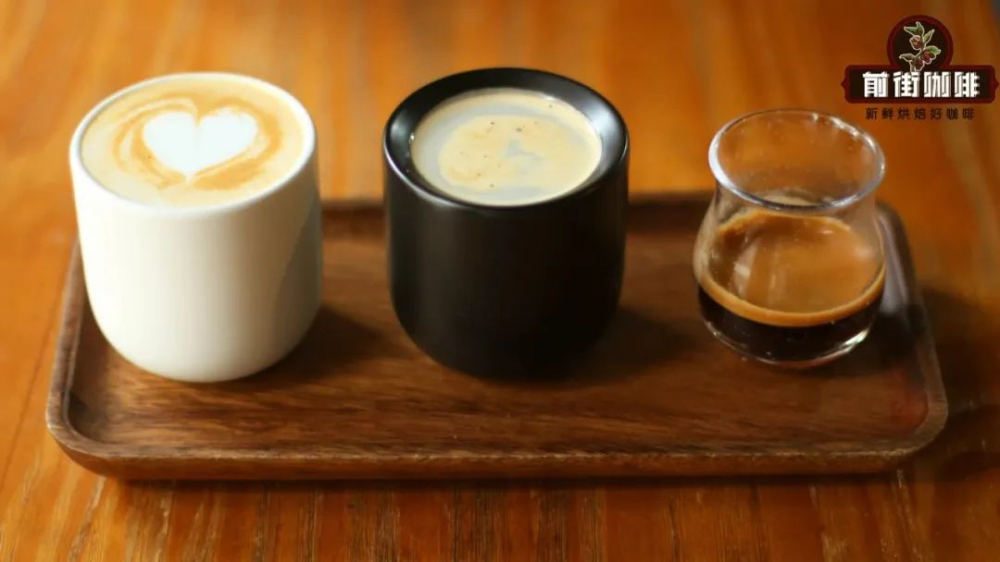
The full name should really be "Coffee Combo"—a coffee combination, and a way of serving espresso. It means splitting one dose of coffee grounds to extract 2 or 3 small cups of espresso, then using them to make different drinks and serving them as a set. In short: one bean, two drinks—or one bean, several drinks.

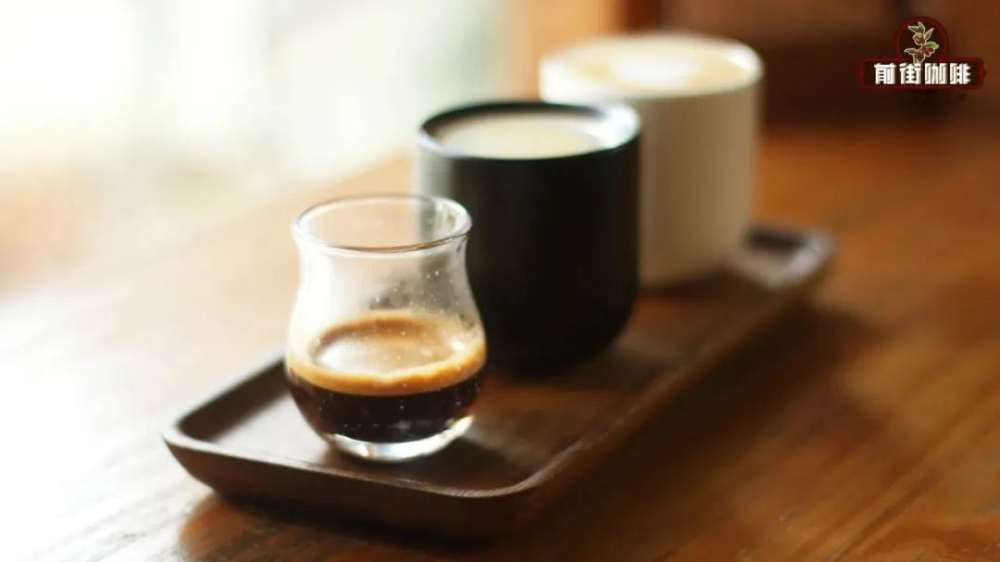
Today's combination sets on the market are mainly presented as "one black, one white"—one black coffee and one milk coffee—with cups generally around 150ml. Some coffee shops divide the espresso into three portions and make an additional specialty coffee. The two or three drinks on the small tray look delicate and refined, and even if you taste all three, you need not worry about excessive caffeine intake. The burden is light.
From an operational standpoint, it really does sound like what that customer described: use a split portafilter to extract two portions of espresso, then add water and milk separately. But if it were that simple, you would be underestimating Combo.

What are we tasting in Combo?
Combo actually originated at the WBC, the World Barista Championship, where each competitor has 15 minutes to present espresso, milk coffee and a creative coffee to the judges.
Combo is closely tied to the core idea of the third wave of specialty coffee: the taste of terroir, which focuses on the source information that can be changed—origin, variety, cultivation and processing method—and on tasting the aroma the beans express under those conditions. As a result, roast level is no longer centered on dark roasting.
It is worth noting that the darker the roast, the more of the small-molecule aromatic compounds that express floral and fruity sour aromas are lost, and the flavor drifts toward bitter notes such as nuts and chocolate. The Combo serving style of one bean and multiple drinks lets you taste the coffee's own aroma and also try how it behaves with milk. To showcase a bean's unique flavor through Combo, coffee shops therefore often choose relatively lightly roasted beans, and may even use SOE, or Single Origin Espresso.
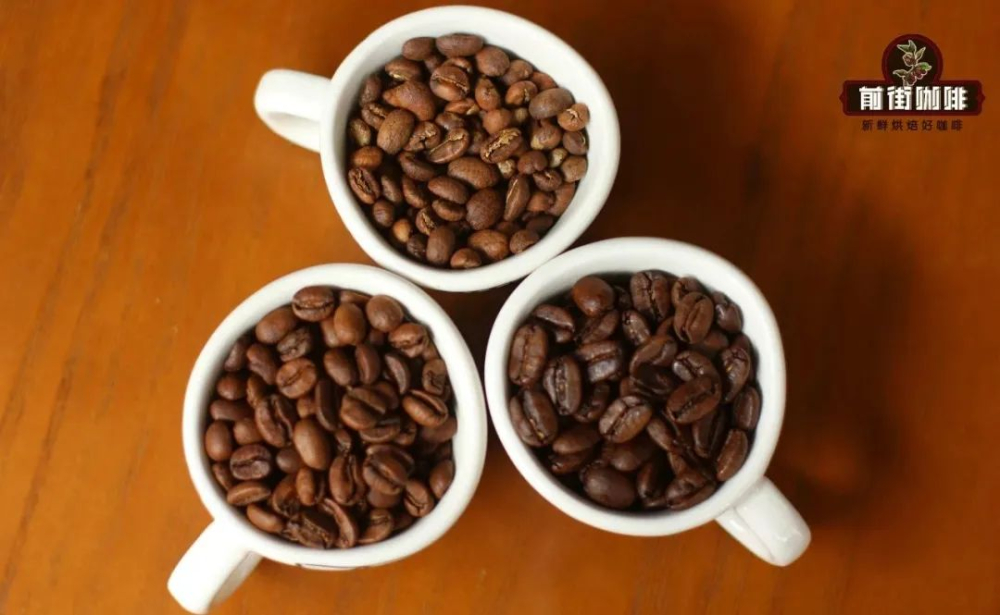
Different beans express different flavors. A bean might make a wonderful Americano yet disappoint with milk; another might suit milk coffee but lack distinctive character as an Americano. Choosing beans for Combo therefore means considering the flavors of both the black coffee and the milk coffee and finding a bean that stays relatively balanced and harmonious between the two. FrontStreet Coffee suggests selecting full-flavored, rich beans, or beans with strong directional character.
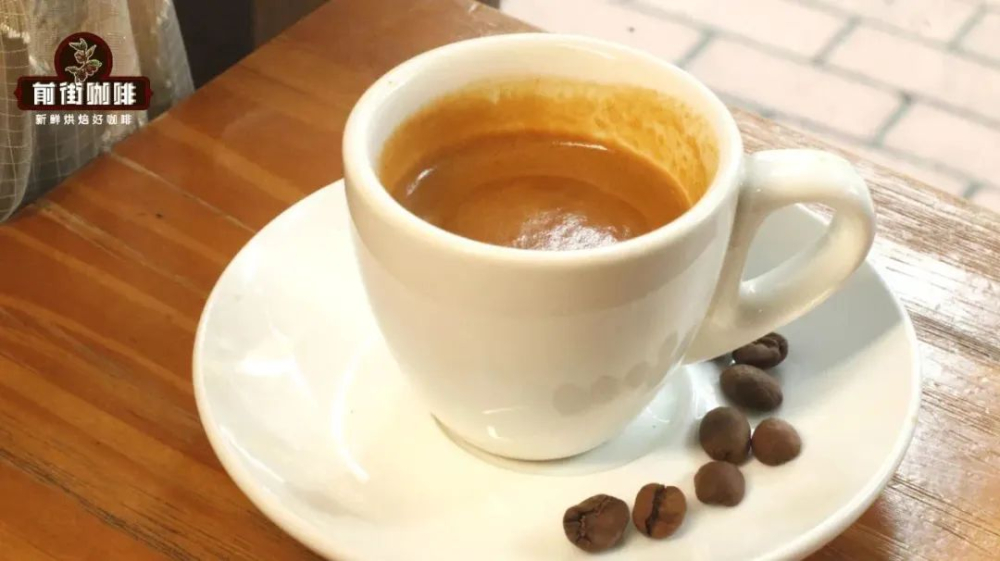
Combo is not a simple 1+1
The difficulty in making Combo also lies in how to make the extracted espresso cater simultaneously to the flavors expressed in both the milk coffee and the black coffee (espresso or Americano).
FrontStreet Coffee has also used a split portafilter, following the Combo serving style of one Americano and one milk coffee to make two drinks. It used Warm Sun Blend espresso beans, with 20g of coffee grounds extracted for 28 seconds to yield 40g of coffee liquid, with each split portion of espresso around 20g. The hot Americano followed the normal ratio of about 1:4, with 80ml of hot water added; the piccolo followed 1:2, with about 40ml of frothed milk added.
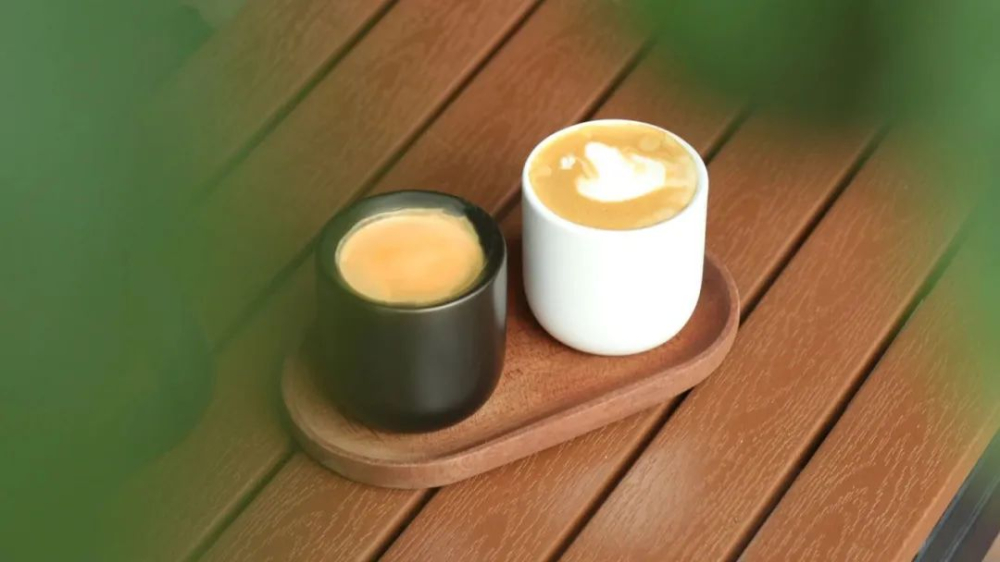
Tasting revealed that the hot Americano was somewhat dull, its flavors seeming very crowded, though careful tasting still brought out some whiskey aroma and vanilla cream flavor. The piccolo, as expected, showed perfect butter cookie and chocolate flavors, with rich coffee aroma and some fresh milk sweetness.
The tasting taught us that a hot Americano made from a split single shot cannot simply use the original 1:4 coffee-to-water ratio. The ratio needs to be adjusted lower, with more water added to give the aroma more room to express itself, or the extraction parameters need to be readjusted to make the espresso flavor better—though carelessness here easily weakens the milk coffee. Conversely, if the Americano or espresso performs well but the milk coffee is predominantly milky, we might consider reducing the proportion of milk.
Why doesn't FrontStreet Coffee offer Combo?
The hardest part of Combo is making trade-offs between the milk coffee and the Americano or espresso, which requires spending a great deal of time and materials to find a compromise extraction plan. FrontStreet Coffee stores only use Warm Sun Blend for espresso-style coffee. Although the bean is also suitable for Combo, separately dialing in a perfect extraction just for Combo does not seem worth the cost when production volume is not large.
- END -
FrontStreet Coffee Recommendation
A Combo lives or dies by how its beans perform in both black and milk coffee, and the same is true of the espresso you brew at home. For a blend built specifically for espresso and moka pot coffee, the FrontStreet Classic Blend leads with outstanding crema: even a beginner on a non-professional home machine can pull a dense, fine crema with it. Made to a traditional Mamba blend recipe, it is full-bodied and mellow, easy for veterans and newcomers alike, and suits both home and commercial use. It is the first choice for lattes, cappuccinos and Dirty coffee.
Not everyone chases maximum crema, though. If you value a good cup at a fair price, the FrontStreet Dark Cocoa Blend fits the bill: 100% Arabica, ample crema, a full body and an approachable price. For a fruity espresso blend, the FrontStreet Strawberry Candy recreates a vivid strawberry gummy sweetness by letting Arabica beans from different origins blend their native flavors, and it suits daily home drinking as well as commercial output, especially for cafés that want a differentiated milk coffee.
For milk coffee in particular, the FrontStreet Specialty Blend and the FrontStreet Dark Cocoa Blend are the best partners. Because Brazilian coffee dominates both, a latte shows complex almond and walnut notes with a silky, mouth-coating texture. If you want a latte with abundant crema, choose the FrontStreet Classic Blend or the FrontStreet Commercial Blend, which contain a small amount of Robusta, adding more golden foam and instantly lifting body and caramel aroma. FrontStreet's most-used blend is the FrontStreet Specialty Blend itself, which has served its stores for nearly ten years and pairs Brazil Cerrado with Colombia Huila for the classic espresso flavor most of us remember.
For filter coffee with milk, medium-dark single origins work best so the coffee is not overwhelmed: FrontStreet recommends the FrontStreet PWN Golden Mandheling, the FrontStreet Paradise Bird and the FrontStreet Queen Farm. For cold brew with milk, reach for fruity or winey medium roasts such as the FrontStreet Strawberry Candy Geisha Blend with its rose note, the passion-fruit-forward FrontStreet Colombia Xizhua, or the raisin-noted FrontStreet Mozart; a small amount of milk keeps the flavors harmonious and easy to pick out.
Important Notice :
FrontStreet Coffee is a long-established specialty coffee roaster in Guangzhou China, selling freshly roasted beans from its own farm in Yunnan as well as dozens of carefully selected single-origin beans from around the world for both pour-over and espresso. The products deliver consistently excellent quality and great value, with shipping within 24 hours. Guangzhou's FrontStreet Coffee shop is recommended by many coffee lovers, and the beans are now available online at the Tmall 。
FrontStreet Coffee has moved to a new address:
FrontStreet Coffee Address: 315,Donghua East Road,GuangZhou
Tel:020 38364473
 Scan and follow the En Gafei WeChat official account. Please indicate that the reprint comes from "En Gafei".