How many centimeters should the foam be for a Flat White? Should you latte art a Flat White?

Do you let your phone "eat first"? When you order a hot latte at a coffee shop, do you ever wonder which pattern the barista will pour — a heart, a maple leaf, a swan, a unicorn? That blind-box thrill of anticipation has become one of the reasons some people fall in love with milk coffees in the first place.
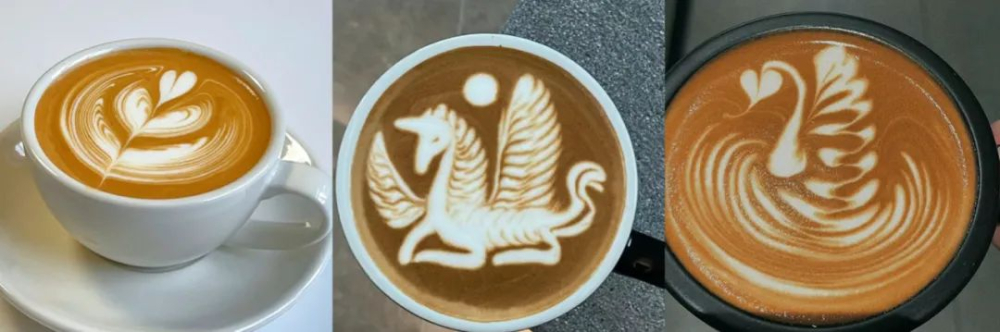
Yet FrontStreet Coffee has noticed that some shops serve Flat Whites with no latte art at all — shattering the photo-ready fantasies of their customers.
The Origin of Flat White
Where the Flat White was born is a genuinely contested question: Australia and New Zealand each claim the invention, and the debate rumbles on. What's certain is that since the 1980s, Flat White has spread rapidly across coffee shop menus in the United States and then worldwide — a true latecomer-turned-star.
The story begins after World War II, when Italian immigrants brought espresso machines to Australia and elsewhere. Cafes specializing in freshly ground espresso appeared in immigrant communities, and local young people were hooked on first sip. Back then, cappuccino foam would rise two to three centimeters above the rim. Locals unaccustomed to such thick foam wanted something flatter and thinner, with a stronger coffee flavor. Through repeated "slimming down," the foam eventually became flat and thin, sitting level with the rim — and that is how today's "Flat White" came to be.
Different Definitions of Flat White
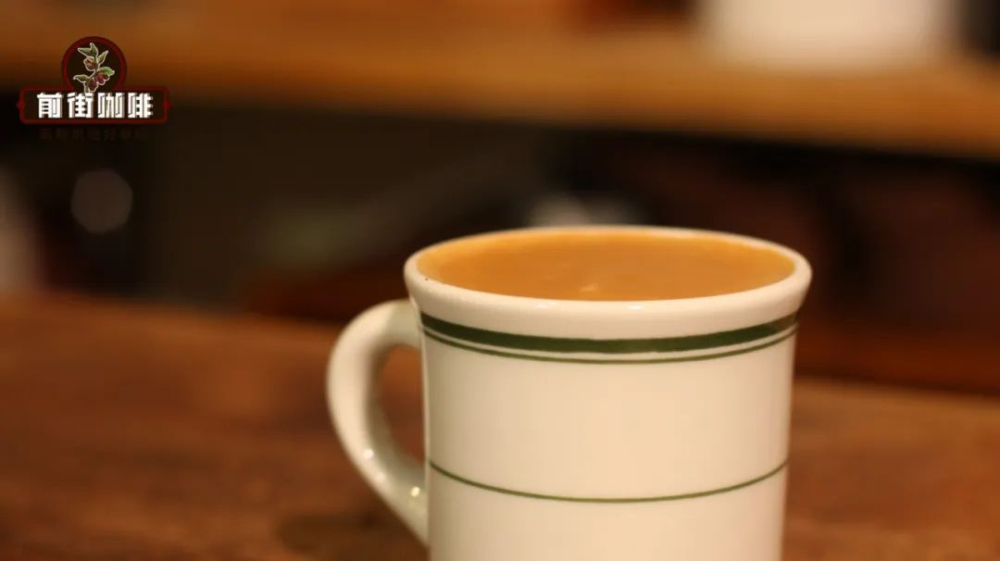
Why do some shops pour latte art on Flat Whites while others don't? Because different countries — even different baristas — understand the drink differently. Return to the original intent: a milk coffee with less heavy foam, a smooth texture, and rich coffee aroma, where foam and coffee merge into one. That demands dense, relatively thin microfoam that blends perfectly with the milk coffee below, so every sip carries both foam and coffee — and the cup should be finished before the foam starts to separate.
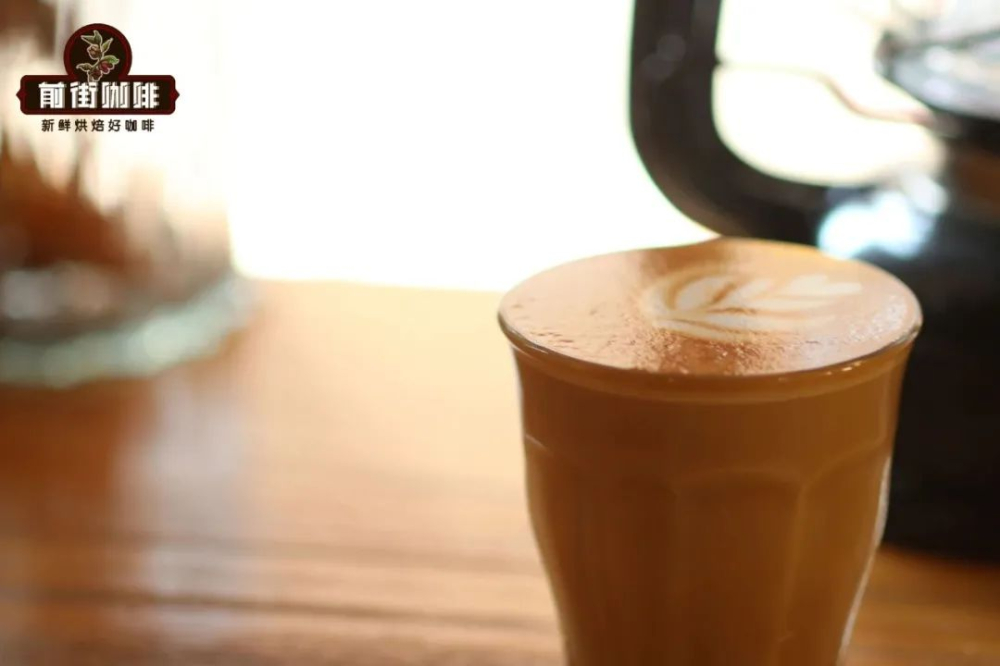
In New Zealand, baristas serve Flat White in a cup one size smaller than a latte (around 150ml), always on a double espresso base. Less milk, more coffee — and naturally a richer coffee flavor.
In Australia, baristas believe the key is simply keeping the foam thinner than a latte's, and they serve Flat Whites in the same cup size as a latte, emphasizing the foam-thickness difference instead. With the espresso-to-milk ratio settled, the experimentation happens in the beans and the milk.
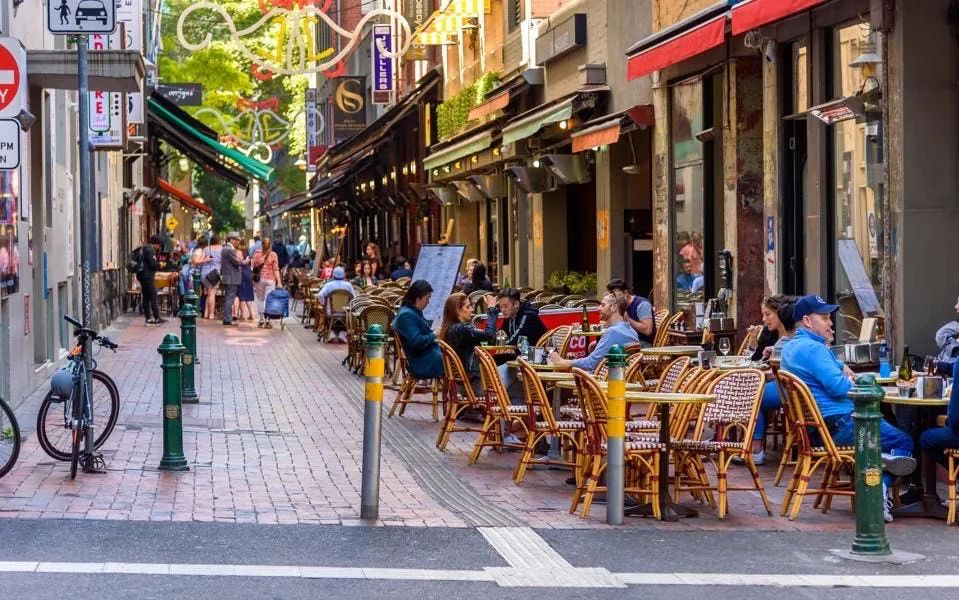
Melbourne is the extreme case: with over 90% of its cafes independently owned, some shops swap the base for a double Ristretto to push the beans' aromatics and stand out in a fiercely competitive market, then pour foam of latte-like thickness into a 150ml cup. A Ristretto extracts less liquid from the same dose of grounds — think of it as a concentrated espresso. It pulls more of the front and middle of the shot, so the flavor is richer, but it demands higher-quality beans.
At the same time, most shops now stock a range of milks — whole, skim, semi-skimmed, soy, almond, oat — producing Flat Whites with entirely different characters.
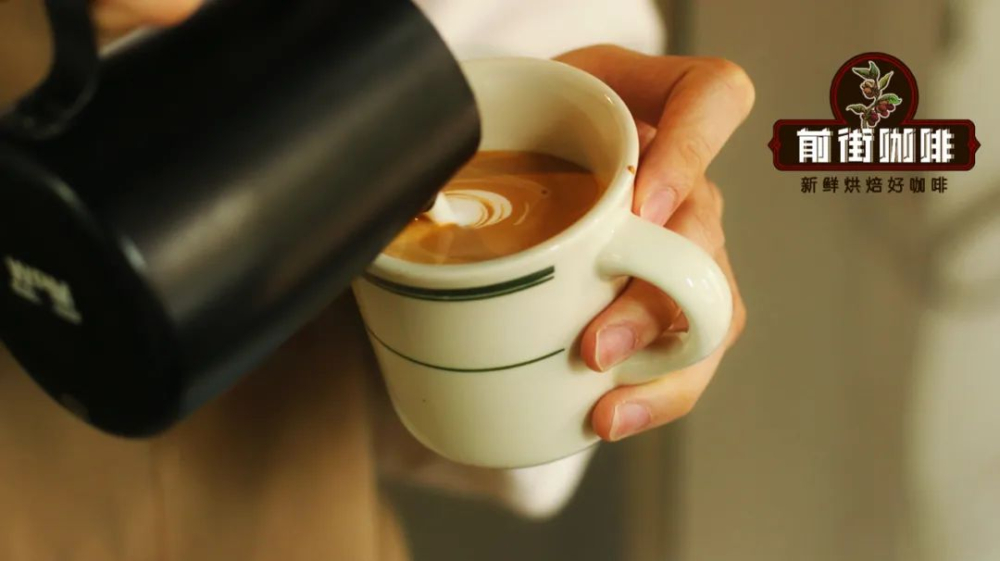
So each cafe, guided by its preferences and skills, its chosen beans, its milk pairings, and its own reading of the drink, presents its own Flat White style. FrontStreet Coffee's Flat White is built on Warm Sun Blend espresso, uses a double Ristretto, and comes with whole fresh milk in a cup of roughly 200ml.
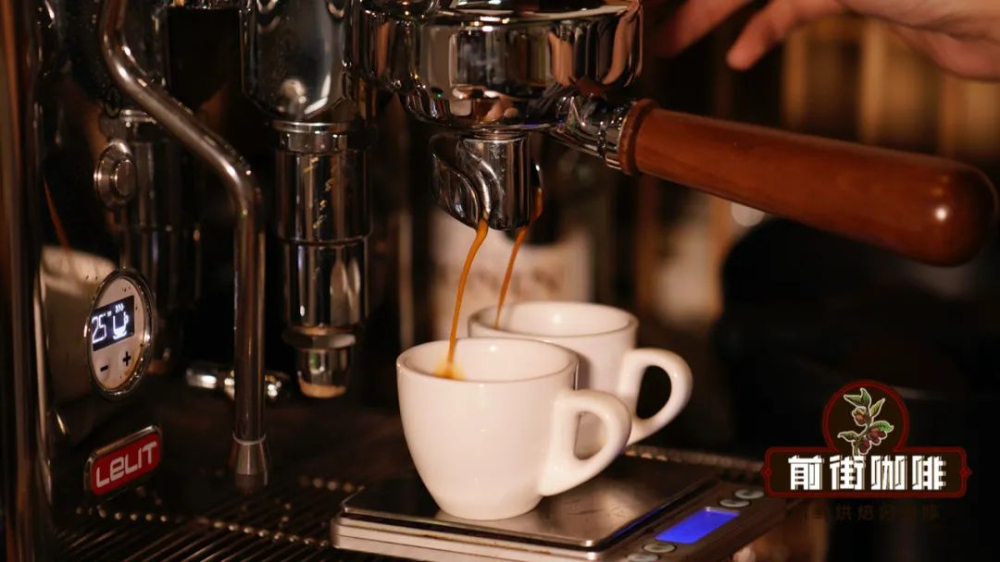
Should Flat White Have Latte Art?
By now the key point should be clear: dense, relatively thin foam is one of the main markers separating Flat White from other milk coffees. Thin foam lets the coffee flavor shine through and emphasizes that smooth, "velvet" texture. As long as the foam is thin and blends seamlessly with the coffee, the drink is right — which is why there was never a fixed numerical standard in the early days.
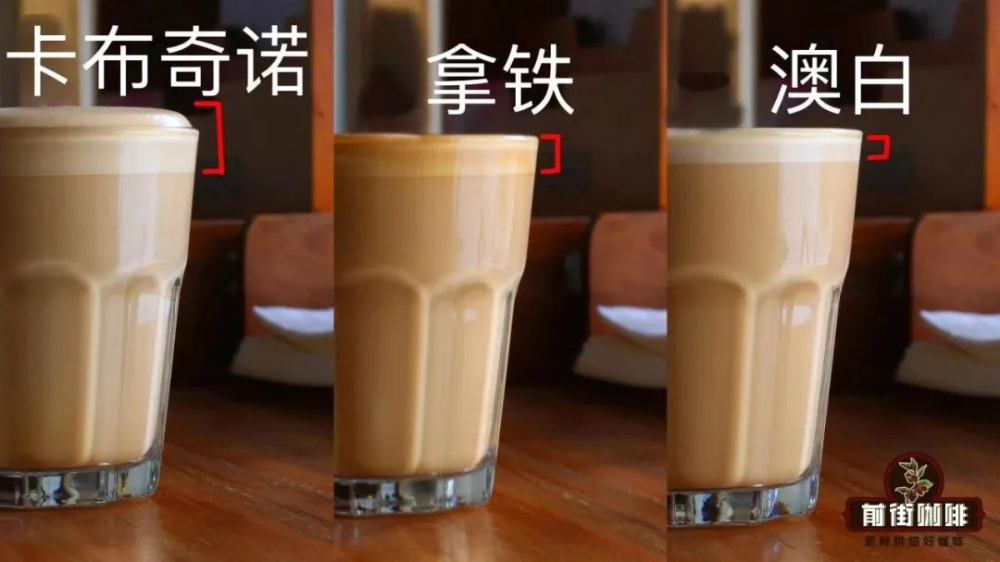
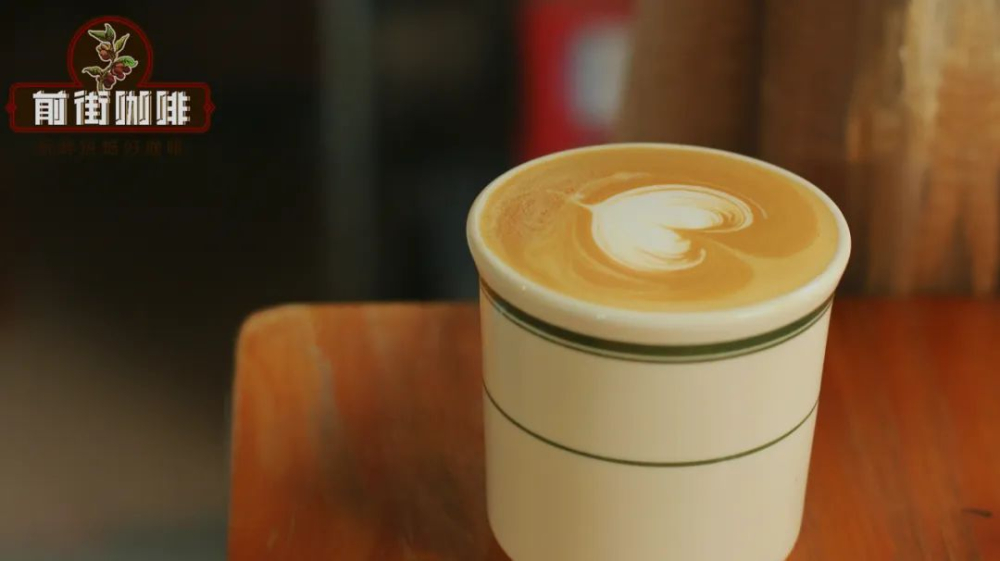
As the drink grew popular, though, the thin-foam layer of a Flat White was defined at 0.3cm to 0.5cm, to set it apart from ordinary hot lattes and cappuccinos. The thinner the foam, the more easily it sinks during integration — and without enough foam to support the surface, pouring a pattern creates turbulence, with white flecks floating everywhere and the design falling apart. That's exactly why some baristas skip the art. Of course, for confident, highly skilled baristas it's another story: handle the pour well, and even ultra-thin foam can yield an exquisite pattern.
Next time you order a Flat White, why not chat briefly with the barista about their interpretation of the drink and what they want their beans to express? After all, whatever the recipe, the goal is the same: a delicious, satisfying Flat White.
- END -
FrontStreet Coffee

FrontStreet Coffee Recommendation
Practicing latte art at home? Start with FrontStreet Coffee's Classic Blend — a medium-dark espresso recipe of three origins inspired by the old-school Mandheling-Brazil pairing, with a touch of Robusta for aroma and crema. Expect buttery toast and caramel-biscuit notes, a solid body, fine, stable crema, and extraction that's forgiving enough for beginners.
If you prefer a nutty, deeply aromatic cup, FrontStreet Coffee's Premium Blend pairs washed Colombian with pulped-natural Brazilian beans for nut, dark chocolate, and caramel flavors — the silky crema holds a pattern with ease. And for those planning to open a shop, FrontStreet Coffee's Commercial Blend adds a little more Robusta for an extra-thick, deep-brown crema that makes latte art effortless in both lattes and Flat Whites.
Important Notice :
FrontStreet Coffee is a long-established specialty coffee roaster in Guangzhou China, selling freshly roasted beans from its own farm in Yunnan as well as dozens of carefully selected single-origin beans from around the world for both pour-over and espresso. The products deliver consistently excellent quality and great value, with shipping within 24 hours. Guangzhou's FrontStreet Coffee shop is recommended by many coffee lovers, and the beans are now available online at the Tmall 。
FrontStreet Coffee has moved to a new address:
FrontStreet Coffee Address: 315,Donghua East Road,GuangZhou
Tel:020 38364473
 Scan and follow the En Gafei WeChat official account. Please indicate that the reprint comes from "En Gafei".