
How to Make Milk-Extracted Coffee? Can Milk-Extracted Coffee Be Stored at Room Temperature?

Six months after FrontStreet Coffee published "Coffee Extracted with Ice Milk is So Aromatic!", readers flooded us with bean recommendations for milk extraction! Today, FrontStreet Coffee has picked the most representative ones among them, prepared extractions, and set out to see what wonderful flavors these highly praised beans can deliver.

How to Extract Coffee with Milk?
First, the method. Milk extraction means exactly what it says: milk replaces water as the extraction liquid. And not hot milk — cold milk. Some might ask: "Lower temperature means weaker extraction, right? Wouldn't hot milk be better?"
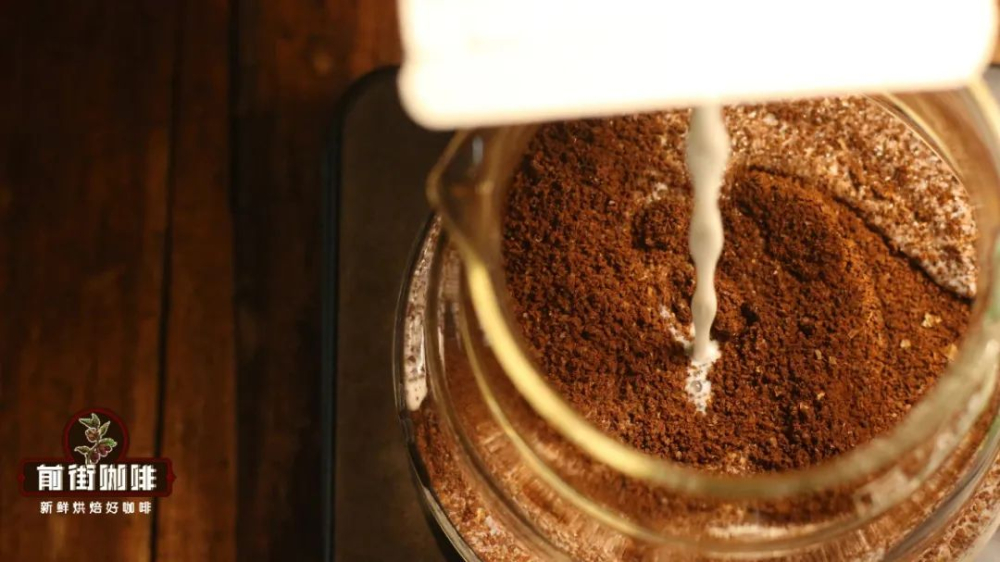
It's true that liquids extract far more efficiently at higher temperatures, milk included. But milk differs from water in two punishing ways when heated. First, ruined texture: once milk passes 70°C, its body thins out, losing its silky richness, and sweetness drops noticeably. And this isn't just a warm-cup illusion — even after cooling, the milk still tastes off, because heat has damaged its components irreversibly. Second, glacial filtration: hot milk can only be used for drip or immersion brewing, and because milk is so dense with dissolved substances, it crawls through filter paper. Extraction times balloon — and overlong extraction means over-extracted bitterness.
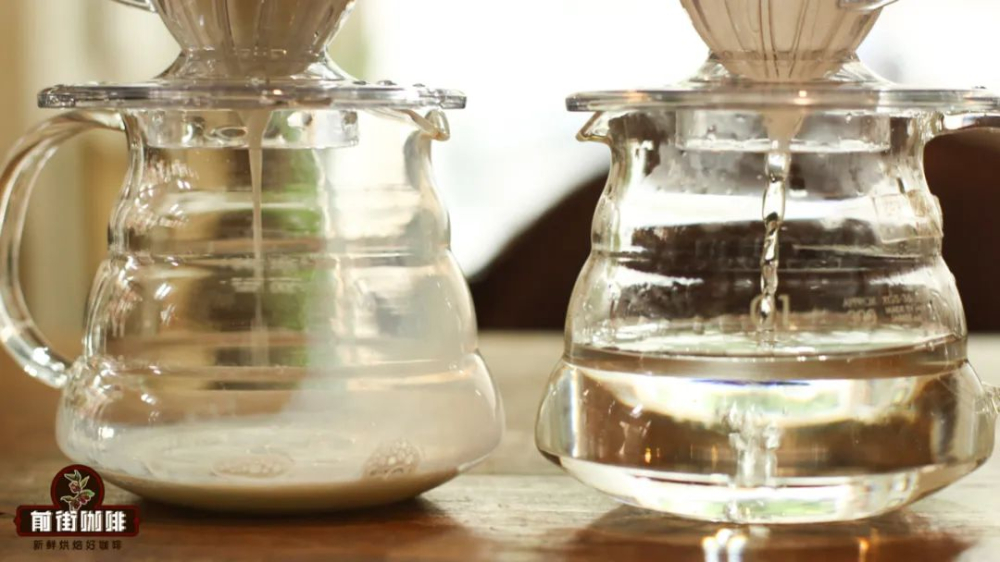
These two problems rule out hot milk entirely, which is why nobody brews with it. Cold milk, with its lower extraction efficiency, is no obstacle — just extend the time, exactly as with cold brew. In fact, that's the method's heritage: milk extraction grew out of cold brew coffee.

Cold liquids extract slowly — coffee's sour, sweet, and bitter compounds release gradually — so a long steep is the best route to complete extraction. Now, let's see what milk-extracted coffee the reader-recommended beans can produce.
The Milk Extraction Experiment
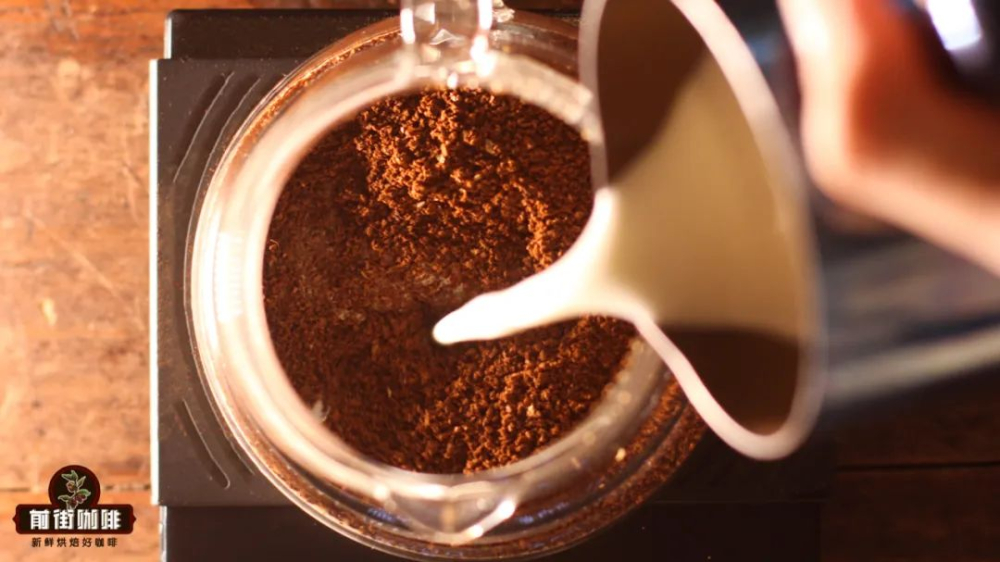
FrontStreet Coffee selected three beans from the many recommendations (deep roasts were excluded — they were tested in the previous experiment). The parameters were broadly similar across all three: 20g of coffee, coffee-to-milk ratio 1:10-1:12, grounds at 70-75% pass-through on a #20 sieve, and 12 hours of refrigerated steeping.
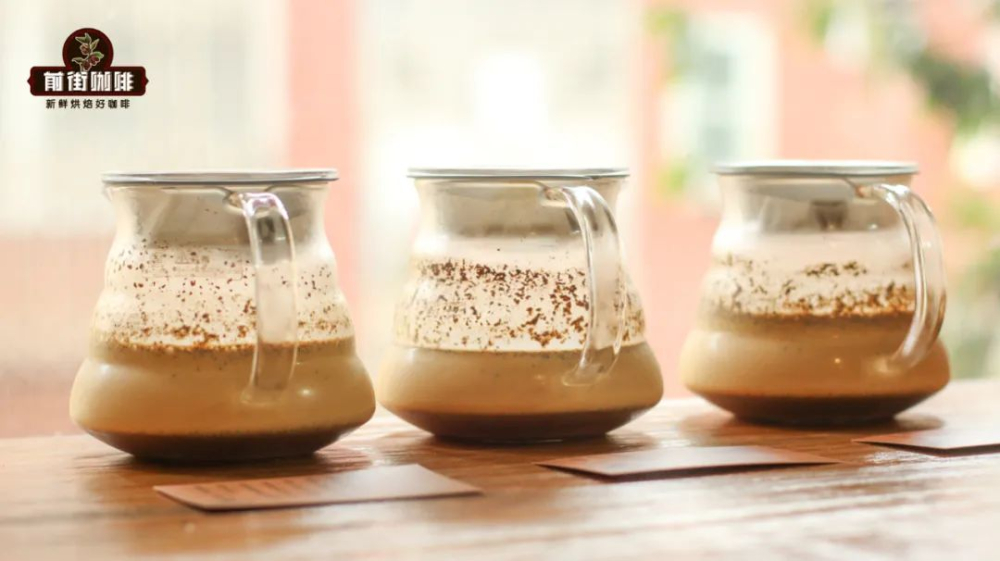
1. The Most Recommended — "Strawberry Candy"
Strawberry Candy topped the recommendation list. Brewed normally, it shows strawberry, raisin, and almond. Extracted in milk, it delivers rich strawberry flavors plus chocolate and a hint of raisin, with a silky, luxurious texture — very much like a latte made with strawberry milk. Ratio used: 1:12.
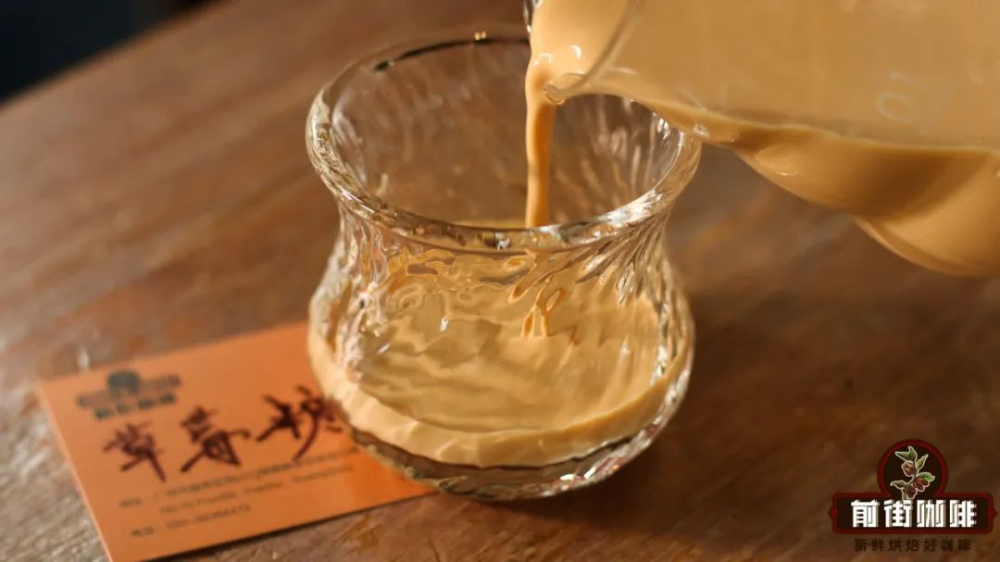
2. The Anaerobic Representative — "Sidra"
Anaerobic processing also drew lots of recommendations, and the chosen representative was "Frontiera (Boundary Line) Sidra." Normally brewed, it shows grape, passion fruit, and apricot, along with the intense fermentation character of its double anaerobic process. Extracted in milk, it gives off that preserved-fruit anaerobic aroma before you even sip — notes of apricot and grape acidity, then rich caramel and chocolate.
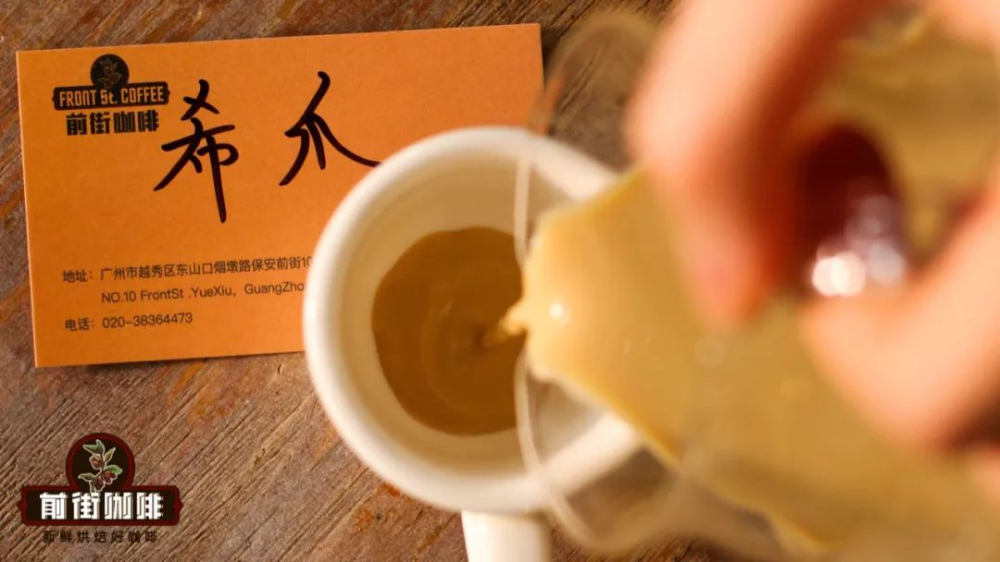
FrontStreet Coffee used a 1:12 ratio, but overall the fermentation note ran a little strong. If you want to try it, we suggest stretching to 1:13 — it softens the heavy-ferment sensation and the acidity concentration for a better drinking experience (or simply dilute with ice).
3. The Light-to-Medium Roast, Conventionally Processed Representative — "Elida Catuai"
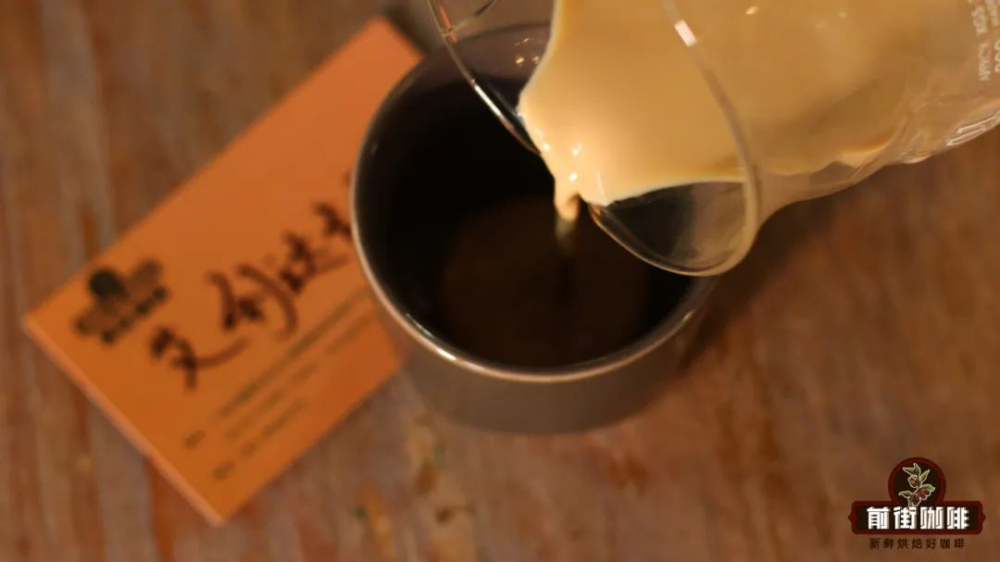
Light-roasted, conventionally processed beans tend to get buried by milk, which is why fewer were recommended. Among them, Elida was the standout. Brewed normally: peach, orange, and green tea. In milk extraction it still holds high sweetness — peach and caramel sweetness on top of a chocolate-milk richness. Quite excellent! Ratio used: 1:10.
Extra Tips for Milk Extraction
Those are the three most recommended beans. A few final pointers to help your own milk-extracted coffee come out delicious:
1. Filtration Method
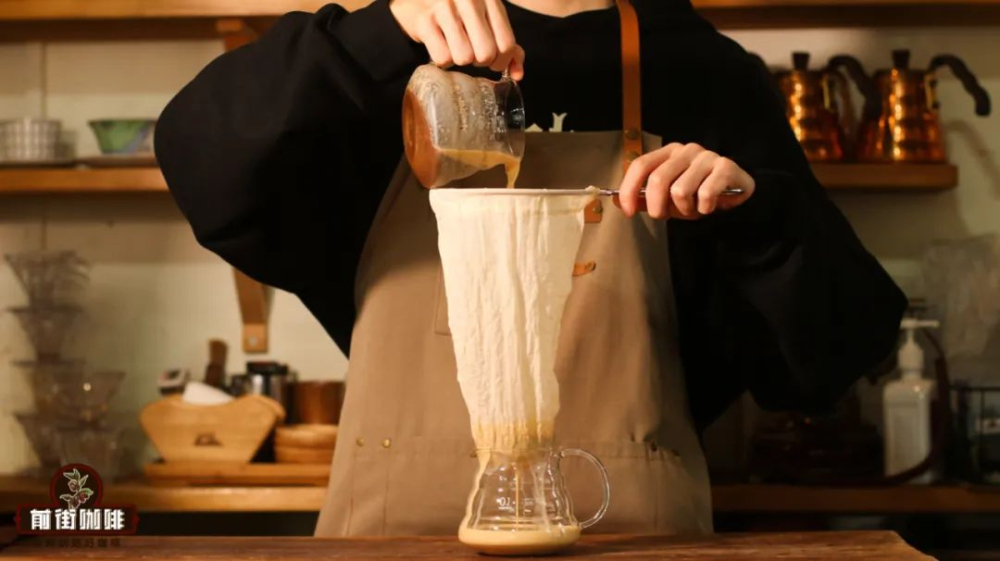
Every milk-extraction enthusiast knows the pain: the filtration is just SO SLOW. Milk's abundant dissolved substances massively slow the drip. FrontStreet Coffee's solution: ditch the filter paper for a filter with larger holes, and the milk coffee drains much faster!
2. Ratio Adjustment
Light-roasted, conventionally processed beans perform worse in milk extraction than dark roasts or anaerobic lots — the coffee flavor gets masked easily. The fix is raising the coffee concentration: FrontStreet Coffee uses 1:12-1:13 for anaerobic beans but 1:10 for the conventionally processed natural Catuai, for exactly this reason.
3. Drink Promptly
And a note on storage: milk is perishable, so drink your milk-extracted coffee soon after it's ready — and never store it at room temperature for long. Letting it sit invites spoilage and gastrointestinal trouble. Refrigerate if you must, and finish it quickly.
FrontStreet Coffee Recommendation
Hungry for high-sweetness coffee like these experiments? FrontStreet Coffee's Costa Rica Black Honey (Blackberry) is a high-altitude single origin where the most complete mucilage layer and deepest fermentation produce maximum sweetness — medium-light roasted to show sweet florals, grape, sweet orange, and liqueur chocolate. The Panama Geisha-style Strawberry Candy blend combines Costa Rica honey processing with Ethiopia's bright citrus and florals for rose, strawberry gummy, and dried blueberry aromas — superb in milk extraction, cold brew, pour-over, or as espresso.
If you prefer your sweetness with body, the Brazil Queen Estate delivers roasted-peanut and dark chocolate depth with a lingering sweet finish — medium roasted for pour-over, or extracted through a moka pot or espresso machine for rich crema and a thick, sweet, low-acid cup.
Important Notice :
FrontStreet Coffee is a long-established specialty coffee roaster in Guangzhou China, selling freshly roasted beans from its own farm in Yunnan as well as dozens of carefully selected single-origin beans from around the world for both pour-over and espresso. The products deliver consistently excellent quality and great value, with shipping within 24 hours. Guangzhou's FrontStreet Coffee shop is recommended by many coffee lovers, and the beans are now available online at the Tmall 。
FrontStreet Coffee has moved to a new address:
FrontStreet Coffee Address: 315,Donghua East Road,GuangZhou
Tel:020 38364473
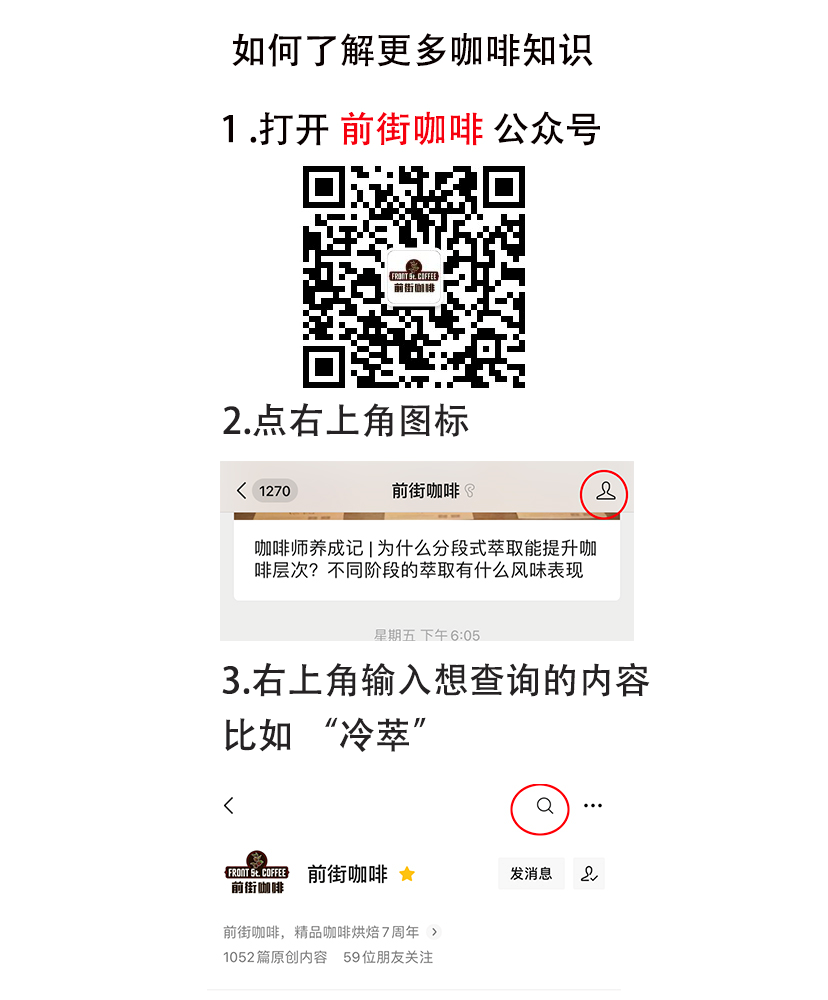
 Scan and follow the En Gafei WeChat official account. Please indicate that the reprint comes from "En Gafei".

