
Brandy Barrel Fermentation: Introduction to Honduras Lychee Orchid Coffee Beans
Honduras: A Coffee Paradise in Central America
Honduras sits in northern Central America, bordering Nicaragua, El Salvador, and Guatemala. It has coastlines on both sides — the Caribbean Sea to the north and the Gulf of Fonseca on the Pacific to the south. Honduras is one of the least developed countries in Latin America, with agriculture as its main industry, so coffee production holds an important place in the national economy. In 2011 it became the largest coffee producer in Central America.
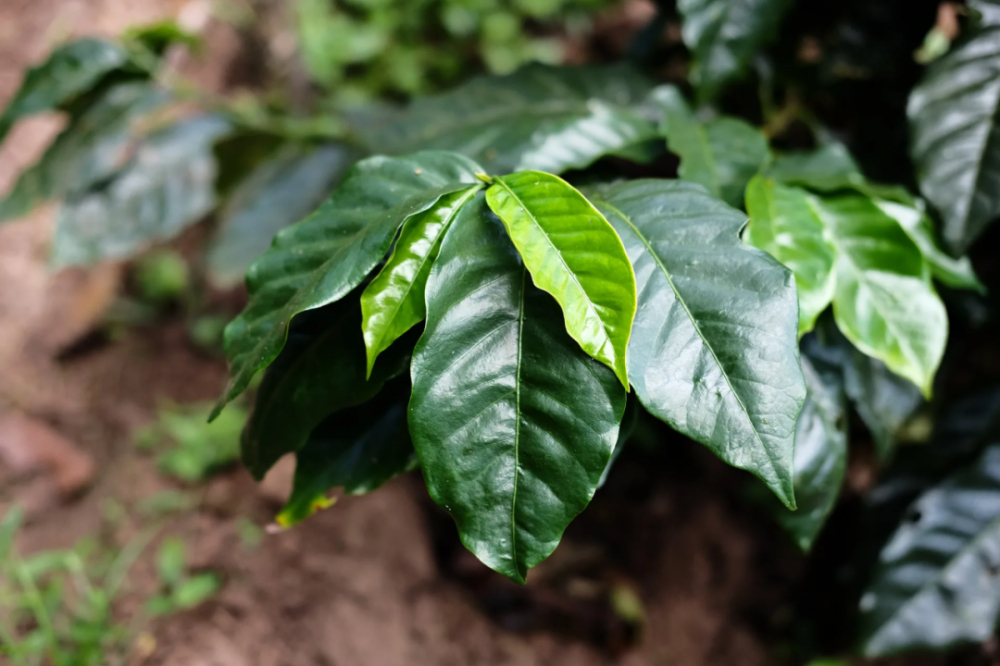
More than three-quarters of Honduras' territory consists of mountains and plateaus, with ranges running from west to east and a plateau in the interior. The country has a tropical climate, and coastal areas feature a tropical rainforest climate. The average annual temperature is 23°C, with abundant rainfall, and forest covers half of the country's total area. This complex mountainous terrain, diverse climate, mild temperatures, and ample rainfall make Honduras extremely well suited to coffee cultivation.
The Development of Honduran Coffee
According to the earliest historical records, coffee was first introduced to Honduras by Spanish merchants in the late 18th century and was grown on a small scale. Because coffee is a long-term investment that only yields returns after many years, however, many farmers could not wait and turned to crops such as bananas instead. By the late 19th century Honduran coffee had passed its early stages and supported many small plantations, but with few orders and limited infrastructure such as ports, Honduran beans were essentially produced for domestic consumption.
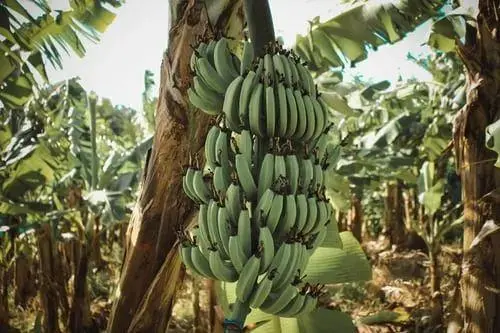
That situation continued until the mid-20th century, when Honduras built roads nationwide and stabilized its infrastructure, making agricultural exports easier. Combined with declining banana production, coffee gradually rose to replace bananas. With continuous improvements in processing technology and transport capacity, Honduran coffee has developed significantly over the past 20 years and is now one of the world's top ten coffee exporting countries.
The Masaguara Region
In 1970 the Honduran government established the Honduran Coffee Institute (IHCAFE), primarily to help local farmers improve cultivation techniques and planting quality. It also divided the country into six producing regions: Copán, Opalaca, Montecillos, Comayagua, Agalta Tropical, and El Paraíso. These regions have an average altitude of over 1,100 meters.
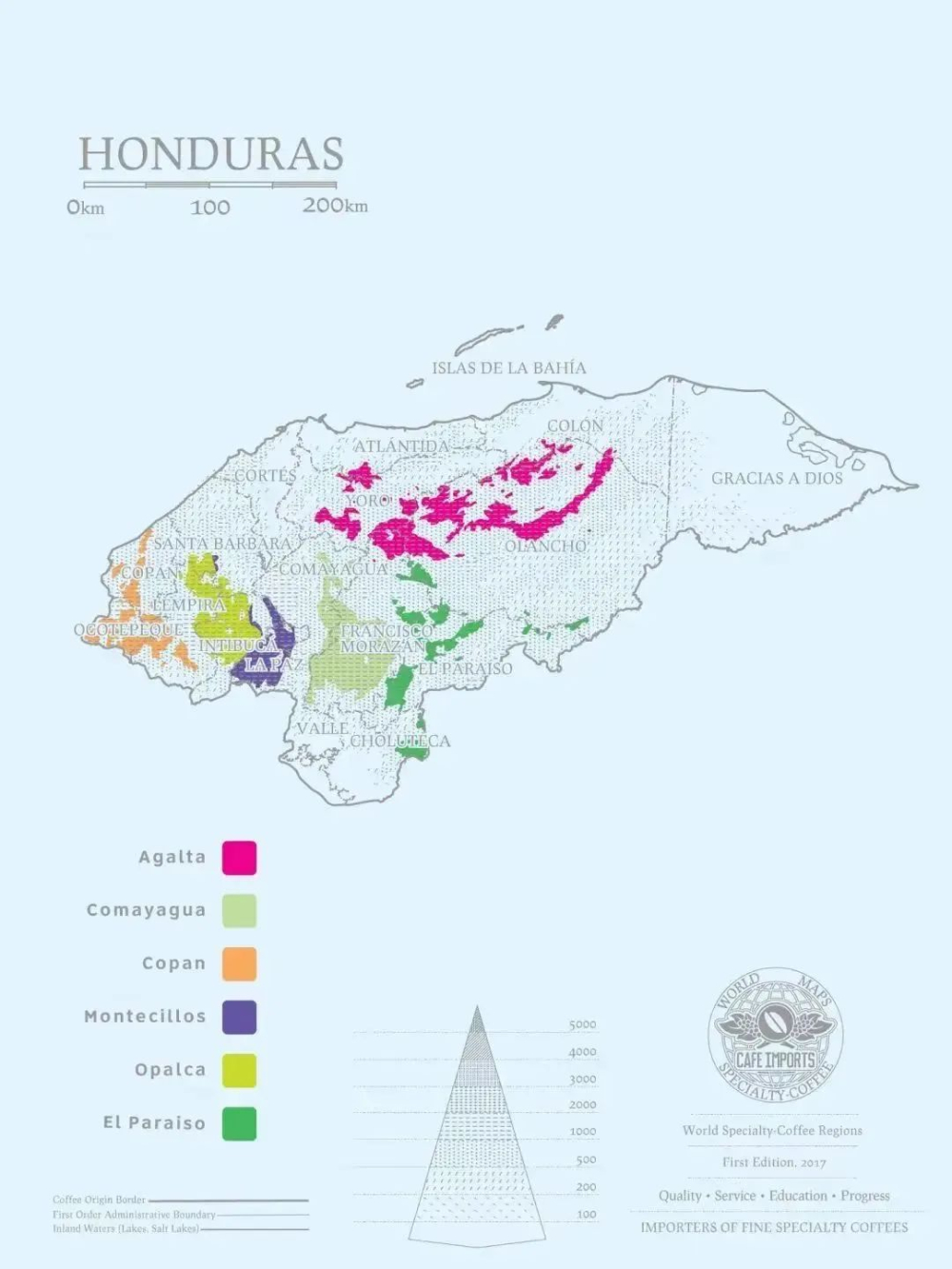
Within the Montecillos region there are many outstanding sub-regions, including Masaguara. This area is also the highest altitude among the six major producing regions, with cultivation between 1,200 and 1,600 meters.
Barrel Fermentation
When people hear "barrel fermentation," many think first of Honduran sherry, but the first to use barrel fermentation for coffee was actually Colombia's San Jose Estate. Its owner not only ran a coffee plantation but also produced rum oak barrels and brewed rum, so he had the idea of putting coffee beans into barrels that had previously held alcohol, attempting to create wine-like flavors. Experiments began in 2013, and it was not until 2017 that the desired flavors were achieved and introduced to the market.
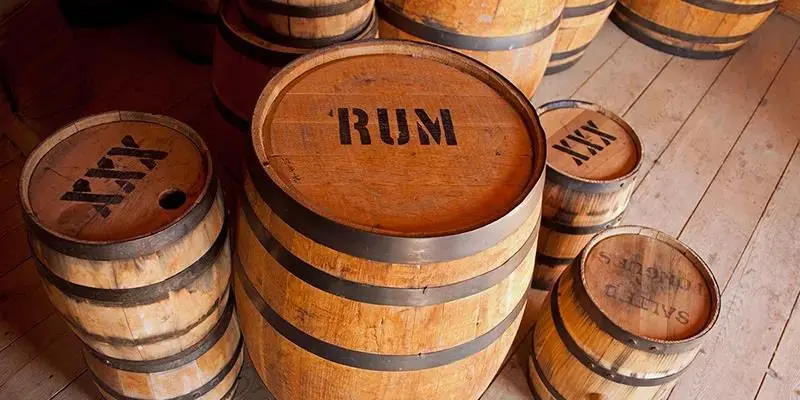
Later, Honduras' Mocca Estate also used barrel fermentation, even trying whiskey sherry barrels and brandy barrels. FrontStreet Coffee currently carries both barrel-fermented beans from Mocca Estate, and the particularly special one is FrontStreet Coffee's Lychee Orchid coffee beans.
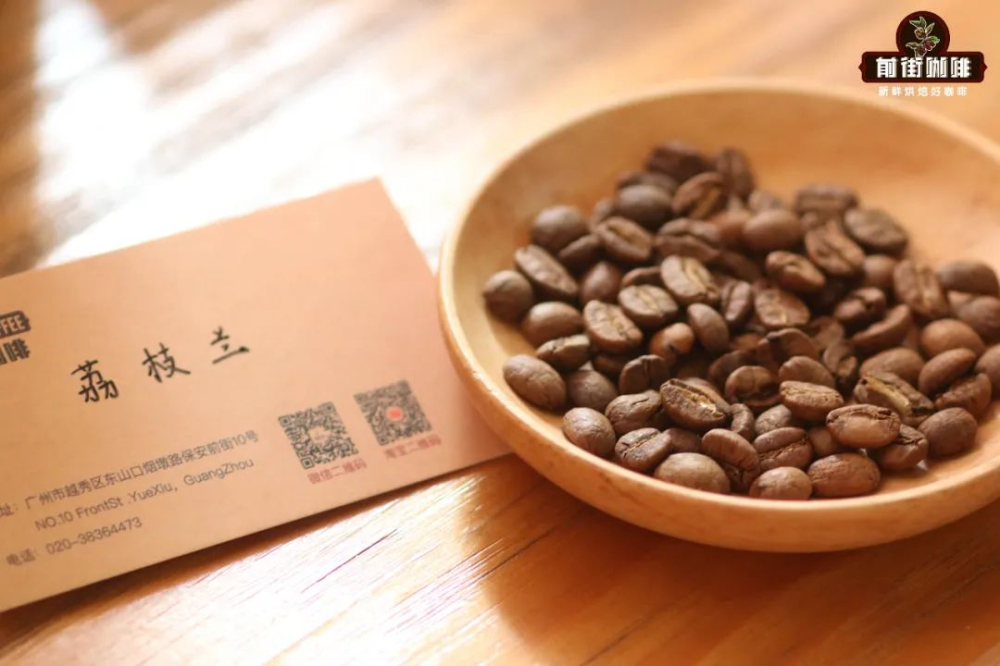
FrontStreet Coffee's Lychee Orchid beans are processed in brandy barrels. After harvesting, the beans first undergo washed processing, then are placed in brandy oak barrels for low-temperature (15–20°C) fermentation for 30–40 days. Once fermentation ends, they are dried.
FrontStreet Coffee Honduras Mocca Estate Lychee Orchid Coffee Beans
Region: Masaguara
Estate/Processing Plant: Mocca Estate
Altitude: 1,500–1,700 meters
Variety: Caturra, Catuai
Processing Method: Fine Washed + Brandy Barrel Fermentation
Flavor Notes: Lychee, Brandy, Cream, Chocolate, Honey
For this FrontStreet Coffee Lychee Orchid coffee, we use a V60 with a 1:15 bean-to-water ratio and 92°C water. You will notice an aroma of wine, and on tasting you will find lychee, brandy, cream, and liqueur chocolate, with a rich texture and honey-like sweetness.
FrontStreet Coffee Recommendation
If you enjoy the layered, wine-like intensity of a barrel-fermented cup, FrontStreet Coffee's entry-level lineup offers many ways to explore the same depth without the steep price. Ethiopia is a natural first stop, and the two representatives are FrontStreet Natural Huakui and FrontStreet Washed Gudingding Cooperative. Yirgacheffe beans typically carry jasmine florals, lemon acidity, and berry notes, while the Sidamo region is best known for natural processing, where tropical fruit and fermented aromas are more pronounced. FrontStreet Sidamo Huakui uses a traditional natural process, with core flavors of berry, florals, jackfruit, melon, and honey.
Brazil, the world's largest coffee producer, offers soft, approachable cups. Because Brazilian coffee is often grown in full sun, the fruit ripens quickly, giving a softer bean, gentle acidity, and pleasing sweetness with a fine, mellow body. FrontStreet Brazil Cerrado Red Bourbon is an entry-level single origin from the well-known Cerrado region with classic cream, peanut, and cocoa flavors, while FrontStreet Queen Estate grows at a higher altitude from the rare Yellow Bourbon variety, showing Brazil's signature butter, seeds, macadamia, and almond nuttiness alongside a sugarcane-like sweetness.
For a low-acid, heavier profile, Indonesia is the place to look. FrontStreet Lintong Mandheling uses the wet-hulled process — a technique invented for the local climate, in which workers remove the parchment while the bean is still half wet to speed drying. This gives Mandheling its signature dense, smooth, herbal, and spicy character, ideal for anyone who dislikes acidity. If you want a higher grade, FrontStreet PWN Golden Mandheling is triple hand-sorted and once machine-sorted, reducing the defect rate to its lowest, for a cleaner, smoother cup with clearer woody and caramel notes.
Colombia rounds out the selection with floral, gently acidic coffees. FrontStreet Colombia Huila comes from Huila province, one of Colombia's most famous specialty regions, surrounded by mountains at over 1,500 meters where the country's most important rivers converge. FrontStreet Colombia Sidra and FrontStreet Colombia Big Navel are both worth trying. Costa Rica, meanwhile, is known for honey processing, and FrontStreet Blackberry (black honey) and FrontStreet Mozart (raisin honey) deliver raisin and blueberry sweetness with osmanthus and rose aromas. From China, FrontStreet Yunnan Small Bean and the 2013 Yunnan Typica bring nut, brown sugar, and black tea notes, and for Panama, FrontStreet Boquete Washed Geisha offers the classic citrus, berry, and floral profile of the variety.
Important Notice :
FrontStreet Coffee is a long-established specialty coffee roaster in Guangzhou China, selling freshly roasted beans from its own farm in Yunnan as well as dozens of carefully selected single-origin beans from around the world for both pour-over and espresso. The products deliver consistently excellent quality and great value, with shipping within 24 hours. Guangzhou's FrontStreet Coffee shop is recommended by many coffee lovers, and the beans are now available online at the Tmall 。
FrontStreet Coffee has moved to a new address:
FrontStreet Coffee Address: 315,Donghua East Road,GuangZhou
Tel:020 38364473
 Scan and follow the En Gafei WeChat official account. Please indicate that the reprint comes from "En Gafei".

