Introduction to the Ancient Variety Sudan Rume: History, Origin, and Flavor Characteristics of Sudan Rume Coffee Beans

At the 2015 World Barista Championship (WBC), Australian competitor Sasa Sestic took the title with a Sudan Rume coffee that carried delicate floral aromas, sweet fruit juice, and lemongrass notes. That victory pulled a variety with extremely low production and little recognition into the public eye.
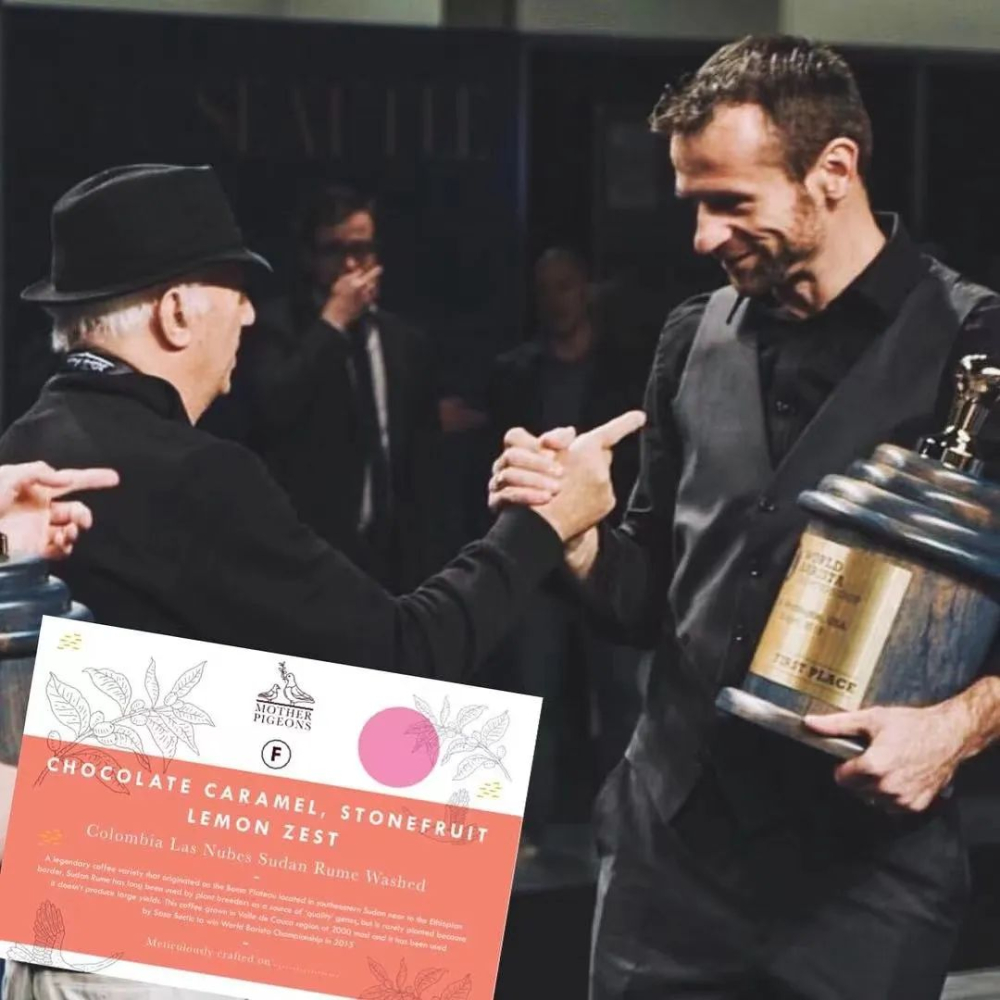
Like us here at FrontStreet Coffee, many enthusiasts can pick up clues from the variety's name alone. Sudan Rume is an indigenous coffee variety that originally grew on the African continent, specifically on the Boma Plateau in southeastern Sudan, near the Rume Valley along Ethiopia's western border, an area that now falls within Boma National Park in South Sudan. Hence the name Sudan Rume, often rendered as "Rume Sudan" in English texts.
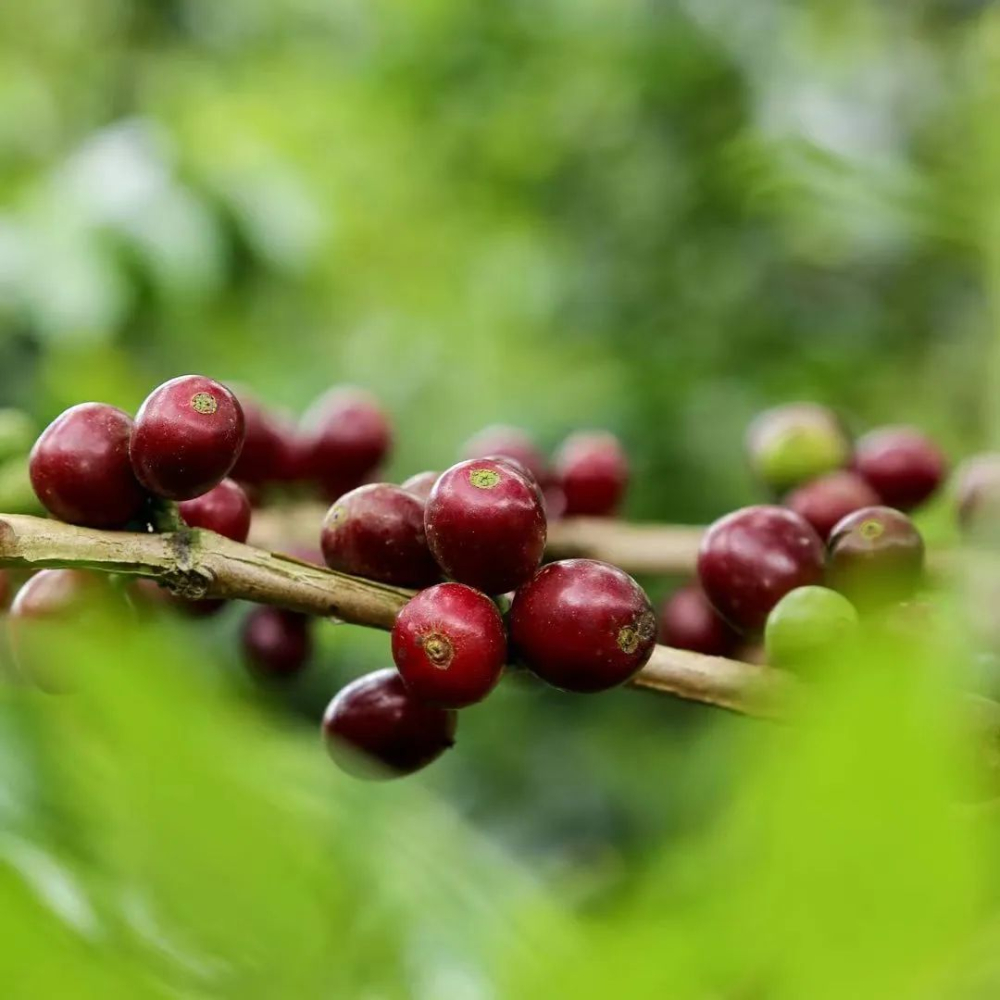
Before the 1940s, Sudan Rume was an unnamed wild variety growing in the tropical forests along the border between western Ethiopia and eastern South Sudan, recognized mainly by its bronze-colored leaves. In 1942 it was discovered and recorded under the code "RS-510," effectively a wild coffee accession number used for hybridization trials. For the next 50-plus years, Sudan Rume served as a parent in coffee breeding experiments and was hailed as one of the most useful Arabica genetic resources.
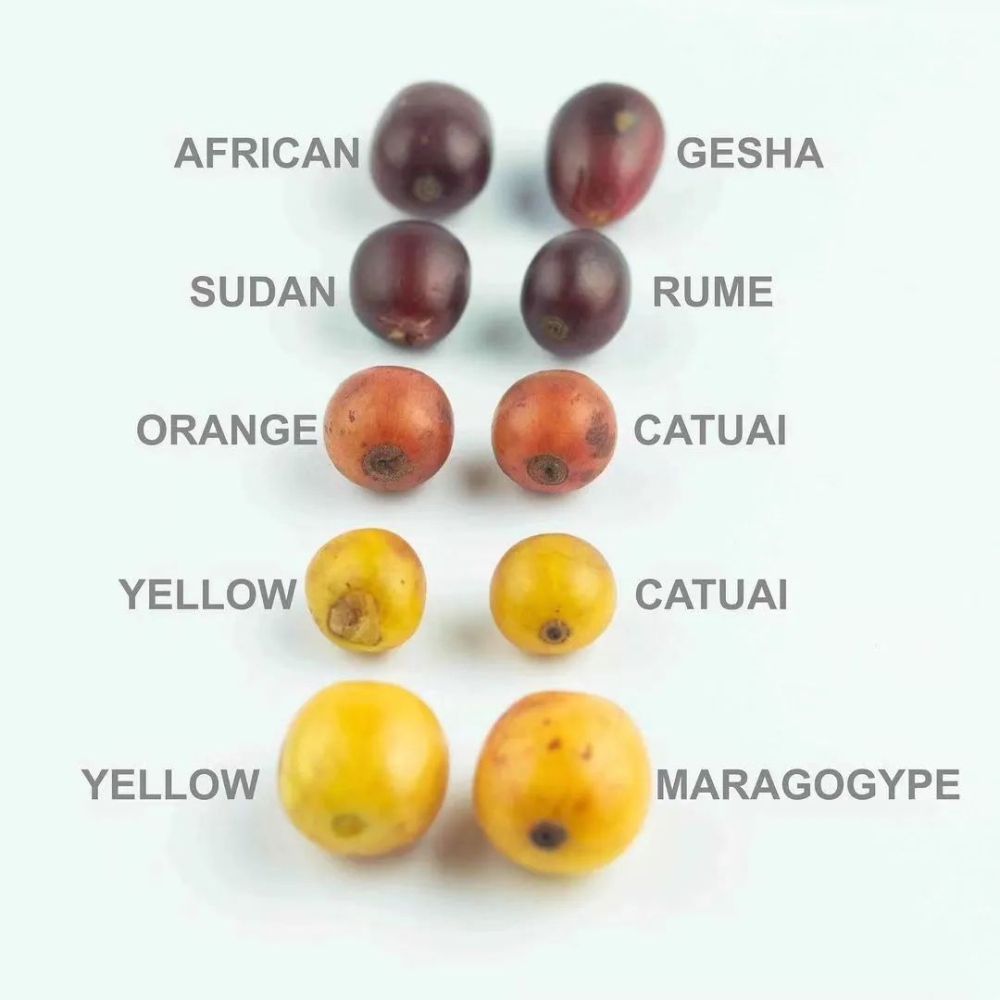
FrontStreet Coffee's research shows that Sudan Rume plants grow tall and need frequent pruning to keep the canopy at a convenient harvesting height, along with generous applications of phosphorus fertilizer, all of which raises management costs. Branch spacing and bud spacing are moderate, and the cherries are distributed along the branches. The fruit is medium to long, with bean sizes that vary, though generally not as small as Ethiopian beans. Like Geisha, Sudan Rume yields very little, making large-scale commercial cultivation difficult. What reaches the market comes mainly from tiny lots grown by individual farms in Central and South America.
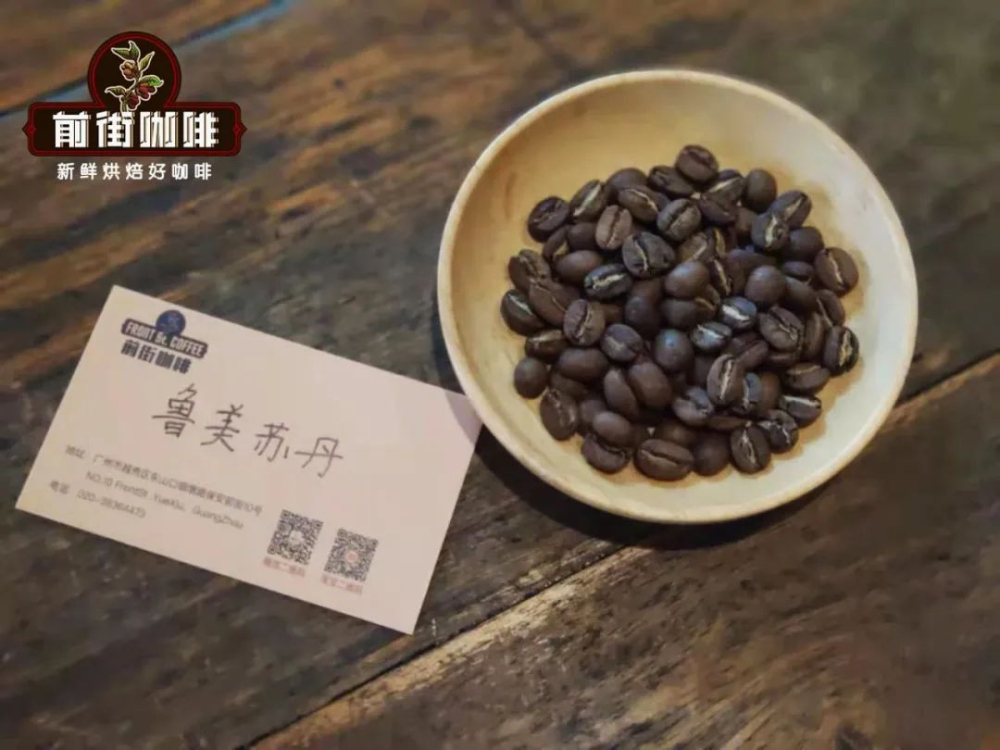
FrontStreet Coffee once sourced a Sudan Rume from Costa Rica's Coffea Diversa Garden, processed with the traditional washed method. Brewed, it showed bright acidity reminiscent of lemon, plum, and green apple. The juice-like sensation was immediately apparent on the palate, while the aftertaste carried hints of oolong tea and a sucrose sweetness, producing a rich yet clean mouthfeel.
Because of its excellent flavor and its possession of certain disease-resistance genes, especially against Coffee Berry Disease (CBD), Sudan Rume is more often used as a breeding variety than grown for standalone production. Researchers cross it with other varieties that carry valuable genetic traits, usually producing new varieties with good flavor, strong disease resistance, and better yields. Many well-known modern varieties, such as Castillo from Colombia's National Coffee Research Center and Kenya's SL28, were obtained this way.
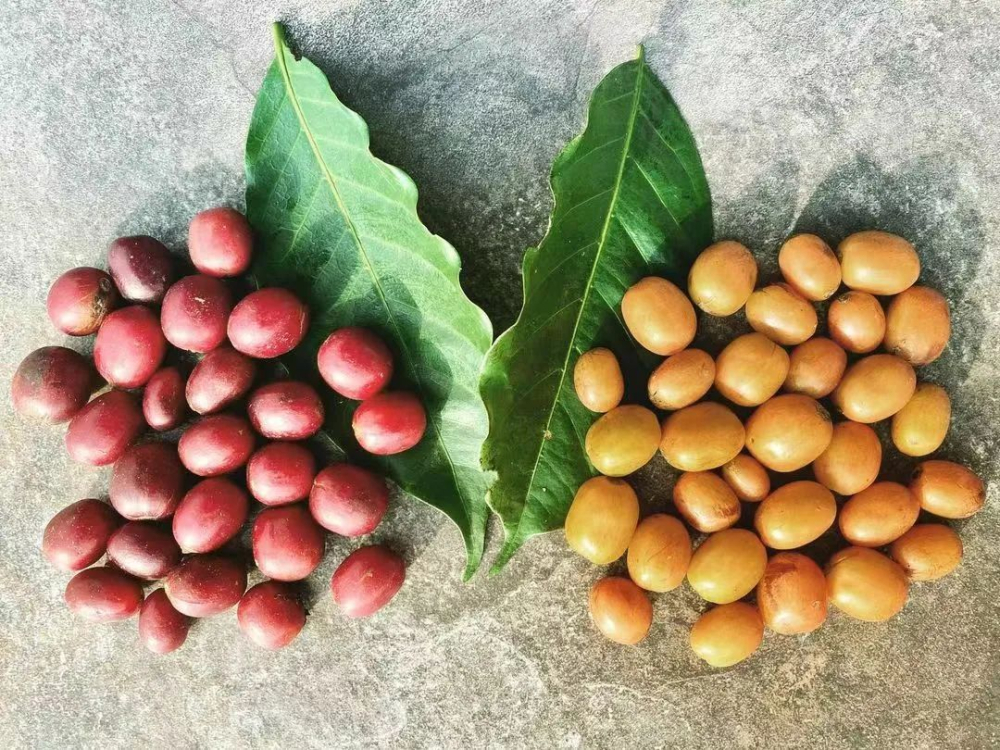
In recent years, as coffee cultivation has become more refined, not only have more farmers begun growing Sudan Rume, but they have also made new discoveries about this rare variety along the way. One Sudan Rume tree, at its maturity stage, unexpectedly produced rare yellow fruit similar to Bourbon. Perhaps before long, yellow-fruited Sudan Rume will appear on the market.
- END -

FrontStreet Coffee Recommendation
Rare, wild-rooted varieties like Sudan Rume are exactly the kind of discovery that drew many of us into coffee in the first place, and if that spirit of exploration appeals to you, FrontStreet Coffee's Huakui is a natural-processed Ethiopian single origin with a distinctive floral character and vivid fruit notes of strawberry, mango, jackfruit, citrus, and blueberry.
For a different expression of Ethiopia's wild heritage, FrontStreet Coffee Kaffa Forest comes from wild coffee trees grown in shade at 1,400-2,100 meters. This medium-light roast shows clear white florals on the grind, bright lemon acidity on the palate, sweet orange and bergamot flavors, and a gentle melon and nut sweetness on the finish, with a green tea-like body.
Important Notice :
FrontStreet Coffee is a long-established specialty coffee roaster in Guangzhou China, selling freshly roasted beans from its own farm in Yunnan as well as dozens of carefully selected single-origin beans from around the world for both pour-over and espresso. The products deliver consistently excellent quality and great value, with shipping within 24 hours. Guangzhou's FrontStreet Coffee shop is recommended by many coffee lovers, and the beans are now available online at the Tmall 。
FrontStreet Coffee has moved to a new address:
FrontStreet Coffee Address: 315,Donghua East Road,GuangZhou
Tel:020 38364473
 Scan and follow the En Gafei WeChat official account. Please indicate that the reprint comes from "En Gafei".