
Introduction to Small-Volume Espresso Varieties: Con Panna, Macchiato, and Piccolo Coffee

Coffee, one of the world's three great beverages, has evolved its own rich ecosystem over centuries. Within that ecosystem sits a whole family of tiny espresso drinks whose names alone sound enticing — servings most people can finish in two or three sips, designed for maximum enjoyment in minimum volume. Today FrontStreet Coffee rounds up those small-format coffees that disappear in a couple of gulps.
Espresso
When small-cup coffee comes up, espresso is the first thing that springs to mind. As the base of every Italian-style drink, it is the soul of the entire family.
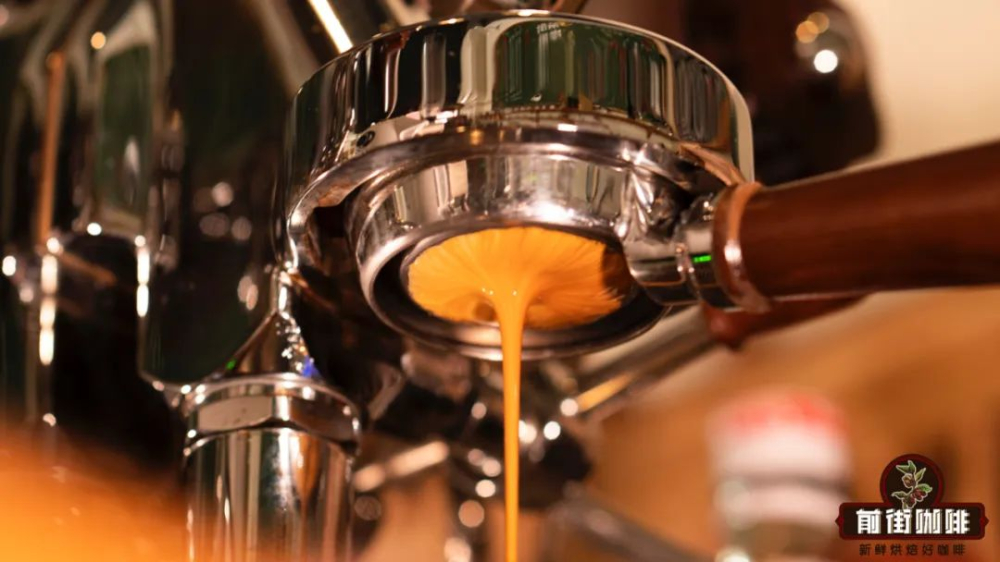
Espresso requires a dedicated espresso machine, which uses high-temperature, high-pressure water to rapidly extract flavor compounds from finely ground coffee. A typical espresso runs at a coffee-to-liquid ratio of roughly 1:1.5 to 1:2.5. Taking a FrontStreet Coffee product as an example, 20g of ground coffee from their Nuan Yang blend yields 40g of espresso in 25 to 30 seconds.
A freshly pulled shot carries a layer of golden crema on its surface — beautiful to look at. Sip it slowly and you'll find it smooth and mellow, layered with flavors of nuts, dark chocolate, and caramel; after swallowing, a lingering sweetness coats the palate. Overall it delivers a vivid, characterful bitterness. That said, FrontStreet Coffee does not recommend overdoing it — espresso is easy to get hooked on.

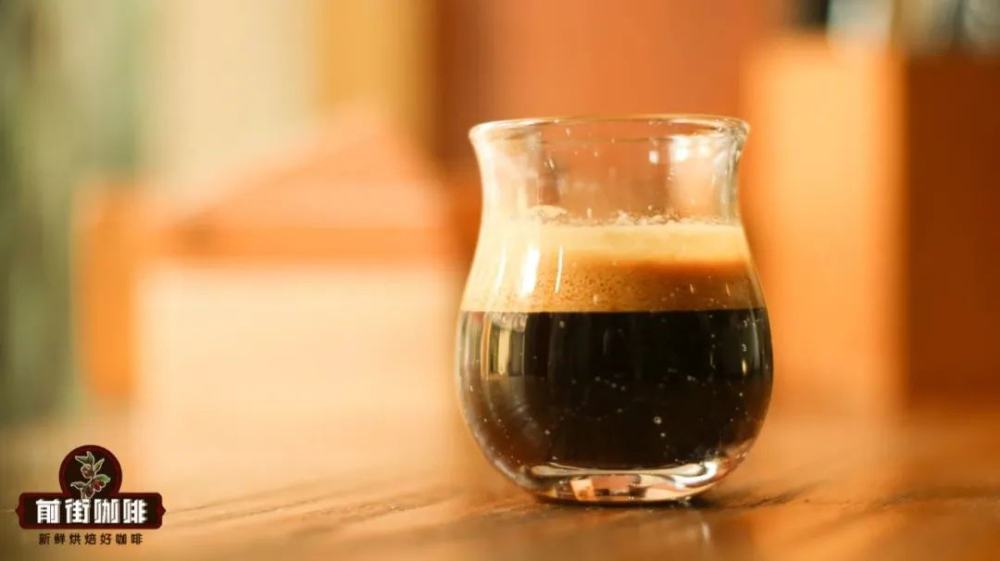
Piccolo Latte
The name "Piccolo Latte" comes straight from Italian, where "piccolo" means "small" (it also refers to a short flute in English). That's why the drink is sometimes called a small latte or mini latte.
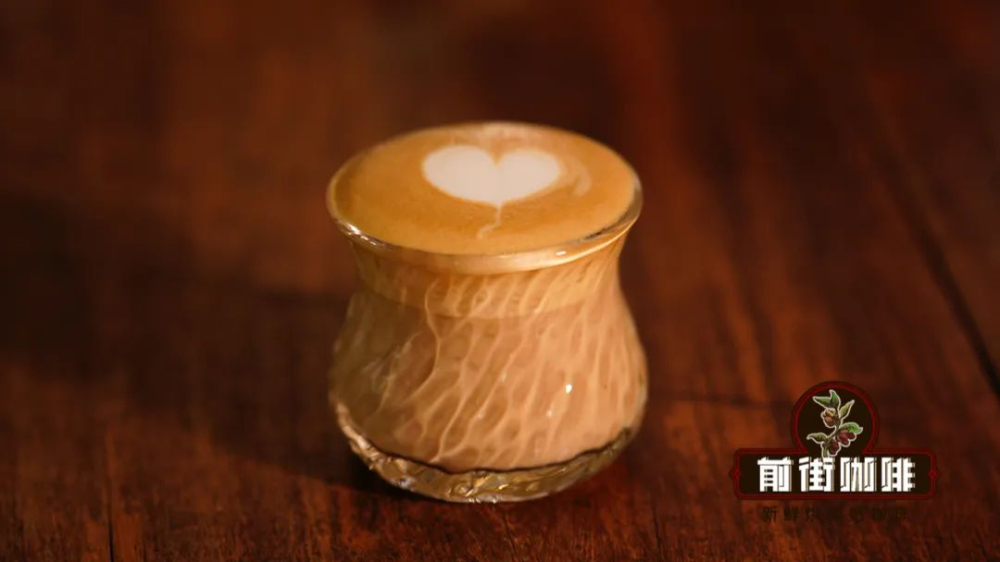
Piccolo Latte was originally created by baristas and roasters as a tool for testing coffee beans and dialing in extraction parameters. When judging how well an espresso paired with milk, they didn't want to drink a full-sized milk coffee and add to their workload or waste ingredients, so they used a split portafilter to divide the shot in two: one portion tasted straight, the other topped with a small amount of steamed milk.
Later, some coffee shops adopted the same method to offer customers small lattes when sampling new beans, gathering feedback without filling anyone up. Over time, the Piccolo Latte earned itself a permanent place on the Italian coffee menu.
A Piccolo Latte combines about 30ml of single-shot espresso with roughly 60ml of steamed milk. In such a small cup you can taste the coffee and milk melding together, without the heaviness of a full latte.
Macchiato
When Macchiato comes up, most people picture the Caramel Macchiato — but in truth, Caramel Macchiato has nothing to do with the traditional one.

"Macchiato" means "stained" or "marked" in Italian. Back then coffee bean quality was poor and deep roasting was the norm — and even in Italy, not everyone could handle the intense bitterness that deep roasting and high extraction brought. So customers began asking baristas to add a splash of milk to their espresso to soften it.
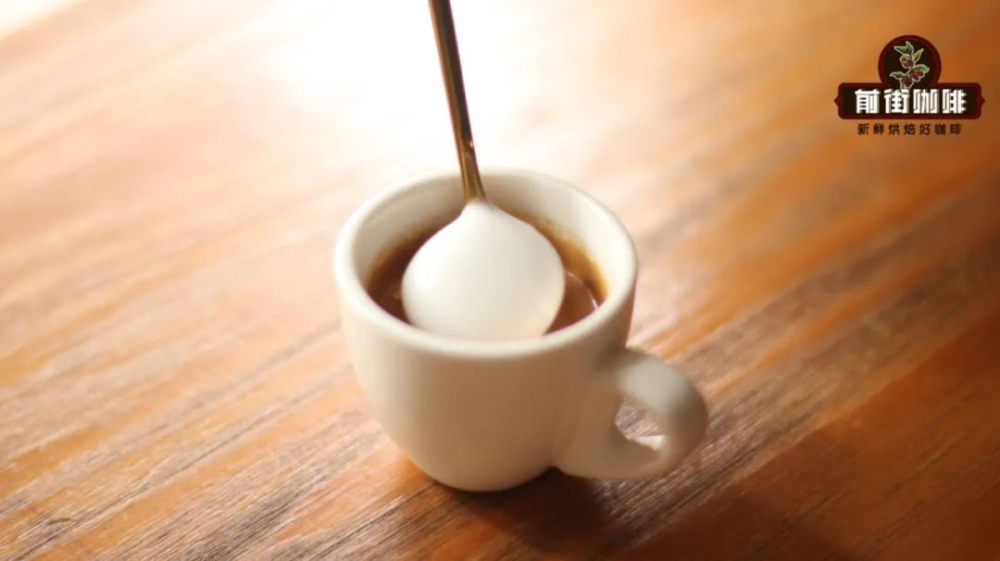
An espresso with just a drop of milk looks almost identical to a plain one, and waiters kept mixing up the drinks. So the barista started placing a spoonful of milk foam on top of the coffee as a visual mark to prevent confusion — and that is exactly how the drink got its name.
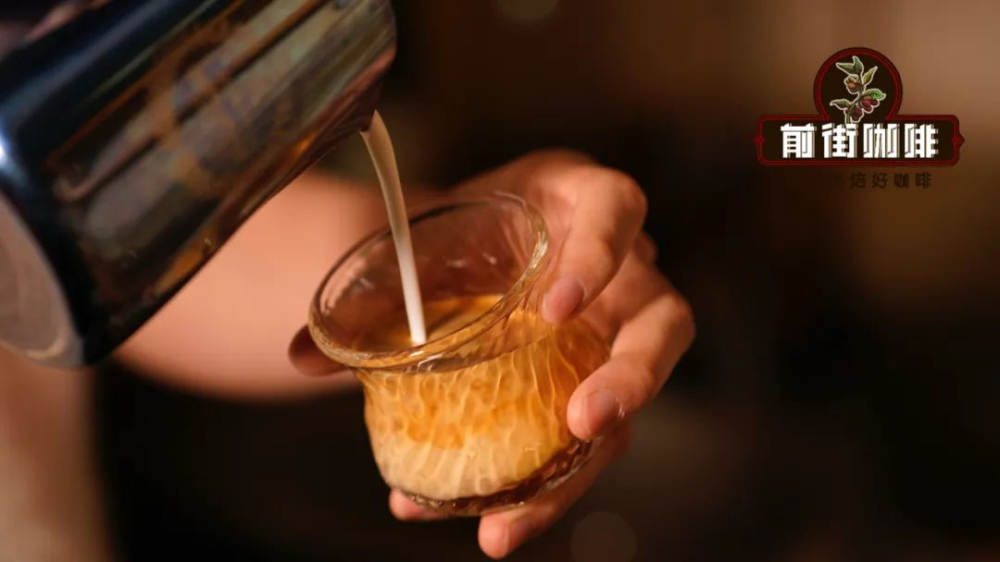
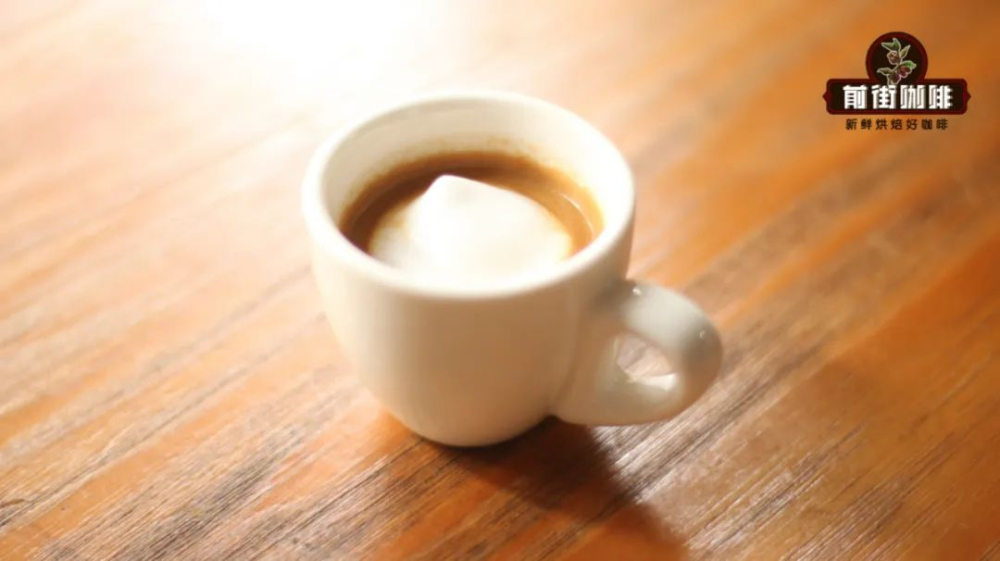
Making a Macchiato is remarkably simple: pull a shot of espresso, whip up some milk foam — ideally as thick as cappuccino foam so it holds its shape — then spoon it gently onto the surface of the espresso. The result is wonderfully rich: the foam tames espresso's assertive bitterness while adding body, and a careful sip reveals a hint of milky sweetness.
Espresso Con Panna
The name Con Panna is refreshingly literal: "Espresso Con Panna" translates directly from Italian as "espresso with cream," usually shortened to "Con Panna."
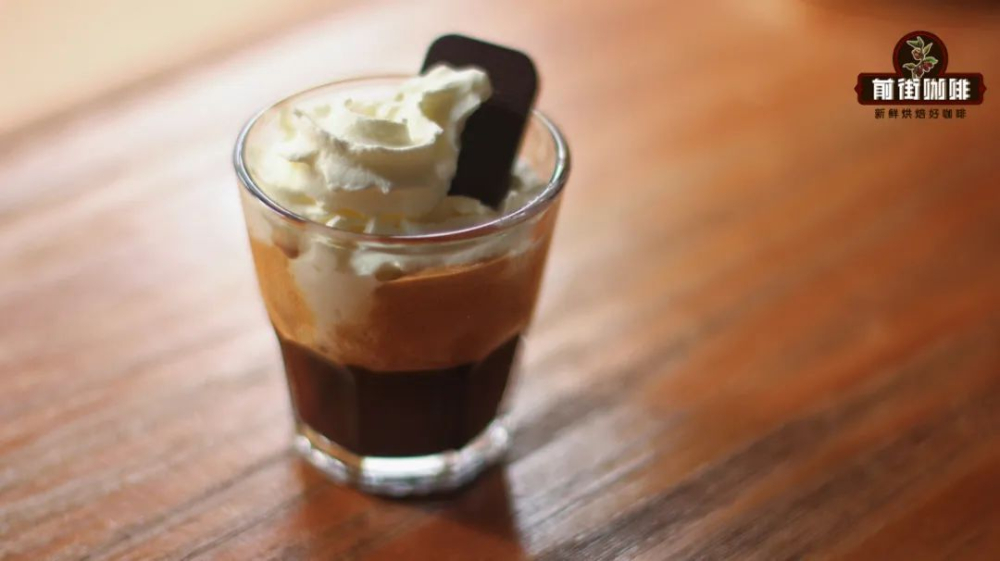
FrontStreet Coffee searched for a verified origin story of Con Panna and came up empty — but did find an undeniably romantic tale: an Italian roaster, wanting to express his love for his wife, crafted a one-of-a-kind espresso from his most carefully roasted beans and named it "Con Panna." Because its shape resembles a pair of outstretched wings, like an angel's, it was also given the lovely meaning of "angel's wings."

Making Con Panna couldn't be easier: simply pipe 30 to 50ml of cream over a freshly extracted shot of espresso. It's generally not stirred — drink it straight down in generous sips. The chilled whipped cream brings a dense, cotton-candy-like texture and rich creamy sweetness, followed by the warm, mellow espresso beneath — a striking contrast of cold and hot in every mouthful.
- END -
FrontStreet Coffee Recommendation
For espresso-based small drinks like macchiato, piccolo latte, or con panna, the bean matters more than you might think. FrontStreet Coffee's Classic Blend is our top pick for Italian-style brewing and moka pots: built on the traditional "Mamba" recipe (Mandheling plus Brazil), it produces an exceptionally thick, silky crema — so much so that even beginners on entry-level home machines can pull smooth, glossy shots. Its mellow, rounded body makes every milk coffee, from latte to macchiato, taste comforting and full.
Prefer something more aromatic in your mini latte? Try FrontStreet Coffee's Strawberry Candy Blend, a popular fruit-forward espresso blend whose Arabica beans from different origins combine to recreate the vivid sweetness of strawberry gummy candy. It's a great choice for drinkers who shy away from bitterness and want a distinctive fruit-toned milk coffee — versatile enough for both home brewing and cafe service.
Important Notice :
FrontStreet Coffee is a long-established specialty coffee roaster in Guangzhou China, selling freshly roasted beans from its own farm in Yunnan as well as dozens of carefully selected single-origin beans from around the world for both pour-over and espresso. The products deliver consistently excellent quality and great value, with shipping within 24 hours. Guangzhou's FrontStreet Coffee shop is recommended by many coffee lovers, and the beans are now available online at the Tmall 。
FrontStreet Coffee has moved to a new address:
FrontStreet Coffee Address: 315,Donghua East Road,GuangZhou
Tel:020 38364473
 Scan and follow the En Gafei WeChat official account. Please indicate that the reprint comes from "En Gafei".

