Introduction to Rose Valley Coffee Beans from Datree Estate in Colombia's Santander Region
Colombia: A Coffee Paradise
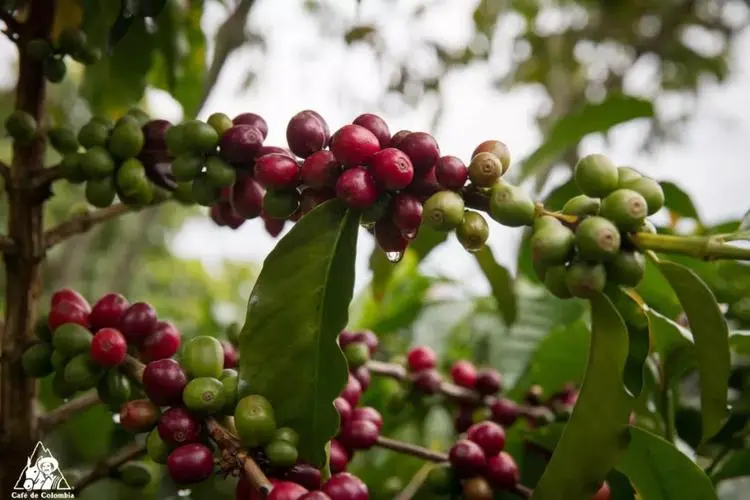
Colombia sits in the north of South America, sharing borders with Venezuela, Brazil, Ecuador, Peru, and Panama, with the Pacific Ocean on its western flank and the Caribbean Sea to the north. The country's terrain splits roughly into two halves: mountainous terrain in the west, dominated by the Andes, and the vast plains of the Orinoco and Amazon basins in the east. Average temperatures range from 15.8°C to 20.5°C, and annual rainfall falls between 1,000 and 2,500 millimeters. High-altitude mountains, volcanic soils, generous rainfall, and a patchwork of microclimates combine to create near-perfect growing conditions — which is why Colombia ranks as the world's third-largest coffee producer.
How Colombian Coffee Developed
Historical records trace coffee's arrival in Colombia to the late 18th century, when Jesuit priests traveling with Spanish colonizers brought the first seeds. The earliest plantations took root in the provinces of Santander and Boyacá before spreading elsewhere. Between 1899 and 1903, however, civil unrest swept the country, and the coffee-growing population shrank sharply as plantations were abandoned. Once the conflict ended, the government moved to rescue the industry by consolidating abandoned land, dividing it into small plots, and selling it to farmers at rock-bottom prices so they could replant coffee and other crops and rebuild their lives. By 1912, the recovery was well underway: coffee accounted for 50% of Colombia's total exports.

In 1920, at the urging of coffee farmers themselves, the Colombian Coffee Federation was founded to defend the interests of smallholders. That organization kept growing, and in 1927 it evolved into the more authoritative and standardized National Federation of Coffee Growers of Colombia (FNC). From its founding, the FNC rolled out a series of initiatives — strict quality control, the creation of a National Coffee Research Center, and the invention of Juan Valdez and his mule Conchita as marketing icons — all of which boosted the global competitiveness and profile of Colombian coffee.
The Santander Region
Colombia is a large country with room for many coffee-growing regions. The best-known include Santander, Huila, Cauca, Nariño, and Lima. Because of the mountainous terrain, distinct microclimates, and varying growing conditions, each region produces coffee with markedly different flavor profiles.
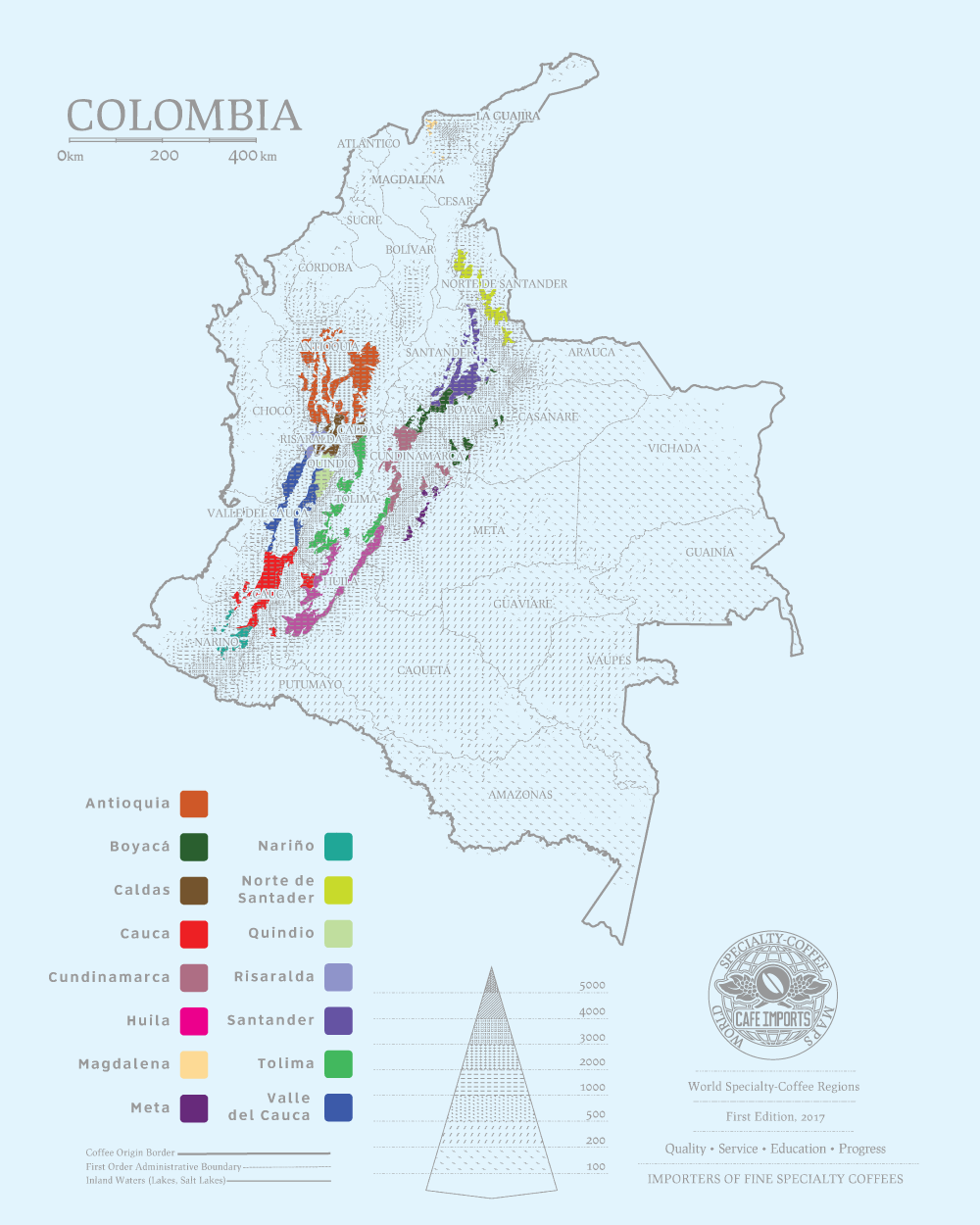
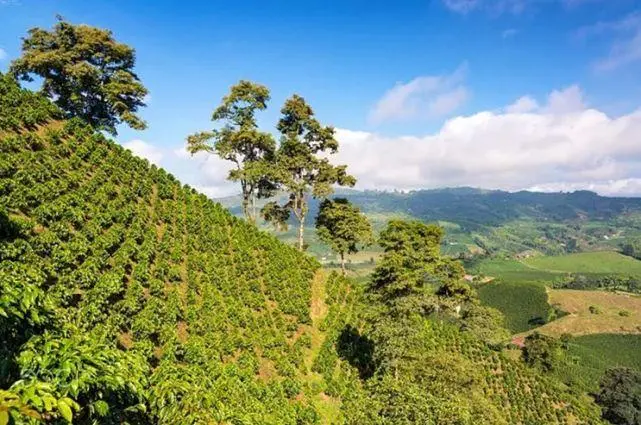
Santander lies in northern Colombia, up in the Andes, with cultivation at roughly 1,400–1,700 meters. It is an important yet rarely discussed province — and in fact one of the first regions in Colombia to grow coffee. Today Santander accounts for 5% of the country's total coffee production. Most of the varieties planted here are Caturra, Castillo, and other leaf rust-resistant cultivars, which has made Santander an area of low leaf rust prevalence in Colombia and worldwide. Coffee from this region is prized for its intense flavors, long-lasting aftertaste, and distinctive fresh herbal notes.
Finca El Arbol
Finca El Arbol sits in the northern part of the Santander coffee region at 1,700 meters. It is one of the few single-variety plantations in Santander. Its owner, Vargas, has been growing coffee there for 20 years, and through years of development and experimentation he has built deep understanding and hands-on expertise in both cultivation and processing.
Caturra
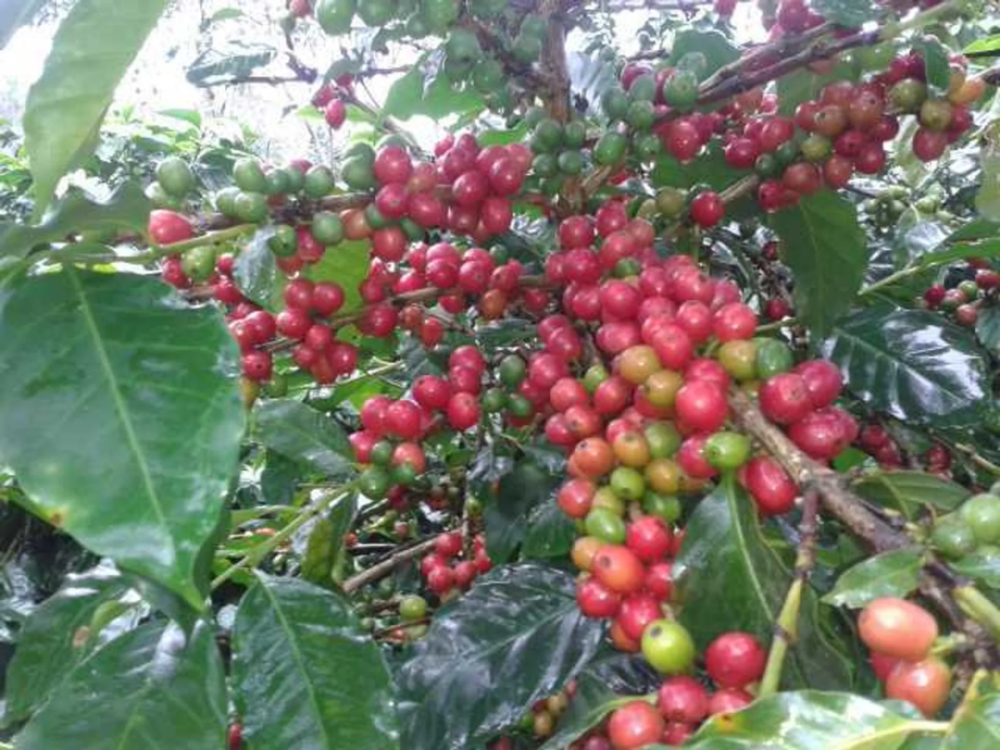
Caturra is a natural mutation of Bourbon, discovered between 1915 and 1918 on a plantation in Minas Gerais, Brazil, where a group of Bourbon plants underwent a genetic change that stunted their growth. The variety adapts well across altitudes from 700 to 1,700 meters. Grown higher up, it delivers superior flavors, though yields drop accordingly.
FrontStreet Coffee Colombia Finca El Arbol Rose Valley Coffee Beans
Region: Santander
Estate/Processing Station: Finca El Arbol
Altitude: 1,700 meters
Variety: Caturra
Processing Method: Anaerobic Enzyme Washed
Flavor Notes: Peach, Cranberry, Liqueur Chocolate, Rose
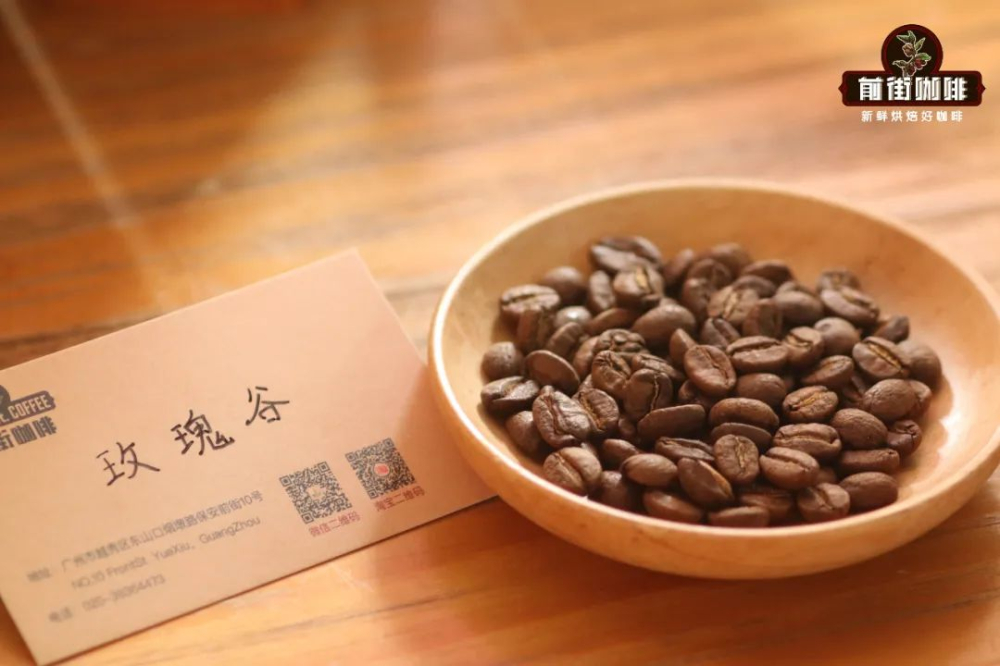
FrontStreet Coffee's Colombian Rose Valley beans come from Finca El Arbol in Santander. They are processed using the anaerobic enzyme washed method and roasted to a medium level. FrontStreet Coffee brews them on a V60 at a 1:15 ratio with 92°C water. The cup opens with rose and liqueur chocolate aromas, followed by a berry-like acidity on the entry — cranberry and peach flavors, fruity sweetness, and a smooth mouthfeel.
FrontStreet Coffee Recommendation
If this introduction has you itching to explore, here are a few FrontStreet Coffee picks worth trying. Brazil is the world's largest coffee producer, and its beans offer moderate acidity with a lovely balance of sweetness, bitterness, and body — which makes them ideal for medium roasting and usable as either single origin or blend component.
For a first taste of Brazil, go with FrontStreet Coffee's Brazil Cerrado Red Bourbon, a classic Brazilian single origin processed by the pulped natural (semi-washed) method. Cerrado is a renowned Brazilian region known for high-quality beans, and this lot is a Red Bourbon, common across South America. At a medium roast it shows rich aromas of creamy peanut, toasted bread, caramel, and hazelnut, with a rounded, non-acidic cup and just a touch of pleasant bitterness. It works for pour-over, but also for moka pot, espresso SOE, siphon, and French press brewing.
FrontStreet Coffee's other Brazilian single origin, the Brazil Queen Estate Yellow Bourbon, comes from Mogiana, near southern Minas Gerais, where fertile red volcanic soil feeds the cherries and helps them develop full aroma. Yellow Bourbon is a rare mutation of Red Bourbon with a cleaner fruit character; brewed by pour-over, moka pot, or home espresso machine, it reveals a sugarcane sweetness you won't find in other origins, alongside fruit and chocolate notes.
Brazil's low acidity, balance, and friendly price also make it a staple of many espresso blends. FrontStreet Coffee's Classic Blend (rich crema), nutty Premium Blend, well-rounded Black Cocoa Blend favored by baristas, and Commercial Blend designed for café use all contain Brazil beans — adding chocolate and cream aromas while softening the interplay of sweet, sour, and bitter, and producing a more stable extraction.
Important Notice :
FrontStreet Coffee is a long-established specialty coffee roaster in Guangzhou China, selling freshly roasted beans from its own farm in Yunnan as well as dozens of carefully selected single-origin beans from around the world for both pour-over and espresso. The products deliver consistently excellent quality and great value, with shipping within 24 hours. Guangzhou's FrontStreet Coffee shop is recommended by many coffee lovers, and the beans are now available online at the Tmall 。
FrontStreet Coffee has moved to a new address:
FrontStreet Coffee Address: 315,Donghua East Road,GuangZhou
Tel:020 38364473
 Scan and follow the En Gafei WeChat official account. Please indicate that the reprint comes from "En Gafei".