
How to Brew Delicious Pour-Over Coffee with 80°C Water? How Much Does Water Temperature Affect Pour-Over Coffee?
How Water Temperature Shapes Pour-Over Extraction
Different roast levels have different ideal brewing temperatures. FrontStreet Coffee's usual guidance: light roasts brew best at around 92°C (±1°C), while dark roasts prefer around 88°C (±1°C).
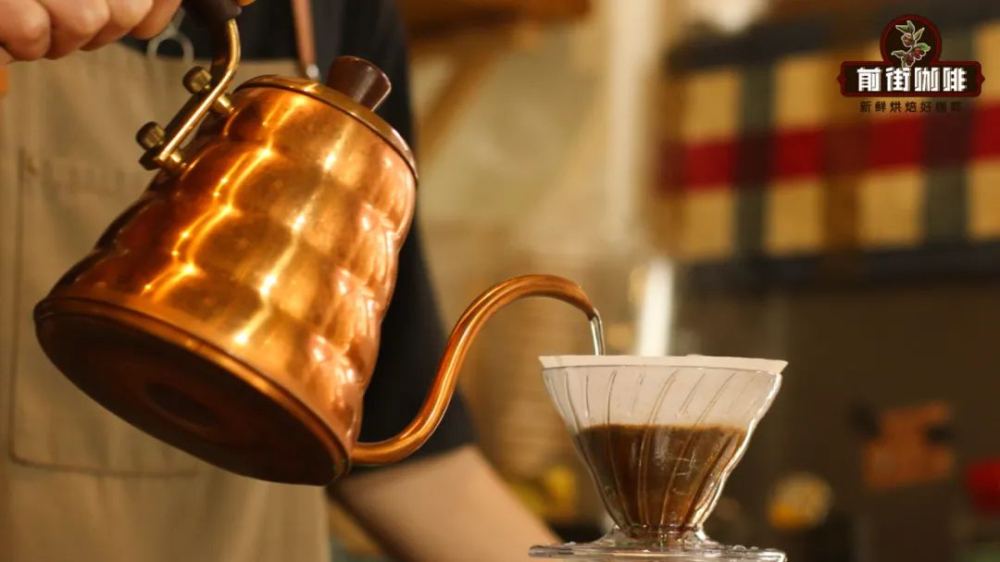
Only at an appropriate temperature can hot water efficiently extract the coffee's soluble compounds. Too cool, and extraction efficiency drops — the cup comes up under-extracted and hollow. Too hot is just as bad: at high temperatures the extraction power becomes so strong that bitter compounds flood the cup. So grind size isn't the only thing to solve when brewing outside your own kitchen — water temperature matters just as much. The trouble is, in places like schools and offices, the only hot water source is often a water dispenser running at about 85°C. What does coffee brewed with that water actually taste like?
The short answer: noticeably astringent — especially with light roasts. At 85°C, complete extraction is hard to achieve, so chlorogenic acid takes up a much larger share of the cup and its astringency becomes obvious. To be clear, low temperature doesn't create more chlorogenic acid; it simply extracts fewer of the sweet and bitter compounds that normally mask it, letting the astringency step forward.
Compensating for Lower Water Temperatures
So brewing a spectacular coffee from a water dispenser is a tall order. Let's aim for something more realistic instead: a good, easy-drinking cup with all the expected flavors present and no astringency. And believe it or not, that's achievable! The water temperature may be fixed, but everything else is adjustable — by boosting extraction efficiency elsewhere, we can partly offset the low temperature. Fair warning: it won't taste quite as good as a coffee brewed at the recommended temperature, but the result is entirely respectable.
What to Adjust
Grind Finer: With an underpowered water temperature, hot water penetrates the grounds less effectively. Grind finer to increase the surface area in contact with water, and the aromatic compounds extract far better.
Agitate More: A finer grind alone isn't enough — and you can't go too fine, or fines will clog the bed, drag out the brew time, and push the cup into over-extraction. So build gentle agitation into your technique: actively "stir" the flavors out of the coffee to lift extraction efficiency.
The Experiment
Next, FrontStreet Coffee will show you how to brew a pleasant cup with water at around 80–85°C. For this test we used Ethiopian Sidamo Guji 7.0. A light roast makes the experiment's results vivid, since its recommended temperature (92°C) sits far from the experimental one (85°C).
Parameters:
- Coffee amount: 15g
- Grind setting: 9 on Ek43 (normally 10), with 75% pass-through rate on #20 sieve (standard is 65%)
- Coffee-to-water ratio: 1:15 (225ml hot water)
- Brewing temperature: 85°C
- Brewing method: Three-pour method
- Dripper used: V60
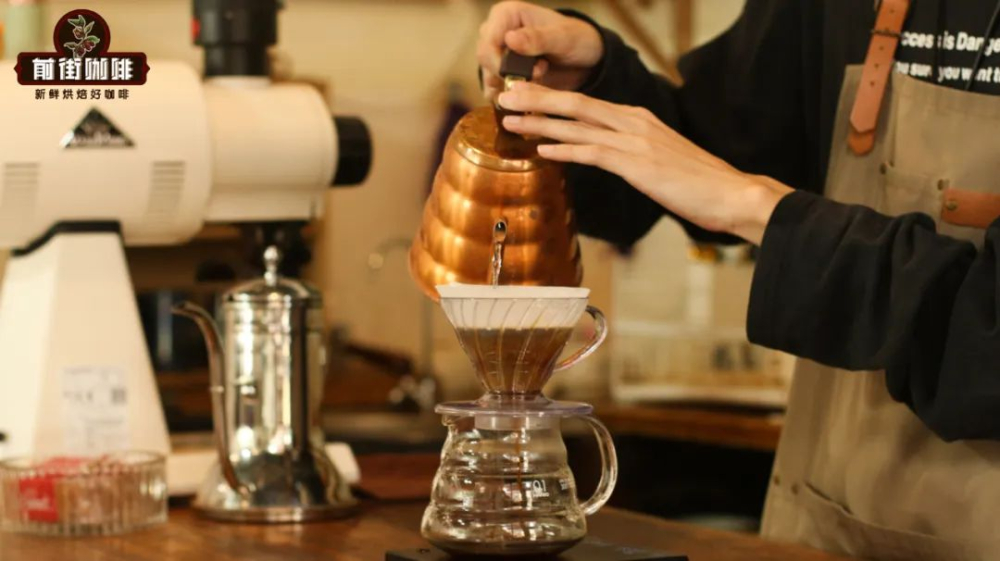
Start with the bloom — twice the coffee's weight in water (30ml)! When the bloom ends, pour the second stage of 120ml in wide circles with a generous flow, lifting the coffee bed.
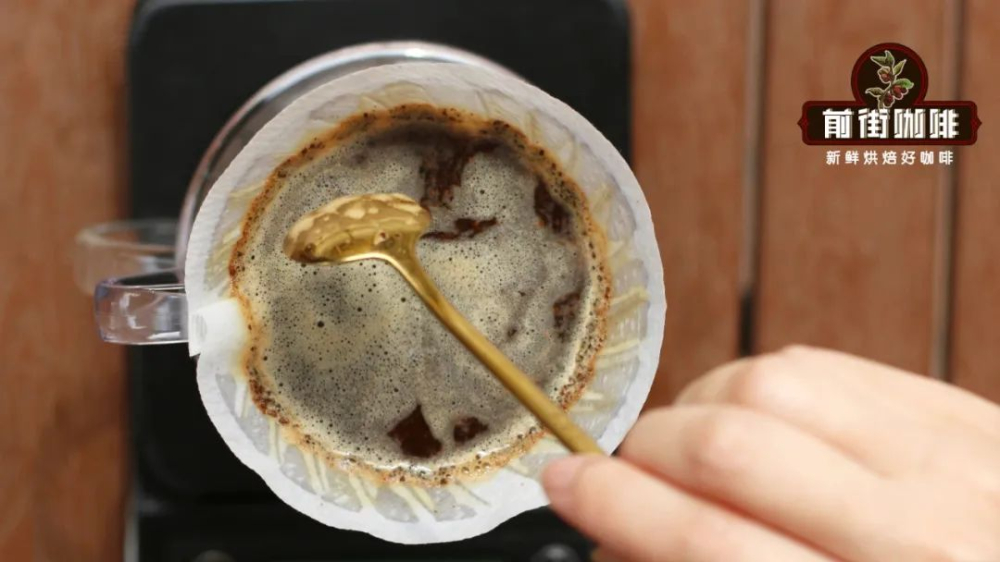
Then grab a spoon or stirrer and stir the bed — evenly, in wide clockwise circles, for 5 seconds.
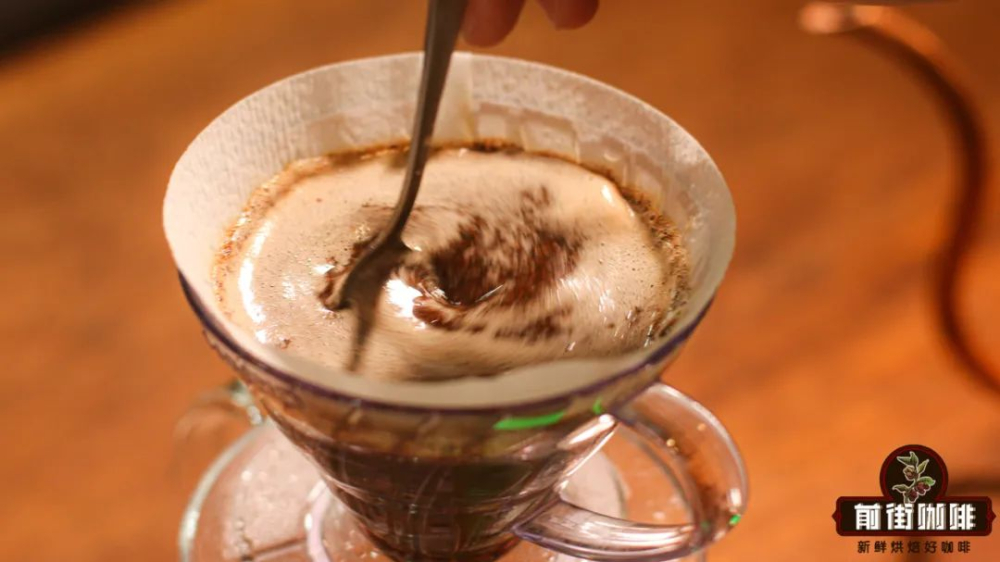
Once the water level is about to bottom out, pour the final third (75ml), starting at the center of the bed and moving outward in small, gentle circles. When the last of the water finishes draining, the brew is done.
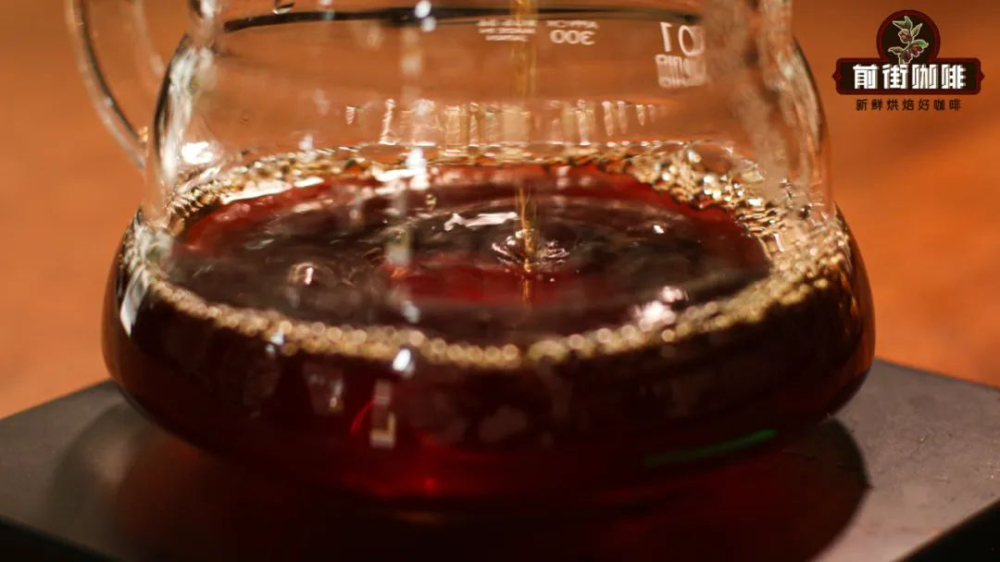
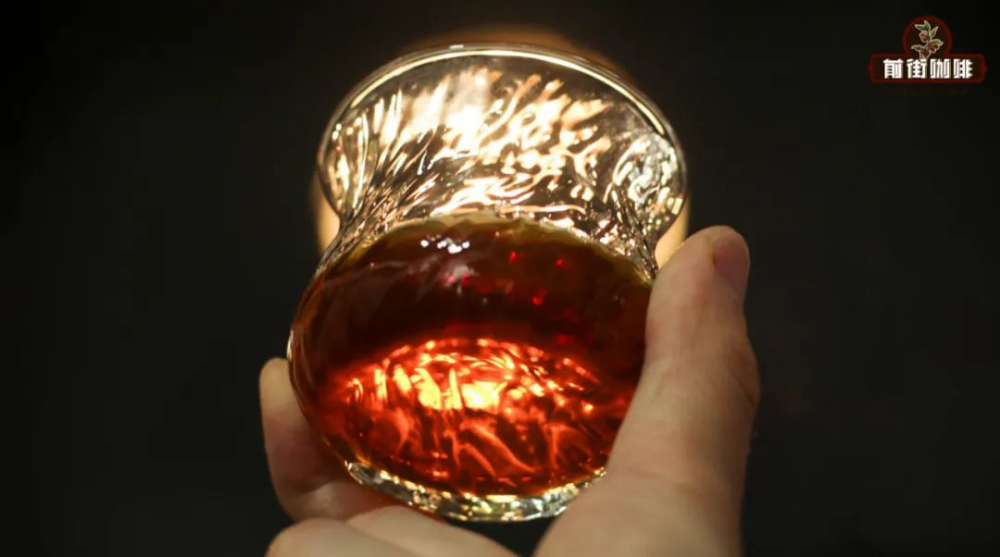
Total time: 2 minutes 15 seconds — about 10 seconds slower than a standard brew, the combined result of the finer grind and the stirring. On tasting: strawberry, cream, and apricot, with some citrus acidity. Overall, the cup is balanced with no astringency. It may not match what 92°C water can do, but under these conditions — hot water that only reaches 80-something degrees — it's a very good cup indeed.
- END -
FrontStreet Coffee

FrontStreet Coffee Recommendation
For low-temperature brewing, pick a light roast whose florals and fruit survive the gentler extraction. FrontStreet Coffee's Washed Yirgacheffe — jasmine, citrus, and a clean tea-like finish — is our classic recommendation for V60 brewing, and it stays sweet and clear even when your hot water tops out in the mid-80s.
If you'd like something fruitier, FrontStreet Coffee's Natural Red Cherry brings peach, cocoa, honey, and lemon in a sun-dried Yirgacheffe profile that forgives a lower brew temperature beautifully — an easy daily bean for office kettles and dispensers alike.
Important Notice :
FrontStreet Coffee is a long-established specialty coffee roaster in Guangzhou China, selling freshly roasted beans from its own farm in Yunnan as well as dozens of carefully selected single-origin beans from around the world for both pour-over and espresso. The products deliver consistently excellent quality and great value, with shipping within 24 hours. Guangzhou's FrontStreet Coffee shop is recommended by many coffee lovers, and the beans are now available online at the Tmall 。
FrontStreet Coffee has moved to a new address:
FrontStreet Coffee Address: 315,Donghua East Road,GuangZhou
Tel:020 38364473
 Scan and follow the En Gafei WeChat official account. Please indicate that the reprint comes from "En Gafei".

