
What's the Difference Between Mocha and Latte in Italian Coffee? How is Traditional Mocha Coffee Made?
You are probably no stranger to the term "Mocha," yet in the third and even fourth waves of specialty coffee, it has grown increasingly hard to find on menus. Coincidentally, as the year drew to a close, FrontStreet Coffee unearthed some long-forgotten chocolate sauce—so let's make a mocha and revisit the past and present of "Mocha Coffee."
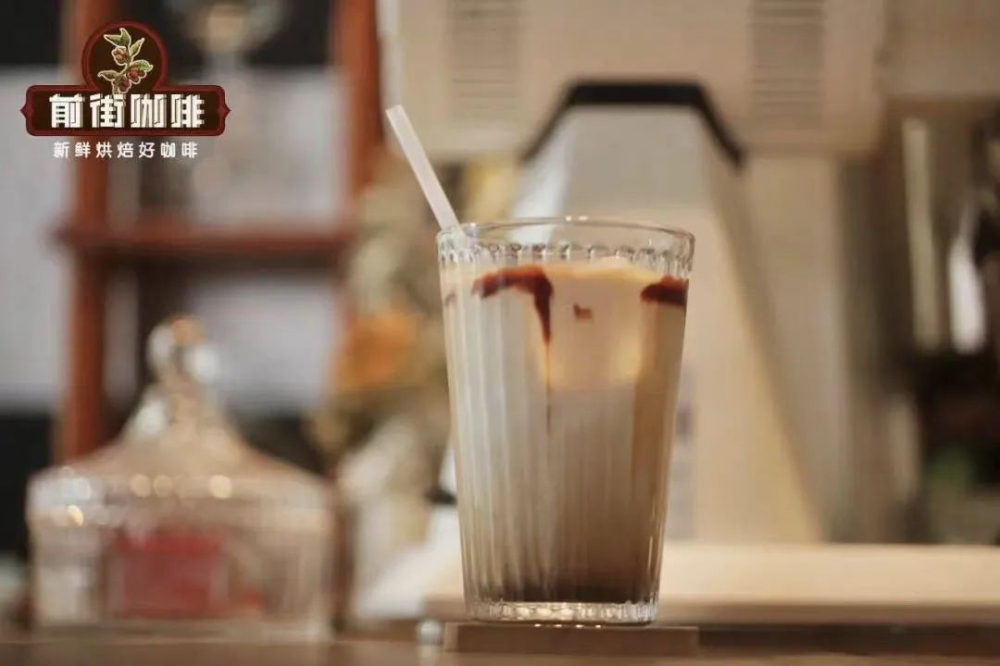
What Is Mocha Coffee?
Mocha coffee is built from espresso, milk, and chocolate sauce. The name traces back to the port of Mocha in Yemen, which for more than 300 years from the 15th century onward served as the major commercial port on Yemen's Red Sea coast. Coffee grown in Yemen was consolidated there before being shipped abroad, and the port also imported beans from places like Ethiopia in Africa for re-export.
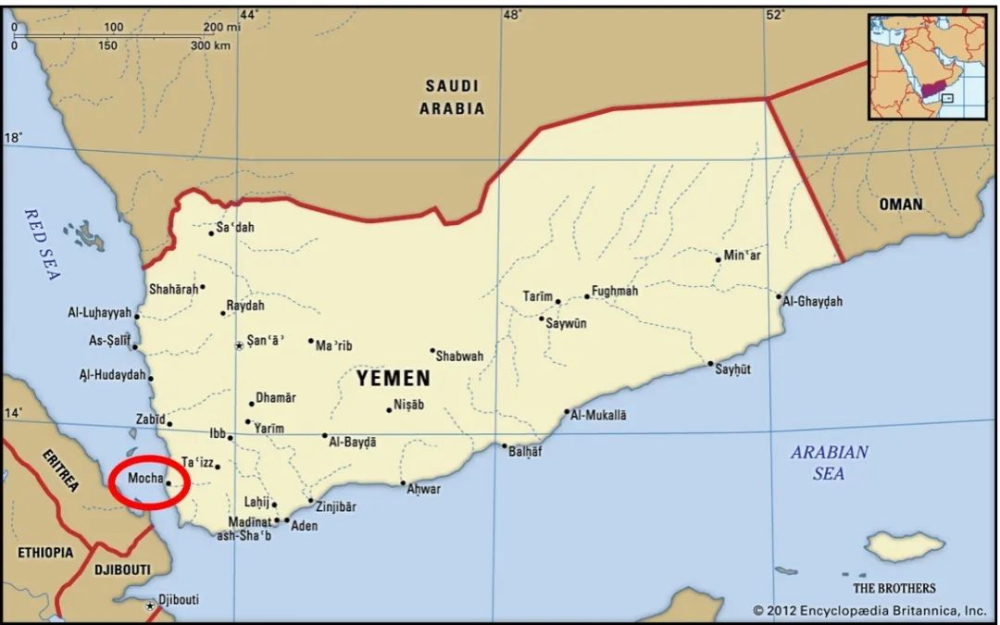
At its height, coffee exported from Yemen's port of Mocha accounted for essentially the entire world coffee trade. Because the burlap bags were stamped with "MOCHA" to certify the beans had shipped through the port, the great coffee-importing countries of Europe came to call all of it "Mocha coffee."
Mocha beans were known for their small size and rich aroma. Combined with the dark roasting of the era, the brewed coffee was mellow, moderately sweet, and deeply chocolatey—wildly popular across Europe.
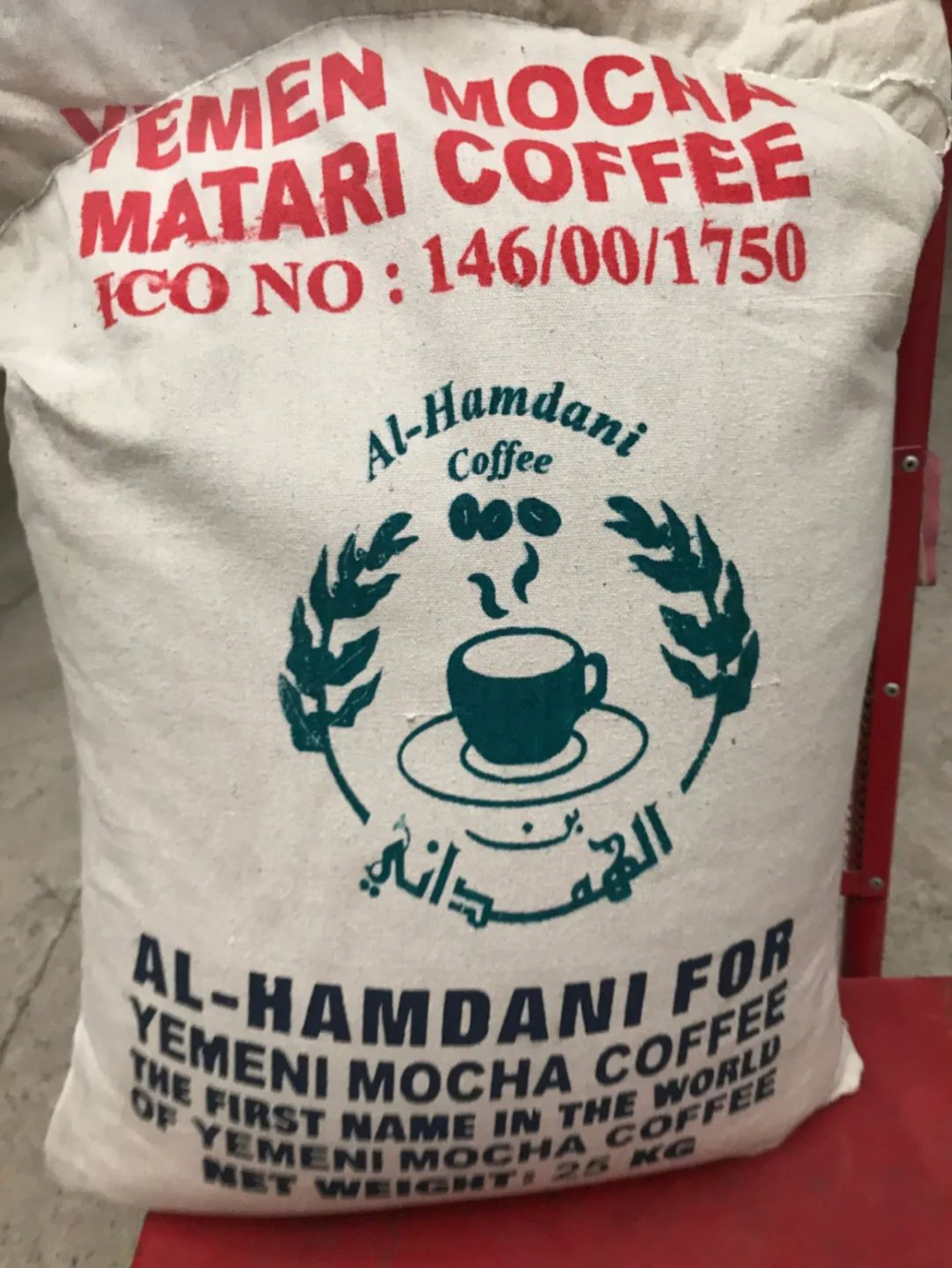
The Italian-style mocha we know today—made with chocolate sauce—has roots in 18th-century Italy. As the Ottoman Empire's rivalries with the European powers intensified and restrictions tightened on coffee beans and the spread of coffee cultivation, the port of Mocha lost its monopoly. Mocha beans became a scarcity in Europe.
So people began adding cocoa powder to coffee to imitate that rich chocolate character. Later, with the invention of the espresso machine and the worldwide rise of espresso-based drinks, this chocolate-milk coffee naturally took its place in the Italian coffee family.
Mocha Coffee, Shaped by the Second Wave
After World War II, Italy's steam-pressure espresso method became familiar and widely accepted. Bean quality at the time, however, was uneven. To keep drinks consistent and costs down, cafés leaned on multi-origin blends and dark roasts to coax out abundant crema and roasted aromas. "Bitter" was the impression coffee left on most people then.
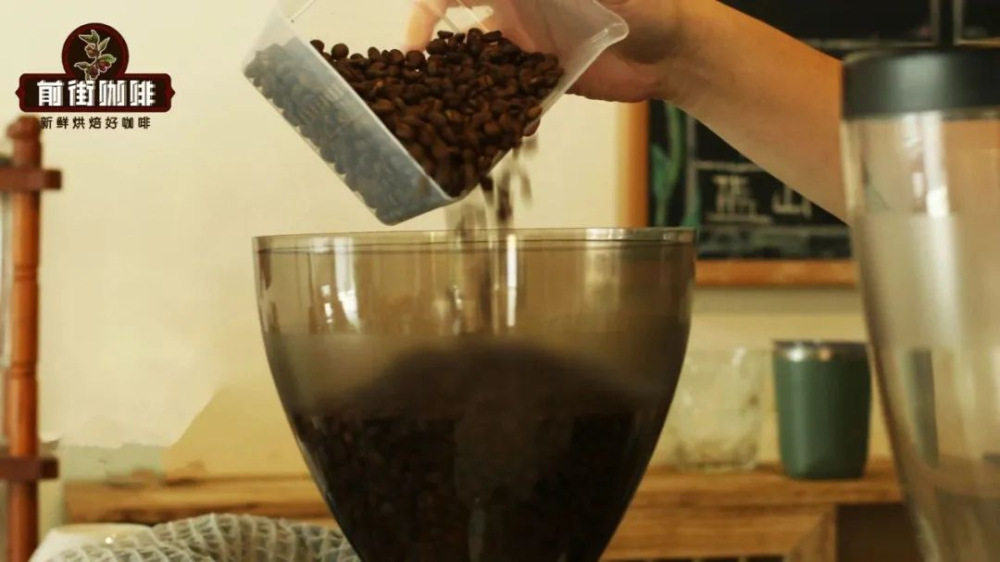
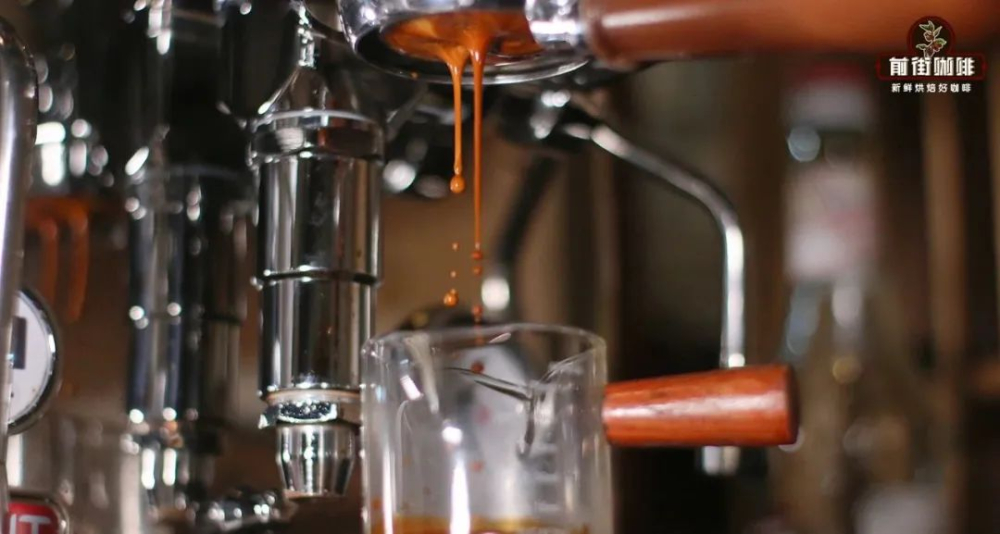
High-temperature, high-pressure extraction magnifies both the virtues and the flaws of a bean, and not everyone could drink straight espresso the way Italians did. To soften the bitterness and satisfy market demand, adding syrups, chocolate sauce, ice cream, cream, and the like became a central axis of beverage development—and these specialty drinks spread worldwide along with the chain café boom.
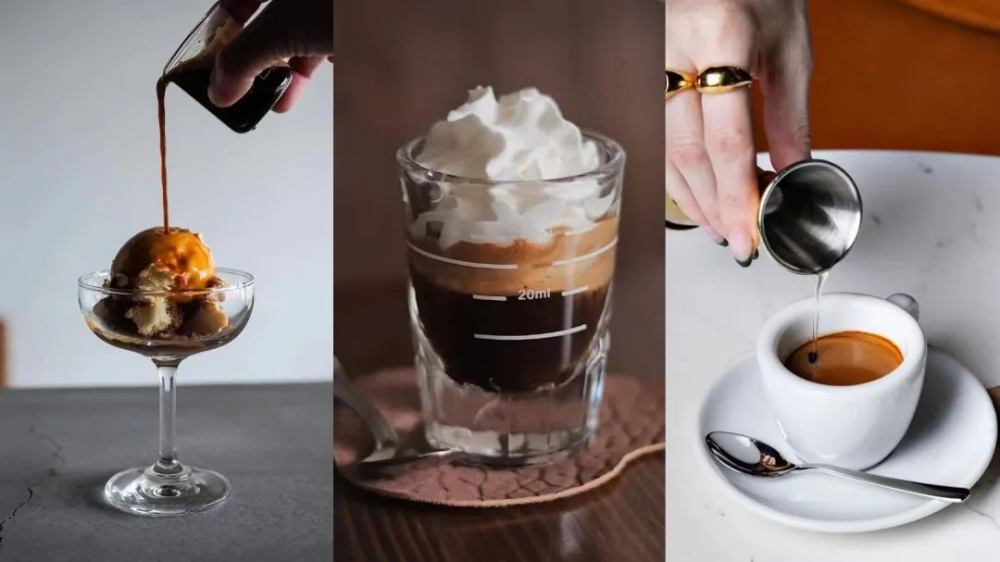
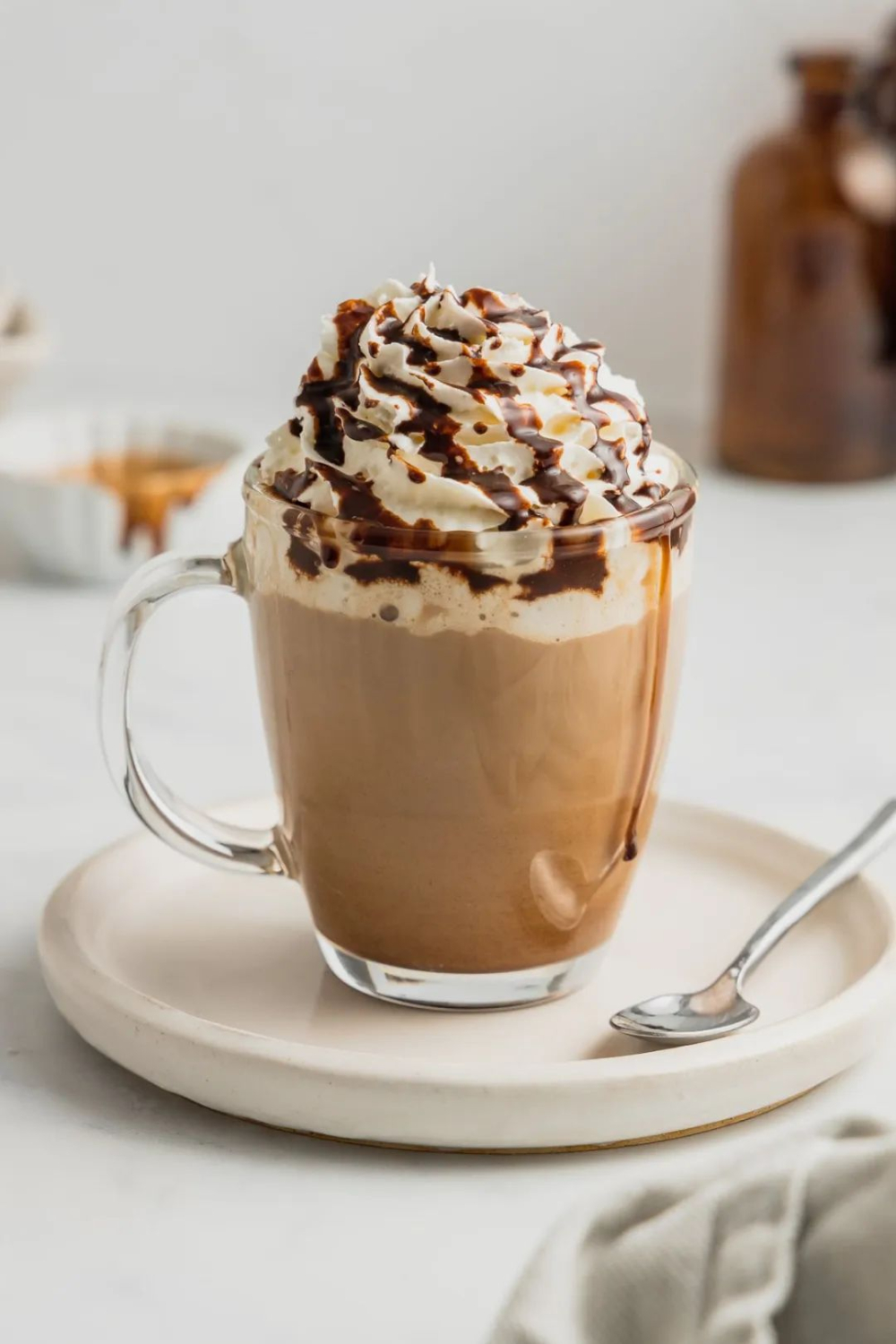
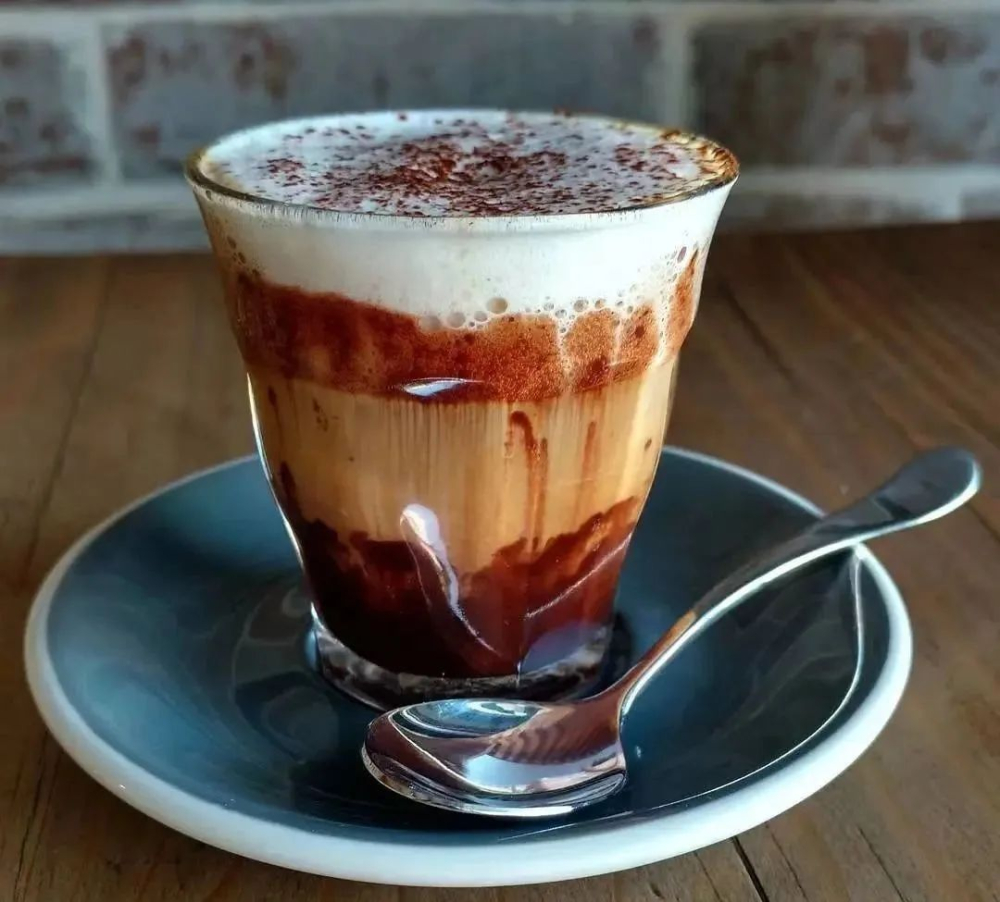
Traditional mocha rests on espresso and hot milk, with chocolate sauce as the flavoring. Some variations substitute cocoa powder, dark chocolate, or chocolate syrup. It is typically crowned with whipped cream and often finished with cocoa powder, cinnamon, or a drizzle of chocolate. The chocolate and cream mask and balance the coffee's bitterness while adding layers, which made the drink a consumer favorite.
Why Has Mocha Coffee Become Rare?
The third wave changed the landscape. As the industry and consumers alike began emphasizing origin and single-origin flavor, and as cultivation and processing methods earned closer attention, bean quality improved dramatically—roasting migrated from dark toward the medium-light profiles that showcase floral and fruity acidity.
Meanwhile tea, one of the world's three great beverages, surged in the domestic market as milk teas and fruit teas were developed to suit younger palates. Sweet-toothed drinkers gained far more options, and mocha's market share was squeezed and diluted.
And as living standards rose, health concerns moved to the fore. Low-sugar and sugar-free diets kept gaining ground while high-sugar, high-calorie foods faded from menus. Mocha—its coffee character masked by additives and inherently high in sugar—was gradually "eliminated" by the market.
That said, drinks combining coffee and cocoa never lost their loyal fans. Beyond chocolate-flavored coffees, chocolate-based coffee specialties remain far from uncommon.

The Article Is Ending, and the Mocha in Hand Is Almost Finished
Although mocha has long been retired from FrontStreet Coffee's own menu, that rediscovered chocolate sauce gave us the perfect excuse to demo an iced mocha. You only need a double shot of espresso, a little chocolate sauce, 200g of fresh milk, and some ice cubes—and if conditions allow, a bit of cocoa powder or cinnamon.
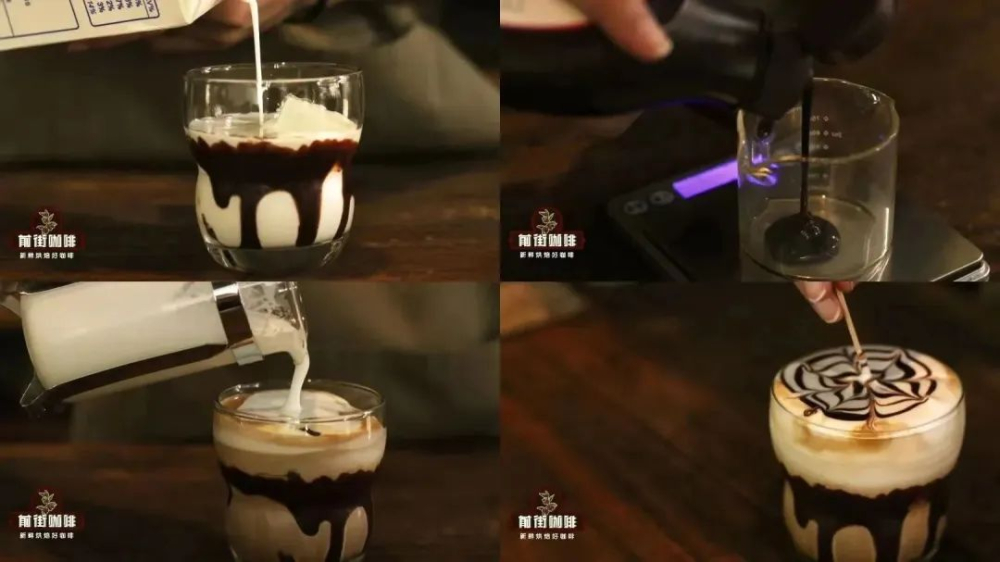
Take a glass, squeeze chocolate sauce along the inner walls, add ice and 100g of cold milk, then pour in the espresso (pre-mixed with 10g of chocolate sauce). Top with cold milk foam made in a French press, and finally draw a pattern on the foam with chocolate sauce. A beautiful, delicious iced mocha is ready.
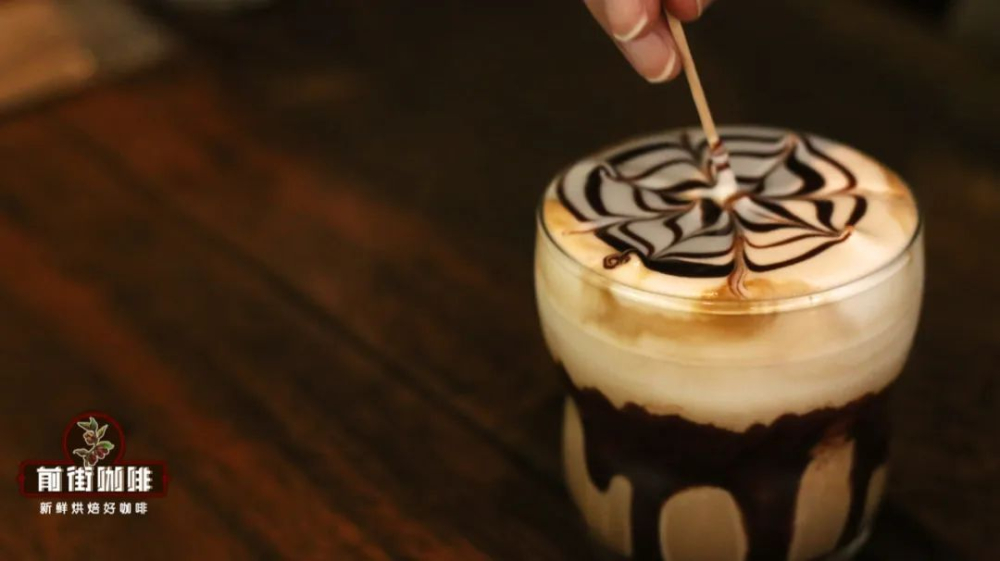
(PS: Draw two concentric circles, one large and one small; draw a cross from the inside out, then an X from the outside in.)

FrontStreet Coffee Recommendation
Mocha owes its name to coffee that once passed through Yemen from nearby Ethiopia. If the chocolate-and-coffee pairing has you curious about Ethiopian beans themselves, here are three from the FrontStreet Coffee shelf:
FrontStreet Washed Yirgacheffe — The ideal entry point to Ethiopian specialty coffee: clear jasmine florals and bright citrus acidity. Yirgacheffe itself is a small town in southern Ethiopia, spring-like and misty all year, where thousands of coffee trees give a light, elegant, tea-like cup—like a clean, refreshing lemon tea.
FrontStreet Natural Red Cherry Project — A natural-processed Yirgacheffe: blemished fruit is removed first, then cherries dry in the sun for two weeks until the sugars and essence of the pulp have fully infused the beans and moisture falls to 12%, after which the hardened pulp and parchment are stripped away and every bean passes density, color, and hand-sorting checks. The result is impeccable cleanliness wrapped in heady fruit—peach, cocoa, honey, and lemon.
FrontStreet Natural Huakui — From the Hambella growing area of Guji, Sidamo, on a 200-hectare farm using traditional natural processing: ripe cherries dry 21 days on raised beds, turned constantly for even drying, with moldy or defective beans hand-sorted out every three to five days. Roasted medium-light, it shows a light fermented wine note, florals, citrus, and mango, with honeyed sweetness, a cocoa-and-spice undertone, and a thick body with a long finish—wonderfully complex.
Important Notice :
FrontStreet Coffee is a long-established specialty coffee roaster in Guangzhou China, selling freshly roasted beans from its own farm in Yunnan as well as dozens of carefully selected single-origin beans from around the world for both pour-over and espresso. The products deliver consistently excellent quality and great value, with shipping within 24 hours. Guangzhou's FrontStreet Coffee shop is recommended by many coffee lovers, and the beans are now available online at the Tmall 。
FrontStreet Coffee has moved to a new address:
FrontStreet Coffee Address: 315,Donghua East Road,GuangZhou
Tel:020 38364473
 Scan and follow the En Gafei WeChat official account. Please indicate that the reprint comes from "En Gafei".

