
Introduction to Costa Rica Tarrazú Region, H1 Variety, and Canet Estate Musician Series Mozart
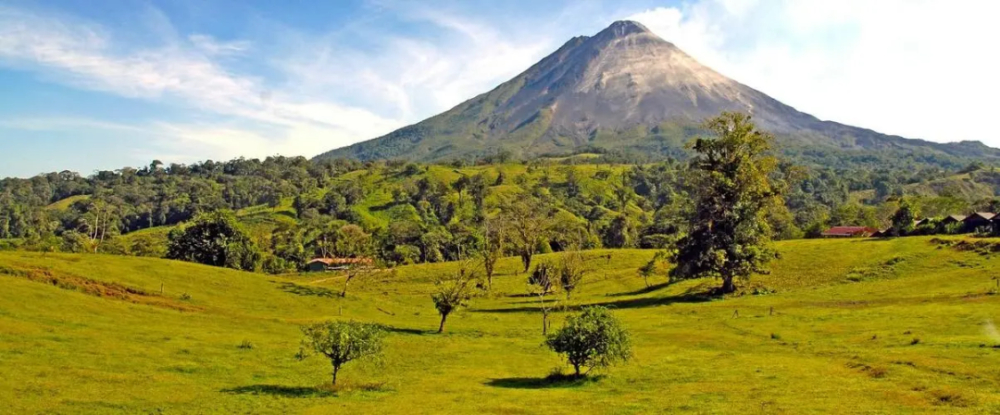
Costa Rica sits in Central America, with multiple towering volcanoes reaching altitudes of 2000 meters. The climate is regulated by Pacific and Atlantic currents and sea breezes, and the rainy season lasts from April to December. Fertile volcanic soil, high-altitude growing conditions, and abundant rainfall make Costa Rica an ideal environment for coffee.
Coffee was already being cultivated in Costa Rica as early as the 19th century. The government has been highly supportive, establishing the Institute for the Defence of Coffee in 1933 to protect small farmers from exploitation. In 1948, that organization became the Costa Rican Coffee Institute (ICAFE), which still operates today.
Tarrazu
Today Costa Rica has over 400 million coffee trees, with eight main growing regions: Western Central Valley (Valley Central Occidental), Central Valley (Valley Central), Tarrazu, Tres Rios, Orosi, Brunca, and Turrialba — almost all distributed along the central mountain ranges.
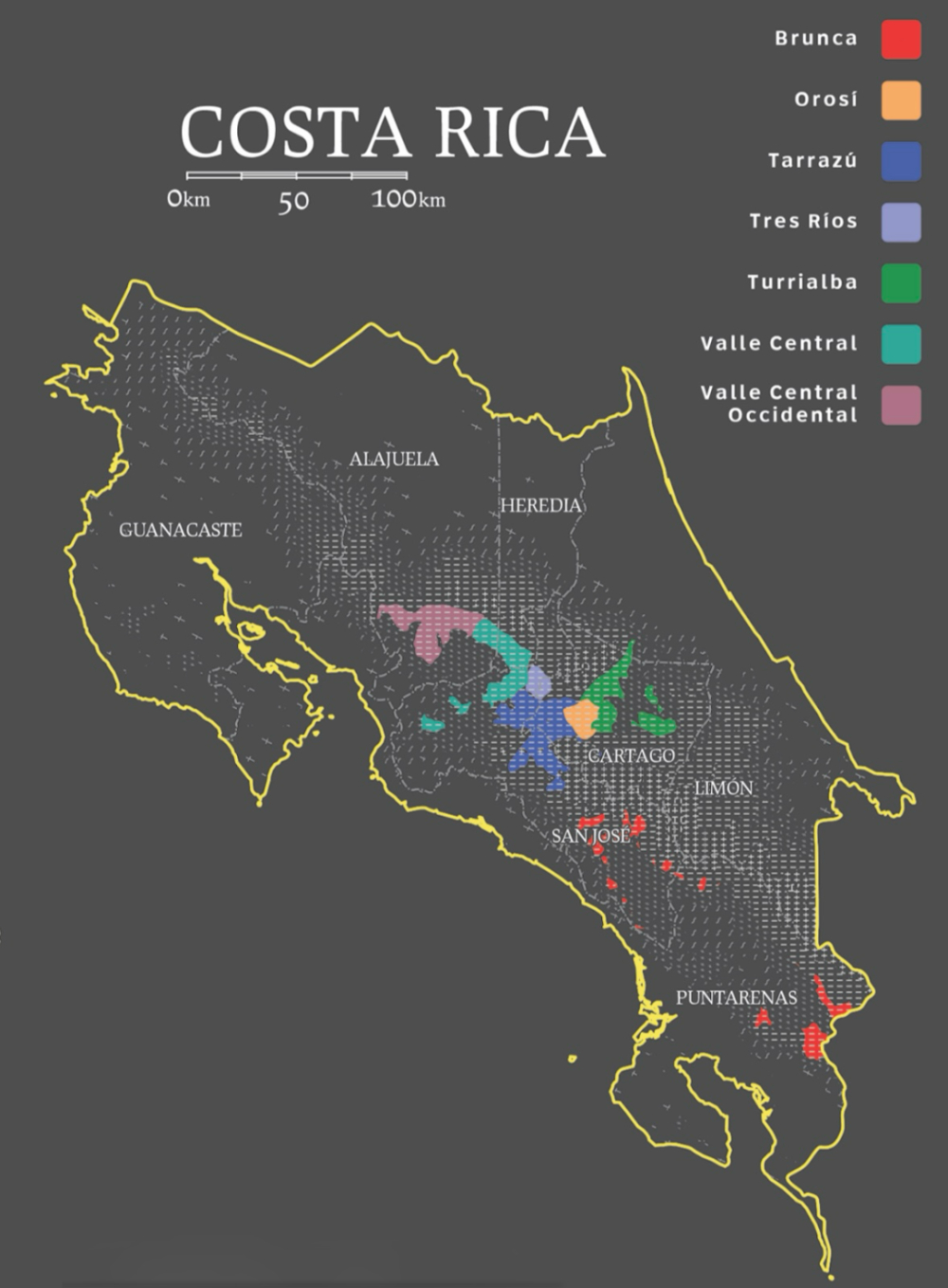
Among them, Tarrazu is one of Costa Rica's most important growing regions, located south of the capital, San José. Coffee is cultivated at altitudes between 1200 and 1900 meters, making it the highest-altitude growing region in the country. Abundant rainfall and fertile volcanic soil from the nearby volcanoes give coffee from this region bright acidity, floral and fruity aromas, moderate sweetness and acidity, and overall balance.
Casa Candelas - Musician Series
Casa Candelas is located in the highest-altitude part of the Tarrazu region, which is also Costa Rica's most intensive fruit-growing area. While Casa Candelas mainly grows passion fruit, it keeps a specific area dedicated to coffee, cultivated with special care. The estate is owned by the Robles brothers — Leo, Elian, and Melvin — who also share a small processing plant.

They launched the Musician Series product line, featuring four different coffees, each using a different variety to express its own character. The naming comes from the Casa Candelas manager's deep passion for classical music: tasting a particular bean, he would associate its character with a musician, producing names like Bach, Beethoven, Mozart, and Chopin. FrontStreet Coffee currently offers two coffees from the series: FrontStreet Coffee's Mozart and FrontStreet Coffee's Bach.
Raisin Honey Processing
Costa Rica is the birthplace of honey processing, a method shaped by the country's geography. With so many mountains, water storage is difficult at high altitude, making the water-intensive washed process hard to sustain. Nor can the country rely on long periods of sunlight like African origins, and natural processing carries significant risk. So producers emulated Brazil's semi-natural method and adapted it to local conditions, developing what we now know as honey processing. Its subdivisions — black honey, red honey, yellow honey, and white honey — are distinguished by the different colors that correspond to varying degrees of mucilage retention.
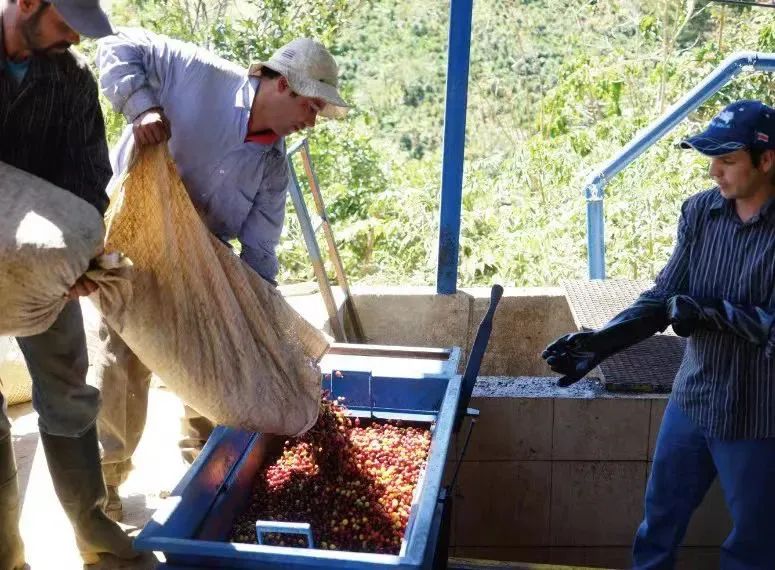
The latest development in honey processing is raisin honey. This method retains 100% of the mucilage with zero water treatment, increasing the complexity of honey processing while demanding strict control of timing. After harvest, the cherries are poured into large water tanks, where underdeveloped floating beans are separated through buoyancy screening. The cherries are then dried on raised beds, the skin is removed while the mucilage is preserved, and drying begins. The process requires constant turning for even drying and slow fermentation, with weather watched closely until the beans reach approximately 11% moisture content. This method yields beans with more intense fermented aromas and richer, fuller layers of flavor.
H1 Variety
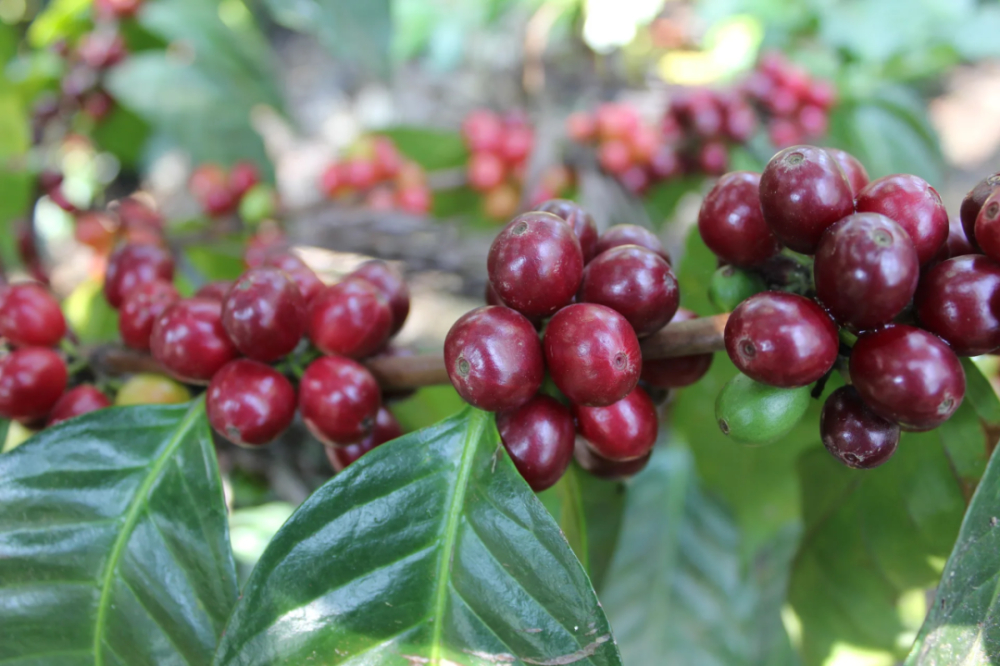
H1, from the Sebaco laboratory in Nicaragua, has the full name Centroamericano. It is a hybrid cross between T-5296 (Sarchimor) and Sudan Rume, from the F1 first-generation hybrid series. Sudan Rume was discovered in the Rum Valley of the Boma Plateau in Sudan, hence its name. This variety offers excellent quality and superior flavor, with yields 22% higher than other traditional American varieties. It shows strong resistance to coffee leaf rust but is susceptible to nematode infestation.
FrontStreet Coffee · Costa Rica Musician Mozart Coffee Bean
Region: Tarrazu
Estate/Processing Plant: Casa Candelas
Altitude: 1800 meters
Variety: H1
Processing Method: Raisin Honey
Flavor Profile: Fermented aroma, raisin, starfruit, berries, dried fruit
FrontStreet Coffee's Mozart, from the Costa Rica Musician series, features the H1 variety processed by the raisin honey method and roasted to a medium level. Brewed with a V60 at a 1:15 ratio, FrontStreet Coffee recommends savoring its complex floral aromas and fermented fragrances. The first sip reveals berry-like acidity, starfruit and raisin flavors, and the sweetness of dried fruit, delivering a smooth mouthfeel with a pleasant aftertaste.

FrontStreet Coffee Recommendation
If the raisin honey method here appeals to you, FrontStreet's Mozart is the closest match to pour at home. Grown in Costa Rica, the country famous for honey processing, it uses a distinctive raisin honey method: the cherries are pulped, briefly fermented, then dried, so the finished beans carry rich notes of dried fruit, ripe pineapple, and sweet orange. Add hot water and a captivating osmanthus aroma rises, round and sweet — ideal for cold brew or iced pour-over.
For a different kind of floral cup, FrontStreet's Strawberry Candy blend brings Costa Rican honey processing together with a washed Panama Geisha. The result gathers the strengths of both: raisin, orange, and ripe blueberry aromas, a rose-like depth, and a faint almond finish. It suits pour-over, cold brew, a home espresso machine, a moka pot, and a clever dripper alike — a versatile, layered choice for anyone who enjoys floral-and-fruit coffees.
Important Notice :
FrontStreet Coffee is a long-established specialty coffee roaster in Guangzhou China, selling freshly roasted beans from its own farm in Yunnan as well as dozens of carefully selected single-origin beans from around the world for both pour-over and espresso. The products deliver consistently excellent quality and great value, with shipping within 24 hours. Guangzhou's FrontStreet Coffee shop is recommended by many coffee lovers, and the beans are now available online at the Tmall 。
FrontStreet Coffee has moved to a new address:
FrontStreet Coffee Address: 315,Donghua East Road,GuangZhou
Tel:020 38364473
 Scan and follow the En Gafei WeChat official account. Please indicate that the reprint comes from "En Gafei".

