
How to Prepare Volcano Pour-Over Coffee? What are the Characteristics of Japanese Volcano Pour-Over?
FrontStreet Coffee frequently stumbles upon articles about Japanese-style pour-over brewing while browsing online, and they invariably showcase visual appeal that leaps off the screen. So today, we're sharing the celebrated "Volcano Pour-Over" from the Japanese-style repertoire.

What is Volcano Pour-Over?
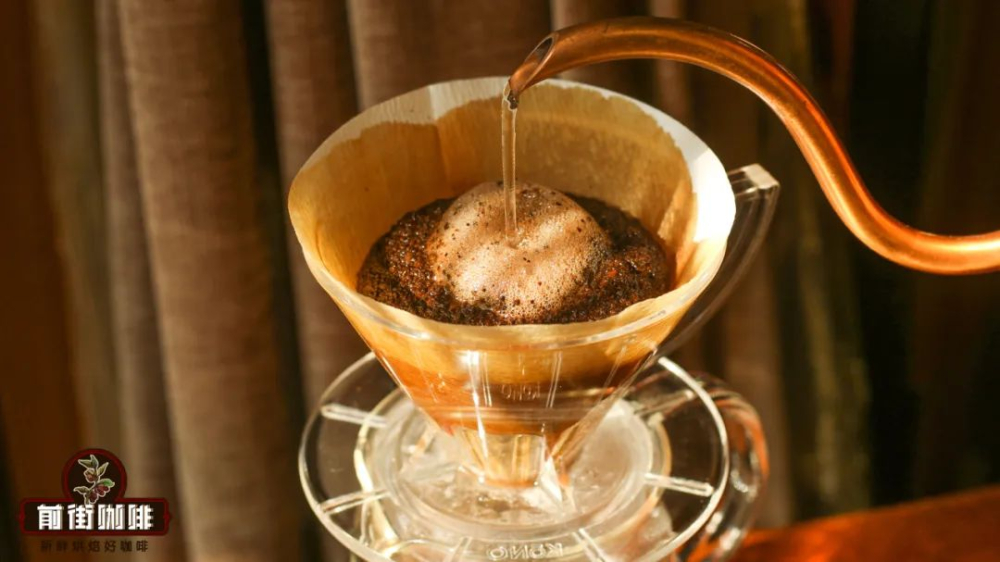
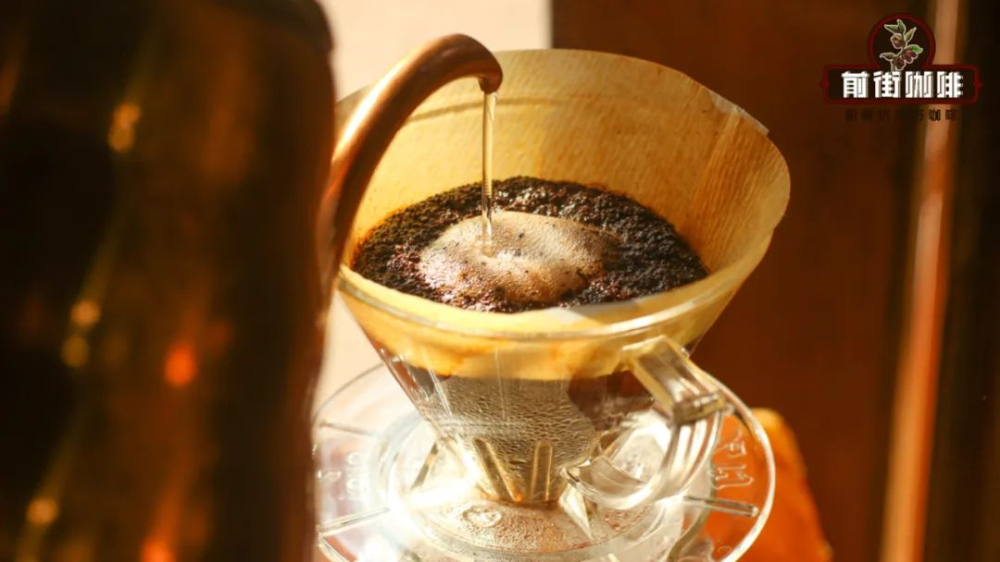
As noted above, the Volcano Pour-Over comes from Japan! And it's named literally: during brewing, the grounds in the filter vent gas on contact with hot water, producing a swelling, heaving dome that looks exactly like a volcanic eruption—truly spectacular!
Best Suited for Dark Roast Beans
This method is made for dark roast beans. Why? Because it was designed around dark roast characteristics (dark roast dominated the market back in the day). Dark roasted beans, with their looser texture, hold a lot of carbon dioxide—and on contact with hot water, their density lets it escape rapidly, inflating that huge bulge!
Light roast beans, by contrast, are denser and harder: they can't hold much gas and release it reluctantly, so the bloom stays flat—no dramatic dome. The visual spectacle simply doesn't compare!
Brewing Equipment Considerations
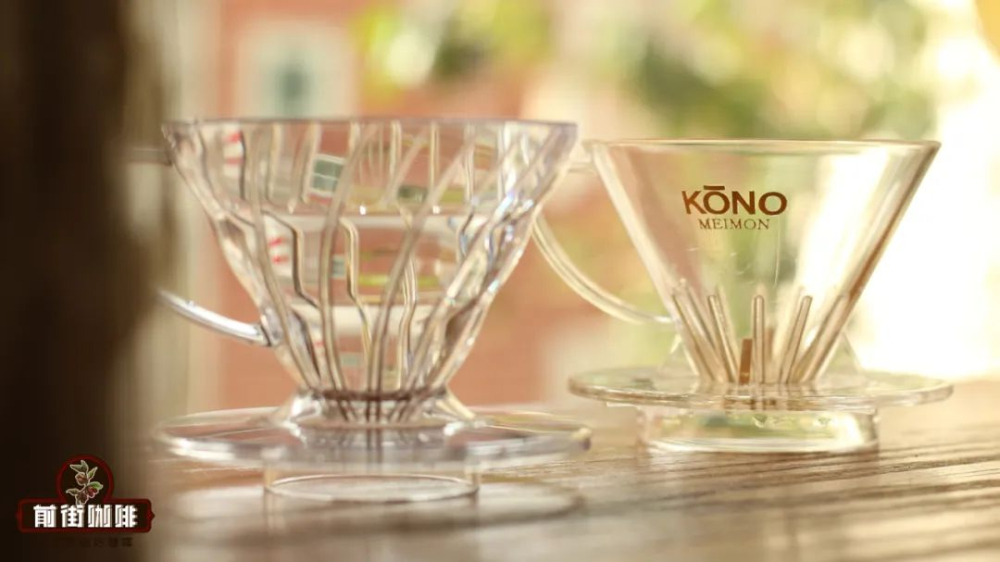
Since the extraction time is relatively long, the flavor profile leans toward high sweetness, balance, and rich body—another reason the method favors dark roasts over the front-and-middle notes of light ones. Note also that this method has filter requirements! It works best with cone drippers—flannel, V60, Kono. The pouring style is intermittent small streams aimed at the center, and in a cone dripper the particles pile up mostly in the middle, with the grounds layer at the edges much thinner than at the center.
Intermittent center pouring therefore pushes hot water through more grounds than a conventional pour would (with the same water volume, far less bypass), and the water then transfers outward from the middle so the edge grounds get extracted too. No need to worry about the perimeter going under-extracted.
Volcano Pour-Over Recipe
How do you brew it? Since it's Japanese-style, we naturally use dark roasted FrontStreet Golden Mandheling for maximum authenticity! Because extraction runs long, the parameters need sensible adjustment to avoid over-extraction. FrontStreet Coffee's Volcano Pour-Over parameters:
- Beans used: FrontStreet Sumatra Golden Mandheling (Dark Roast)
- Coffee amount: 20g
- Grind setting: Ek43 setting 11 (60% pass-through rate on #20 sieve, coarse sugar texture)
- Coffee-to-water ratio: 1:12 (240ml hot water)
- Brewing temperature: 88°C
- Filter used: Kono dripper
The brew has two parts: one bloom, then several continuous pours! Start by pouring double the coffee's weight in water (40ml) to wet the grounds, blooming for 30 seconds. If the beans are fresh, they'll swell into a giant "hamburger" shape—the "volcano" itself, as pictured below.
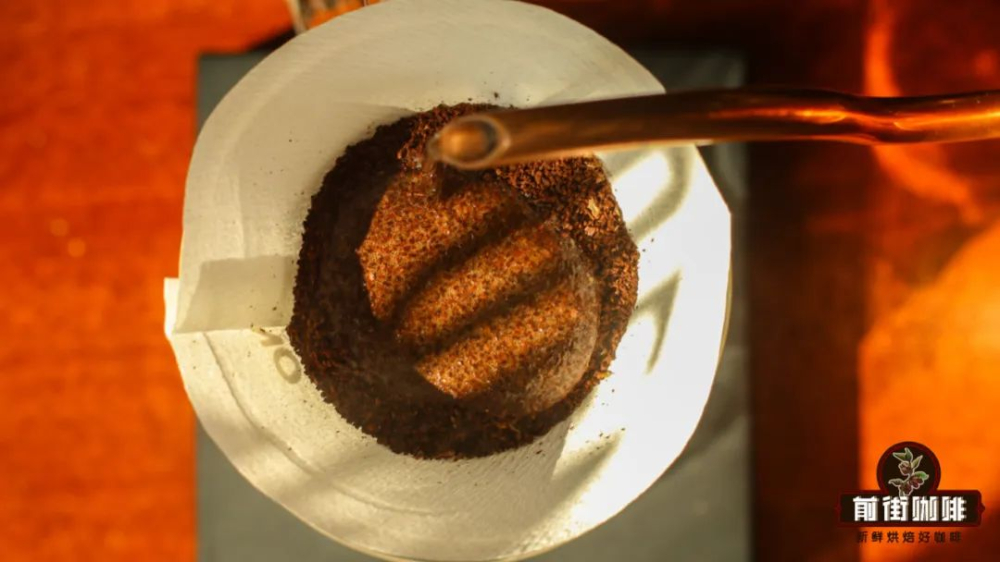
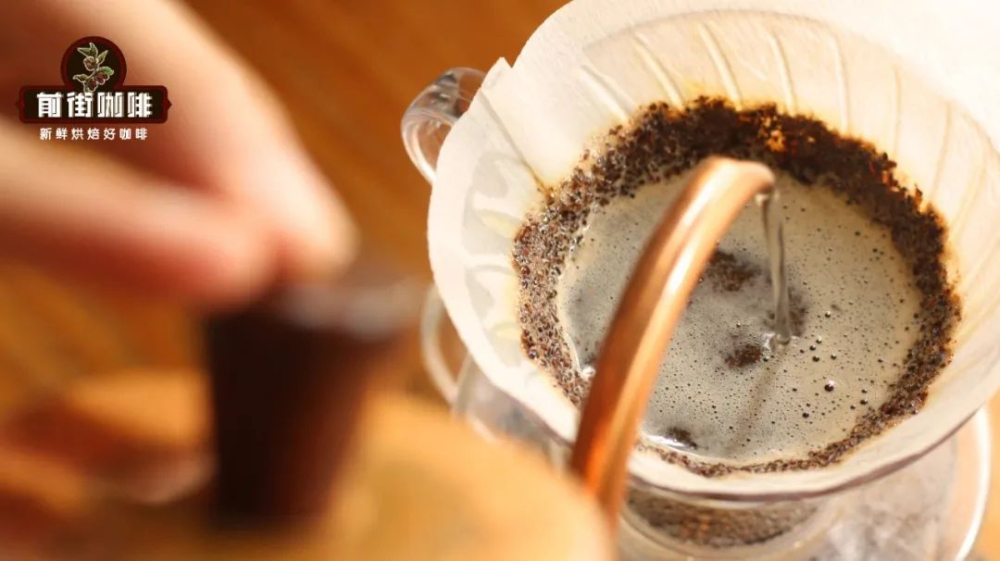
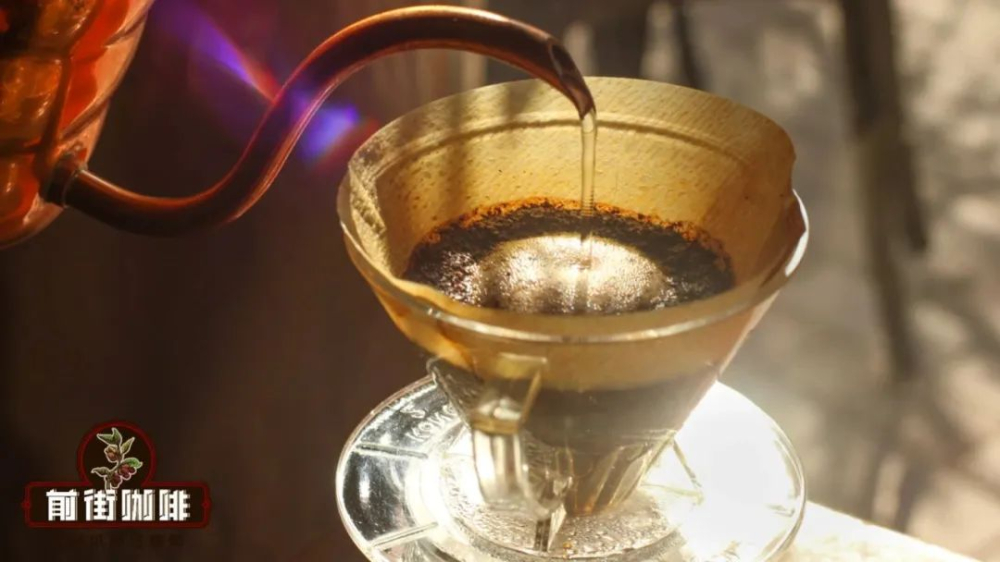
After the bloom, split the remaining hot water into 10 portions of 20ml each, dotting small streams into the center of the dripper at roughly 5-second intervals (pour when the coffee bed is about to collapse). Then watch the whole grounds "volcano" swell and shrink, again and again, just like an eruption!
Serving Suggestions
Once all the water is in and dripping has finished, remove the dripper and perform a bypass to your preferred strength. A 1:12 ratio is intensely concentrated for most palates, and with so little room in the water, the coffee's flavors crowd together without full expression. So after brewing, FrontStreet Coffee suggests adding hot water to dilute for a better drinking experience!
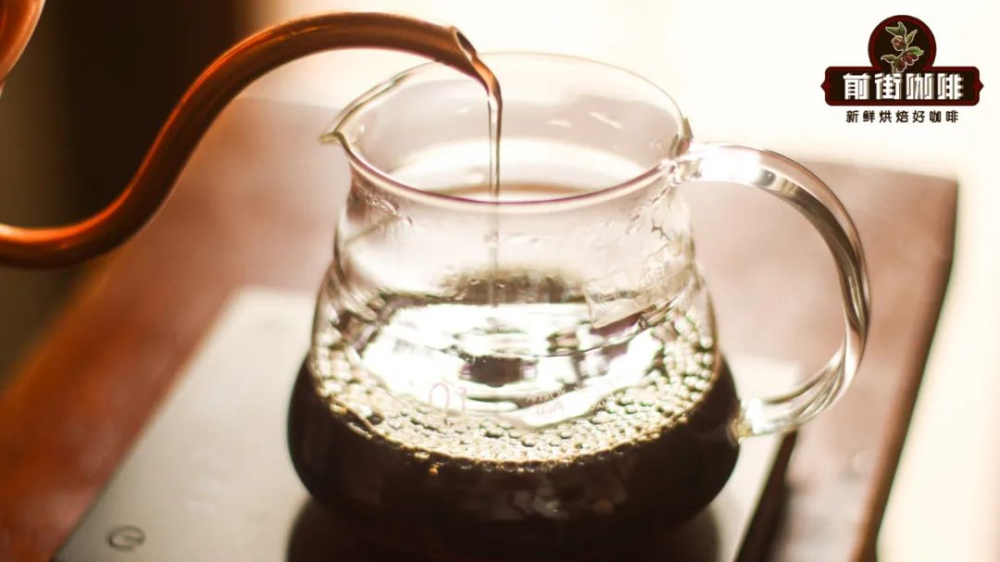
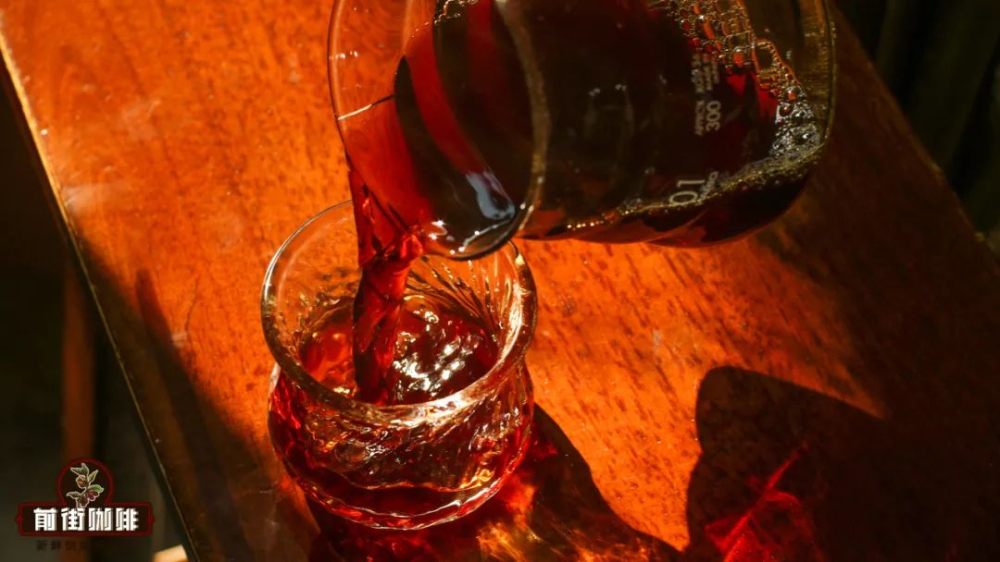
Our preference is 60ml of extra hot water, bringing the ratio to 1:15. That's the sweet spot: very smooth, rich-bodied, and highly sweet, with the pine, dark chocolate, and spice flavors of FrontStreet Golden Mandheling all fully expressed!
Conclusion
In essence, the Volcano Pour-Over is a high-concentration, low-extraction method: more coffee, less water, extracting only part of the solubles. Because the water has limited space, it can never dissolve everything—which means with sensible parameters, over-extraction is practically impossible. Give it a try!
- END -
FrontStreet Coffee
No. 10, Bao'an Qianjie, Yandun Road, Dongshankou, Yuexiu District, Guangzhou, Guangdong Province

FrontStreet Coffee Recommendation
The Bean Behind the Volcano
The Volcano Pour-Over's star ingredient is the FrontStreet PWN Indonesian Golden Mandheling—dark roasted, low in acidity, thick and enduring on the palate, with herbal, dark chocolate, and pine notes and just a whisper of earthiness. Sourced through PWN's famously strict standards (screen 18+, fewer than 3 defects per 300g, triple hand-sorting to G1 grade), it produces exactly the fresh, gas-rich grounds this brewing method depends on. The classic Lintong Mandheling works beautifully too if you want a slightly softer take on the same wild Sumatran character.
Pairing Suggestions
Volcano pour-over delivers a concentrated, sweet, full-bodied cup—so it pairs naturally with other full-flavor formats. For espresso days, the FrontStreet Classic Blend (Mandheling-Brazil with a touch of Robusta) brings the same mellow depth with golden crema for lattes and Dirty; for gentler mornings, the Brazil Queen Estate offers balanced nut, cocoa, and caramel sweetness in any dripper. One bag of Golden Mandheling, though, is all the volcano you need.
Important Notice :
FrontStreet Coffee is a long-established specialty coffee roaster in Guangzhou China, selling freshly roasted beans from its own farm in Yunnan as well as dozens of carefully selected single-origin beans from around the world for both pour-over and espresso. The products deliver consistently excellent quality and great value, with shipping within 24 hours. Guangzhou's FrontStreet Coffee shop is recommended by many coffee lovers, and the beans are now available online at the Tmall 。
FrontStreet Coffee has moved to a new address:
FrontStreet Coffee Address: 315,Donghua East Road,GuangZhou
Tel:020 38364473
 Scan and follow the En Gafei WeChat official account. Please indicate that the reprint comes from "En Gafei".

