
What's the difference between oat milk and regular milk? Why is it so difficult to create latte art with it?
Concerned about digestive discomfort from dairy, plenty of customers have been asking FrontStreet Coffee whether an oat milk latte is on the menu, or messaging to ask: "How do you get fine microfoam out of oat milk?" While every milk-based coffee at FrontStreet Coffee is built on whole fresh milk, curiosity got the better of us, so today we're taking a close look at what makes oat milk lattes different, and how to steam and pour oat milk for latte art.
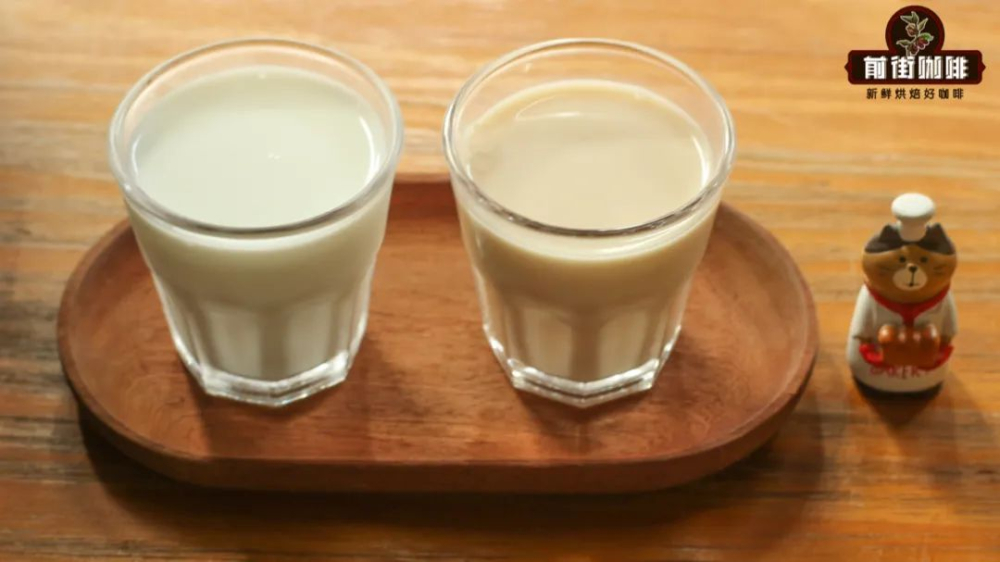
(Fresh milk on the left, oat milk on the right)
What Exactly Is Oat Milk?
One thing worth clearing up right away: despite the word "milk" in the name, oat milk has essentially nothing to do with dairy. It contains no milk components whatsoever. It is a plant-based drink made from an oat slurry—oats milled with water—then blended with measured amounts of fats, thickeners, and stabilizers to tune the flavor, mouthfeel, and body, and finally subjected to high-temperature pasteurization. Because it is completely lactose-free, it suits anyone with lactose intolerance far better than cow's milk does.
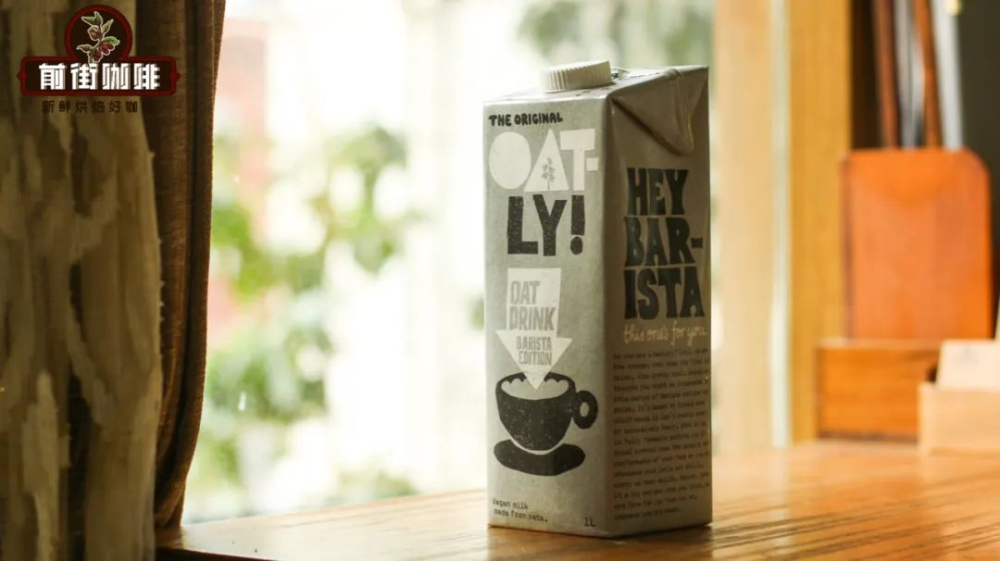
Compared with regular fresh milk, oat milk feels lighter on the palate; yet against other plant milks such as almond or soy, it is noticeably richer and more layered. There is no shortage of oat milk brands these days, and FrontStreet Coffee pours OATLY. Tasted on its own, this oat milk offers both the grainy sweetness of oats and a creamy, velvety thickness. (Like any oat milk, it will separate and settle if left to stand, so give the carton a good shake before pouring.)
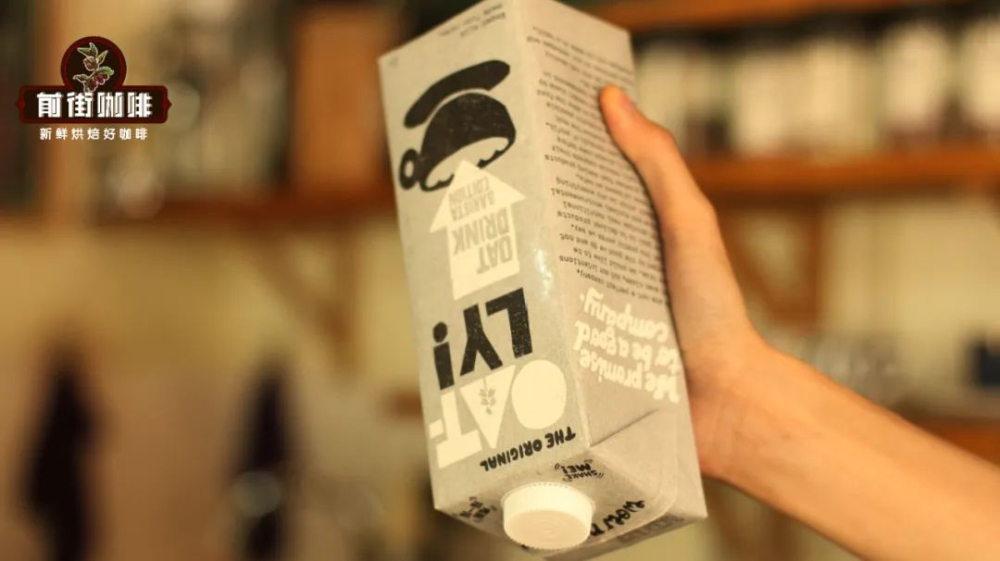
(Give it a shake like this before you open it!)
How Do Oat Milk Lattes and Fresh Milk Lattes Differ in Flavor?
Whole fresh milk is a dairy product loaded with lactose, fat, and protein. Thanks to all that lactose, it tastes naturally sweet—especially once heated past 30°C. Lactase goes to work breaking lactose down into galactose, glucose, and other compounds, some of them sweeter than lactose itself, which is why warm milk tastes distinctly sweeter than cold. Paired with espresso, heated fresh milk doesn't just dilute the shot; its milky aroma and sweetness carry the coffee into a balanced, full-bodied profile.
Flavor-wise, oat milk interacts with coffee in much the same way as dairy: it tames the bitterness of espresso while adding a gentle grain sweetness, and it builds intricate flavor combinations with certain aromatic compounds in the beans. Take FrontStreet Coffee's "Sunflower Warm Sunshine" espresso blend as an example. Combined with heated oat milk, the cup shows maltose sweetness and whiskey-like aromatics, with a smooth, delicate mouthfeel and a faintly fibrous finish.
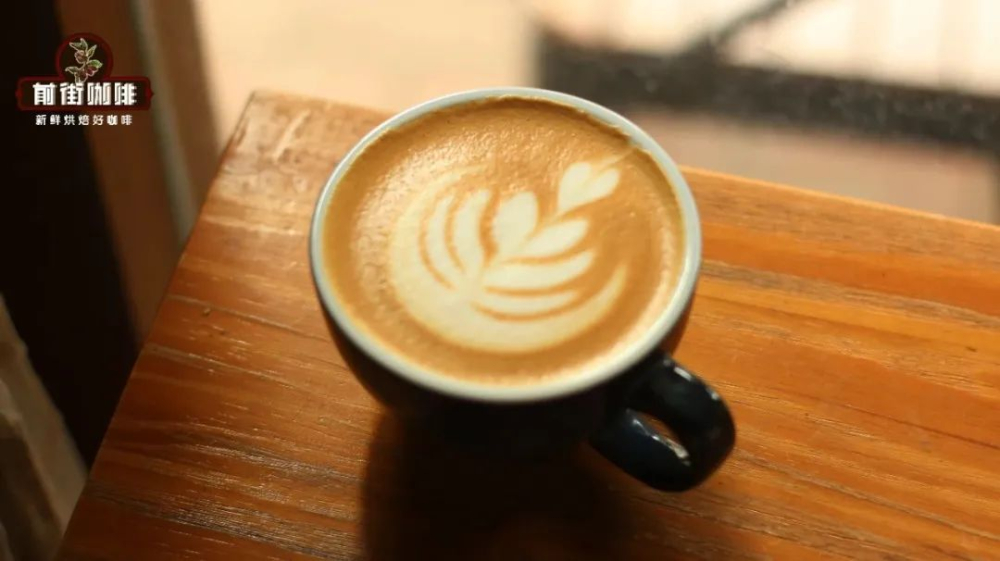
That said, some oat milk brands lean on a higher oil content in their formulation, pushing heavy nutty notes that can smother the delicate flavors in your coffee. When choosing one, it pays to compare and see which oat milk pairs best with your home espresso blend.
What Techniques Are Needed for Oat Milk Latte Art?
Anyone who has tried this at home knows the frustration: steam a plant milk exactly as you would dairy and you run into the usual problems—coarse foam, patterns that won't hold, and a surface that collapses within seconds. The culprit is protein.
Because oat milk carries relatively little protein, and proteins of a different type than those in whole fresh milk, most plant milks rely on thickeners and stabilizers to trap air and build a structure resembling true milk foam. That means when steaming, you need to pull in as much air as possible at the start. In practice, watch the liquid level in your pitcher: fresh milk typically produces foam of 1–2 cm, whereas with oat milk you can let it grow thicker, to 2–2.5 cm.
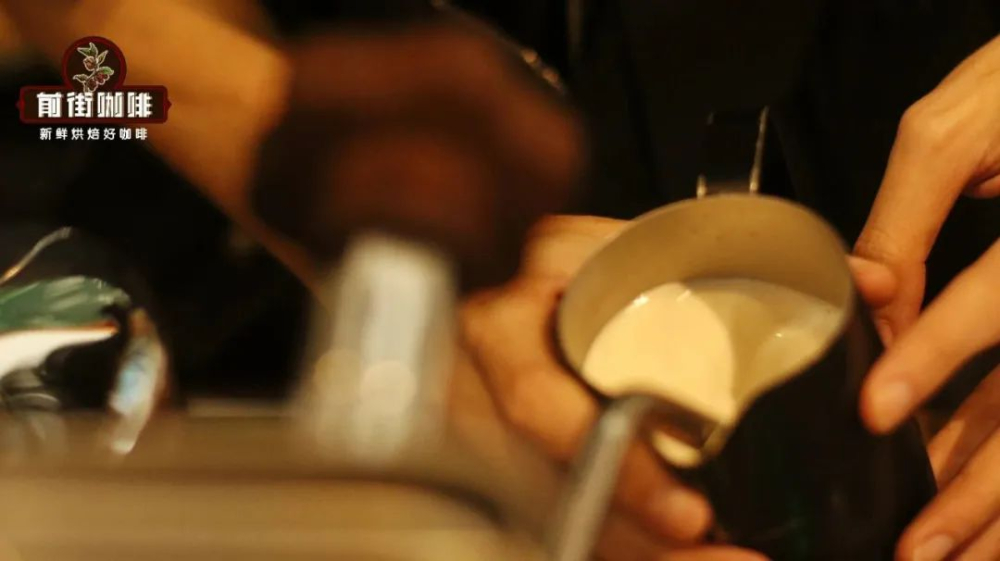
Oat milk is also more forgiving about temperature than dairy—it still performs well even at up to 65°C. To get a silkier foam texture and a structure stable enough to hold crisp patterns, use the vortex in the pitcher and stretch out the texturing phase, heating all the way until the pitcher is hot to the touch.

When fusing, FrontStreet Coffee suggests pouring a small amount of oat milk into the cup first and giving it a gentle swirl. This mixes everything thoroughly, prevents separation, and leaves a cleaner surface for the pour. As you build the pattern, keep the stream as thin as possible and your movements gentle—if the flow is too large, it won't just blend poorly with the crema; the turbulence can push an "upward current" through the surface that breaks the pattern you've already drawn.
- END -
FrontStreet Coffee
No. 10, Bao'an Qianjie, Yandun Road, Dongshankou, Yuexiu District, Guangzhou, Guangdong Province

FrontStreet Coffee Recommendation
FrontStreet Classic Blend
If you want to practice latte art at home, start with the FrontStreet Classic Blend. It is a medium-dark espresso recipe built from beans grown in three different regions, and its design draws inspiration from the classic old-school "Mamba" pairing of Mandheling and Brazil. A touch of Robusta is included to boost aroma and crema. During extraction it gives off clear notes of butter, toasted bread, and caramel biscuits—bold in flavor, solid on the palate, finished with fine, stable crema. It extracts reliably, making it an essential home coffee for beginners.
FrontStreet Specialty Blend
Also a medium-dark espresso bean, the FrontStreet Specialty Blend is the pick for anyone who loves rich, nutty flavors. It combines washed Colombian beans with pulped natural Brazilian beans, producing nuts, dark chocolate, and caramel when pulled as espresso. Whether you brew an Americano or milk drinks like lattes and flat whites, it brings out the smooth aromas of cream, almond, and cocoa, with crema every bit as good as café output—more than enough for latte art practice. It suits anyone dreaming of opening a shop or learning at home.
FrontStreet Commercial Blend
Where the Specialty and Classic Blends are tailored for newcomers, the FrontStreet Commercial Blend is designed for those about to open a café. Built on the Specialty Blend with a small addition of Robusta, this traditional espresso formula adds deeper, darker brown crema and extra body. Americanos, lattes, and mochas all come through with nuts, cocoa, and caramel—and it makes pouring latte art genuinely effortless.
Important Notice :
FrontStreet Coffee is a long-established specialty coffee roaster in Guangzhou China, selling freshly roasted beans from its own farm in Yunnan as well as dozens of carefully selected single-origin beans from around the world for both pour-over and espresso. The products deliver consistently excellent quality and great value, with shipping within 24 hours. Guangzhou's FrontStreet Coffee shop is recommended by many coffee lovers, and the beans are now available online at the Tmall 。
FrontStreet Coffee has moved to a new address:
FrontStreet Coffee Address: 315,Donghua East Road,GuangZhou
Tel:020 38364473
 Scan and follow the En Gafei WeChat official account. Please indicate that the reprint comes from "En Gafei".

