Introduction to Panama Coffee Regions, Boquete Region, Elida Estate, and Elida Typica
Panama Coffee: A Global Specialty Coffee Leader
Panama enjoys exceptionally high standing in the global coffee market — above all for the Geisha variety. In 2005, Geisha delivered a stunning performance at the Best of Panama competition and auction, shattering the coffee auction record of the day. That moment cemented the impression that Panama grows little besides Geisha, though in fact the country cultivates plenty of other varieties as well.
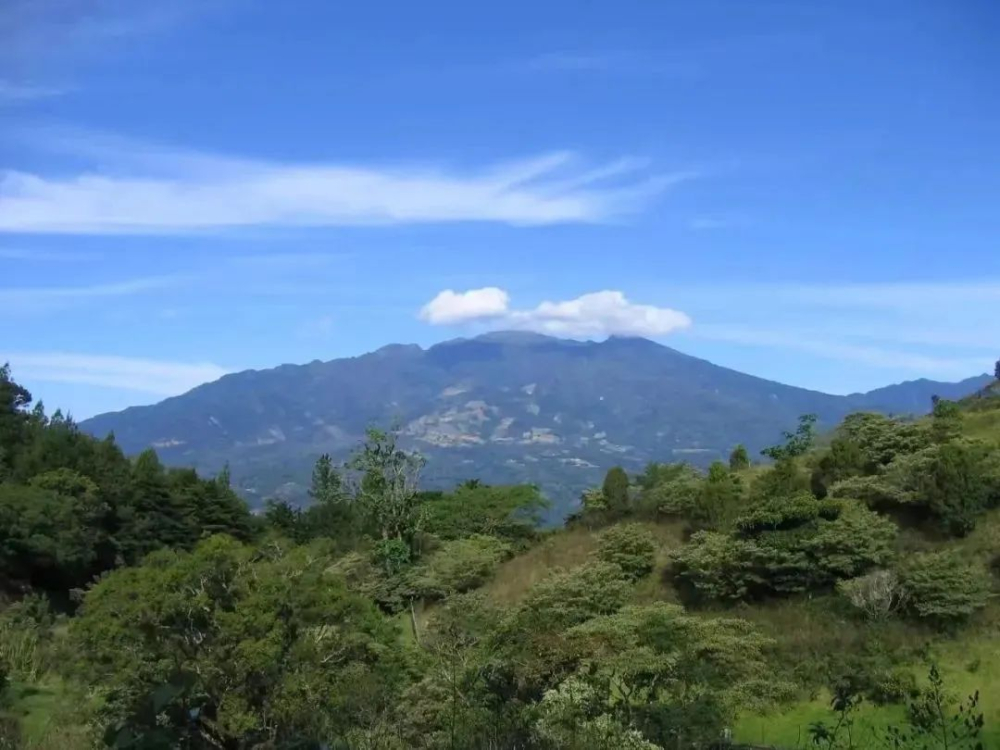
Ideal Growing Conditions
Panama's terrain is endlessly undulating, scored by crisscrossing valleys. Beyond the coastal plains in the north and south, most of the country is mountainous. Sitting near the equator, Panama has a tropical marine climate — humid days, cool nights — with average annual temperatures of 23-27°C. The year alternates between dry and rainy seasons, and annual rainfall of 1500-2500 millimeters gives coffee cultivation nearly perfect conditions.
The Boquete Growing Region
The main coffee-growing areas — Boquete, Volcán, and Renacimiento — all lie in Chiriquí Province, whose most famous landmark is Volcán Barú, one of the tallest volcanoes in Central America. Of the three, Boquete is the most celebrated.
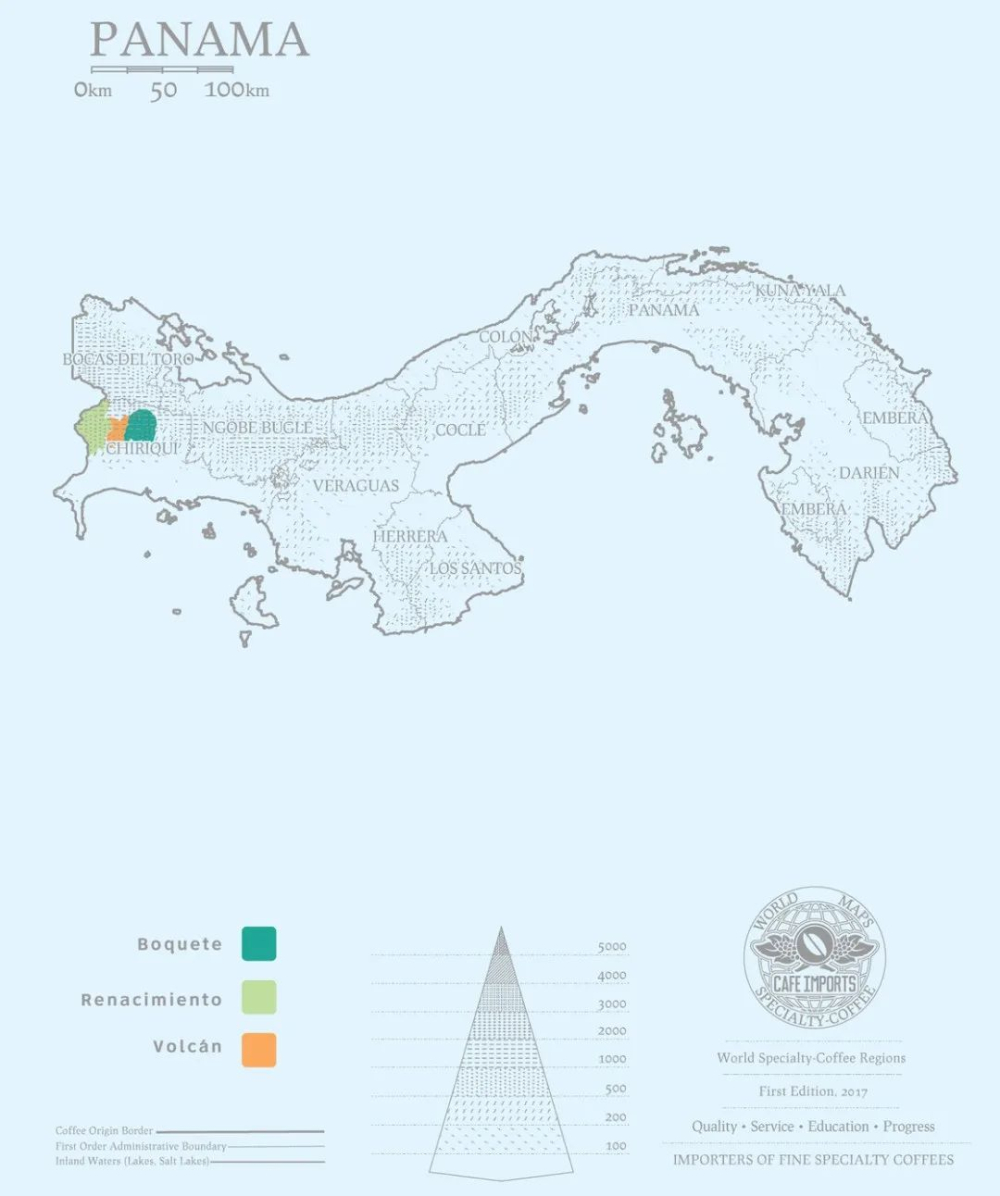
Boquete takes its name from the town of Boquete and sits near the Costa Rican border on remarkably fertile soil. The highland microclimate here is a resource in itself — it's what makes the region's specialty coffee so exceptional. Airflow running east to west drives cold currents to converge above 1,900 meters through the mountains, spinning off a patchwork of microclimates whose temperature and rainfall suit plant growth beautifully. Add volcanic soil, and coffee trees in this region thrive. It is also home to famous estates such as Elida and Hacienda La Esmeralda.
Elida Estate
Elida Estate covers 65 hectares in total, more than half of it inside Barú Volcano National Park. Only 30 hectares are planted with coffee; the rest remains pristine forest. The coffee grows at 1670-1850 meters, making Elida one of the two highest-altitude coffee estates in Panama. At that elevation, low temperatures stretch out the maturation of the cherries while the rich volcanic soil feeds them generously — and combined with the region's singular microclimate, it has earned Elida excellent results at the Best of Panama (BOP) competition year after year.

Elida's processing plant sits halfway up the mountain, so freshly picked cherries can go straight to the wet mill without losing quality. The estate picks by hand, taking only the most mature cherries, which means the mucilage carries more sugar. Today the main varieties at Elida are Catuai, Typica, and Geisha.
The Typica Variety
Typica is one of the oldest arabica varieties known. The beans are elongated and the fruits oval. It yields very little, falls prey readily to the major coffee diseases, yet delivers high quality and tolerates cold regions well — which is why it remains a fixture of Central American farming.
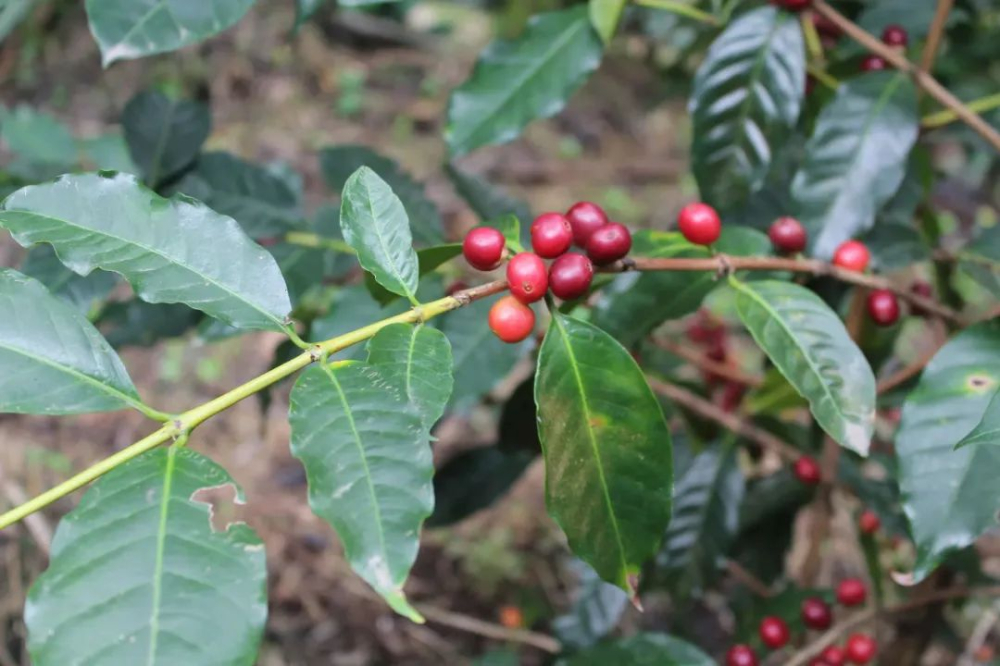
FrontStreet Coffee's Panama Elida Typica comes from the Boquete growing region, grown and processed at Elida Estate at 1,850 meters. This natural-processed Typica offers flavors of peach, raisin, orange, caramel, and green tea.
Brewed as a V60 pour-over at a 1:15 ratio, FrontStreet Coffee's Panama Elida Estate natural releases a faint winey aroma from the natural process. On the palate you get peach, raisin, and orange, with caramel sweetness and a green-tea-like mouthfeel, all delivered with impressive clarity.
FrontStreet Coffee Recommendation
Panama is where Geisha made its name — Hacienda La Esmeralda put the variety on the world stage at the 2005 Best of Panama competition with an average cupping score of 94.6, a BOP record at the time — and FrontStreet Coffee carries both tiers of the estate's Geisha line. The Red Label, "Esmeralda Special," grows at 1600-1800 meters, and every batch must score above 90 points, with each lot traceable to a single plot; the Green Label, "Private Collection," blends lots across the estate's plots to showcase the signature high-altitude Esmeralda Geisha profile at a friendlier price.
If you'd like to taste classic Panama Geisha character without the flagship price, FrontStreet Coffee's Boquete Geisha is the ideal entry point: an affordable introduction that still delivers the orange-blossom honeyed sweetness, oolong-tea texture, delicate fruity acidity, and clearly layered finish that define a quality Panamanian Geisha.
Important Notice :
FrontStreet Coffee is a long-established specialty coffee roaster in Guangzhou China, selling freshly roasted beans from its own farm in Yunnan as well as dozens of carefully selected single-origin beans from around the world for both pour-over and espresso. The products deliver consistently excellent quality and great value, with shipping within 24 hours. Guangzhou's FrontStreet Coffee shop is recommended by many coffee lovers, and the beans are now available online at the Tmall 。
FrontStreet Coffee has moved to a new address:
FrontStreet Coffee Address: 315,Donghua East Road,GuangZhou
Tel:020 38364473
 Scan and follow the En Gafei WeChat official account. Please indicate that the reprint comes from "En Gafei".