Natural Process Yirgacheffe Qiu Ying Coffee Bean Origin Story Introduction_Is Natural Process Yirgacheffe Qiu Ying Coffee Delicious?
If it weren't for Yemen, would coffee have become known to the world as it is today—a daily beverage for billions? We may never know. But we can certainly trace how the wildly polarizing flavors of Yemeni coffee took shape through history!
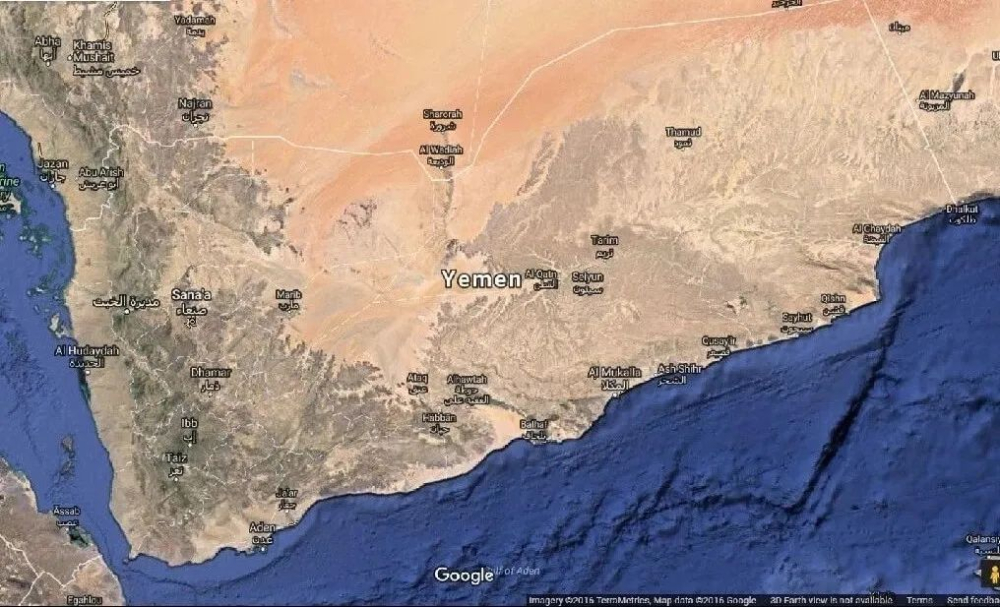
Yemen: The Coffee Gateway
Yemen is an Asian country just across the sea from Ethiopia, and its claim as the birthplace of the global coffee trade rests entirely on one port city: Mocha. For nearly 300 years starting in the 17th century, virtually all of the world's coffee trade passed through Mocha Port, and beans exported from there were stamped "MOCHA" to certify them as legitimate exports of the port!
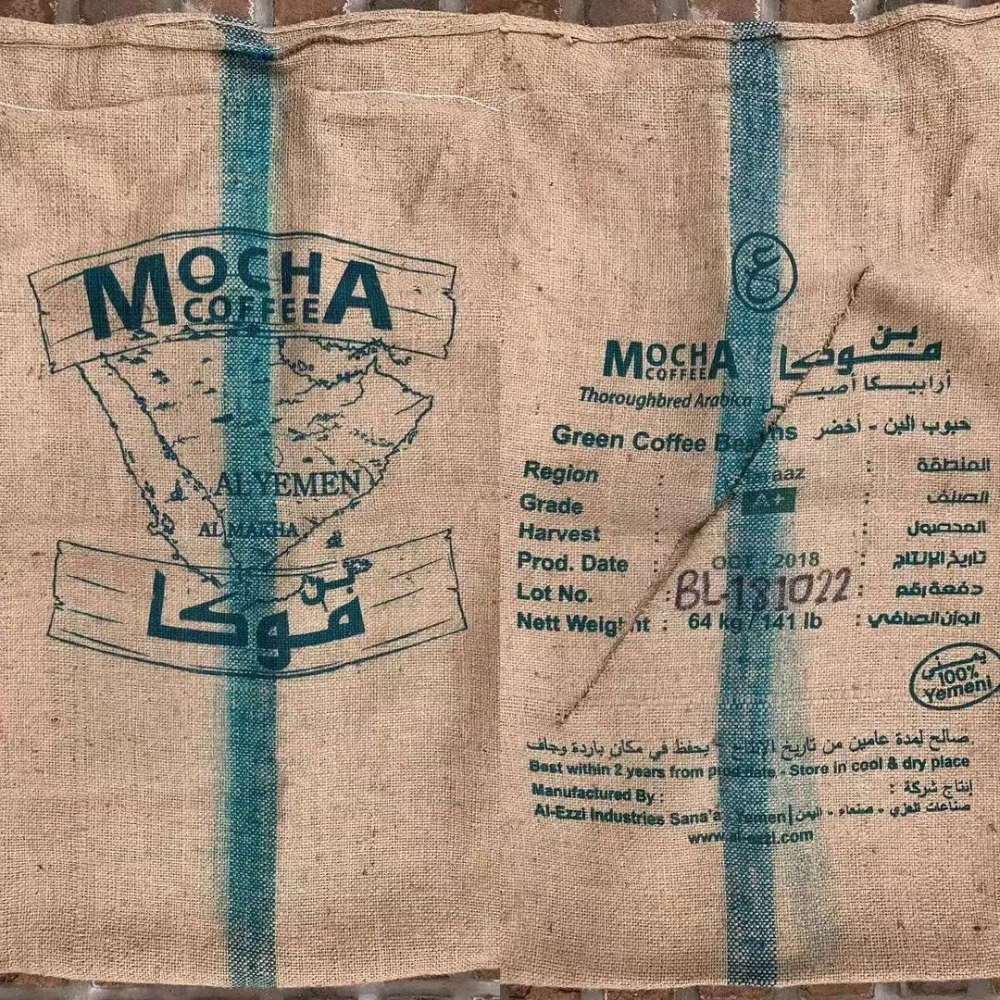
But people's fascination with Yemeni coffee isn't only about trade—it's the astonishingly unique flavors of the coffee itself. Those distinctive flavors opened the doors of the world to coffee and created the legendary Yemen Mocha.
Coffee Cultivation in Yemen
Besides spreading coffee across the globe, Yemen was also the first country to cultivate coffee as a large-scale crop. At first, Yemenis didn't drink coffee the way we do. After harvesting, they boiled the cherries whole—husk, pulp, and beans—often adding cardamom or ginger. The drink was called "Qahwa," and it was hugely popular. It wasn't until 1450 that Yemeni Muslims first properly drank coffee to stay alert during night prayers—and they were instantly hooked. Demand kept climbing, and to meet it, Yemenis began cultivating coffee at scale on their own land.
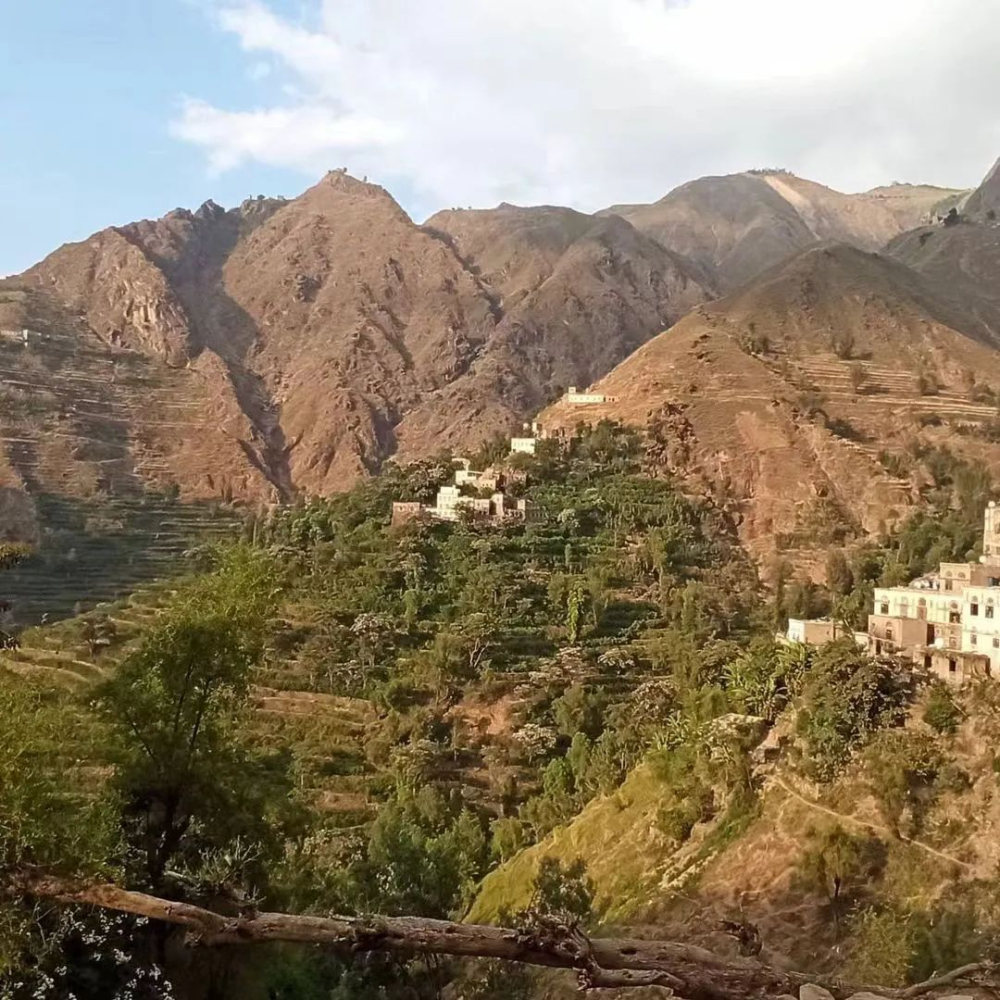
Yemen's climate is extremely arid, with only a brief rainy season each year; the landscape is mostly gobi and desert, and coffee is essentially planted on those gobi slopes. Arabica typically needs 1,500-2,000mm of annual rainfall, while Yemen averages just 400-750mm—a serious water shortage. Prolonged drought made the water-intensive washed process impossible and denied Yemeni coffee the favorable growing conditions other origins enjoy. Yet this very constraint gave the world coffee with famously wild flavors!
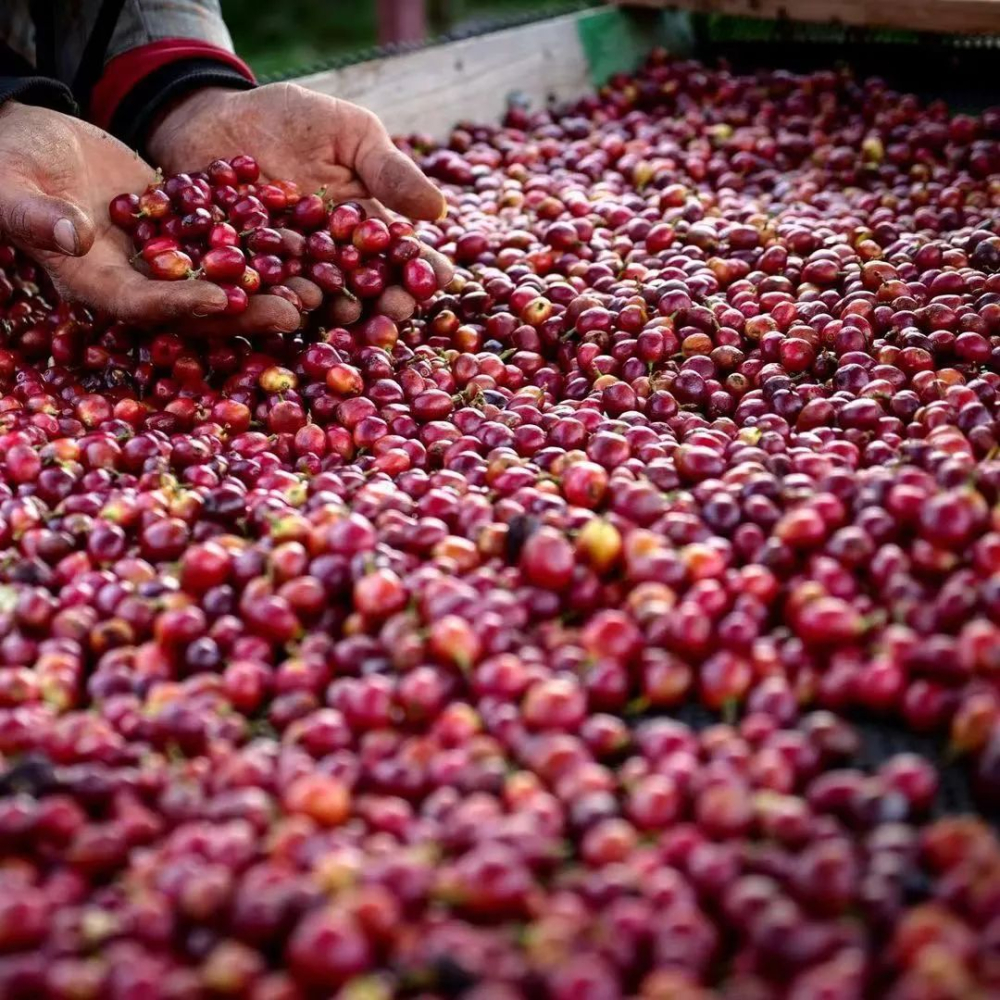
Rich chocolate, blueberry, a red wine aftertaste, and a wild, full-bodied character—these are the classic impressions of Yemeni coffee. Meanwhile Harar, one of Ethiopia's three major coffee regions across the sea from Yemen, produces coffee of similar profile—which is why, at the height of Yemen Mocha's fame, people often suspected Yemeni Mocha was being adulterated with Harar beans for resale.
Formation of Wild Flavors — Ancient Natural Processing
Because Yemen is an arid origin, its farmers could only use natural processing (in that era). Why does FrontStreet Coffee call it "ancient"? Because Yemen's version was old-fashioned and extremely crude. Normally, natural processing means harvesting mature cherries and taking them to a processing station. Yemenis did it differently: even when the cherries reached deep red maturity, they wouldn't pick them. They let the fruit keep sun-drying on the tree until it turned purplish-black and dropped, then collected it from the ground.
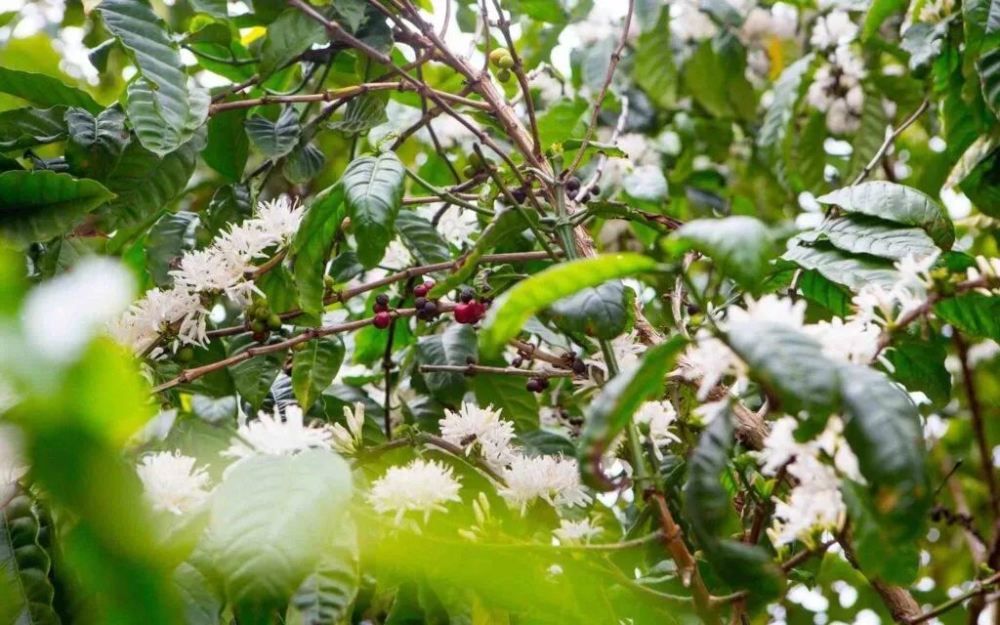
Few origins can imitate this. Without Yemen's bone-dry climate and extended drying time, cherries treated this way would simply rot on the branch. And the crudeness doesn't stop there—when farmers collected the dried cherries, instead of spreading them on ventilated raised beds, they laid them on any available surface: the flat ground by the door, even rooftops. In intimate contact with dusty ground, the cherries picked up all manner of unexpected flavors.
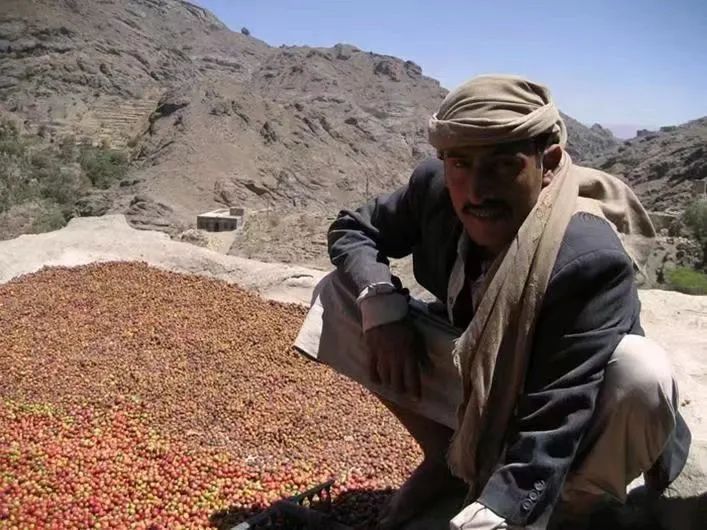
During the drying period, farmers raked the cherries with wooden tools so they dried evenly. After about 20 days, drying was complete, and simple stone grinding tools removed the husks and pulp to extract the beans. The natural process was done—and the wild flavors were officially established! Because the beans absorb so many unusual odors from harvest through processing, earthy and tobacco notes develop. That's the root of the polarizing opinions: those who love it really love it; those who don't really don't.
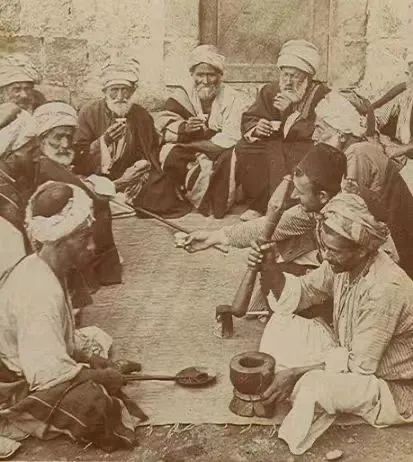
By today's cupping standards, such Yemeni coffee would struggle to reach specialty grade. But in the early days, when nations were first discovering coffee, it was a rare delicacy. Times have changed: Yemeni processing is no longer "ancient" and has grown increasingly refined, and Yemen is no longer the only origin relying on full natural processing—innovative methods have emerged there too, like the recently fashionable "Alchemist Processing."
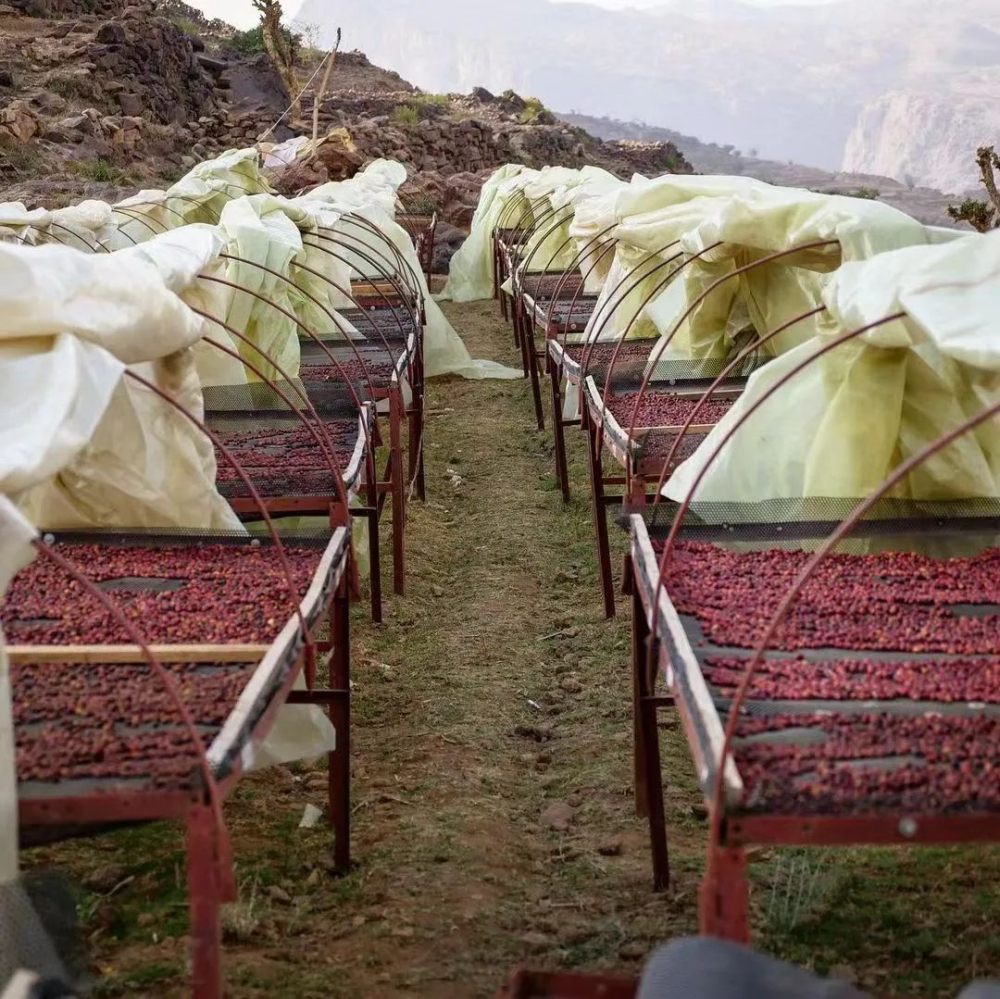
Unfortunately, thanks to war, low production, and other factors, very few Yemeni beans reach the Chinese market. But there's still time—FrontStreet Coffee believes that one day everyone will get to taste how delicious Yemeni coffee can be.

FrontStreet Coffee Recommendation
If Yemen's ancient natural process charms you, Ethiopia—the origin just across the sea—offers the modern, refined version of that fruit-forward style. FrontStreet Coffee's Yirgacheffe Natural Red Cherry uses fully ripe, hand-selected cherries dried in the fruit for three to five weeks on raised beds: citrus acidity, berry juiciness, honeyed sweetness, and a creamy smoothness, with tropical fruit aromas layered over classic Yirgacheffe character.
For the clean counterpoint, FrontStreet Coffee's washed Guodingding Cooperative lot—from the Worka area at the southeastern edge of Yirgacheffe—delivers jasmine florals and bright citrus-lemon acidity with zero traditional bitterness. Brew either with a V60, 15g of coffee at 1:15, 90-91°C water, and a three-stage pour for the full picture.
Important Notice :
FrontStreet Coffee is a long-established specialty coffee roaster in Guangzhou China, selling freshly roasted beans from its own farm in Yunnan as well as dozens of carefully selected single-origin beans from around the world for both pour-over and espresso. The products deliver consistently excellent quality and great value, with shipping within 24 hours. Guangzhou's FrontStreet Coffee shop is recommended by many coffee lovers, and the beans are now available online at the Tmall 。
FrontStreet Coffee has moved to a new address:
FrontStreet Coffee Address: 315,Donghua East Road,GuangZhou
Tel:020 38364473
 Scan and follow the En Gafei WeChat official account. Please indicate that the reprint comes from "En Gafei".