
How Are Coffee Beans Named? An Introduction to Specialty Coffee Bean Naming Rules

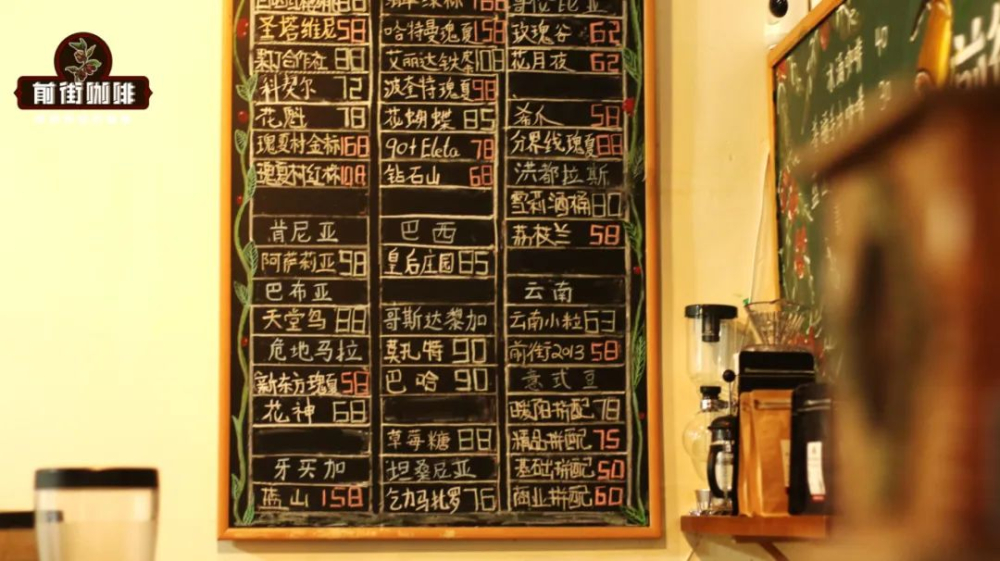
Many first-time visitors to FrontStreet Coffee freeze in front of the small blackboard, faced with a densely packed list of nearly fifty coffee bean varieties. There are also occasional customers who don't drink coffee often and ask us, puzzled: "These are beans, right? But aren't Bahia and Mozart musicians?" So today, FrontStreet Coffee is here to explain how coffee beans actually get their names.
Traditional Naming Methods
Before the concept of specialty coffee took hold, beans carried little traceability detail. They were simply named after where they came from and shipped in bulk to consumer markets: Colombian coffee named after the country, Java coffee from Indonesia named after its growing region, Mocha coffee named after the shipping port, and Blue Mountain coffee named after the mountain range.
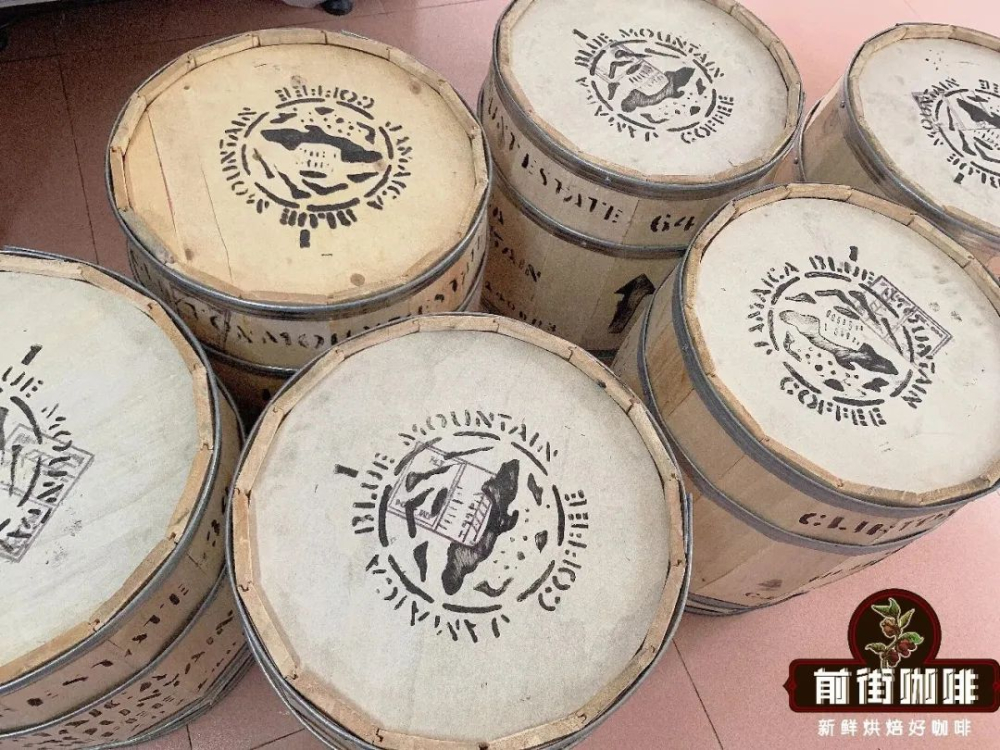
"Blue Mountain Coffee Green Bean Wooden Barrel"
The Rise of Traceability and Estate Naming
That production-and-sales model shifted as the coffee consumer market kept expanding. Once specialty coffee entered its new era and distinctive "regional flavors" were recognized, traceability began to matter to professionals and consumers alike. Yirgacheffe is one of the best illustrations: the region has been further subdivided into specific villages and processing stations, such as the Koke and Konga cooperatives in Yirgacheffe.
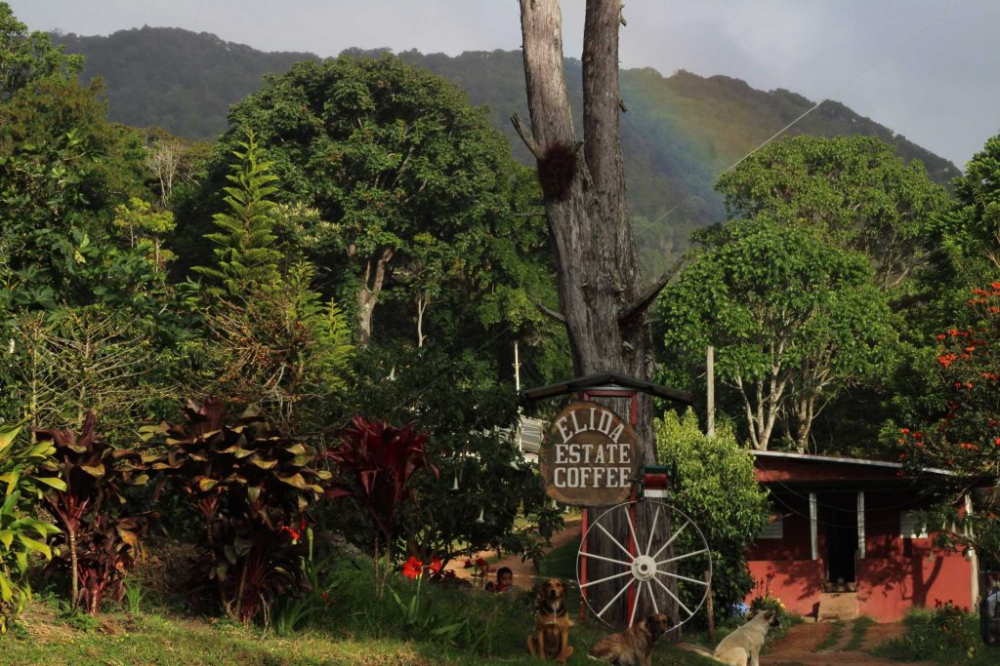
As interest in origins grew, many businesspeople invested in this segment of the supply chain and established their own coffee estates. Estate owners took charge of everything from production to sales and materials, and naturally promoted their beans under their own estate names. Panama's Hacienda La Esmeralda and Elida Estate are classic examples.
Competition-Based Naming
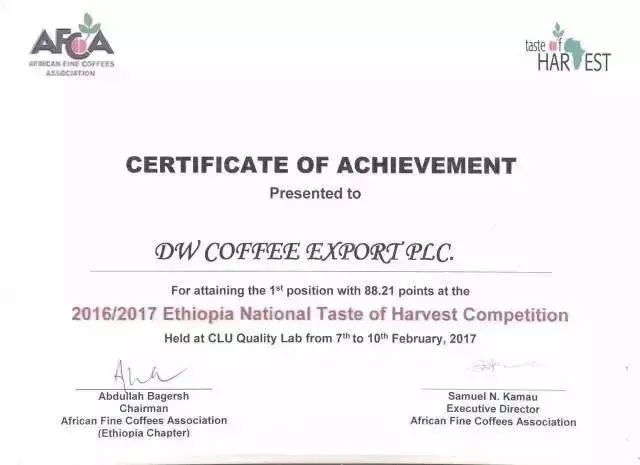
To push up local bean quality and motivate growers, coffee-producing countries regularly hold green bean competitions that rank top lots against objective scoring standards. Many beans are therefore named after their competition results. The major green bean competitions include Panama's BOP (Best of Panama), the Americas' COE (Cup of Excellence), and Africa's TOH (Taste of Harvest). For instance, the TOH lot FrontStreet Coffee once stocked was the washed-category champion of the 2020 TOH competition.
Barista Competition Influence
Beyond green bean competitions, the more spectator-friendly professional barista championships also put beans in the spotlight. In search of distinctive flavors, competing baristas partner with different coffee estates and bring their beans onto the competition stage. Through varied brewing methods and signature presentations, a particular coffee reaches a much wider audience — and the beans that winners choose become famous overnight.
Take "Hua Guai" (Flower Champion): in 2017, Li Jianfei, runner-up in the China round of the World Coffee Brewers Championship, used that year's TOH natural-category champion beans from Hambela to beat the then seemingly unbeatable Geisha entries. Because coffee is an agricultural product, year-to-year climate shifts change how flavors express themselves, so the green bean supplier DW continued to use the "Hua Guai" name for natural-processed beans from the Buku Abel processing station, releasing them year by year as the Hua Guai X.0 series. Worth noting: the "Hua Guai" name is mostly popular within China; if you want this bean from international roasters, you'll need to search for the Buku Abel processing station instead.
Variety and Project-Based Naming
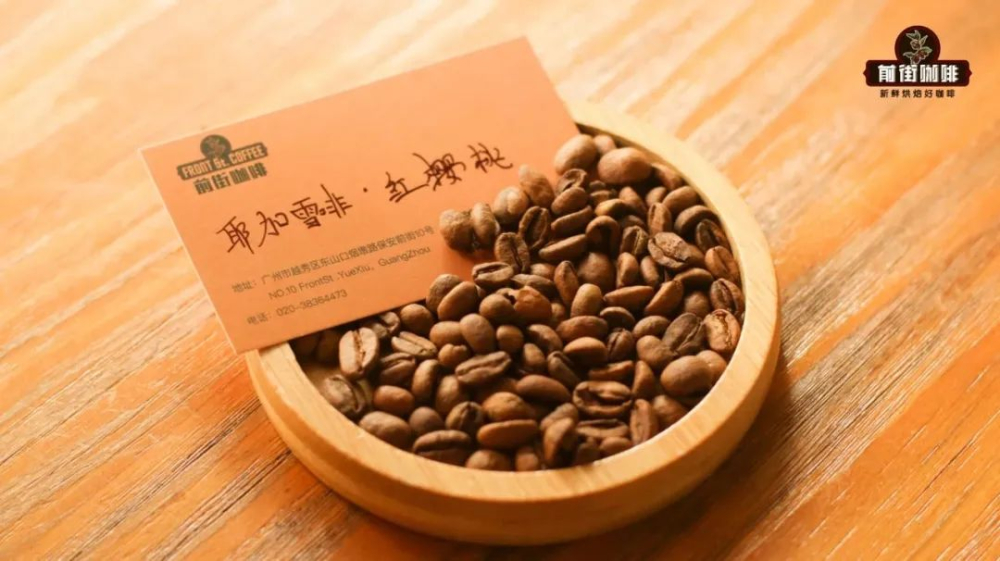
Some beans are named for their variety to underline their uniqueness — the familiar Geisha, for example, or the increasingly popular Sidra. Others take their names from specific projects or initiatives, such as FrontStreet Coffee's Yirgacheffe Natural Red Cherry, a natural-processed lot from Ethiopia's Red Cherry Project.
Unique and Misunderstood Origins
Then there are cases like Indonesia's Mandheling coffee — neither a place name nor a variety, but the product of a misunderstanding. Because so many different lots fall under the name, individual Mandheling coffees are usually distinguished by origin, green bean characteristics, or brand, such as PWN company's Golden Mandheling or Aged Mandheling.
Processing Method and Grade-Based Naming
When a special processing method gives a bean a distinctive, concrete flavor, merchants often give it an evocative name — Honduras Sherry Cask coffee fermented in whiskey barrels, for instance, or Dorothy coffee with its rich white peach oolong aroma.
Certain premium, rare beans also carry their processing method or the country's official grade in the name: Jamaica Blue Mountain No. 1, or Kenya Washed AA. Producer-brand grading has become common practice too — Hacienda La Esmeralda's Geisha, for example, is divided into several tiers including Competition, Red Label, and Green Label.

Answering the Original Question
Back to our customer's question: "Bahia" and "Mozart" are two varieties from the Musician Series of Costa Rica's Carnet Estate — a lineup that also includes "Beethoven" and "Chopin."
- END -

FrontStreet Coffee Recommendation
Since naming often starts with a place, Yirgacheffe is the ideal region to explore first. FrontStreet Coffee's washed Yirgacheffe daily-drinker lot is the classic entry point: grown at 1,800 meters and above on one of the world's highest-altitude coffee lands, it's known for white jasmine florals, bright citrus and lemon acidity, and a clean tea-like finish — all at a friendly price, which is exactly why it's so many people's first specialty coffee.
Want to taste how a single village can stand on its own? The washed lot from the Guodingding Cooperative in Yirgacheffe's Worka zone carries that same tradition of classic washed processing — no heavy bitterness, just fresh, luminous citrus-lemon acidity wrapped in jasmine fragrance. And for a sweeter take on the same terroir, FrontStreet Coffee's Yirgacheffe Natural Red Cherry delivers citrus-like acidity, a juicy berry mouthfeel, honeyed sweetness, and a creamy-smooth texture.
Important Notice :
FrontStreet Coffee is a long-established specialty coffee roaster in Guangzhou China, selling freshly roasted beans from its own farm in Yunnan as well as dozens of carefully selected single-origin beans from around the world for both pour-over and espresso. The products deliver consistently excellent quality and great value, with shipping within 24 hours. Guangzhou's FrontStreet Coffee shop is recommended by many coffee lovers, and the beans are now available online at the Tmall 。
FrontStreet Coffee has moved to a new address:
FrontStreet Coffee Address: 315,Donghua East Road,GuangZhou
Tel:020 38364473
 Scan and follow the En Gafei WeChat official account. Please indicate that the reprint comes from "En Gafei".

