Introduction to Ethiopia Sidamo Region, 74158, and Santa Vini Coffee Beans
Ethiopia is the largest Arabica-producing country in Africa, with a long coffee history, and it is recognised as the birthplace of coffee. Its varieties are numerous: estimates suggest Ethiopia now holds between 10,000 and 15,000 coffee varieties, most of which have not yet been formally identified genetically. Within Ethiopia there are several renowned producing regions, among them Sidamo, Guji, Yirgacheffe, Jima, and Harrar.
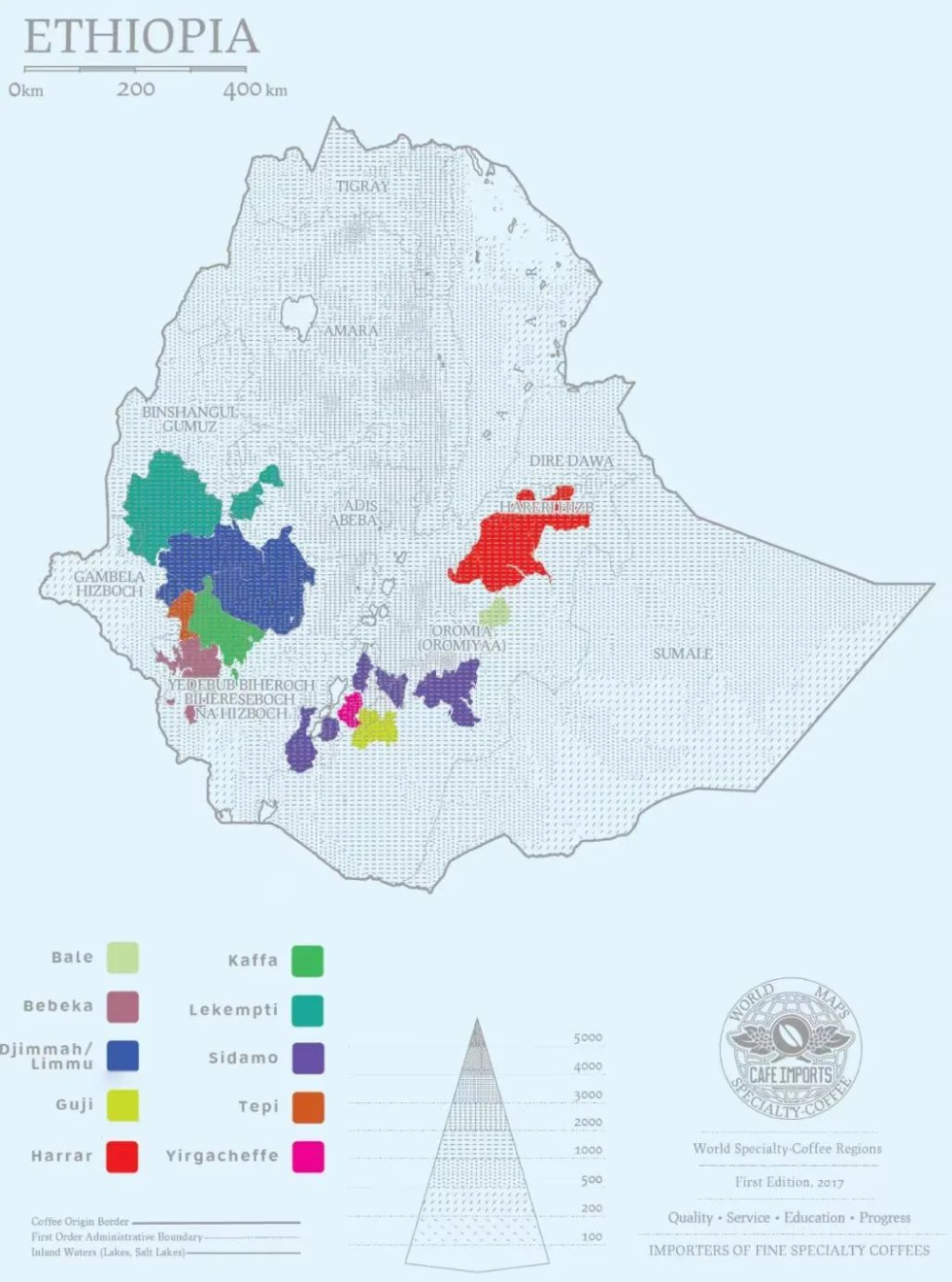
Sidamo Coffee Region
The Sidamo coffee region lies in southern Ethiopia, bordering Kenya. After 1995 Ethiopia adopted a federal system of governance, while also respecting the cultures of the country's various ethnic groups, and local government was reorganised around where those groups mainly live and the languages they speak. Sidama was folded into the new Southern Nations, Nationalities, and Peoples' Regional State, and the area was officially renamed to its historical name, Sidama. At the time, though, the Ethiopian government wanted to strengthen the promotion of the country's coffee, so in 2004 it applied for patents on three regional names, choosing the old name Sidamo® as the registered name for Sidama coffee. To this day, consumers at home and abroad habitually call coffee from the region "Sidamo."
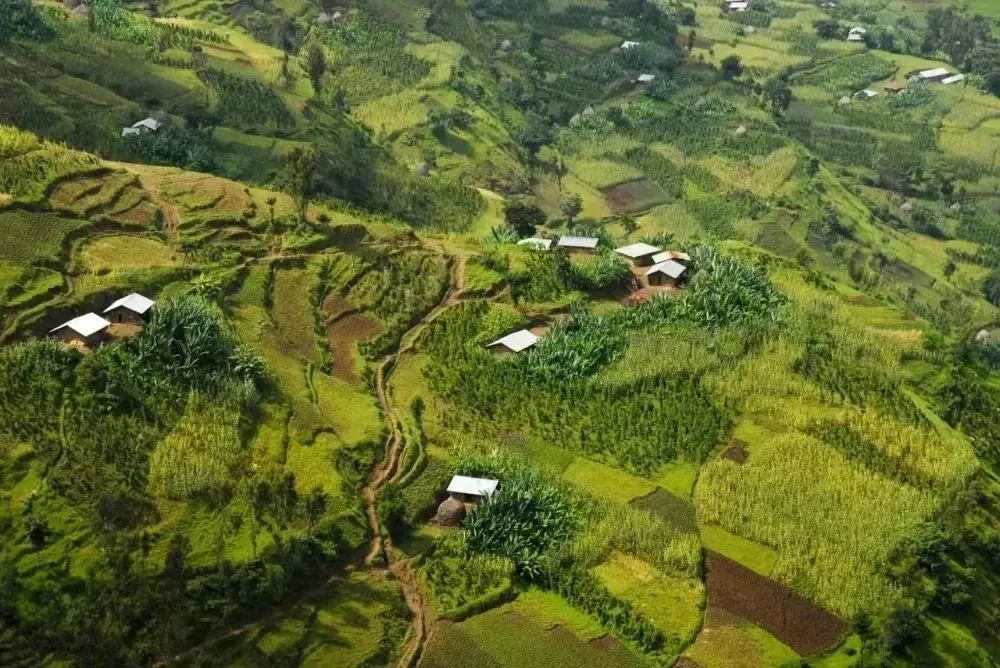
The Sidamo coffee region has varied soil types and microclimates, which give the coffee produced there distinct characteristics and quality. The region contains diverse landforms — mountains, plateaus, valleys, and plains. Its geology is rich in nutrients, with well-drained volcanic soil that provides an ideal environment for coffee. Sidamo is also home to many well-known processing stations, such as the Shantawene Processing Station and the Guji Processing Station.
Shantawene Processing Station and Its Methods
The Shantawene Processing Station is about a 40-minute journey from the town of Shantawene. DWD Company owns 17 processing stations in the Sidamo region, and Shantawene is one of the high-altitude ones among them. Compared with the Guji Processing Station, also owned by DWD, Shantawene has a drier climate and lower average temperatures. Even when the same processing methods are used, the fine details differ — for the same fermentation, for instance, Shantawene needs a longer time.
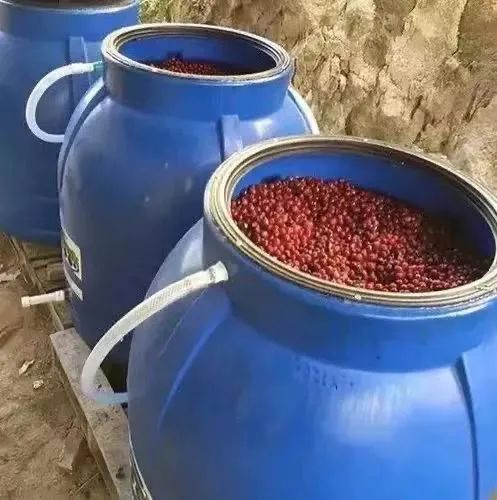
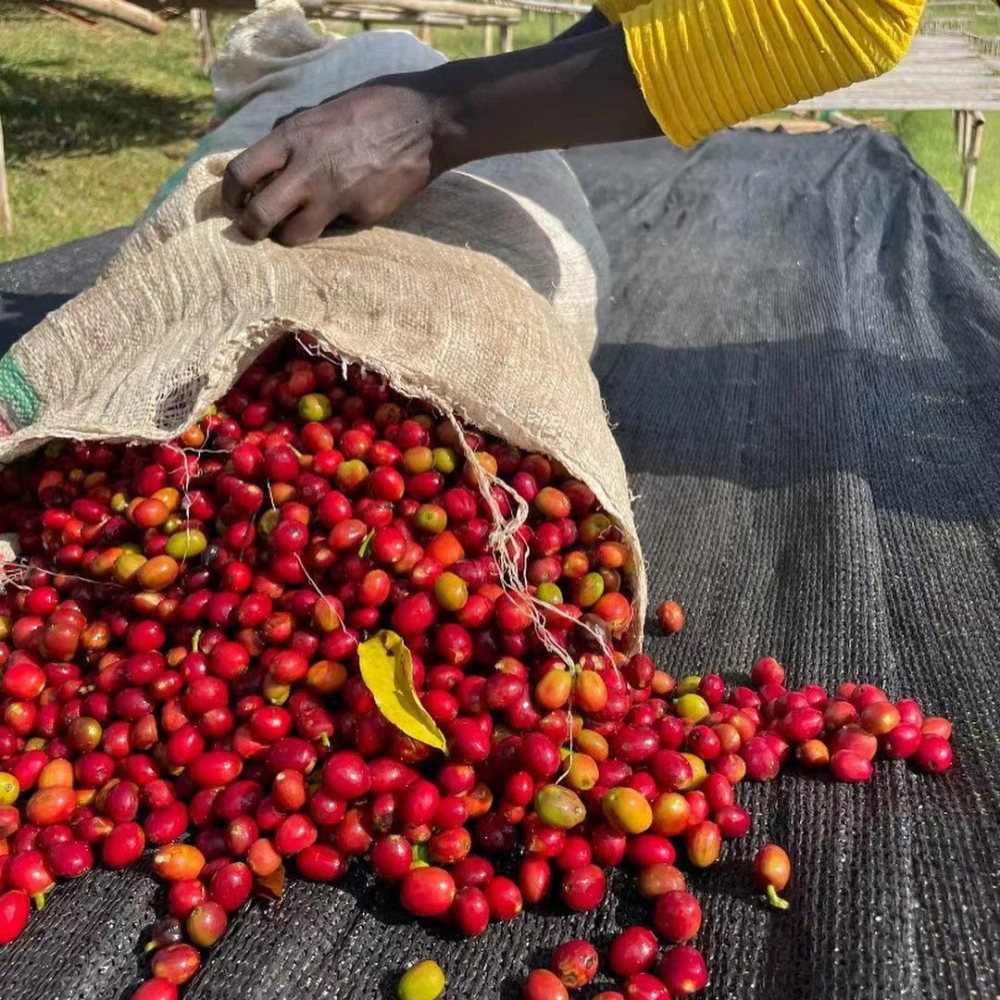
The FrontStreet Coffee Ethiopia Shantawene beans that FrontStreet Coffee has acquired use a 96-hour anaerobic natural process. After harvesting, the cherries are sorted and selected. The chosen cherries go into fermentation tanks, carbon dioxide is injected, and they undergo 96 hours of anaerobic fermentation. Once fermentation is complete, they are removed and laid out on raised beds to dry, turned regularly, and dried for about 20-24 days until the moisture content falls to 12%.
Digital Coffee Varieties
Ethiopian coffee varieties are currently divided into two types: JARC varieties and regional varieties. Regional varieties are the wild, forest-grown coffee varieties native to particular areas. Because there are far too many Ethiopian varieties and they are hard to tell apart, they are generally gathered under the name "Heirloom."
JARC varieties, by contrast, were developed by the Jimma Agricultural Research Centre (JARC), one of Ethiopia's federal agricultural research centres. Between 1973 and 1975 the centre collected coffee beans from 15 regions and identified and ran cultivation trials on 639 different varieties in total. Out of those samples, 13 performed exceptionally well, showing disease resistance, high yield, and drought tolerance along with good flavour. JARC therefore classified them as "1974/1975 CBD-Resistant Selections," which is the digital numbering series. Common ones include 74110 and 74158, where the first two digits, 74/75, refer to the year of discovery and the numbers that follow are the variety code. The FrontStreet Coffee Sidamo Shantawene beans that FrontStreet Coffee has acquired are of the digital variety 74158.
FrontStreet Coffee: Ethiopia Shantawene Coffee Beans
Region: Sidamo | Estate/Processing Station: Shantawene Processing Station | Altitude: 2050 metres | Variety: 74158 | Processing: 96-hour anaerobic process | Flavour: fermented wine aroma, pineapple, citrus, tropical fruits, red wine
FrontStreet Coffee has acquired this Ethiopia Sidamo Shantawene bean, which uses a 96-hour anaerobic natural process. Brewed with a V60 at a 1:15 ratio, it shows a light fermented wine aroma, soft citrus acidity on entry, and tropical fruit flavours such as pineapple. The mouthfeel is rich and full-bodied, with a red-wine-like aftertaste.
FrontStreet Coffee Recommendation
Ethiopia's southern regions share a family resemblance, so if you enjoy the Shantawene cup, it is worth tasting what Yirgacheffe does with the same bright acidity. FrontStreet Coffee's Washed Yirgacheffe is the everyday entry point: white jasmine, bright citrus and lemon acidity, and a tea-like body, at a friendly price — the bean that has become most people's first step into specialty coffee.
For a natural-process contrast, FrontStreet Coffee's Sun-dried Red Cherry comes from Yirgacheffe and is made with the full-red-cherry natural method, using only fully ripe, sound fruit. The cherries are screened and then dried on racks for three to five weeks, turned every two to three hours in the first days to avoid uneven heat and over-fermentation. Because the fruit dries with the bean, it keeps the classic Yirgacheffe profile while adding the tropical fruit of a natural: citrus acidity, berry juice, honey sweetness, and a creamy smoothness.
Important Notice :
FrontStreet Coffee is a long-established specialty coffee roaster in Guangzhou China, selling freshly roasted beans from its own farm in Yunnan as well as dozens of carefully selected single-origin beans from around the world for both pour-over and espresso. The products deliver consistently excellent quality and great value, with shipping within 24 hours. Guangzhou's FrontStreet Coffee shop is recommended by many coffee lovers, and the beans are now available online at the Tmall 。
FrontStreet Coffee has moved to a new address:
FrontStreet Coffee Address: 315,Donghua East Road,GuangZhou
Tel:020 38364473
 Scan and follow the En Gafei WeChat official account. Please indicate that the reprint comes from "En Gafei".