
A Guide to Kenyan Coffee: History, Grading, SL Varieties, K72 Processing, and the Assalia Variety
Kenya sits in eastern Africa, with the equator crossing its central region and the East African Rift Valley running north to south through the country. It shares borders with Somalia, Tanzania, Uganda, Ethiopia, and South Sudan. Most of the country is a plateau averaging 1,500 meters above sea level, and in the central highlands Mount Kenya soars to 5,199 meters. Kenya is largely tropical savanna, with year-round highs of 22-26°C and lows of 10-14°C. Thanks to its equatorial position, mountainous terrain, and volcanic soils, this climate and landscape have nurtured Kenya's remarkable specialty coffee.
Kenyan Coffee History
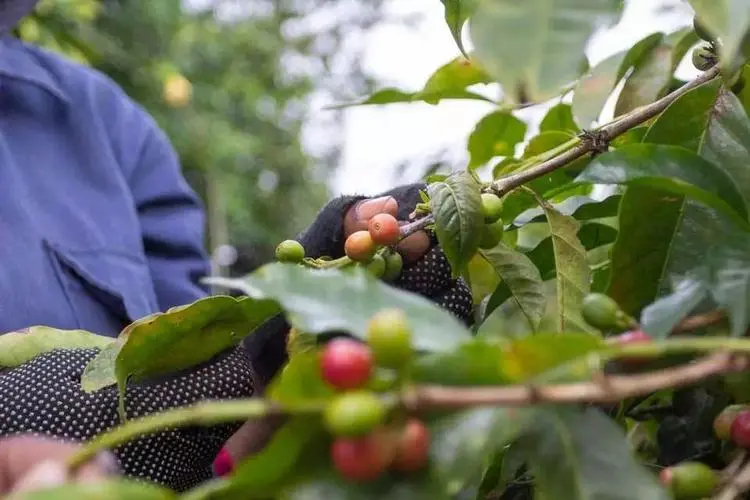
Although Kenya borders Ethiopia, the birthplace of coffee, the Kenyan coffee industry took shape relatively late. Coffee first arrived in 1893 with French missionaries, and under British colonial rule it was grown on large plantations, with the entire crop shipped to London. It wasn't until the Coffee Ordinance was passed in 1933 and the Coffee Board established that coffee sales came back under Kenyan government control. The government then threw its weight behind the industry: an auction system was created in 1934 to raise coffee revenues — a system still in use today — followed by a quality grading system to improve cultivation. By the 1950s, an agricultural bill granted farmers land use rights, allowing them to become self-sufficient and grow their incomes.
Kenyan Grading
Kenya applies the same grading system to both domestic sales and exports. It is based on bean size and quality, with clearly defined grades: AA+, AA, AB, PB, C, E, TT, and T. This strict classification keeps bean quality consistent.
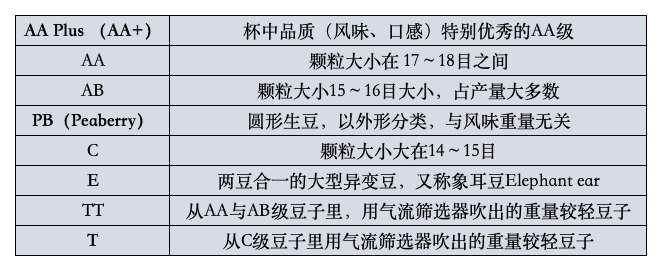
On top of that, Kenyan exporters and green bean traders apply an unofficial, cupping-based grading to AA and AB green coffee, ranked sequentially as TOP, PLUS (+), and FAQ. Beans are scored on cupping results of both green and roasted samples, evaluating acidity, body, and flavor, with each category receiving 1-3 points — so a 1-1-1 score means TOP grade.
Kenyan Coffee Varieties
Kenya grows varieties including K7, Ruiru 11, Batian, and the SL series, with SL28 and SL34 the most celebrated. These two were selected in the late 1930s, when the Kenyan government commissioned the former Scott Agricultural Laboratories (now the National Agricultural Laboratories) to study 42 varieties for yield, quality, and resistance to drought and disease. "SL" stands for Scott Laboratories, and SL28 and SL34 emerged from that screening. Both turned out to have excellent quality and flavor — though, notably, they proved susceptible to coffee diseases.
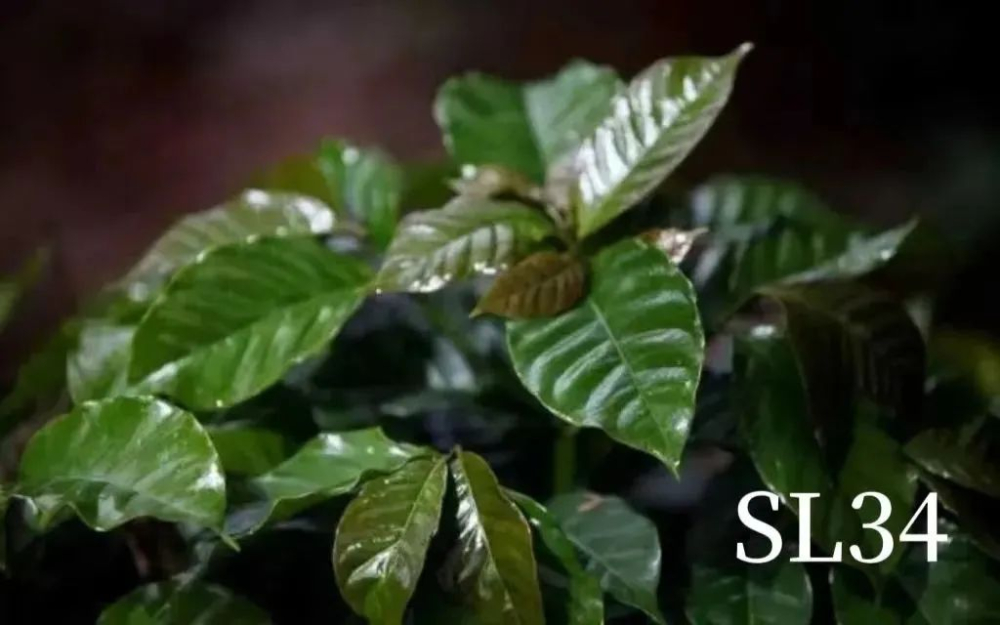
Later genetic testing revealed that SL28 descends from the Bourbon variety, while SL34 comes from Typica. The two taste quite similar, both offering complex, layered acidity and wonderful sweetness; in mouthfeel, SL34 is the softer and cleaner of the pair.
The K72 Washed Process
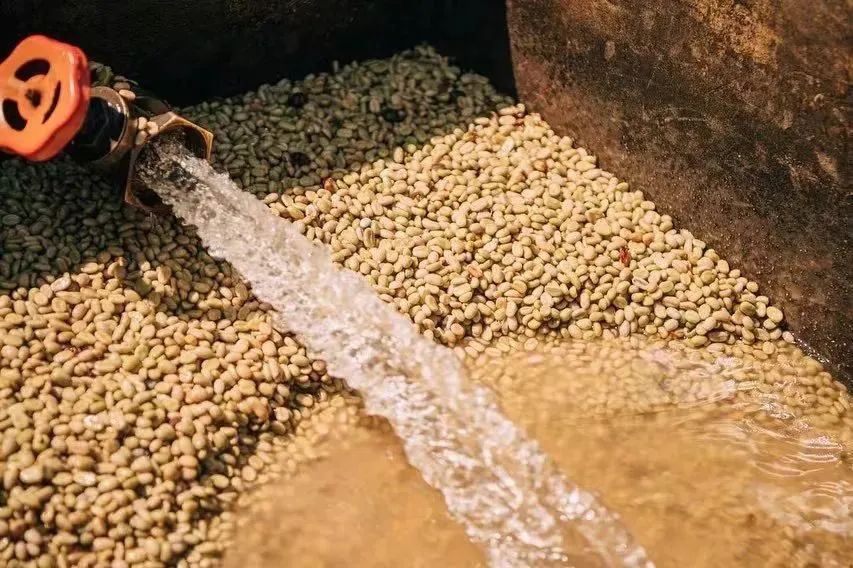
For processing, Kenyan coffee relies mainly on the washed method — but Kenya's version is distinctive. After harvest, farmers first sort out the best cherries. Following pulping, the beans go into washing tanks for 24 hours of fermentation, then are scrubbed clean of mucilage and soaked in fresh water for another 24 hours of fermentation. This cycle repeats three times for a total of 72 hours, after which the beans are sun-dried. Hence the name: Kenya 72-Hour Fermented Washed Process, or K72. This extended, low-temperature fermentation gives the beans brighter acidity, a cleaner mouthfeel, and fuller flavor development.
FrontStreet Coffee Kenya Asalia AA TOP Coffee Beans Region: Thika Region Estate/Processing Station: Asail Processing Station Altitude: 1,550-1,750 meters Varieties: SL28, SL34 Processing: K72 Washed Flavor Notes: Cherry tomato, dark plum, berries, citrus, green tea
The Kenya Asalia beans sourced by FrontStreet Coffee are SL28 and SL34 processed with the K72 washed method. Brewed on a V60 at a 1:15 ratio, the aroma opens with ripe tomato and floral notes, while the cup brings cherry tomato, dark plum, and citrus — bright acidity, a clean mouthfeel, and a subtle tea-like finish.
FrontStreet Coffee Recommendation
If Kenya's bright, berry-toned acidity wins you over, Ethiopia — the birthplace of coffee — deserves a spot on your shelf too. FrontStreet Coffee's washed Yirgacheffe is the classic starting point: expect a clear jasmine fragrance and lively citrus acidity with an elegant, tea-like lightness, like a refreshing glass of lemon tea.
For a different side of Ethiopia, try FrontStreet Coffee's Yirgacheffe Natural Red Cherry: with only fully ripe, defect-free cherries selected and dried whole on raised beds, the cup shows peach, cocoa, honey, and lemon — richly fruity yet impeccably clean.
Important Notice :
FrontStreet Coffee is a long-established specialty coffee roaster in Guangzhou China, selling freshly roasted beans from its own farm in Yunnan as well as dozens of carefully selected single-origin beans from around the world for both pour-over and espresso. The products deliver consistently excellent quality and great value, with shipping within 24 hours. Guangzhou's FrontStreet Coffee shop is recommended by many coffee lovers, and the beans are now available online at the Tmall 。
FrontStreet Coffee has moved to a new address:
FrontStreet Coffee Address: 315,Donghua East Road,GuangZhou
Tel:020 38364473
 Scan and follow the En Gafei WeChat official account. Please indicate that the reprint comes from "En Gafei".

