
Is Water Accumulation in Espresso Portafilter After Extraction Related to Portafilter and Distribution Plate? How to Adjust Extraction Parameters?
If you own an espresso machine, you've probably seen this: after pulling a shot, you knock out the puck and find it soaked through, with a pool of water sitting on the surface, collapsing into a shapeless, muddy sludge.
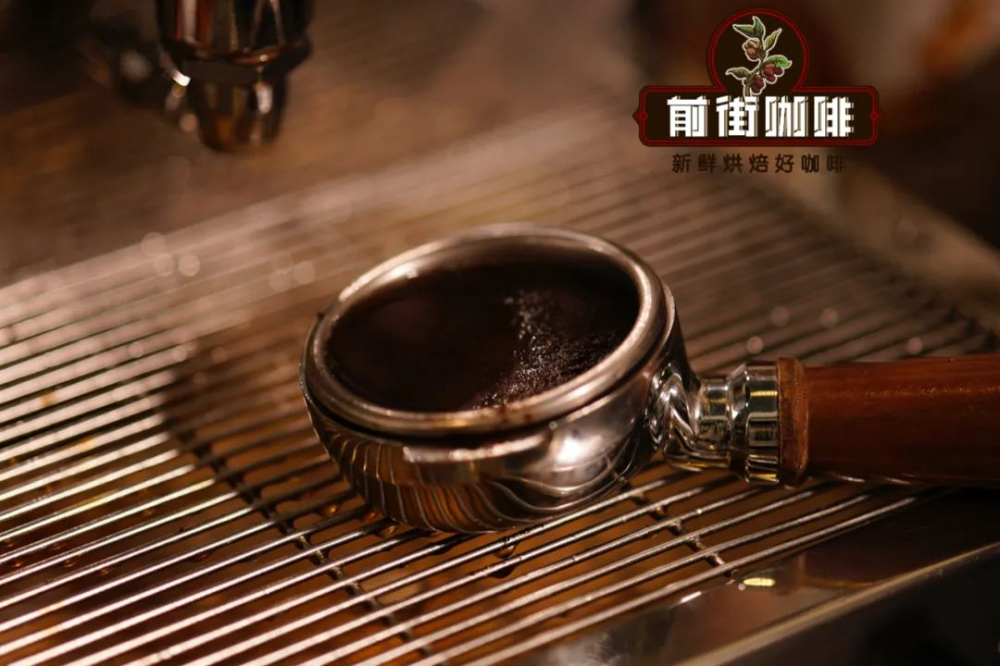
A healthy puck should come out relatively dry and knock out as a solid, intact cake. If you're seeing the wet, mushy state described above, that's not normal. FrontStreet Coffee breaks down the factors that cause this water accumulation.
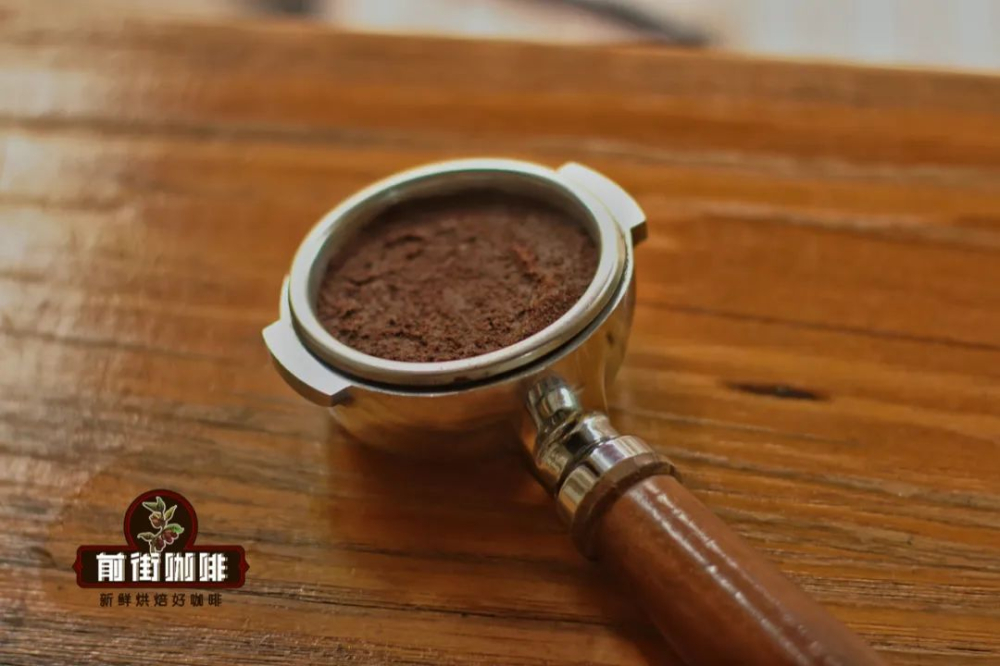
Coffee Ground Too Fine
Espresso extraction uses hot water under high pressure. When the grind size is too fine, the gaps between coffee particles in the basket shrink dramatically. Even at the machine's maximum pressure, hot water struggles to push through, and by the end of the shot some of it never makes it past the coffee layer — it just sits in the puck, leaving it muddy or waterlogged.
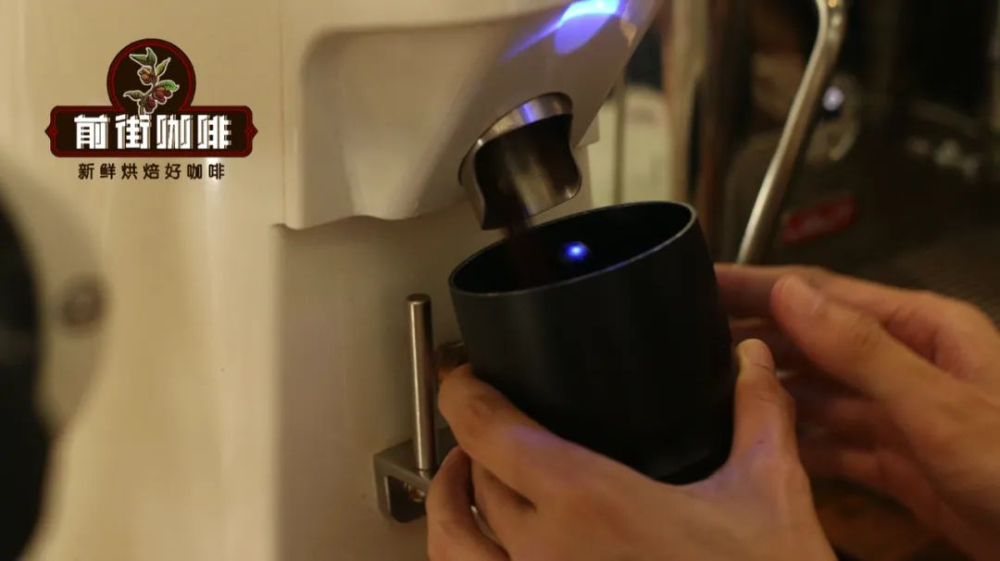
The telltale sign: the pressure gauge hits peak pressure for several seconds while the coffee is still barely dripping, and the shot drags on far longer than it should.
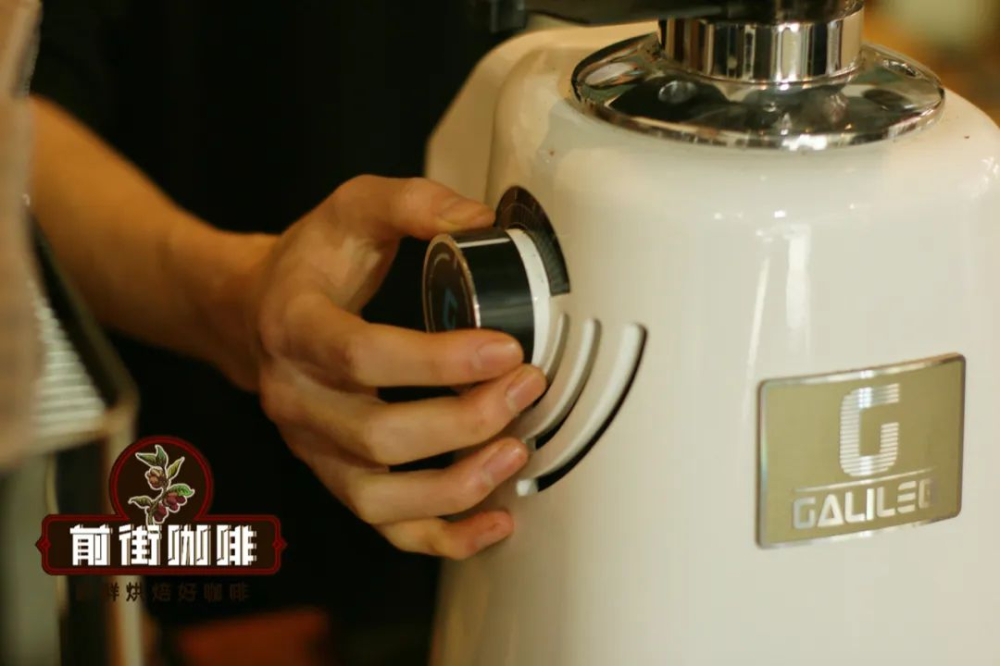
The good news is this is the easiest case to fix — simply grind coarser.
Stale Coffee Beans
When the beans aren't fresh, the cause of the water accumulation is harder to pin down. This typically happens to home baristas with low consumption: one or two shots a day means a bag of espresso beans can last a month, by which point nearly all the carbon dioxide in the beans has dissipated.
Remember that espresso machines, like pour-over setups, effectively bloom the grounds during extraction — that's what pre-infusion is. When the grounds still contain carbon dioxide, they expand in the hot water and fill the gaps between particles. With little CO2 left, they don't expand, and at the same grind setting the flow rate gets noticeably faster.
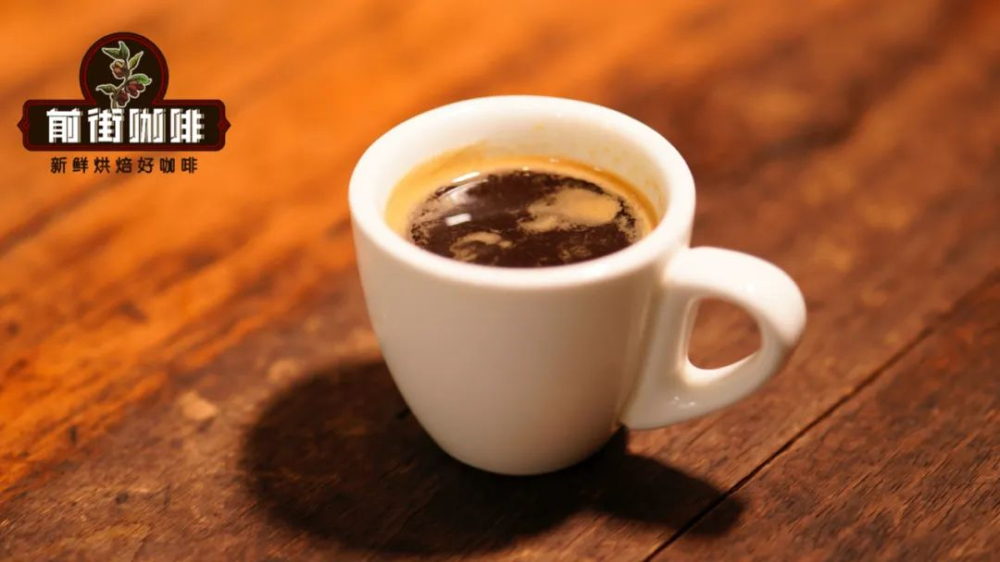
Shots brewed this way typically have little or no crema, taste watery, and are prone to portafilter water accumulation. If you can, buy fresh beans.
Dosing Too Much or Too Little
Portafilter baskets are built for a standard dose, and different baskets hold different amounts.
If you overdose the basket chasing a stronger shot, you'll run into a cascade of problems: the shot barely extracts, the top of the basket comes out wet while the bottom of the puck stays dry, and a clump of grounds sticks to the shower screen.
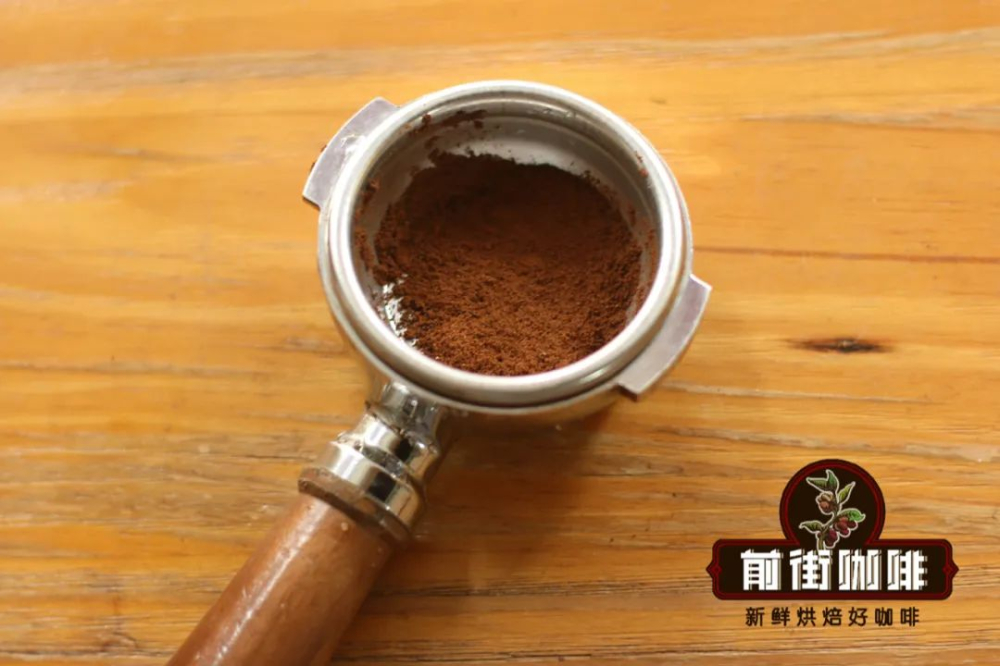
Underdosing is worse for water accumulation. If the dose falls well below the basket's standard weight, the extraction ends with severe water pooling — in extreme cases, a puddle of coffee water spills out when you remove the portafilter.
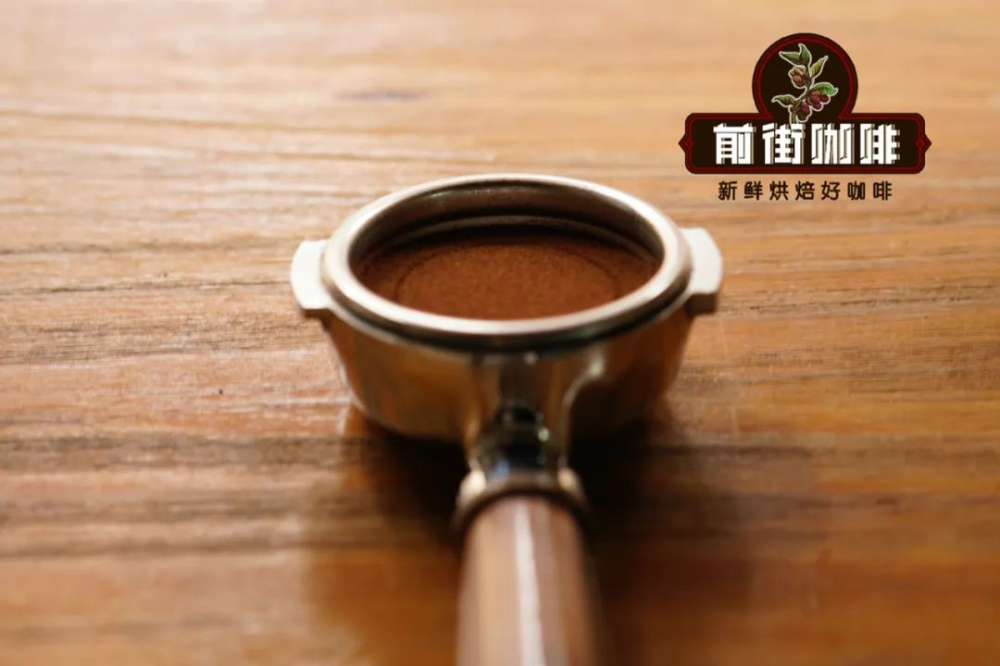
(Coffee dose below the ridge)
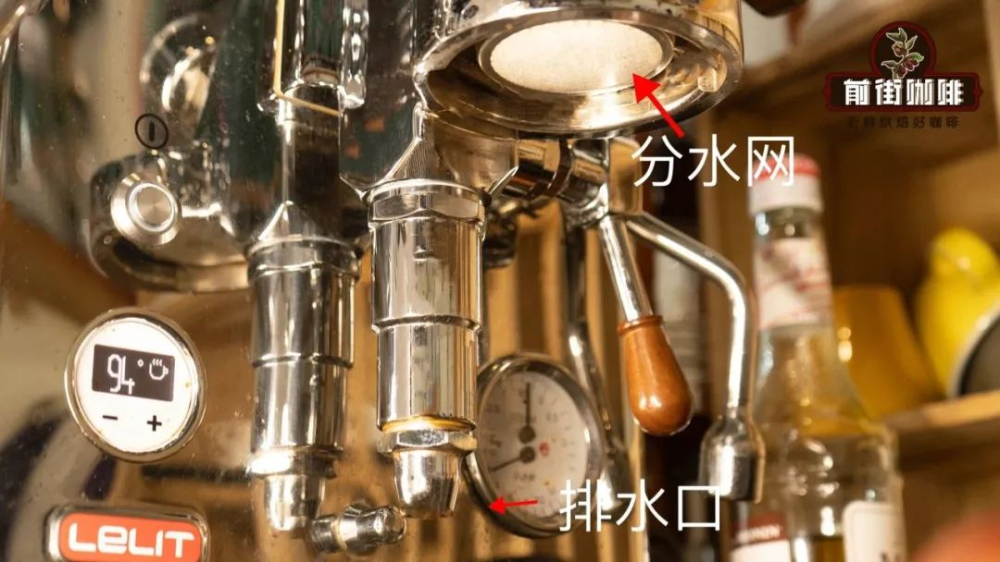
Here's why: during extraction the machine releases pressurized water, and when you press the button to stop, the pressure relief valve opens, creating back pressure in the sealed basket that pushes excess water out of the puck through the valve. With too little coffee, the gap between the puck and the shower screen is too large, and water is left sitting in the basket.
To check your dose, look at the ridge inside the basket: after tamping, the coffee should just reach it. Above the ridge means too much; below means too little.
For reference, FrontStreet Coffee uses a 20g basket and doses no more than 20g. If the shot needs more, we adjust the grind slightly finer instead. And when the flavor is close to target, we sometimes trim the dose by a few tenths of a gram — but never below 19.7g.
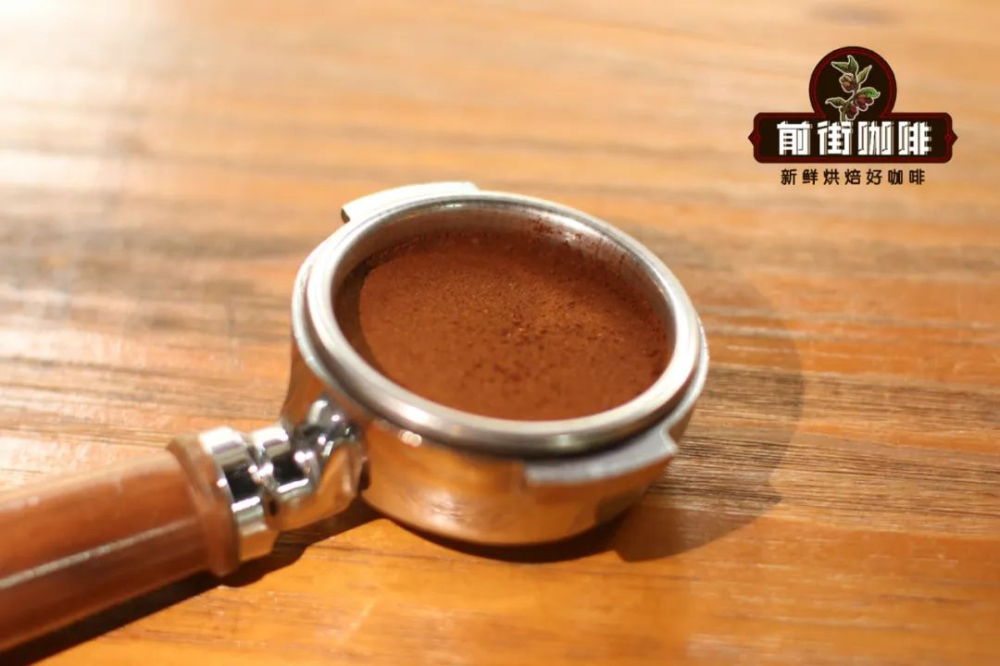
Group Head Pressure Relief
If the group head hasn't been cleaned for a long time — or never cleaned thoroughly — accumulated coffee grounds can impair the drainage function, leaving excessive water in the basket after every extraction.
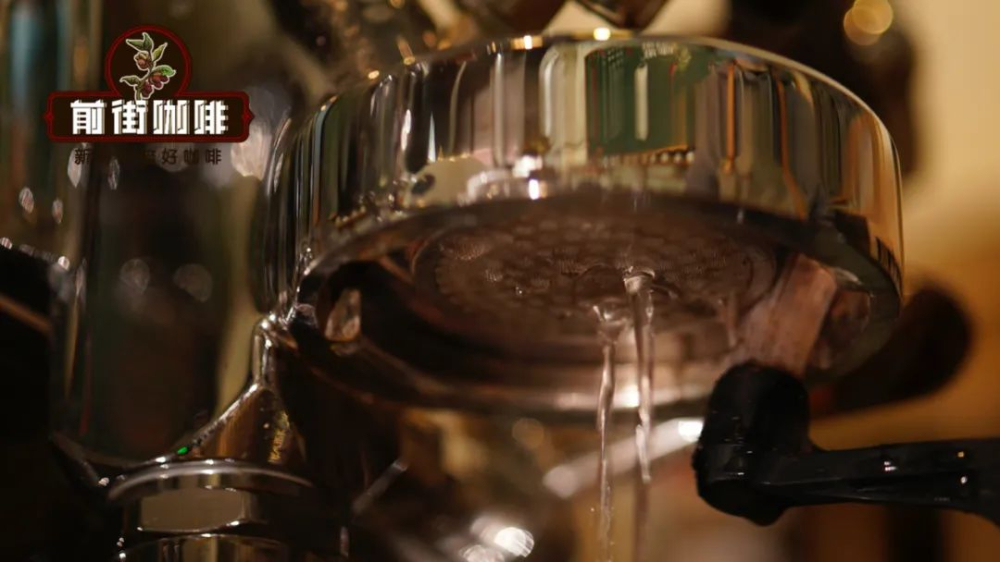
In mild cases, daily group head cleaning plus regular backflushing with a dedicated espresso machine cleaning agent is enough. If the problem persists, contact the manufacturer's service department for inspection and repair.
Insufficient or Unstable Pump Pressure
Low pressure is common on home machines. When extraction pressure is weak or unstable, the gauge needle jumps around.

(For reference only)
The most visible symptom: the liquid column suddenly goes from thick to thin mid-shot. The pressure relief valve never builds enough back pressure to expel the water, and removing the portafilter reveals a large pool of accumulation.
- END -
FrontStreet Coffee Recommendation
Waterlogged pucks and watery shots usually trace back to stale beans — so start with a fresh bag built for espresso. For traditional-style Americanos and lattes, FrontStreet Coffee recommends the FrontStreet Classic Blend or Commercial Blend, both based on old-school Italian recipes with a touch of Robusta: butter, nuts, spice, dark chocolate, and toast aromas, a thick wild body, and a burst of golden crema that makes latte art easy.
If you love the nutty character of almond, walnut, and almond-forward espresso, go for the FrontStreet Signature Blend or Dark Cocoa Blend, both built on a large share of Brazil beans for a comfortable gentle bitterness and creamy peanut smoothness. The Signature Blend adds Colombia's nut, chocolate, and caramel notes with gentle acidity, while the Dark Cocoa Blend layers in the ripe-plum acidity of Yunnan arabica and grinds out a creamy chocolate aroma — a versatile choice for specialty milk drinks. For single-origin espresso (SOE), the FrontStreet natural Huakui from Guji Hambela, Ethiopia (grown at up to 2,300 meters), brings cream, cocoa, berries, delicate florals, and black tea; the black-honey FrontStreet Costa Rica Blackberry SOE gives cranberry cookie, raisin, and nut flavors with milk; and the low-acid yellow bourbon FrontStreet Brazil Queen Estate SOE, roasted medium-dark, delivers butter cookie, macadamia, and toasted bread creaminess.
Important Notice :
FrontStreet Coffee is a long-established specialty coffee roaster in Guangzhou China, selling freshly roasted beans from its own farm in Yunnan as well as dozens of carefully selected single-origin beans from around the world for both pour-over and espresso. The products deliver consistently excellent quality and great value, with shipping within 24 hours. Guangzhou's FrontStreet Coffee shop is recommended by many coffee lovers, and the beans are now available online at the Tmall 。
FrontStreet Coffee has moved to a new address:
FrontStreet Coffee Address: 315,Donghua East Road,GuangZhou
Tel:020 38364473
 Scan and follow the En Gafei WeChat official account. Please indicate that the reprint comes from "En Gafei".

