
Papua New Guinea Coffee Cultivation History, Coffee Regions, and Introduction to Sigri Estate's Bird of Paradise
Papua New Guinea: An Ideal Coffee-Growing Land
Papua New Guinea is the largest island nation in the South Pacific, occupying the world's second-largest island. Its typical island climate is hot and humid year-round, and the landscape — tropical rainforest, volcanic rock, and highland terrain between 1,200 and 2,500 meters — makes it an ideal region for growing coffee.
Cultivation History
Coffee cultivation began in the 1890s, though at first the crop wasn't treated as a commercial product. By 1926, eighteen estates had been established in the country, and Typica varieties introduced from Jamaica boosted commercial production — which is why Papua New Guinea coffee is also known as the "Little Blue Mountain."
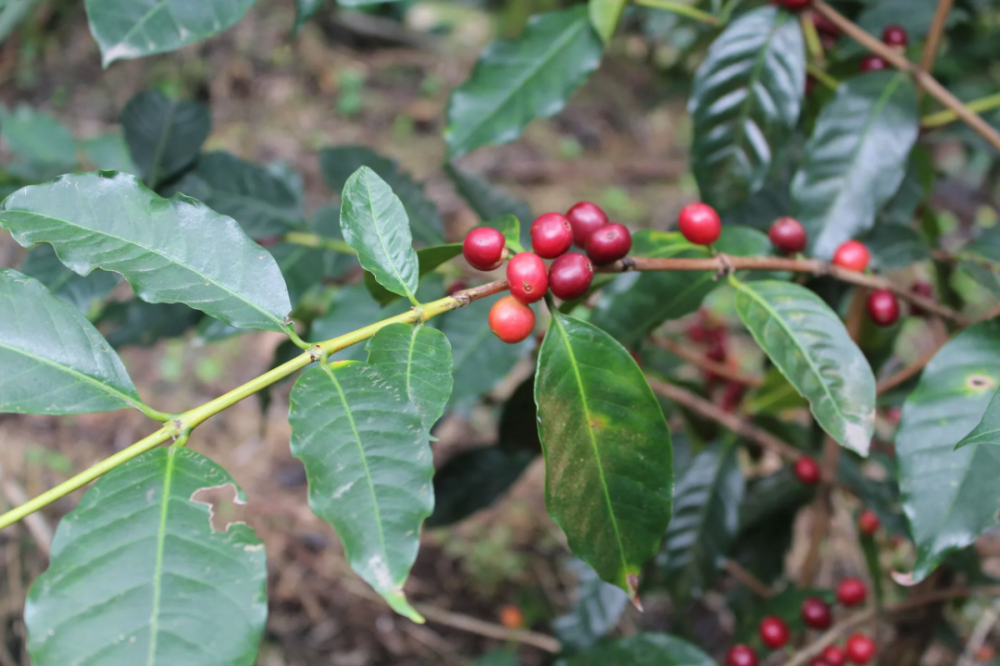
In the 1970s, the government rolled out programs encouraging small farms to band together into cooperatives. But falling coffee prices soon pushed many estates into financial crisis. Because most of the country's coffee is grown by smallholders, who are far less exposed to market swings, production carried on. Today 95% of the country's producers are small farmers, and 95% of the coffee grown is Arabica.
Coffee Regions
Papua New Guinea coffee currently comes from five highland provinces: Western Highlands, Eastern Highlands, Chimbu, Morobe, and East Sepik. The Eastern and Western Highlands are the main producers of Typica, with small amounts of Catimor and Bourbon also grown. Coffee from the other regions is of lower quality and mostly Robusta.

The Western Highlands Province is the country's most important and largest coffee-producing province, with elevations from 1,000 to 1,800 meters. Its ancient dormant volcano feeds fertile soil that produces coffee of exceptional quality — and it is home to the famous Sigri Estate, whose Bird of Paradise beans FrontStreet Coffee also sources.
Sigri Estate
The bird of paradise is found only in Papua New Guinea, where it symbolizes freedom and happiness, and Sigri Estate prints it on its green coffee bags — which is why the beans are known as "Bird of Paradise" coffee.
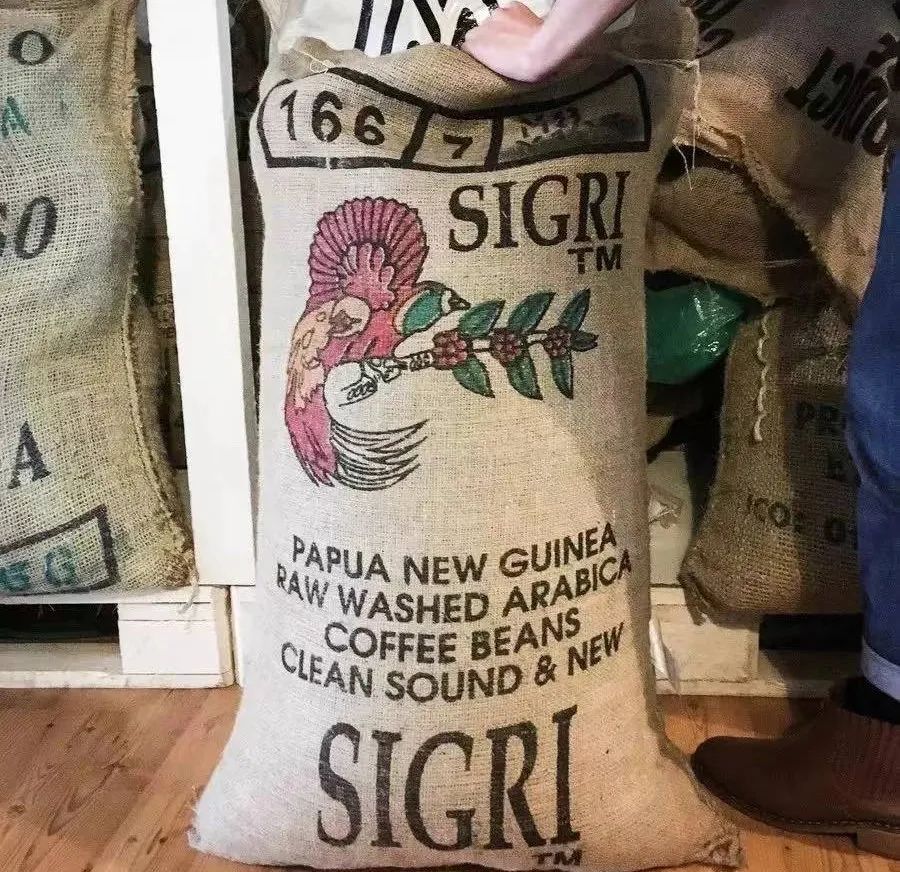
Sigri Estate was founded in 1950 and pioneered the local coffee industry. It sits in the Waghi Valley of the Western Highlands at a high 1,500 meters, in mountainous terrain with mineral-rich volcanic soil, a cool climate, and abundant rainfall. The estate has upheld high standards of cultivation and processing for decades and takes ecological protection seriously: to safeguard the soil and water, it refuses to use pesticides and insecticides. Its standards for green beans are strict too — hand-picked ripe red cherries are processed on the same day they're harvested — which is how Sigri's coffee earned its worldwide reputation. FrontStreet Coffee sources Sigri Estate Bird of Paradise beans, which are wet-processed (washed). Brewed on a Kono dripper at a 1:15 ratio, they show caramel, cocoa, and almond flavors, with citrus acidity emerging as the cup cools, all held together by an overall balance.
FrontStreet Coffee Sigri Estate Bird of Paradise Coffee Beans
Region: Western Highlands
Estate: Sigri Estate
Altitude: 1,500 meters+
Variety: Typica
Processing: Washed
Flavor: Caramel, cocoa, almond, balanced, citrus acidity at lower temperatures
FrontStreet Coffee Recommendation
Papua New Guinea earned its "Little Blue Mountain" nickname thanks to the Typica it inherited from Jamaica — and if that lineage intrigues you, tasting the original side by side is a treat. FrontStreet Coffee's Jamaica Blue Mountain No. 1, from the historic Clifton Estate at 1310 meters and fully certified with original wooden shipping barrels, offers cream, caramel, chocolate, nuts, and honey in a famously balanced cup — the very profile that Sigri's Typica echoes in a softer key.
For everyday brewing, the Bird of Paradise itself is a superb choice: clean, sweet, and low in bitterness, it works beautifully as a pour-over and makes a convincing budget-friendly stand-in for Blue Mountain in milk drinks.
Important Notice :
FrontStreet Coffee is a long-established specialty coffee roaster in Guangzhou China, selling freshly roasted beans from its own farm in Yunnan as well as dozens of carefully selected single-origin beans from around the world for both pour-over and espresso. The products deliver consistently excellent quality and great value, with shipping within 24 hours. Guangzhou's FrontStreet Coffee shop is recommended by many coffee lovers, and the beans are now available online at the Tmall 。
FrontStreet Coffee has moved to a new address:
FrontStreet Coffee Address: 315,Donghua East Road,GuangZhou
Tel:020 38364473
 Scan and follow the En Gafei WeChat official account. Please indicate that the reprint comes from "En Gafei".

