
Difference Between Piccolo Latte and Latte, Why is Piccolo Coffee More Expensive? What is the Piccolo Espresso to Milk Ratio?
The World of Espresso Coffee: Discovering Piccolo Latte
Espresso-based coffee is a vast family: different ratios of milk to coffee create the latte, cappuccino, flat white, and more. Among them is one drink that, like the flat white, was born in Australia but remains rare on domestic menus—the Piccolo Latte.
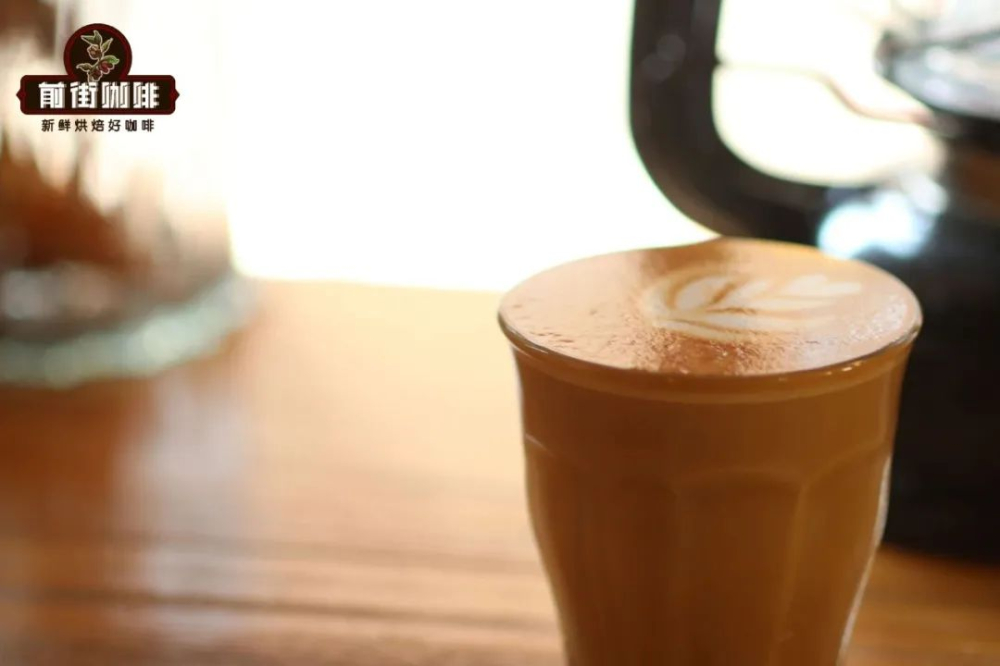
"Piccolo" is Italian for "small," which is why the drink is also called a small latte or mini latte. But if you think of it as merely a shrunken latte, you're badly underestimating it.
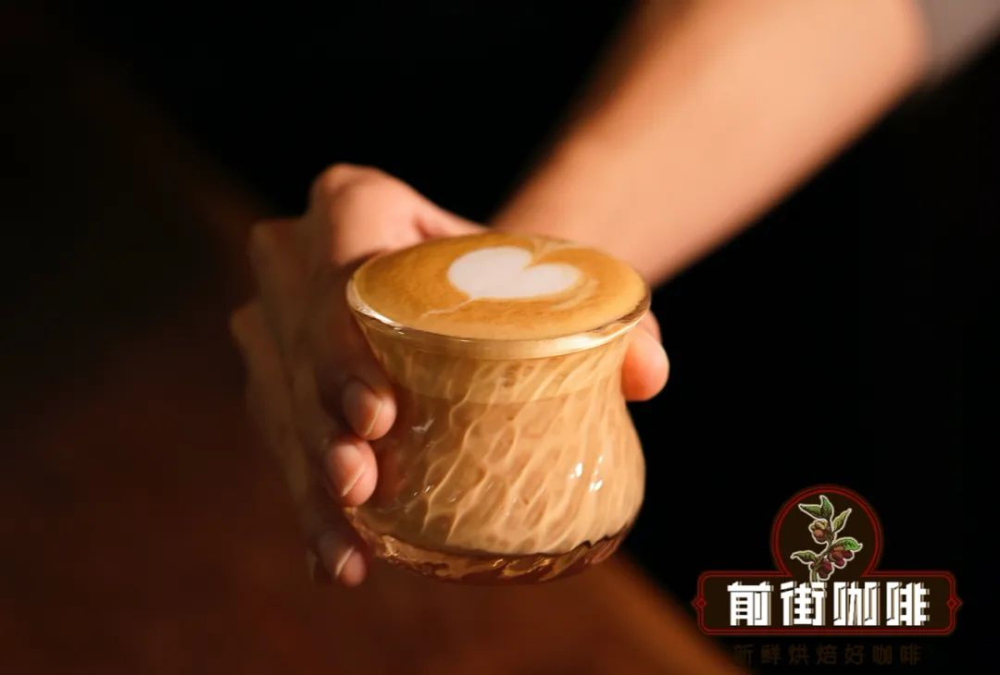
From Behind the Scenes to Center Stage
The Piccolo wasn't created for the market at all. It began as a barista's (or roaster's) tool for testing beans and dialing in espresso parameters. When tuning a bean, a barista needs to taste both the espresso and how it pairs with milk. Making full-sized drinks for every test would mean excessive caffeine ("coffee intoxication") and wasted coffee down the drain—after all, perfecting an extraction takes many attempts.
So they started using a spouted portafilter to split one shot into two: one tasted straight, the other made into a tiny latte for evaluation.
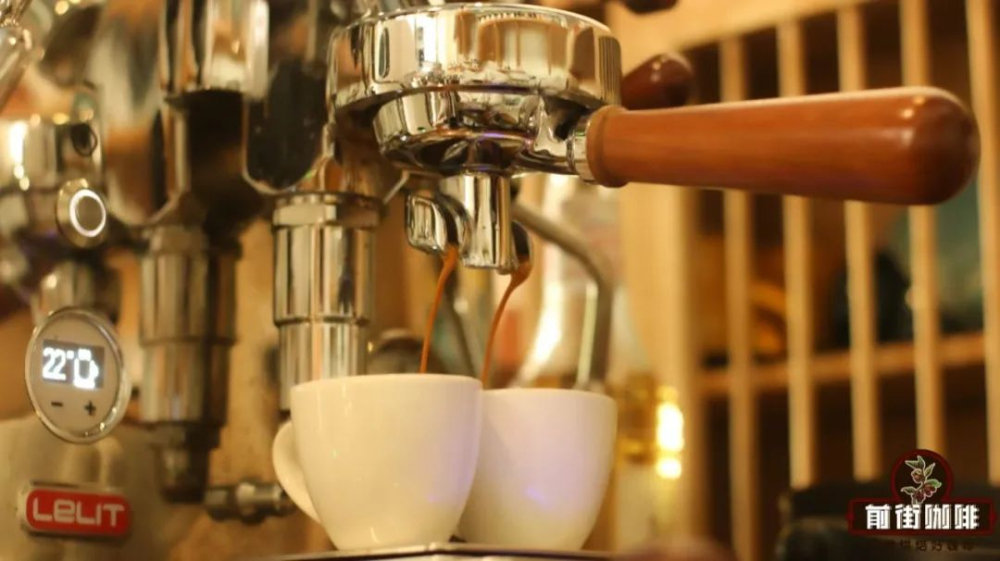
Later, some café owners adopted the same trick to let regulars sample new beans, gathering feedback and demand. Over time, this little latte earned its own place on café menus.
The Piccolo's appeal is that you get the latte experience for less money and less time. It suits the grab-and-go coffee culture, avoids the heaviness of large servings, and spread quickly as a result.
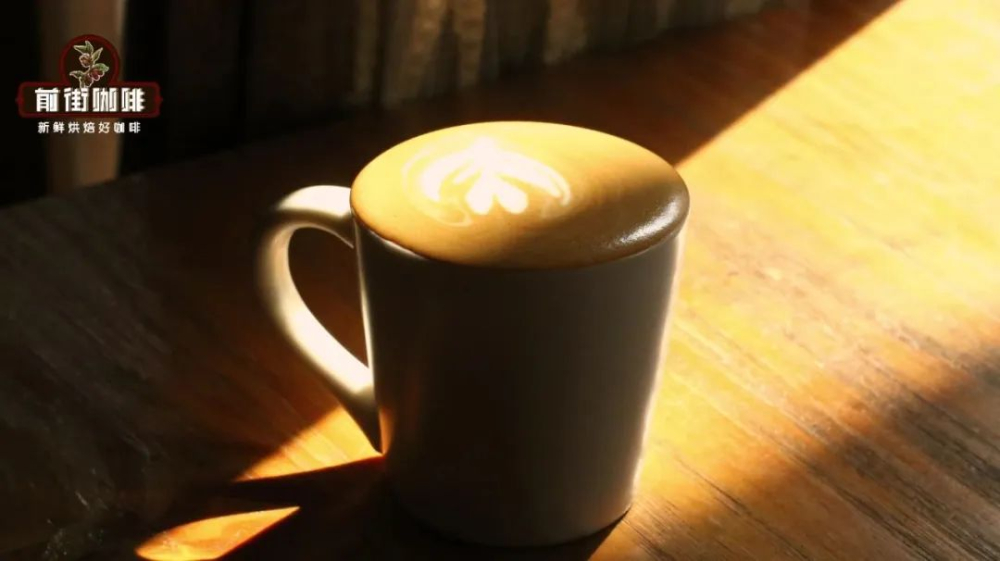
What Makes Piccolo "Short"?
By the traditional recipe, a Piccolo Latte is built in a 3-ounce (90ml) glass: a single espresso shot (20g/30ml) topped with 60ml of steamed milk. A regular latte runs 180–250ml; the Piccolo is only about 90ml. But small doesn't mean easy—crafting a perfect Piccolo demands real barista skill.
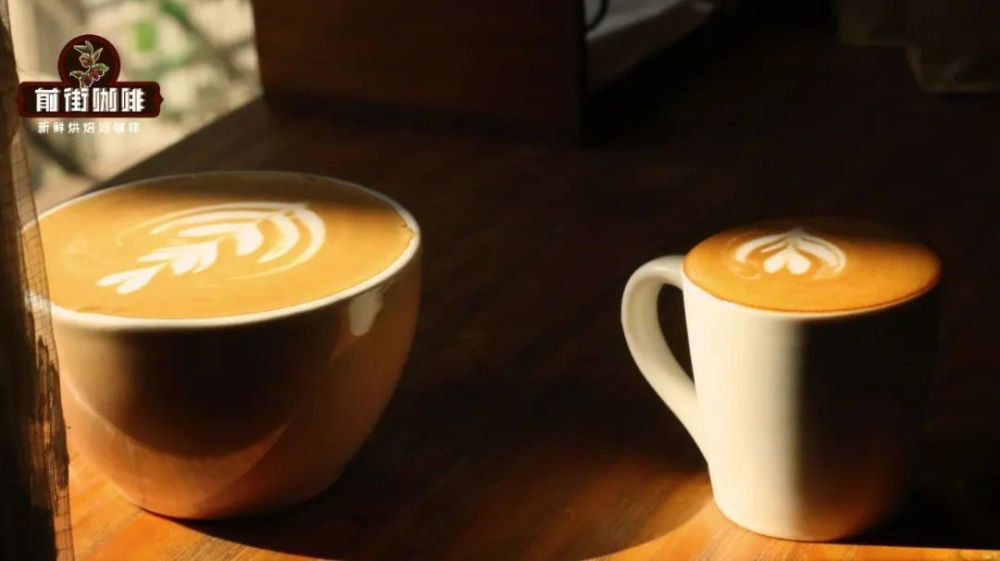
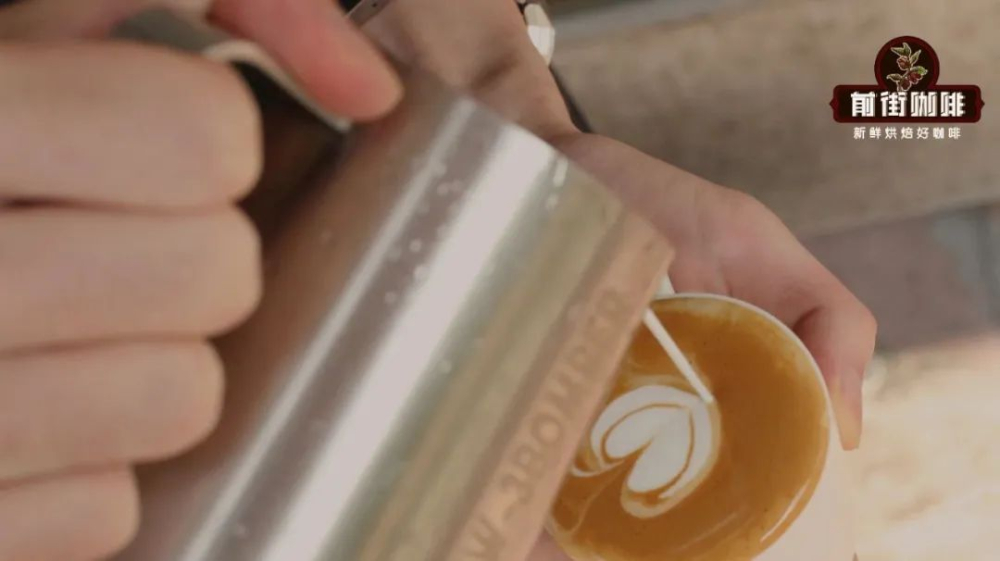
The first challenge is frothing 60ml of milk—such a tiny amount is hard to texture properly. Some less experienced baristas add extra milk to make frothing easier; others reach for smaller pitchers. Then comes integrating the espresso with the foam and pouring latte art in a cup that small—every step tests the barista.
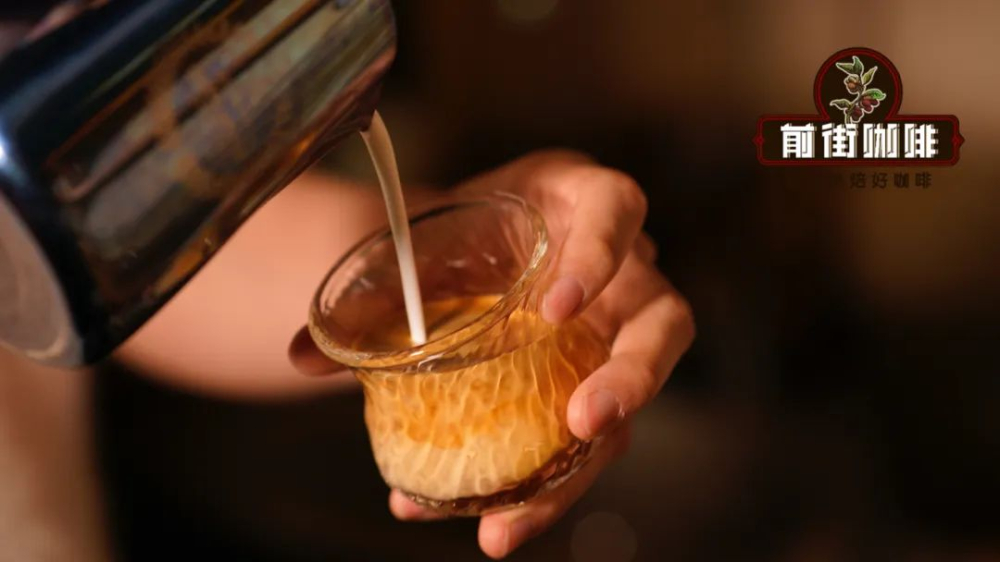
As the Piccolo entered the market, some shops began experimenting to sharpen its character: swapping the single shot for a ristretto (in short, extracting only the front and middle of the shot), moving from blends to single origins, and trading the clear glass for all manner of handsome little cups.
Why Such a Small Cup Commands a Higher Price
Besides its size, the Piccolo has another virtue: it's easier to taste the bean itself—the coffee character stands out while the milk adds fresh sweetness. Some beans need a certain amount of milk to show their full charm, which is why some cafés design Piccolo Lattes around specific beans.
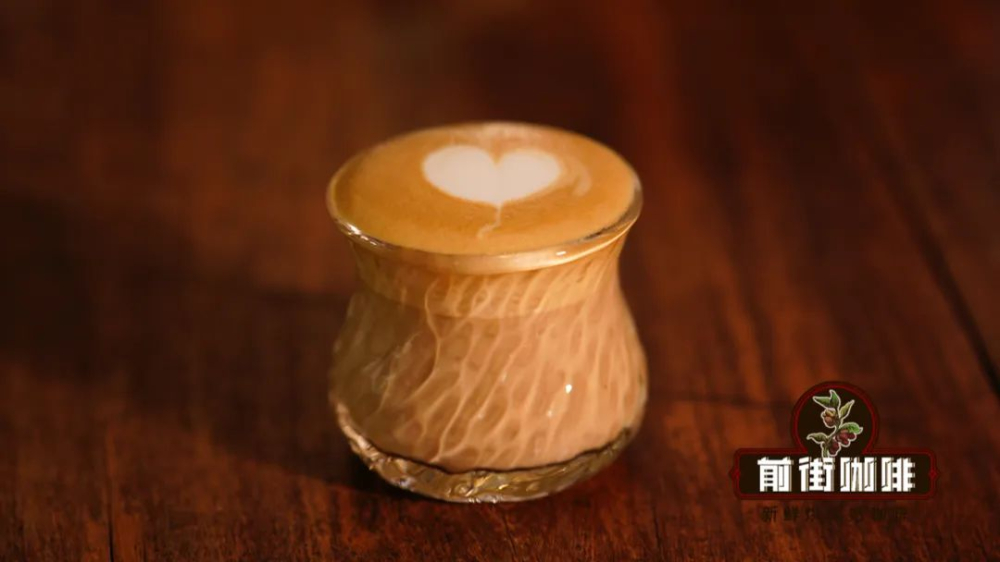
On the cost side, although both espresso and milk are reduced, the base shot still requires a full dose of grounds. Even when a spouted portafilter splits into two shots, the other shot must be "internally consumed" when traffic is slow. Using a single-shot basket means re-tuning extraction parameters—a losing proposition.
And as noted, a Piccolo demands considerable skill in frothing and latte art. Independent cafés that dare to list it separately typically hold themselves to high standards of quality and consistency. Such shops don't usually price low (craftsmanship is their livelihood), and they rarely split pricing between milk drinks like Piccolo, latte, and flat white—so the small cup often costs nearly as much as the large one.
- END -
FrontStreet Coffee
No. 10, Bao'an Qianjie, Yandun Road, Dongshankou, Yuexiu District, Guangzhou, Guangdong Province
FrontStreet Coffee Recommendation
A tiny drink like the Piccolo leaves nowhere for a weak shot to hide, so bean choice is everything. Every café has its own house formula for milk coffees, but the essentials never change: less milk, thinner foam, stronger coffee flavor. Compared with a latte, drinks like the flat white and piccolo are smaller, more coffee-forward, and fuller-bodied—an "advanced latte," if you like. A latte aims for absolute balance of coffee and milk, while the piccolo and flat white let the espresso lead, with milk as the supporting cast—so choose espresso beans with a strong flavor signature.
For home brewing, FrontStreet Coffee recommends the Classic Blend, with its butter-and-cheese character: mellow and low in acidity, with full, fine crema and an outstanding richness in milk. If you chase floral-and-fruit notes instead, pick the ultra-low-bitterness FrontStreet Strawberry Candy espresso blend—it extracts with lush grape and blueberry flavors, balanced sweet and tart, and turns into a strawberry milkshake of a flat white with fresh milk. Milk matters too: if it's too thin the drink falls flat; too heavy and it masks the coffee. Use cold fresh milk, steamed to bring out its sweetness as the espresso's perfect partner.
To make one yourself, FrontStreet Coffee uses FrontStreet Coffee's Premium Blend with a ristretto base that highlights the coffee—20g of grounds extracting 32g of liquid in 22–25 seconds—paired with 160ml of fresh milk. Texture the milk thin: air for just 1–2 seconds (two short "hiss" sounds) before sinking the wand, then build the vortex until the milk reaches 50–55°C, aiming for a foam thickness of about 0.3cm. Pour the milk gently into the coffee, raise the pitcher to a thin stream and swirl to blend, then drop low and push out your white lines in one fluid motion. The first big sip delivers cream hazelnut and white chocolate sweetness—rich and mellow, yet light enough to finish the whole cup without feeling weighed down.
Important Notice :
FrontStreet Coffee is a long-established specialty coffee roaster in Guangzhou China, selling freshly roasted beans from its own farm in Yunnan as well as dozens of carefully selected single-origin beans from around the world for both pour-over and espresso. The products deliver consistently excellent quality and great value, with shipping within 24 hours. Guangzhou's FrontStreet Coffee shop is recommended by many coffee lovers, and the beans are now available online at the Tmall 。
FrontStreet Coffee has moved to a new address:
FrontStreet Coffee Address: 315,Donghua East Road,GuangZhou
Tel:020 38364473
 Scan and follow the En Gafei WeChat official account. Please indicate that the reprint comes from "En Gafei".

