
What's the Difference Between Drip Bag Coffee and Instant Coffee? How is Drip Bag Coffee Made? What Are the Key Considerations for Water Temperature and Brewing Methods?
Drip bag coffee is more popular than most of us imagine. Because it is so convenient, you can take it anywhere and make a cup on the spot. Yet even though drip bags are now everywhere, plenty of people still have a few misconceptions about how to use them properly.
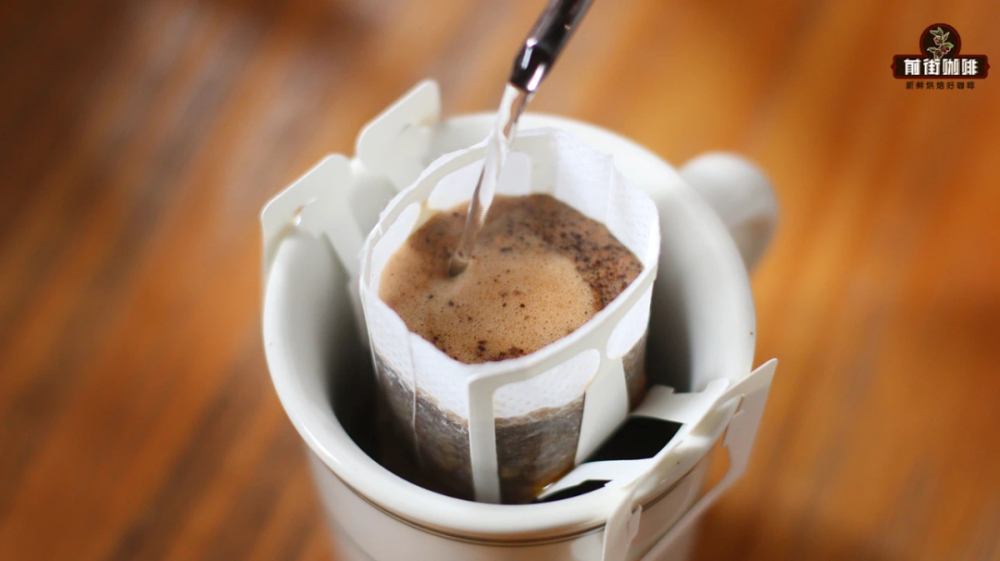
It isn't that drip bag coffee can only be brewed one traditional way. It's that certain brewing habits can actively hurt the drinking experience. So today let's take a fresh look at what drip bag coffee really is.
What is Drip Bag Coffee?
Drip bag coffee is brewed from a convenient coffee packet invented in Japan. Because the packet has two small paper-like "ears" that hook over the rim of a cup, people affectionately call it a "drip bag coffee packet," and the coffee brewed with it is called "drip bag coffee."
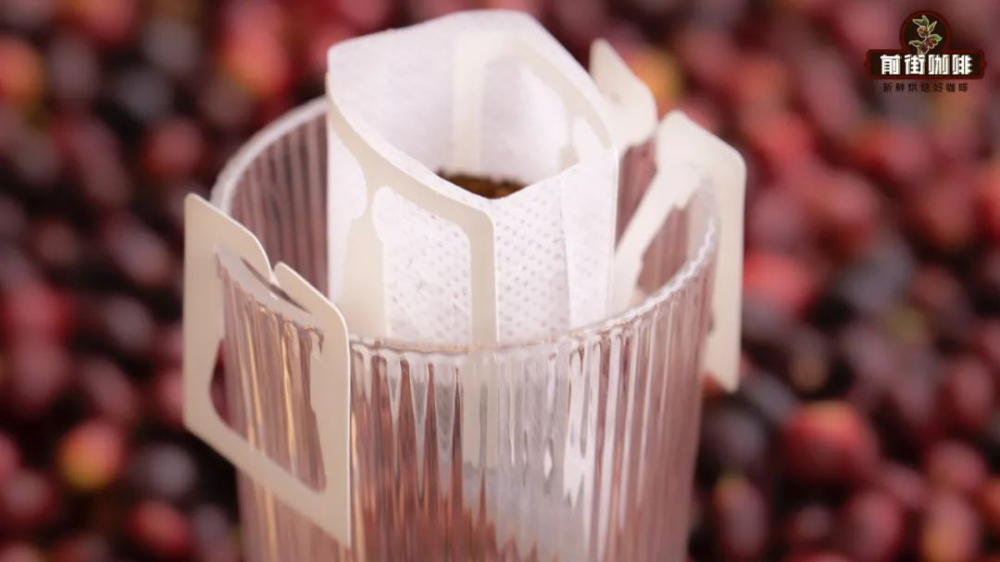
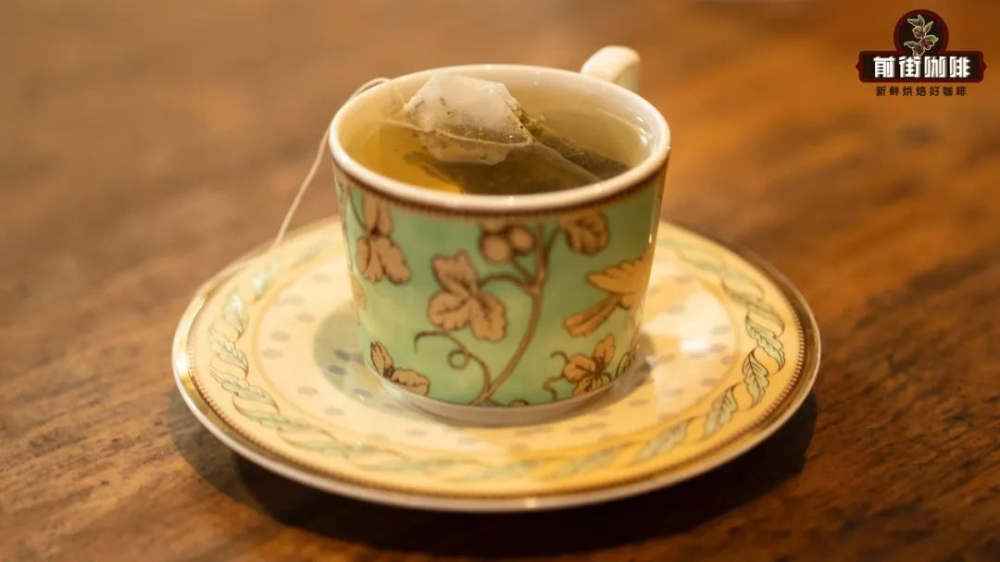
The design concept came from string tea bags, the kind with a hanging string. But if coffee were designed exactly like a tea bag, its only option would be steeping, and the resulting coffee would taste rather mediocre.
So the inventor brainstormed, trying to imitate the filter cup used in pour-over brewing, and finally succeeded. Non-woven fabric became the material for the packet, effectively keeping the grounds contained, and one side of the fabric had a paper ear that could hook onto the cup. That's right: the earliest drip bags had a single ear, just enough to hang on the cup and drip. During brewing, though, a single-eared packet couldn't bear the steady weight of hot water being poured in. After several rounds of refinement, the double-eared drip bag packet we use today was born. Now let's look at which brewing habits can hurt the experience.
Improper Brewing Methods
1. Steeping Directly Like a Tea Bag
Many people mistakenly treat a drip bag packet as a tea bag, never opening it, and steep it as it is. What happens then?
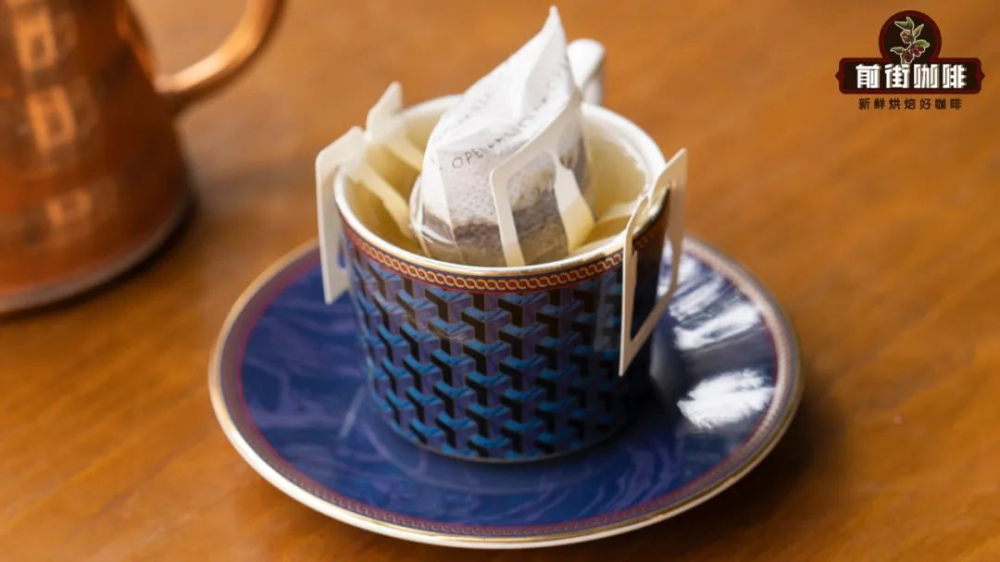
The coffee comes out weak, with some woody and papery flavors. The reason is that although the drip bag uses similar material to a tea bag, its thickness is different. When you don't open it, you can only pour water around the edges, which means hot water takes a very long time to reach the grounds at the center. If you stop steeping too early, you easily end up with a bland cup, or more accurately, coffee-flavored water. And even with a longer steep, gradually cooling water struggles to extract the central grounds sufficiently without any stirring or movement.
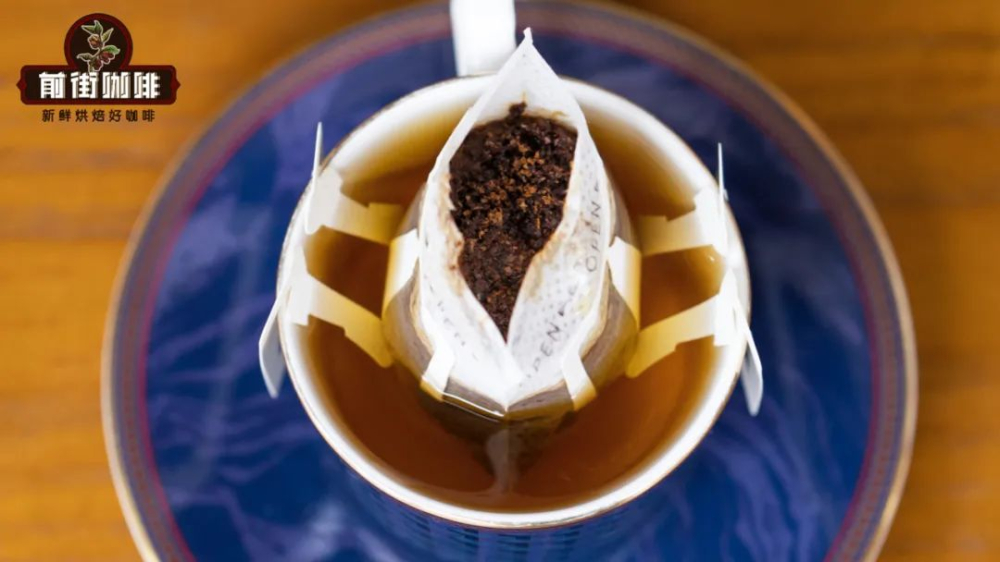
(After a 6-minute steep, the central grounds were still partly dry.) Or, before the central grounds are fully extracted, the outer grounds and the drip bag material release their flavors first. We know that some soluble substances in coffee are best left unextracted, since they can carry bitterness, off-flavors, and other negative notes. Combine that with the papery taste of the drip bag, and the cup, though drinkable, is hard to enjoy.
2. Brewing Drip Bags Like Instant Coffee
Many people treat drip bags as instant coffee, but the two are completely different. Instant coffee is made by drying extracted coffee liquid into powder, which is why it dissolves in hot water, essentially turning back into coffee liquid.
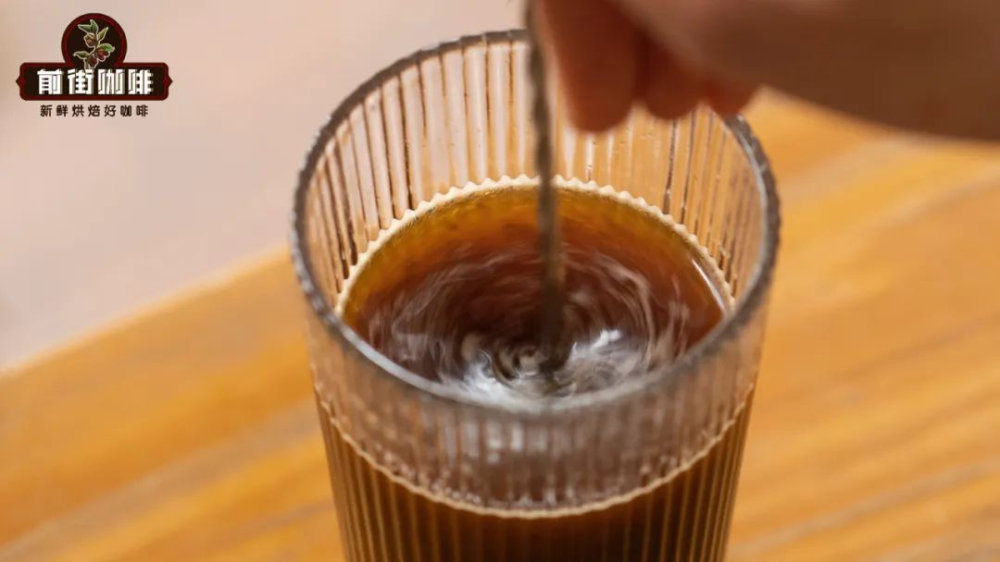
Drip bags are another matter. The coffee particles inside are ground straight from coffee beans and contain 70% insoluble substances, namely woody fibers. Brew them like instant coffee and, setting taste aside, a mouthful of grounds with every sip makes for a poor experience.
3. Pouring Too Much Hot Water at Once
FrontStreet Coffee happens to have a vivid, old illustration of this very mistake.
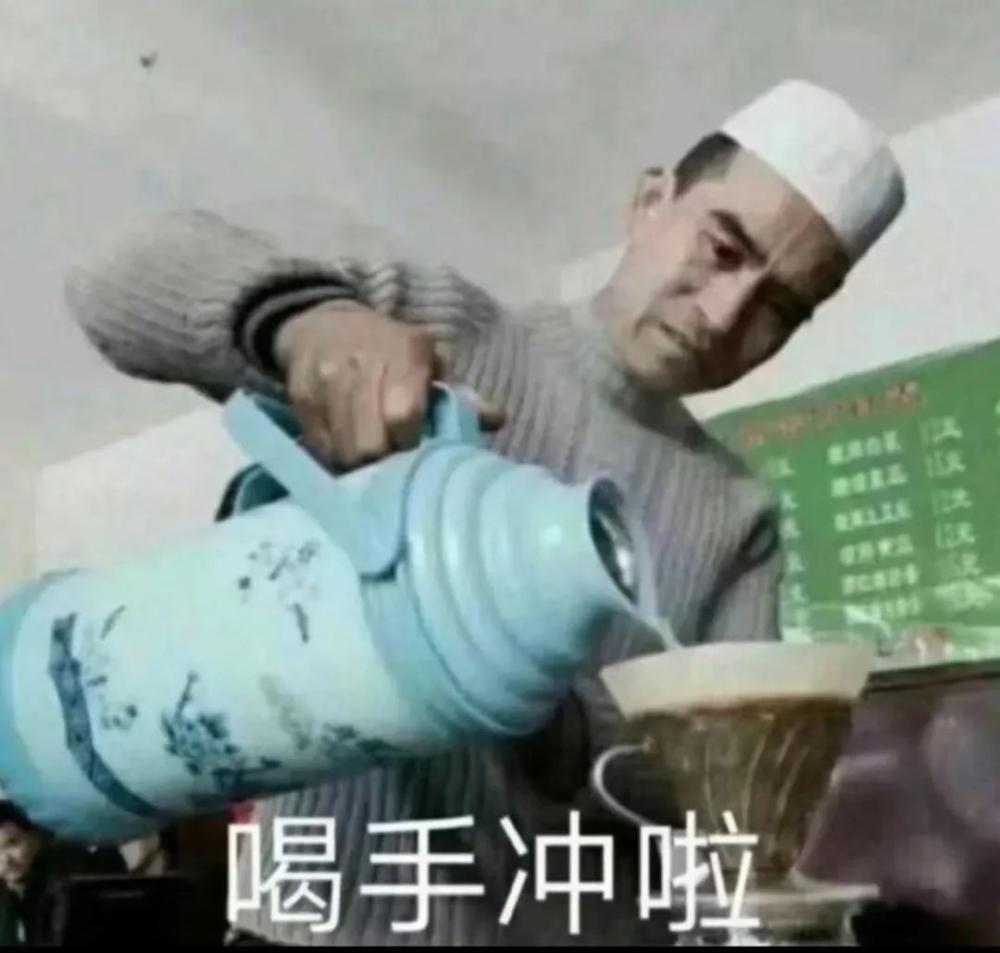
Most people brew drip bag coffee with an ordinary household kettle, and it's easy to pour too much water at once, causing the grounds to overflow. The result is just what the image above shows, and once again you end up with grounds in your mouth with every sip.
4. Using Too Short or Too Small a Cup
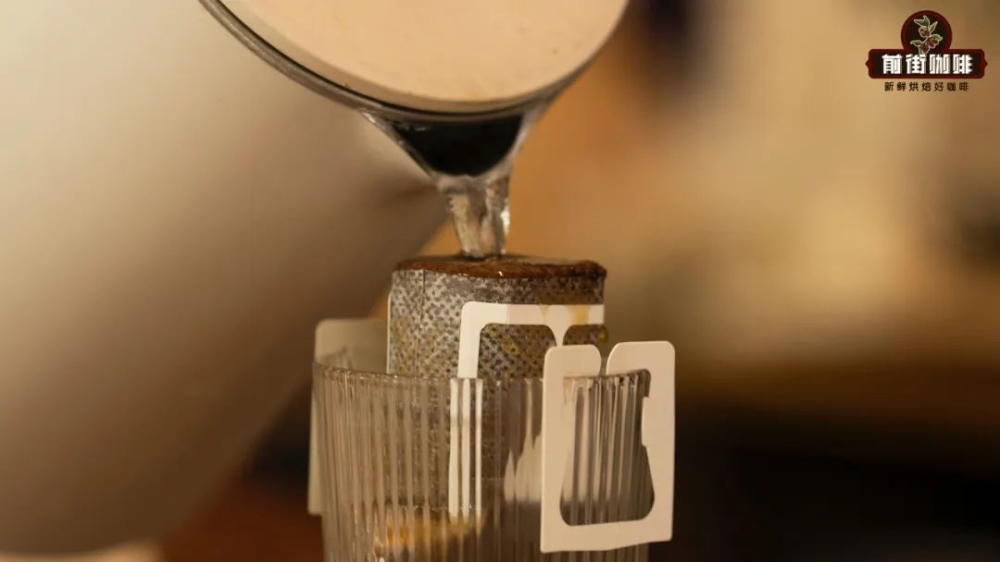
FrontStreet Coffee has written quite a few articles about cups for drip bag coffee. When you use a short cup, the coffee keeps steeping during brewing, which easily pulls out over-extracted, bitter flavors.
How to Properly Brew Drip Bag Coffee
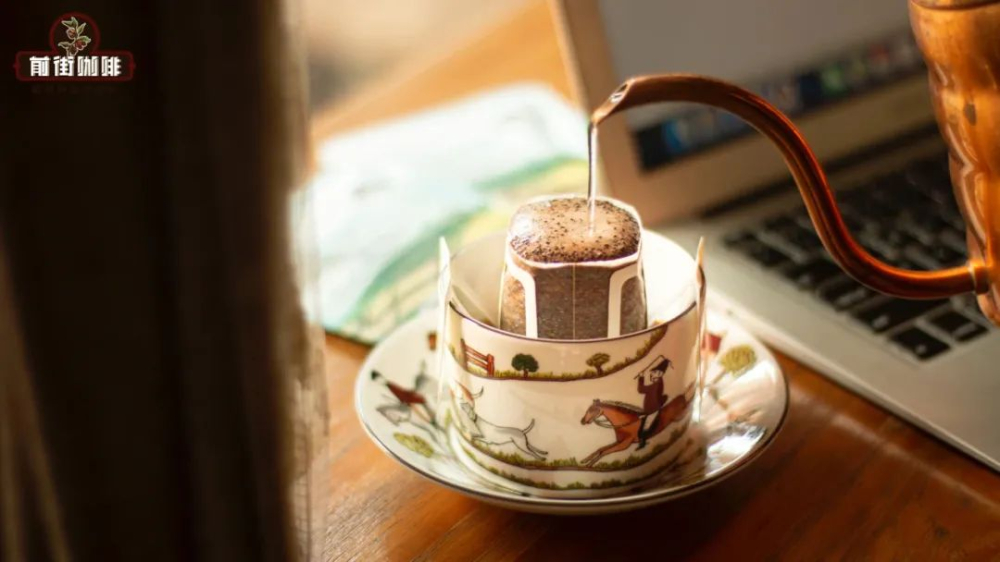
For the simplest, most conventional drip bag method, see the article "How to Simply Brew Drip Bag Coffee?" for the details. Here, FrontStreet Coffee will share the short version: choose a taller container to cut down on steeping extraction, pour the hot water in several small additions so it doesn't carry grounds over the edge, and pick an appropriate water temperature and ratio.
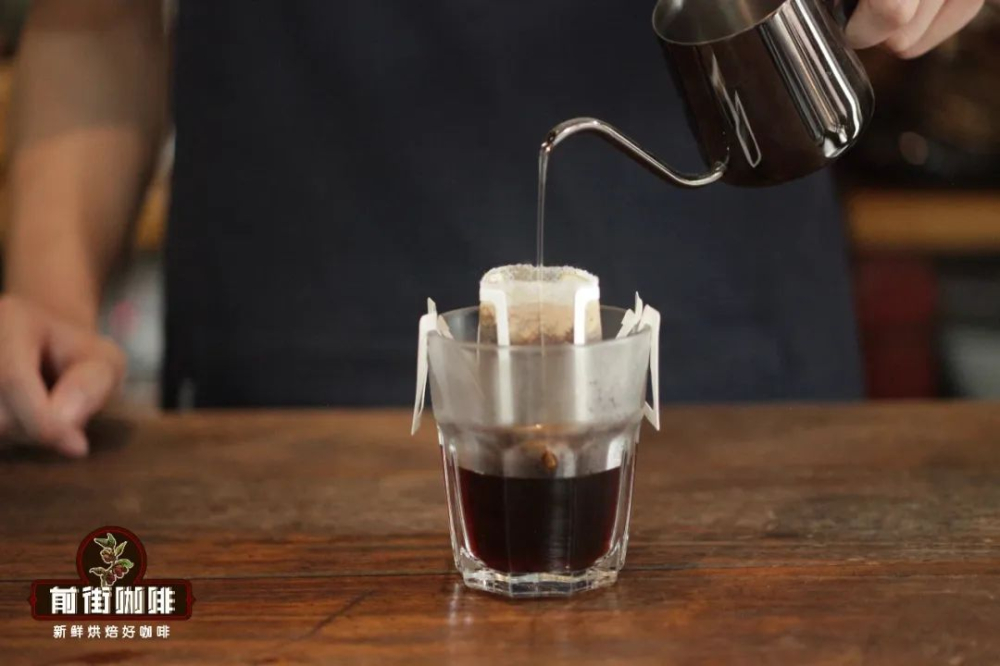
In the end, whether you brew drip-style or steep, making drip bag coffee is certainly not limited to a single method. While you're at it, though, it pays to avoid the habits that produce a negative experience, because only then can you trim away the unpleasant parts of drinking coffee.
FrontStreet Coffee Recommendation
Drip bags use the same lightly roasted, floral-and-fruity single origins that shine in pour-over, so it's worth choosing beans whose flavors survive a slow, gentle extraction. FrontStreet's Gutingding cooperative Yirgacheffe is an excellent starting point: it carries vivid citrus, berry, and floral notes with a green-tea-like sweetness, and its acidity is soft and bright rather than sharp, which makes it easy to enjoy even if you're new to pour-over-style coffee.
If you prefer something sweeter and fruitier, try FrontStreet's Ethiopian Huakui. Its tropical aromatics are very pronounced, with strawberry, passion fruit, jackfruit, and even lychee on the nose, plus obvious sweetness and almost no bitterness, which is why some drinkers call it "the coffee that doesn't taste like coffee." Either bean works beautifully whether you brew a full pour-over or simply fill a drip bag and enjoy it one cup at a time.
Important Notice :
FrontStreet Coffee is a long-established specialty coffee roaster in Guangzhou China, selling freshly roasted beans from its own farm in Yunnan as well as dozens of carefully selected single-origin beans from around the world for both pour-over and espresso. The products deliver consistently excellent quality and great value, with shipping within 24 hours. Guangzhou's FrontStreet Coffee shop is recommended by many coffee lovers, and the beans are now available online at the Tmall 。
FrontStreet Coffee has moved to a new address:
FrontStreet Coffee Address: 315,Donghua East Road,GuangZhou
Tel:020 38364473
 Scan and follow the En Gafei WeChat official account. Please indicate that the reprint comes from "En Gafei".

