Sun-Dried, Washed, Honey Process - All These Coffee Post-Processing Methods Actually Involve Fermentation!!
Understanding Coffee Processing
"Processing" refers to the operations that strip a coffee cherry of everything but the bean itself—transforming fruit into green coffee. It is also one of the most decisive steps in shaping a coffee's final flavor.
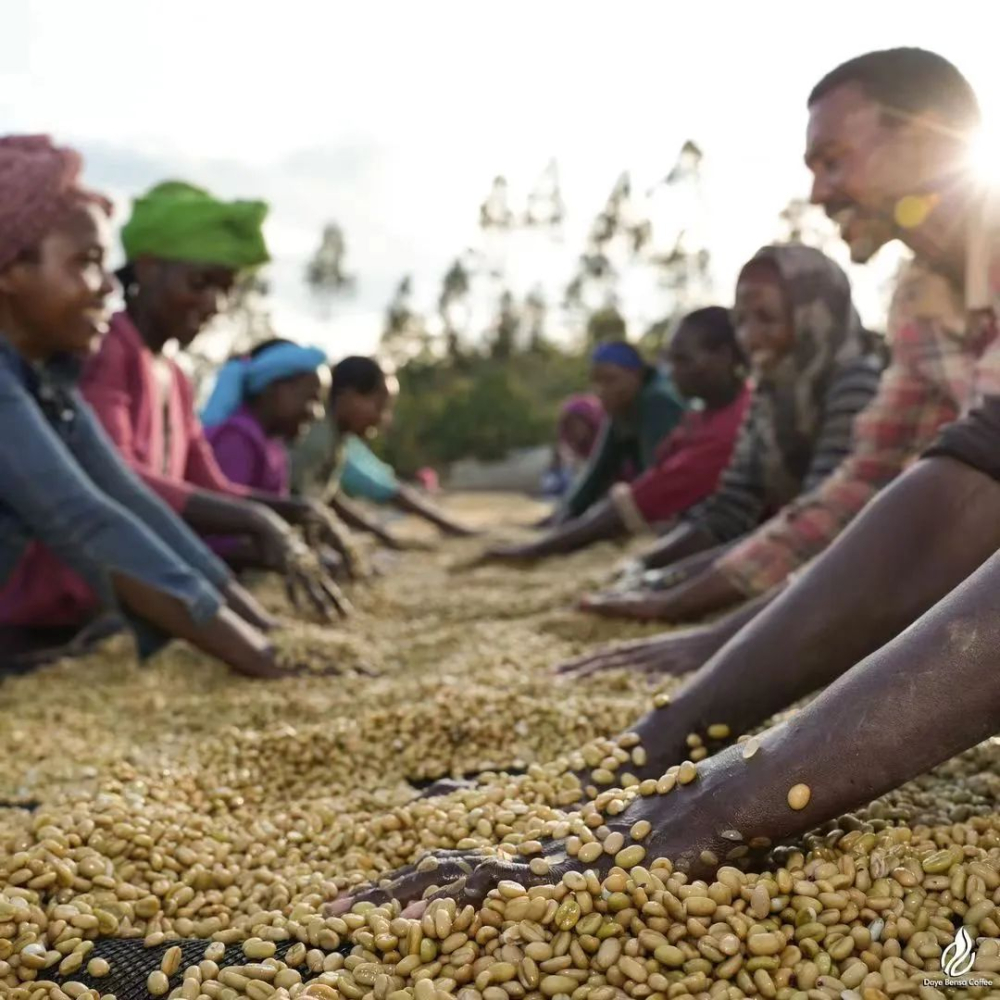
Anaerobic Fermentation Processing
Among today's processing methods, anaerobic fermentation (covering anaerobic fermentation, carbonic maceration, enzyme washing, and the like) has been one of the most controversial in recent years. The fermentation flavors it produces are polarizing—those who love them really love them; those who don't, don't. That split comes down to personal taste. But here is the surprise: anaerobic processing is far from the only method that involves fermentation. The conventional methods—washed, natural, and honey—all rely on fermentation too, to draw more flavor out of the beans. (And to be clear up front: it is not the kind of fermentation you might be imagining!)

What Is Fermentation?
Fermentation is a chemical transformation driven by the life activity of microorganisms, in the presence or absence of oxygen. The substances being transformed are mainly sugars. As fermentation proceeds, the microorganisms generate heat, and the sugars convert into a range of compounds—alcohol and carbon dioxide among them. Technically, fermentation is easy to start: mix sugar with water and the natural change begins. And coffee cherries, conveniently, are packed with moisture and sugar—so the moment a cherry is picked, fermentation has already begun!
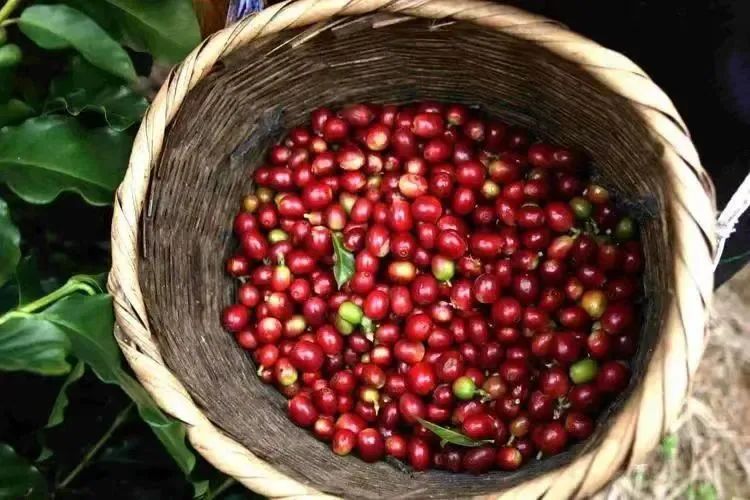
Types of Fermentation
Once cherries are harvested, the processing method chosen determines the kind of fermentation they undergo.
Aerobic Fermentation
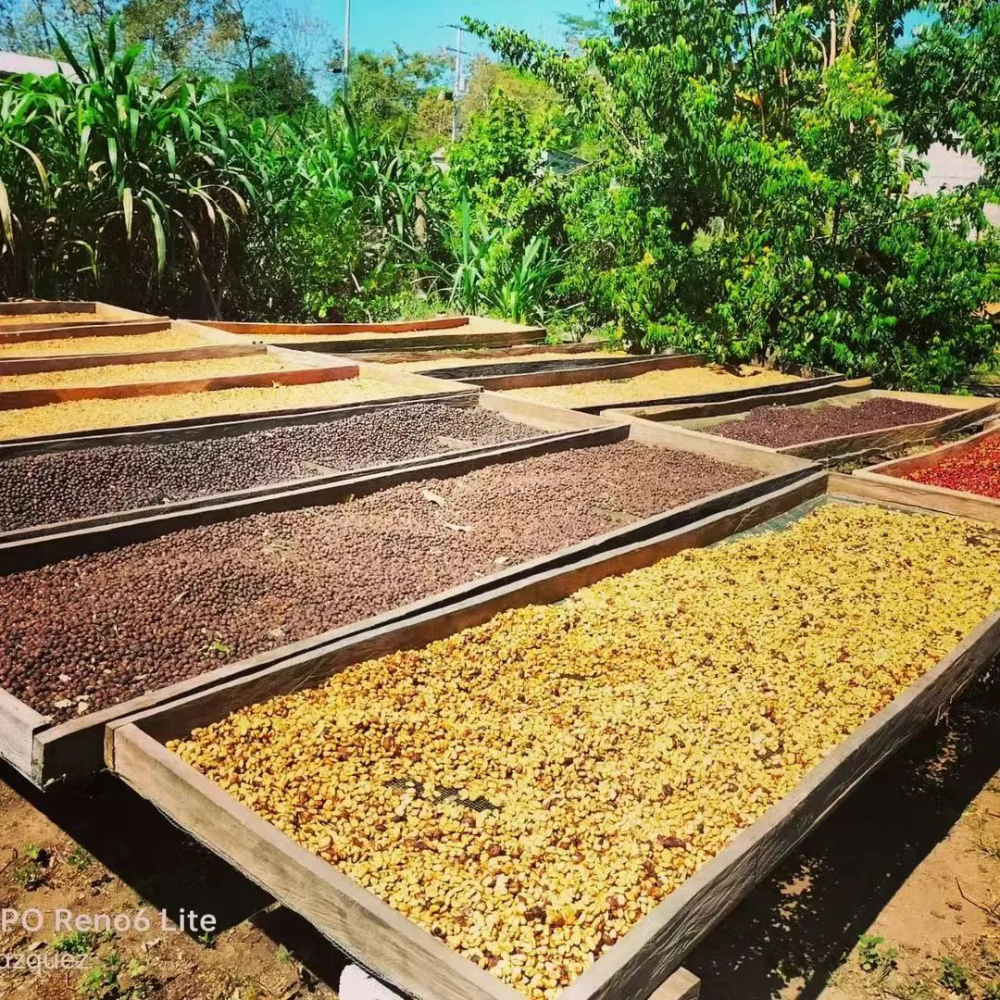
Exactly what it sounds like: fermentation in an oxygen-rich environment. Conventional methods such as natural and honey processing, which expose the cherries or beans to open air for extended periods, fall into this category.
Anaerobic Fermentation
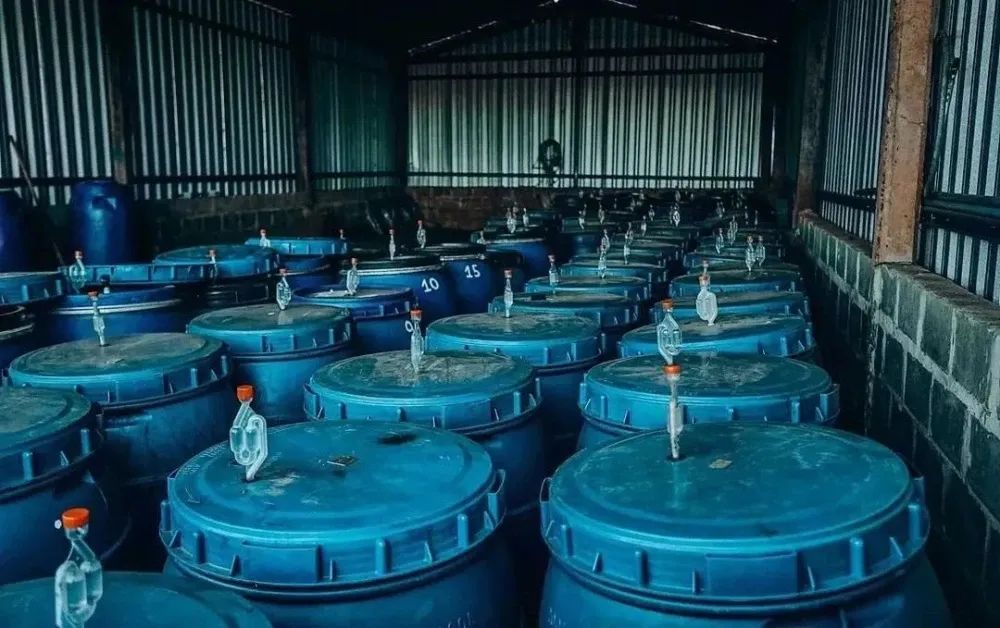
Also straightforward: the beans are immersed in containers filled with liquid, letting the microorganisms on the beans emerge and ferment.

Alternatively, the beans can be sealed in airtight barrels with the oxygen removed, creating an anaerobic space for fermentation. This approach demands strict control of every fermentation variable—over-fermentation lurks one misstep away.
How Fermentation Affects Coffee
Fermentation is a complex process that can unlock very different potentials in a bean. Each processing method carries its own fermentation duration and intensity. Done correctly, fermentation elevates quality and adds rich layers. Done poorly—under- or over-fermented—it inflicts irreversible damage: mustiness, rotten fruit, chemical taints, and other negative flavors that are hard to swallow.
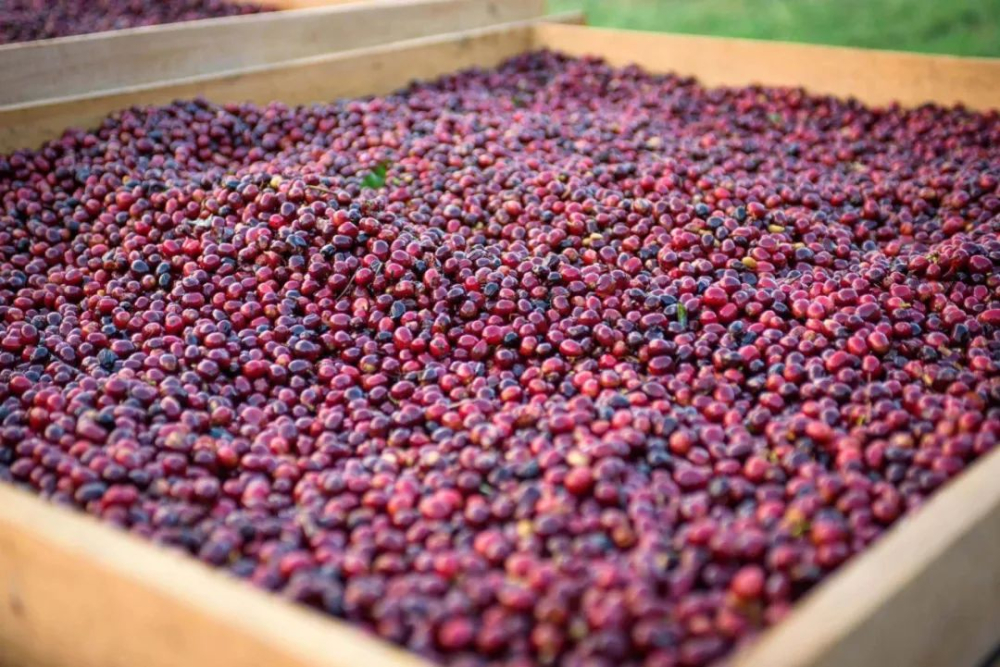
Duration and intensity steer the flavor direction. Long fermentations—natural and honey processing—bring fruity fermentation notes like dried fruit, preserved fruit, and fruit wine, deepening the cup's layers. Short, gentle fermentations—washed processing—deliver bright acidity and a very clean profile; they ferment more evenly, are easier to control, and far less likely to produce muddled, unpleasant flavors.

FrontStreet Coffee Recommendation
If this tour of honey and fermentation has whetted your appetite, three honey-processed picks from the FrontStreet Coffee shelf:
FrontStreet Costa Rica Blackberry — A black-honey coffee: nearly all the mucilage is left on the bean, and drying stretches past two weeks under shade covers so the sun cannot dry the fruit too fast, with regular turning to prevent uneven heating and over-fermentation. Roasted medium-light, it grinds up with intense fresh floral aroma and brews into grape, berry, and ripe blackberry.
FrontStreet Strawberry Candy Geisha Blend — A blend of Panama Geisha and Costa Rican coffee: the Geisha contributes its classic orange blossom and honeyed sweetness, while the Costa Rican component uses raisin honey processing that retains 100% of the mucilage with zero water. Harvested cherries are floated to sort out under- or over-ripe fruit, dried at least three days on raised beds, then depulped with the mucilage kept for drying, turned constantly for evenness. The cup offers Geisha tea-like florals plus raisin and dried blueberry, a soft fruit acidity, an almond finish, and clear sweetness.
FrontStreet Costa Rica Mozart — An innovative raisin honey process that pre-dries the whole cherries on raised beds for at least three days before depulping and continuing the honey steps—harder to execute than even black honey, since 100% of the mucilage must be kept while timing is controlled to the letter. The reward is a richer warmth of stewed-fruit sweetness: osmanthus, pineapple, and raisin, whether you brew it as pour-over, cold brew, or in a moka pot.
Important Notice :
FrontStreet Coffee is a long-established specialty coffee roaster in Guangzhou China, selling freshly roasted beans from its own farm in Yunnan as well as dozens of carefully selected single-origin beans from around the world for both pour-over and espresso. The products deliver consistently excellent quality and great value, with shipping within 24 hours. Guangzhou's FrontStreet Coffee shop is recommended by many coffee lovers, and the beans are now available online at the Tmall 。
FrontStreet Coffee has moved to a new address:
FrontStreet Coffee Address: 315,Donghua East Road,GuangZhou
Tel:020 38364473
 Scan and follow the En Gafei WeChat official account. Please indicate that the reprint comes from "En Gafei".