
How Do Coffee Beans Go From Seed to Cup?

Have you ever wondered, as we at FrontStreet Coffee often do, where the coffee in your cup actually comes from? Today we would like to walk you through the remarkable journey a coffee bean takes.

Coffee Cultivation
The beans we know so well are, in fact, the seeds inside a coffee cherry. To end up with beans at all, the first step is to grow coffee trees from those seeds.
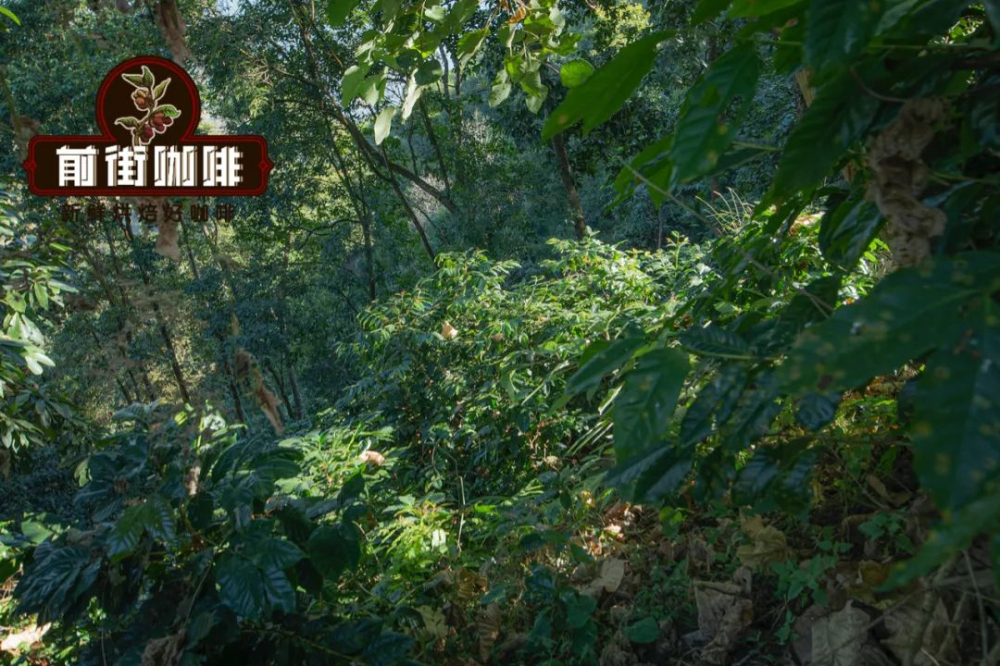
Take Arabica as an example. It needs temperatures of 20-28°C, annual rainfall of 1,500-2,000 mm timed to match the tree's flowering cycle, and an altitude of 800-2,000 meters. Fertile soil, good drainage, and plenty of indirect sunlight all have to come together before the tree can produce genuinely high-quality coffee.
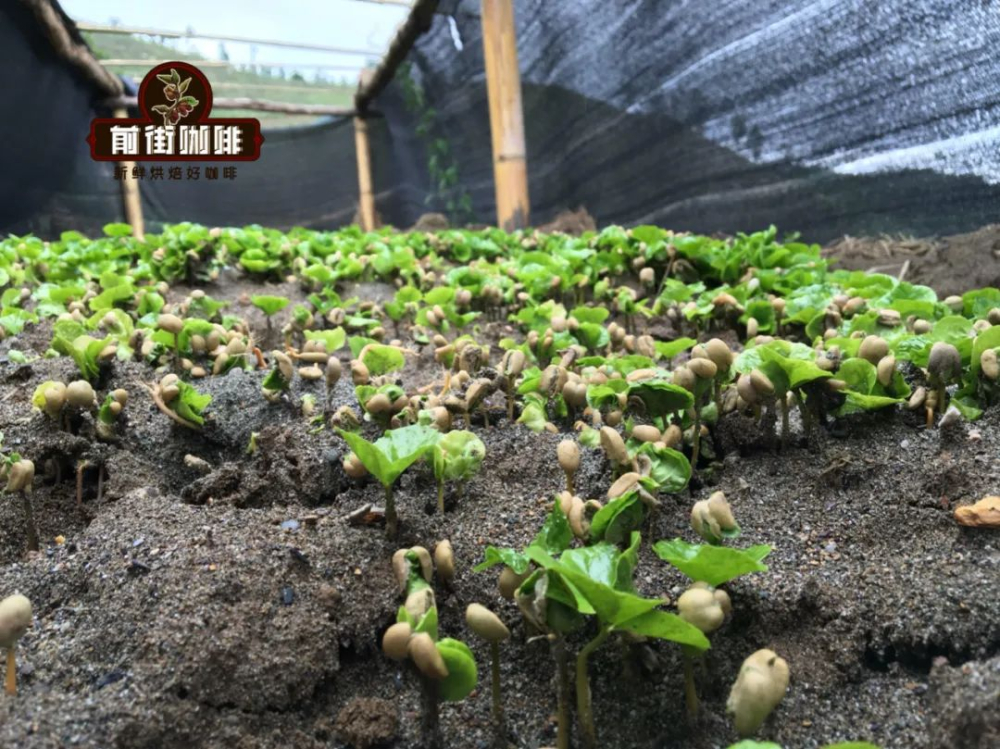
Once a suitable plot is chosen, the seeds are raised and germinated in a nursery before being transplanted into the ground. The steps sound simple, but carrying them out well takes enormous effort and care. A coffee tree generally needs 2-3 years to flower and bear fruit, and its productive life spans roughly 15-20 years. When a tree's yield finally runs out, the whole process has to begin again.
Harvesting the Fruit
As the coffee tree flowers and sets fruit, the cherries gradually shift from green to bright red or deep red as they ripen. At that point the ripe cherries must be picked. Depending on growing conditions and local circumstances, growers choose different harvesting methods, generally split between manual and mechanical picking.

Manual Harvesting
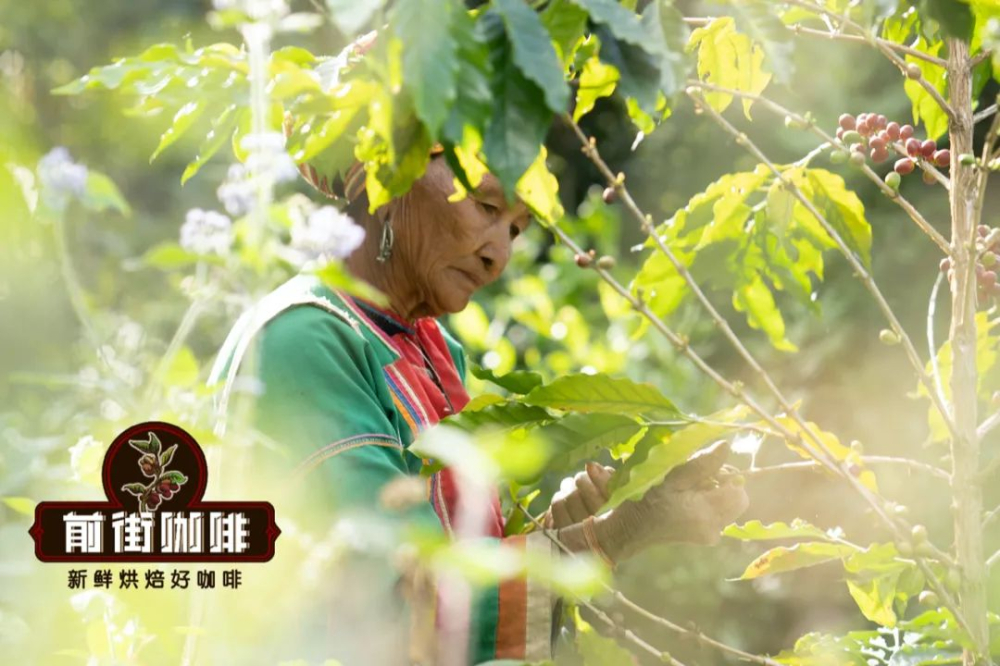
Manual harvesting usually takes one of two forms. The first has workers moving back and forth through the plantation, selectively picking only the ripest cherries, which we call fully red cherries. It is slow, labor-intensive, and expensive in terms of manpower, but it guarantees the quality of the fruit.
The second is strip picking: running a hand down a laden branch and pulling every cherry off in one motion. It is faster than selective picking, but it inevitably brings along some unripe fruit, which has to be sorted out later.
Mechanical Harvesting
Mechanical harvesting also comes in two forms. The first uses smaller handheld machines, rod-shaped with a large vibrator at the tip. They shake the fruiting branches so that the cherries drop into burlap bags laid out underneath.
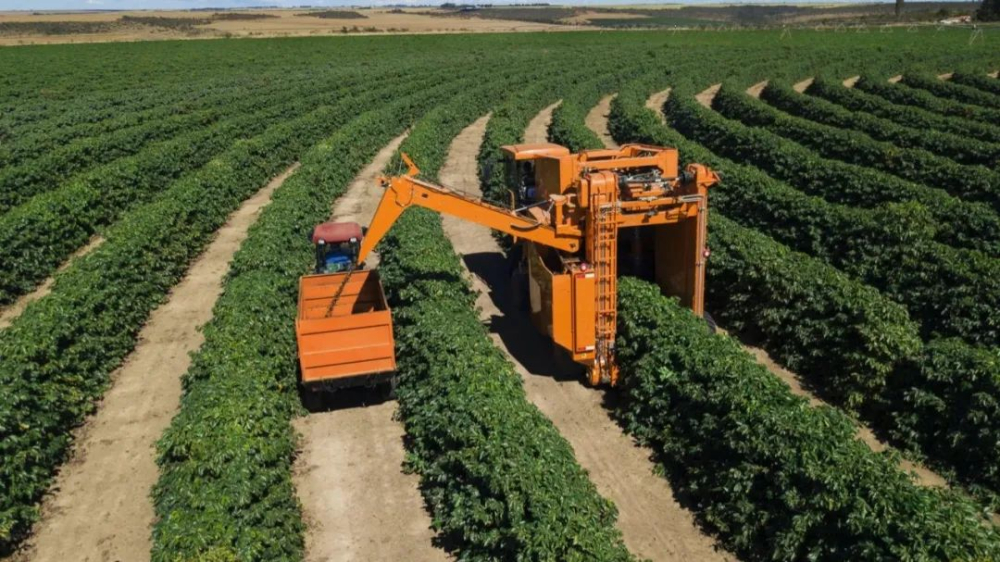
The second is a fully mechanized stripping machine: workers drive through the farm while rotating, vibrating rods on the vehicle knock the cherries loose, and a system of trays and pipes carries them into a dedicated storage vehicle. This approach places considerable demands on the scale and terrain of the plantation, works best on large flat areas, and is most commonly seen on the big coffee estates of Brazil.
Post-Harvest Processing
After harvesting, the cherries have to go through a series of steps before they become what we call green coffee beans. Processing removes the outer skin, the pulp, the mucilage, the parchment, and the silver skin to expose the green bean at the center. The industry calls this sequence the primary processing of green coffee, or simply the processing method.
Take the most traditional approach, natural processing. As the name suggests, it means spreading the whole cherries out on the ground or on raised drying beds to dry in the sun. The layer is generally no more than 2-3 cm thick, and the cherries have to be turned constantly so they dry evenly.
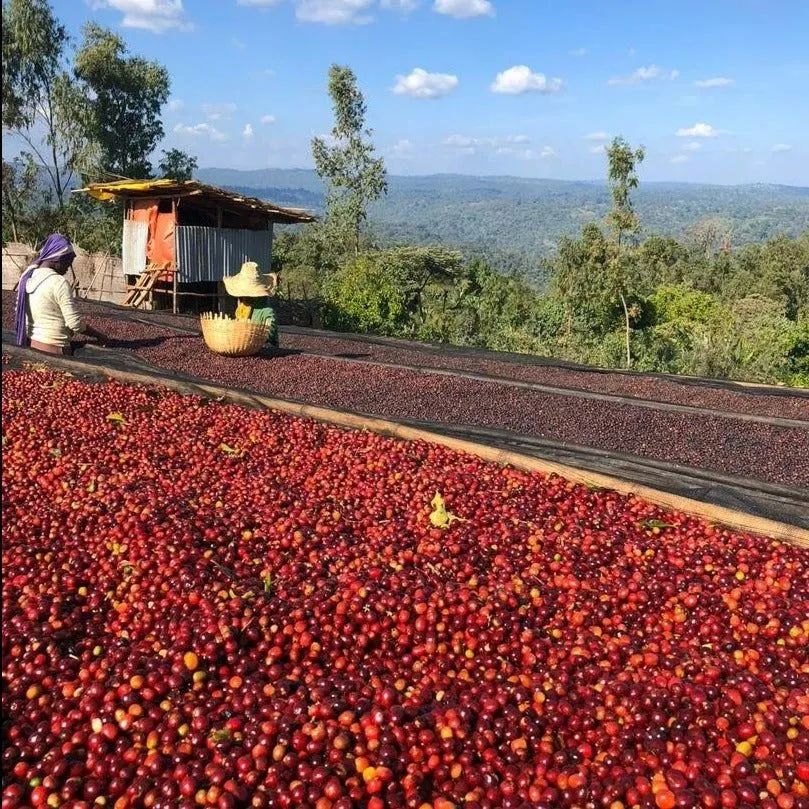
Once drying is complete, the cherries go to a mill to have the fruit skin and pulp removed, but the dried, hardened parchment is usually left on until the green coffee is ready to be sold and shipped, at which point it is hulled.
Packaging and Transportation
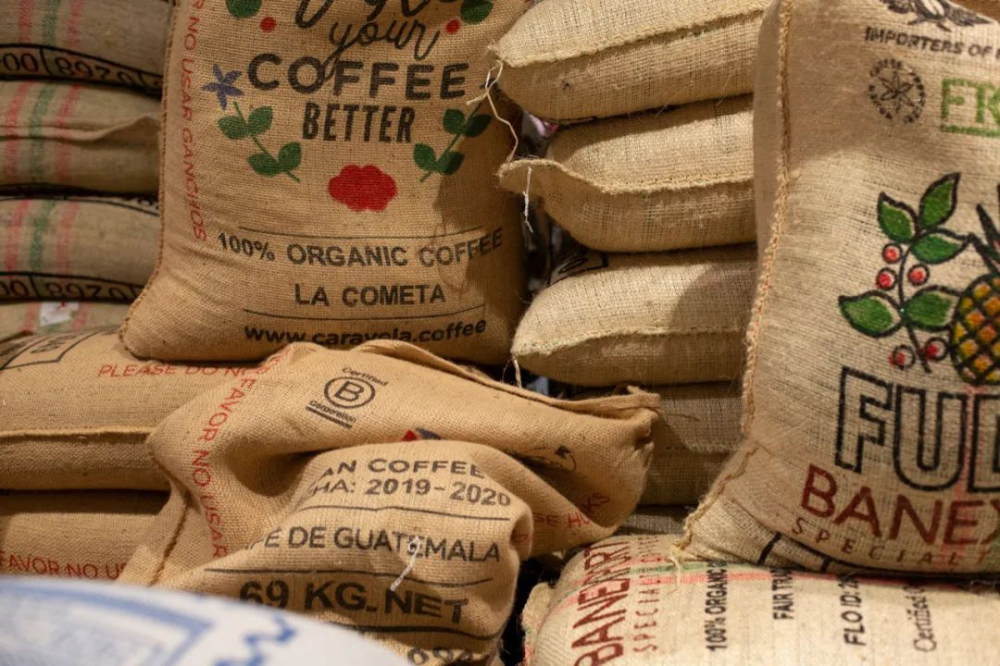
After drying and processing, the green beans are graded and packed into burlap bags. These bags usually carry the bean's origin, such as the country, estate, processing method, and grade, before being containerized for export. Some estates, however, choose vacuum packaging and direct air freight, as Panama's Hacienda La Esmeralda does.
Roasting
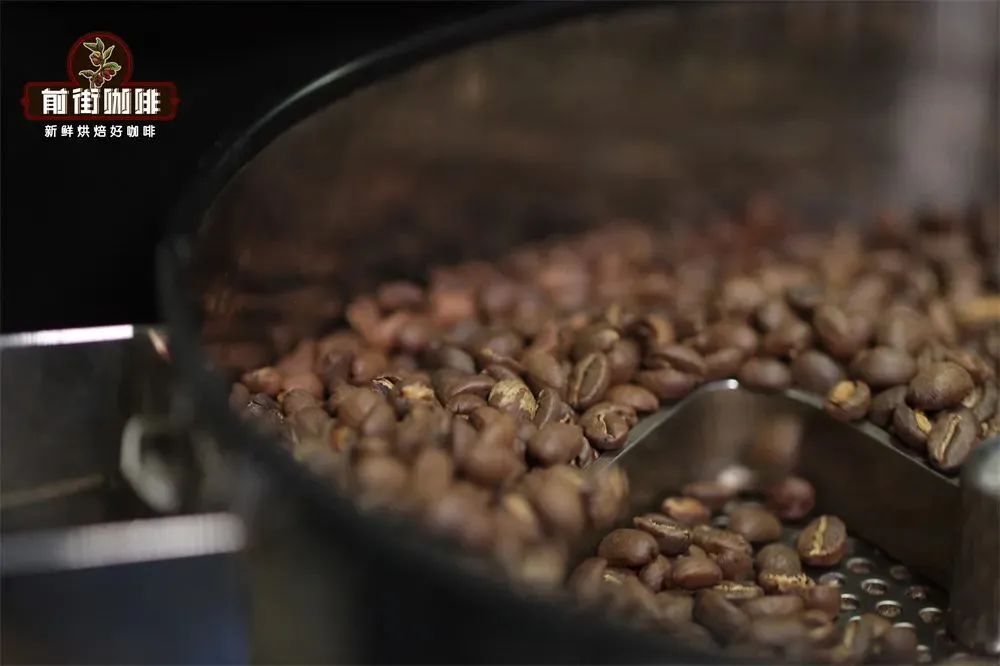
Before they become the coffee we recognize, the beans must pass through the crucial stage of roasting, the transformation from green to roasted coffee. During roasting, Maillard reactions and caramelization take place, as organic acids and other compounds in the green bean break down and recombine into sweet polysaccharides and into volatile or water-soluble compounds. The roasted coffee develops complex aromas of nuts, chocolate, berries, and more, depending on the bean's processing method and roast level.
Grinding
Coffee beans are oval, so unlike tea leaves they cannot simply be steeped whole. They must be ground into a uniform powder so that water can extract them evenly. Different brewing tools, methods, and flavor goals call for different grind sizes.
Everyday drinks built on espresso, such as Americanos and lattes, need a grind close to the texture of flour, while pour-over coffee calls for grounds closer to the texture of raw sugar. (Note: depending on your brewing needs, even the same tools and beans can call for subtle differences, so each case deserves its own analysis.)

Extraction
Finally we reach the last step before coffee meets the cup and the palate: extraction.
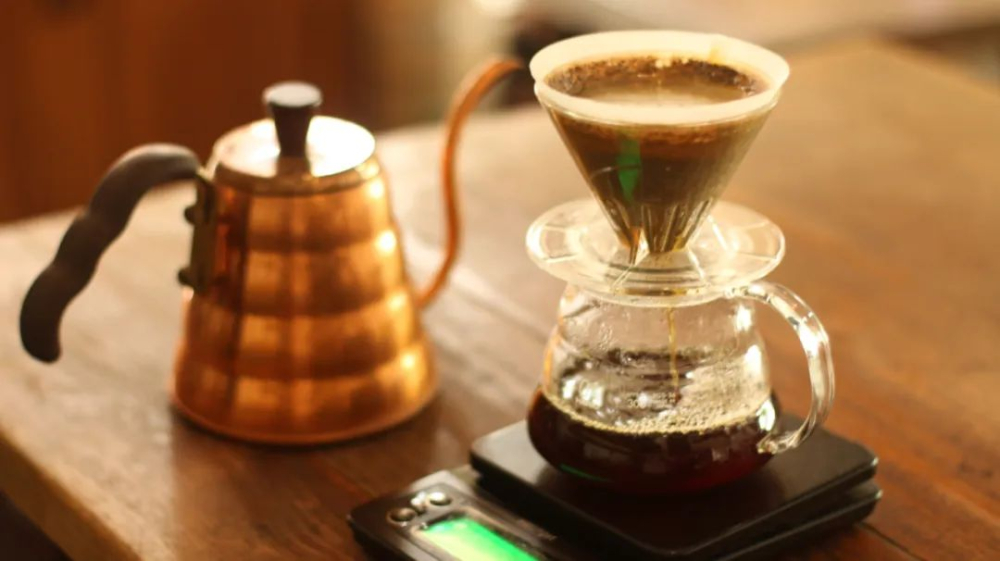
That includes, but is not limited to, high-temperature, high-pressure extraction with an espresso machine; pour-over drip extraction; and long, low-temperature extraction in the refrigerator. We will not walk through every last brewing method here. What matters most is ending up with delicious coffee, and you should never feel limited by the tools you happen to have on hand.
Cultivation, careful harvesting, post-harvest processing, packaging and transport, roasting, grinding, and extraction.
That is the general route to a delicious cup, and the "life journey" of most coffee beans: wonderful and rich.
- END -

FrontStreet Coffee Recommendation
If this journey through origin, harvest, and processing has sparked your curiosity, the best next step is to taste the results. FrontStreet Coffee's Huakui is a natural-processed Ethiopian single origin whose whole cherries dried with skin and pulp intact, giving it a soft florality layered with strawberry, mango, jackfruit, citrus, and blueberry notes; it was the very bean that won first place at that year's TOH green bean competition.
For the clean, washed side of that same origin, try FrontStreet Coffee Yirgacheffe Gordin Cooperative, an Ethiopia G1 grade washed coffee with elegant white florals and a bright citrus and orange profile touched with green tea. To experience how variety and terroir shape a cup at the highest level, FrontStreet Coffee Panama Red Label Geisha from Hacienda La Esmeralda shows jasmine, citrus, peach, and complex fruit acidity with a creamy body and an oolong tea sweetness on the finish.
Important Notice :
FrontStreet Coffee is a long-established specialty coffee roaster in Guangzhou China, selling freshly roasted beans from its own farm in Yunnan as well as dozens of carefully selected single-origin beans from around the world for both pour-over and espresso. The products deliver consistently excellent quality and great value, with shipping within 24 hours. Guangzhou's FrontStreet Coffee shop is recommended by many coffee lovers, and the beans are now available online at the Tmall 。
FrontStreet Coffee has moved to a new address:
FrontStreet Coffee Address: 315,Donghua East Road,GuangZhou
Tel:020 38364473
 Scan and follow the En Gafei WeChat official account. Please indicate that the reprint comes from "En Gafei".

