
How to Appreciate Pour-Over Coffee? A Guide to Tasting Aroma, Flavor, and Mouthfeel
At FrontStreet Coffee, whenever business slows down, we like to set out a few popular single-origin pour-overs for our customers to try. Most of them drink espresso day in and day out, so a sudden cup of something different tends to catch them off guard. They watch someone else sip with obvious delight, take a cautious mouthful themselves, and then ask, a little puzzled: "So how am I actually supposed to appreciate this?"
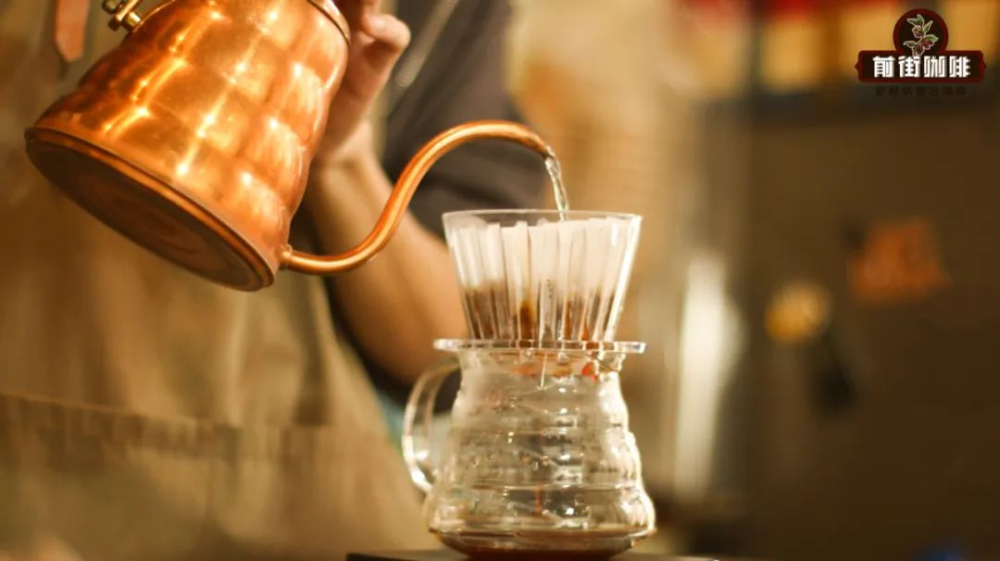
It is a fair question. Next to espresso, pour-over rarely delivers such a blunt, immediate flavor, and learning to read a cup is not quite as simple as it looks. So today FrontStreet Coffee would like to walk through the different dimensions of appreciating pour-over coffee.
Aroma: Perceiving the Volatile Compounds
The moment coffee is ground, the first thing we notice is the aroma filling the air, and that impression comes from volatile compounds as they are released. Aroma also arrives in a sequence governed by molecular weight. Light molecules tend to register first, so we pick up floral and fruity notes; medium-weight aromas such as hazelnut, almond, and cream follow; and the heavier compounds come last, bringing roast tones and pine resin.
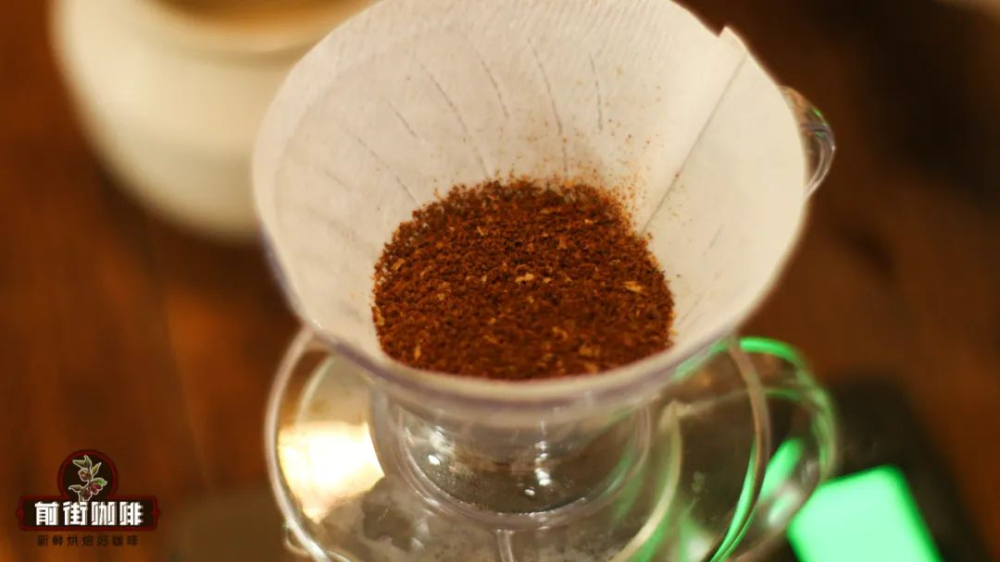
Of course, not every coffee shows all of them. The heavy, high-molecular-weight aromas, for instance, usually appear only in dark-roasted beans. The point is simply that as we grind, the release follows this order. The dry fragrance of the grounds, the wet aroma during brewing, and the scent that lingers after the brew is finished are all aromatic moments worth noticing. That makes smelling the aroma the first step in appreciating a pour-over.
Flavor: Perceiving the Water-Soluble Compounds
After smelling comes tasting. Once the coffee is in your mouth, the flavors you can detect come from the water-soluble compounds dissolved in it. Sour, sweet, bitter, and salty are the four basic tastes coffee can offer. It is worth remembering, though, that the tongue registers only these basic tastes. When we start associating them with specific things, the primary source is not the taste data sent to the brain.
Whether it is the citrus notes we wrote about earlier or a white-floral aroma, those are not actually perceived by drinking alone. Instead, once coffee enters the mouth and is acted on by saliva, aromatic molecules hidden in the coffee oils are released. These vaporized molecules are picked up through retronasal olfaction, and when the olfactory system detects them it relays the information to the brain. The brain then combines the sour, sweet, bitter, and salty signals in the mouth and searches its "memory bank" for something similar, which is how we come to perceive them. This brain-matching process is exactly what people enjoy most when tasting a pour-over, and it is how the flavors of the cup come alive.
Mouthfeel: Perceiving the Insoluble Compounds
Beyond flavor, there is the mouthfeel the coffee provides. As the name suggests, this is the tactile sensation the liquid leaves in the mouth. Its main contributors are the insoluble compounds in the coffee, such as oils and coffee fibers, which build mouthfeel and body.
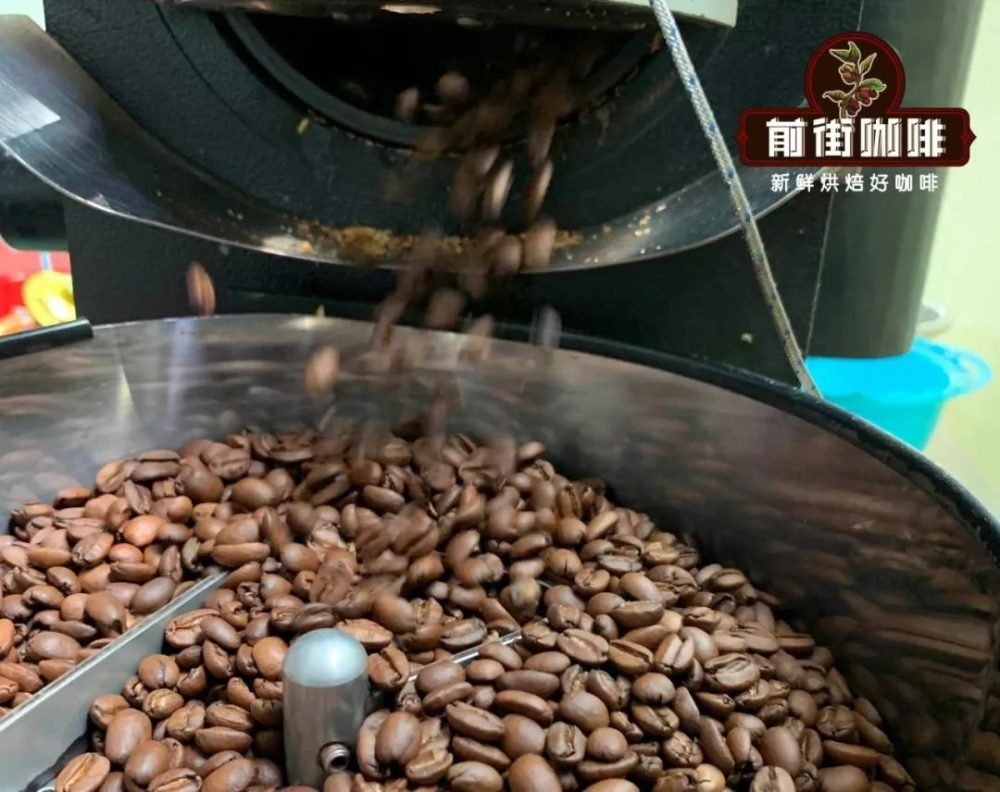
The key words for mouthfeel include full-bodied, thin, smooth, and astringent. These qualities can be shifted not only by brewing method but also by roast level. The lighter the roast, the fewer the oils, so the coffee tastes comparatively lighter; the darker the roast, the more oils, so the coffee feels smoother.
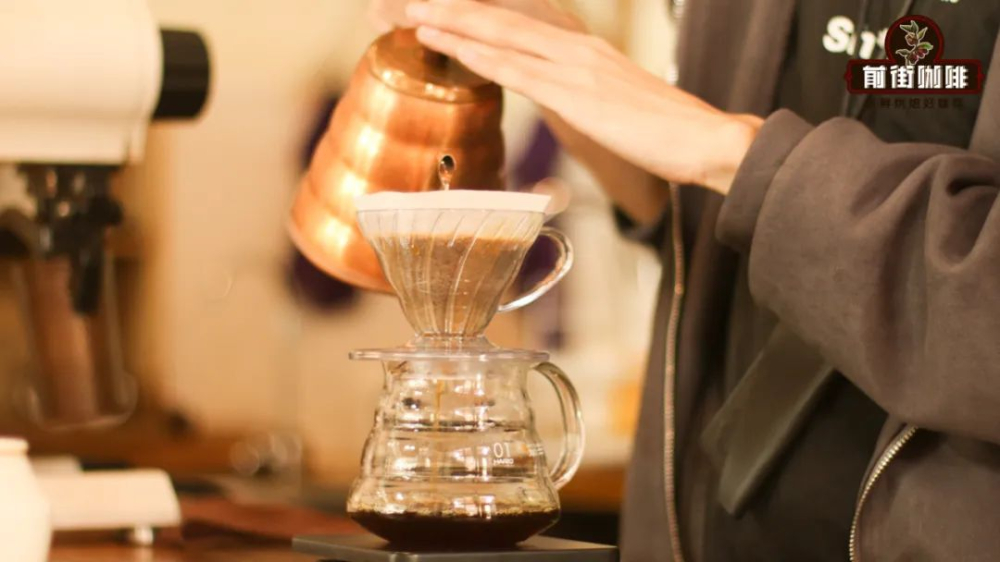
Full-bodied and thin are easier to grasp this way: when the coffee holds more compounds, there is a certain weight pressing on the tip of the tongue, and that is fullness; when it holds too few, you get a series of thin sensations such as "watery" or "hollow." Astringency, which we usually describe as the rough feeling opposite to smoothness, comes mainly from the degradation of chlorogenic acids during roasting. That has a great deal to do with the quality of the green beans. When a coffee is of excellent quality it tastes good however you brew it, but when quality is compromised it produces these distinctive, and often unpleasant, experiences. Under-roasting can cause the same problem, so it pays to distinguish between the two carefully.
That covers the appreciation of pour-over coffee. Rather than rushing to name the specific flavors in the cup, start by understanding how to drink it and what you are mainly tasting, and only then move on to identifying flavors. For beginners especially, this approach makes it faster to understand what a coffee is actually offering, and it leads to a more efficient way of pinpointing flavors.
- END -
FrontStreet Coffee
No. 10, Bao'an Qianjie, Yandun Road, Dongshankou, Yuexiu District, Guangzhou, Guangdong Province

FrontStreet Coffee Recommendation
For pourover, the filter rarely matters as much as the bean. The classic Hario V60, whose conical 60-degree shape and single large hole first reached the market in 2005 after a 2004 redesign, rewards a steady hand with vivid, well-layered cups, and it suits refined, aromatic coffees best. FrontStreet's Yirgacheffe Gudingding is an easy starting point, with its bright citrus, berry, and floral notes and a green-tea sweetness that even beginners find approachable. If you want the intensity turned up, FrontStreet Ethiopia Huakui is famous for its explosive tropical fruit, from strawberry and passion fruit to jackfruit and lychee, with low bitterness and a juicy, smooth body.
For a cleaner, more structured profile, try FrontStreet Kenya Cherry Tomato, a washed Kenyan from the Nyeri growing belt planted at 1,550-1,750 meters with the classic SL28 and SL34 varieties and a 72-hour double-washed fermentation. It shows sun-dried tomato, smoked plum, and a bright, solid acidity, with pear and black plum in the middle and a clean, long finish of brown sugar and light green tea. And when the mood turns to comfort, FrontStreet PWN Golden Mandheling, deep-roasted and low in acidity, delivers a thick, lingering body full of herbal and dark chocolate notes with a faint earthy edge.
For anyone starting out, the simplest rule is to match roast to taste: light and medium-light beans for floral, fruity pour-overs, and darker beans such as Golden Mandheling or Jamaica Blue Mountain No. 1 when you want body and a rounded balance of sweetness, bitterness, and aroma.
Important Notice :
FrontStreet Coffee is a long-established specialty coffee roaster in Guangzhou China, selling freshly roasted beans from its own farm in Yunnan as well as dozens of carefully selected single-origin beans from around the world for both pour-over and espresso. The products deliver consistently excellent quality and great value, with shipping within 24 hours. Guangzhou's FrontStreet Coffee shop is recommended by many coffee lovers, and the beans are now available online at the Tmall 。
FrontStreet Coffee has moved to a new address:
FrontStreet Coffee Address: 315,Donghua East Road,GuangZhou
Tel:020 38364473
 Scan and follow the En Gafei WeChat official account. Please indicate that the reprint comes from "En Gafei".

