
Tanzanian Coffee Development, Coffee Varieties, SL28, Geisha Varieties, Kilimanjaro Coffee Introduction
Tanzania sits in eastern Africa, bordering Kenya, Uganda, Zambia, Rwanda, and Burundi. The eastern coast and inland lowlands have a tropical savanna climate, while the western inland plateau enjoys a tropical highland climate.
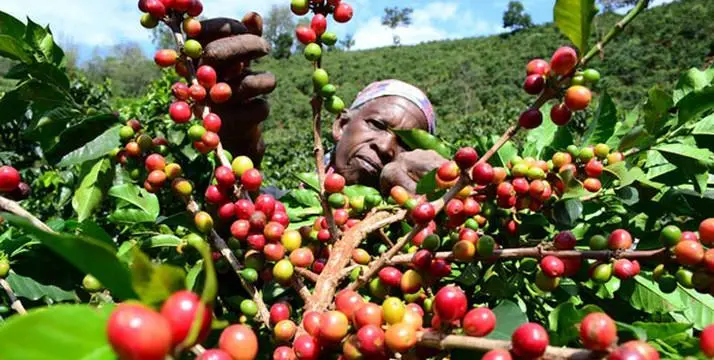
According to some coffee histories, coffee reached Tanzania from Ethiopia in the 16th century, and by the German colonial period it was already an established economic crop. Today the country cultivates Typica, Bourbon, Kents, and its own independently developed disease- and drought-resistant varieties. The Tanzanian Coffee Research Institute (TaCRI), established and operating since 2001, is a non-profit founded to revitalize the country's coffee industry. It provides essential public services to stakeholders across the sector — raising productivity and quality while improving growers' profitability and Tanzania's competitiveness in the global market.
Tanzania has contributed a great deal to coffee, particularly in crop improvement research. To date, TaCRI has released 23 improved varieties: 19 Arabica hybrids and 4 Robusta. Among them is KP423.

KP423: A Tanzanian Variety
KP423 is one of Tanzania's releases, selected from the Kent variety. Kent is a Typica hybrid discovered in 1911 at the Kent coffee plantation in India's Mysore region, a cross of S288 and Typica, prized for high yields and leaf rust resistance. It was accordingly introduced to Kenya, Indonesia, Tanzania, and other parts of East Africa. In the 1920s, Kent went through an intensive selection program at Tanzania's Lyamungu research station, and KP423 was released there in the 1940s before being sent to Uganda, where it became an important variety in the Arabica zones. Its leaf rust resistance has since broken down, however.
Tanzania's Connection to SL28
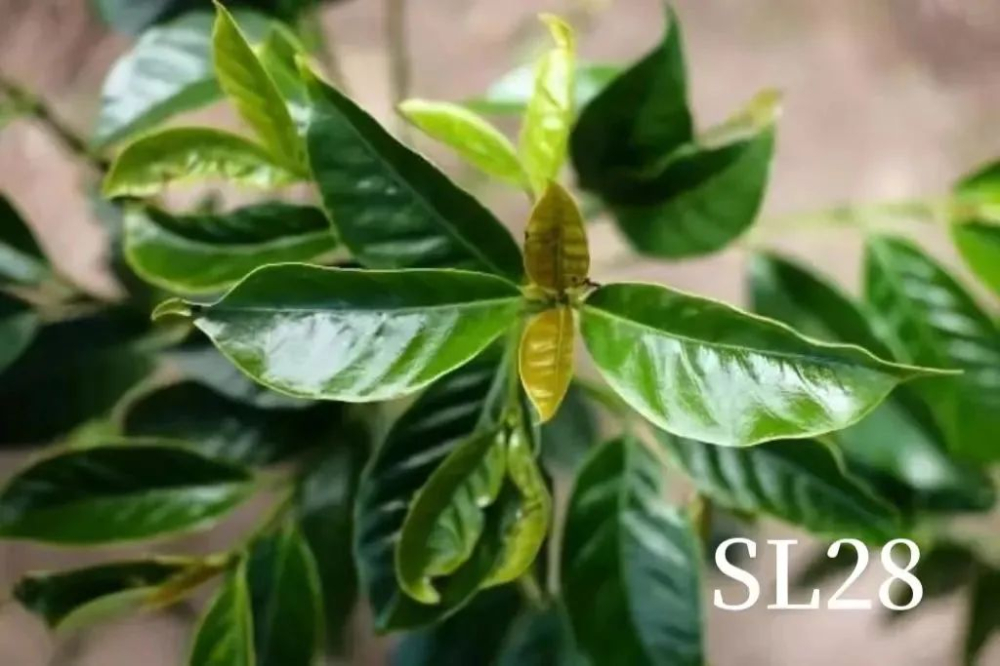
Kenya's celebrated SL28 also has Tanzanian roots. SL28 is a single variety selected and released by Scott Laboratories — today the National Agricultural Laboratories of Kenya (NARL). In 1935, senior coffee officials from Scott Laboratories collected a single tree from a drought-resistant population in Tanganyika (now Tanzania) and brought it back for study. SL28 is a descendant of that very tree.
The Tanzanian Connection to Panama Geisha
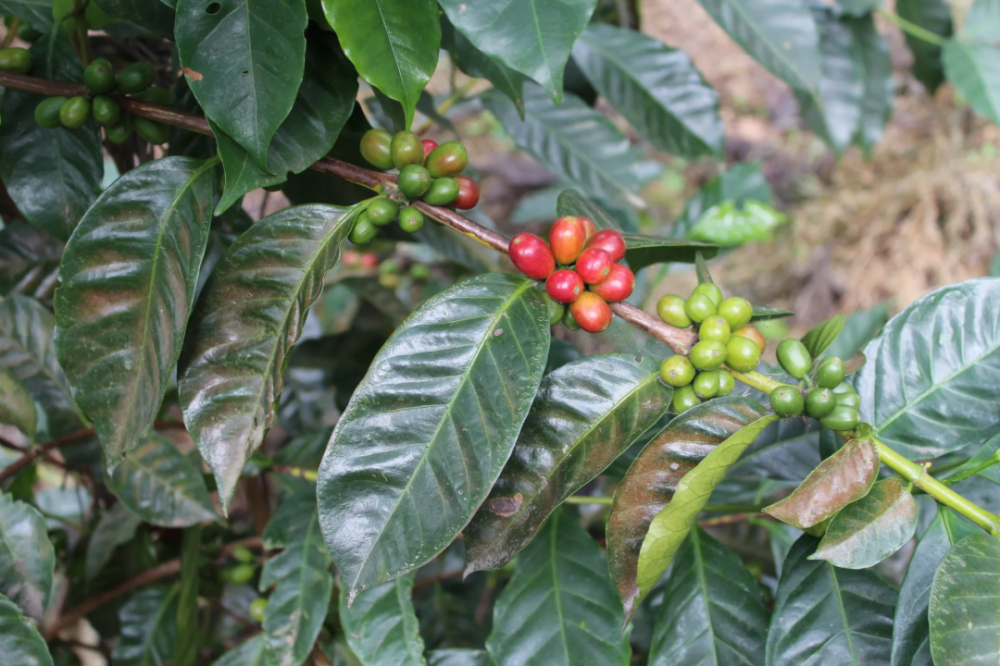
Even Panama Geisha's fame traces back through Tanzania. The Geisha variety was collected from Ethiopia's coffee forests in the 1930s, sent to Tanzania's Lyamungu research station, and then moved in 1953 to Costa Rica's Centro Agronómico Tropical de Investigación y Enseñanza (CATIE), where it was recorded as T2722. Once recognized as resistant to coffee leaf rust, it was distributed across Panama through CATIE in the 1960s.
FrontStreet Coffee's Tanzanian Offering
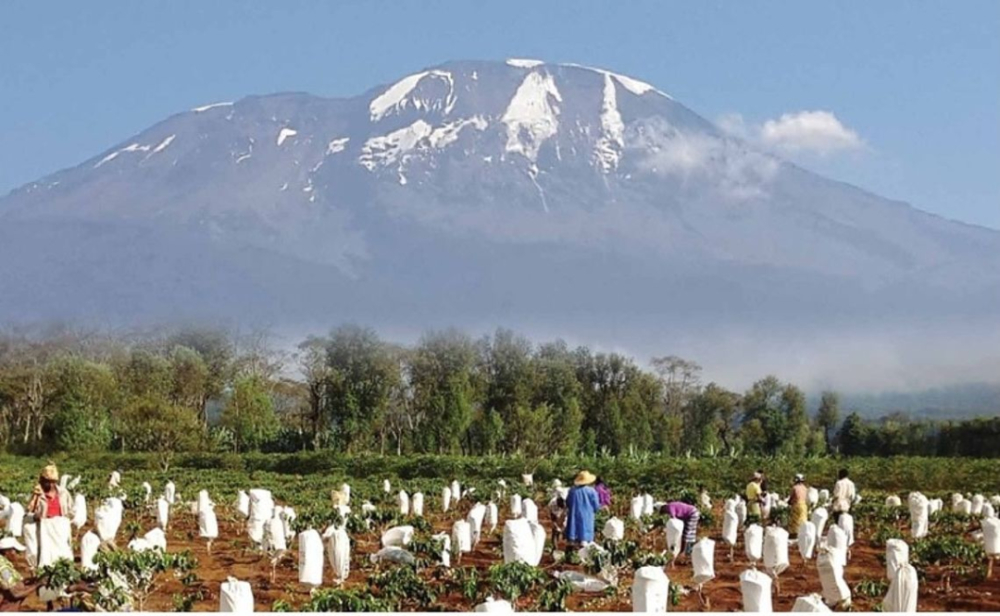
FrontStreet Coffee also offers a Tanzanian coffee, selected from the Mount Kilimanjaro region in the northern highlands and washed processed. Brewed on a V60 at a 1:15 ratio, it shows citrus and berry flavors, honey-like sweetness, and a smooth, tea-like mouthfeel.
FrontStreet Coffee Recommendation
If this article's Geisha storyline has you curious, FrontStreet Coffee's Boquete Geisha from Panama is the ideal entry point: at an accessible price, it delivers the classic Panamanian "orange-blossom honey" character — oolong-like tea texture, delicate fruit sweetness, and clearly defined layers.
For the full Geisha experience, FrontStreet Coffee's Esmeralda Red Label (grown at 1,600–1,800 meters, cupping above 90 points from single plots like Harrimio) is the pinnacle, while the Green Label "Private Collection" blends batches from multiple high-altitude plots for the estate's signature profile at a friendlier price. And from Geisha's birthplace, FrontStreet Coffee's Granana Estate Geisha from Yirgacheffe — natural processed on raised beds for 14–20 days — offers bright citrus acidity, elegant ginger-flower aroma, and the variety's unmistakable refined finish at a medium-light roast.
Important Notice :
FrontStreet Coffee is a long-established specialty coffee roaster in Guangzhou China, selling freshly roasted beans from its own farm in Yunnan as well as dozens of carefully selected single-origin beans from around the world for both pour-over and espresso. The products deliver consistently excellent quality and great value, with shipping within 24 hours. Guangzhou's FrontStreet Coffee shop is recommended by many coffee lovers, and the beans are now available online at the Tmall 。
FrontStreet Coffee has moved to a new address:
FrontStreet Coffee Address: 315,Donghua East Road,GuangZhou
Tel:020 38364473
 Scan and follow the En Gafei WeChat official account. Please indicate that the reprint comes from "En Gafei".

