
Surprising! Even Pour-Over Coffee Can Experience Channeling Effects!
Surprising! Even Pour-Over Coffee Can Experience Channeling

"Channeling" describes what happens when water, driven by its own momentum, finds a shortcut through the coffee bed during extraction. The water that takes that shortcut contributes nothing to proper extraction, and the result is an unevenly extracted cup. When FrontStreet Coffee talks about channeling, it is usually in the context of espresso — but pour-over brewing can channel too.
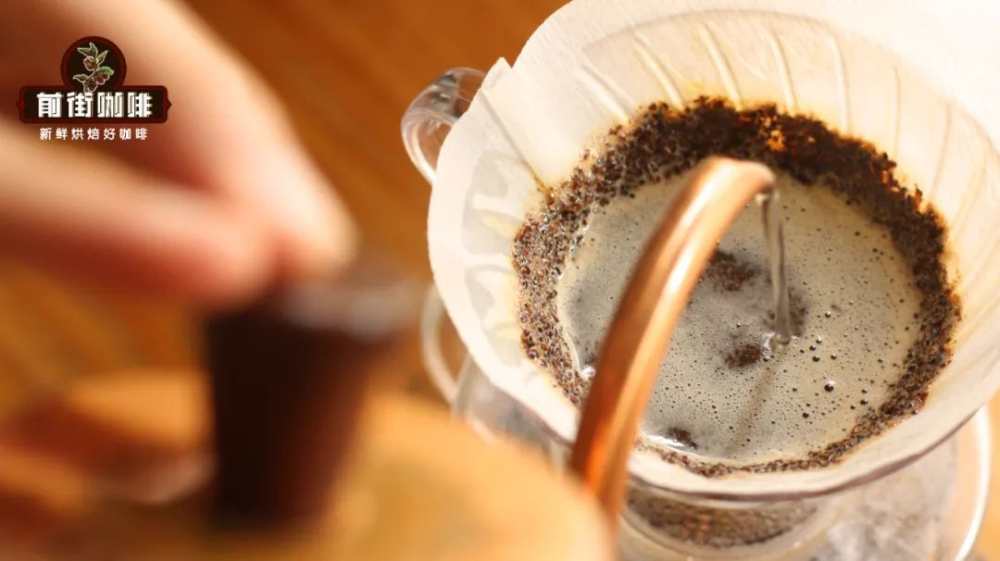
Channeling is discussed far more often in espresso because its effect on flavor is much larger there. In pour-over the damage is subtler. And because the pour-over process is visible from start to finish, we can sometimes correct it while brewing.
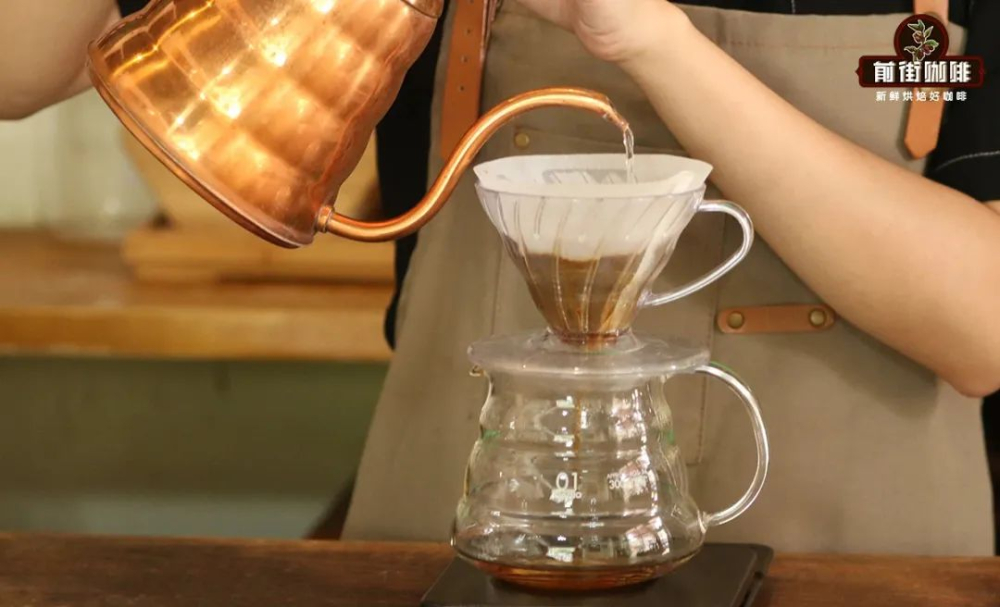
Why Pour-Over Brewing Channels
Drippers such as the V60 and the Origami, which rely on ribs to hold the filter paper away from the wall and create flow channels, are more prone to channeling. These ribs are intentional: they prevent the prolonged soaking that causes over-extraction by letting water pass through more quickly.
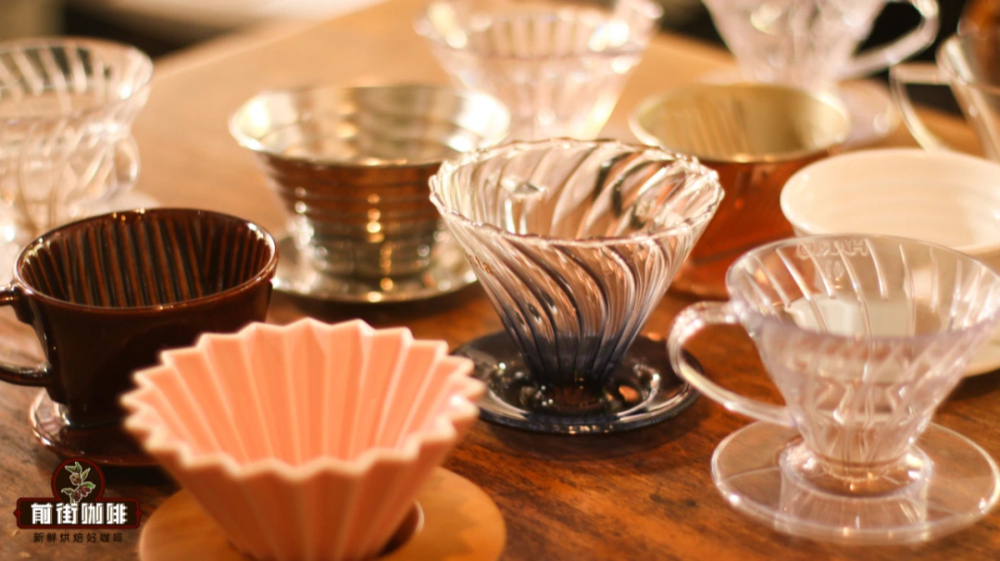
So when you pour, not all of the hot water travels down through the coffee bed. Some of it runs out through the gaps between the ribs, speeding up the drain considerably. Normally the coffee bed's outer wall is packed with grounds from the force of the pour, so water passing through those gaps first carries away the soluble material held in that wall of coffee.
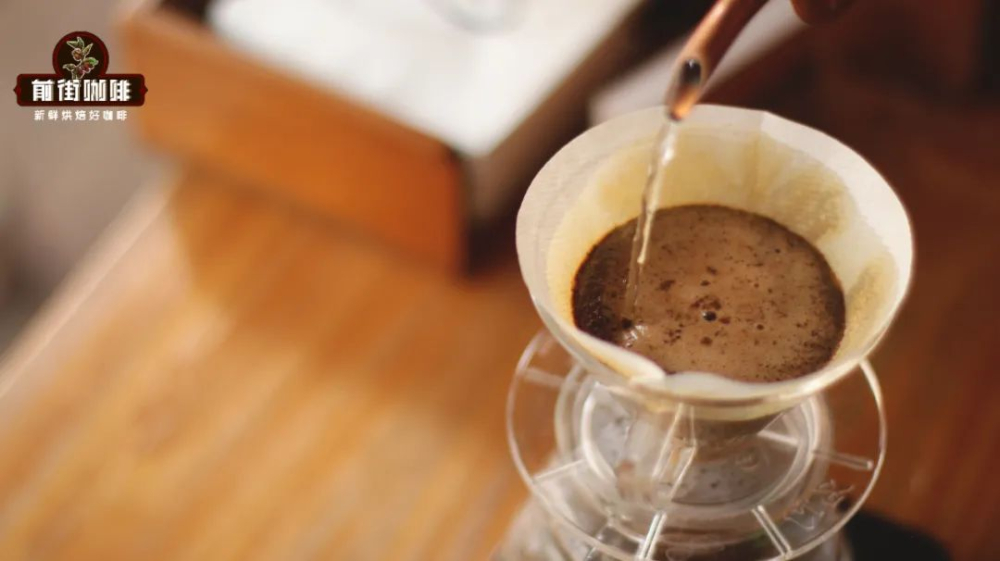
How Channeling Affects Extraction
If the water you pour never touches the coffee wall, that portion simply seeps out through the gaps without extracting anything and drips straight into the server, hurting the cup. That is channeling. A milder version happens when you pour too much water and flood the bed: because the amount of coffee is limited and never fully covers the filter paper, water that rises above the coffee wall escapes through the top gaps without taking part in extraction.
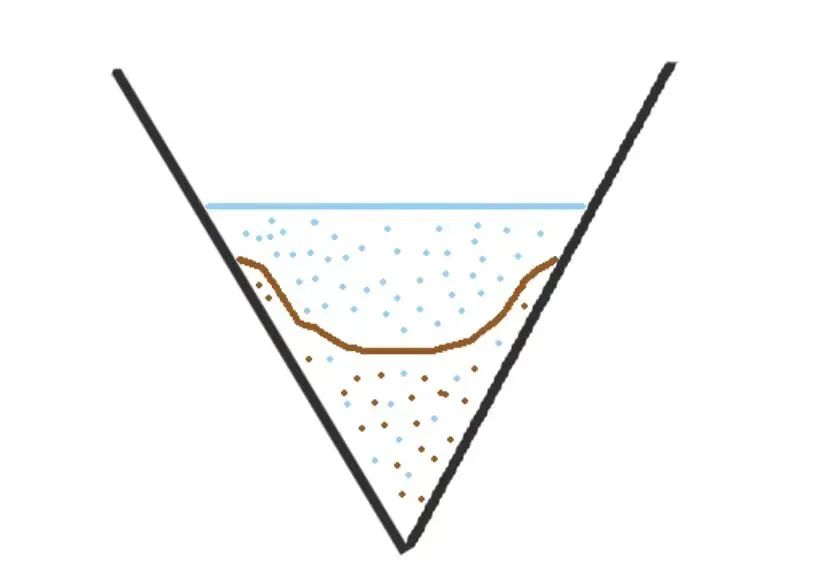
As noted, this is the low-impact case. Only a thin layer of water at the top is affected, while the rest of the bed still extracts well. With multi-stage brewing you can simply adjust the later pours to avoid some of the negative notes. Then there are cases that cannot be fixed: if you finish brewing and find a large gap in part of the coffee wall, with the filter paper visible through it, the extraction channeled because of poor technique — continuous wide circular pours, or pouring at a fixed point in the corner. Because you only see this after extraction ends, there is almost nothing to be done.
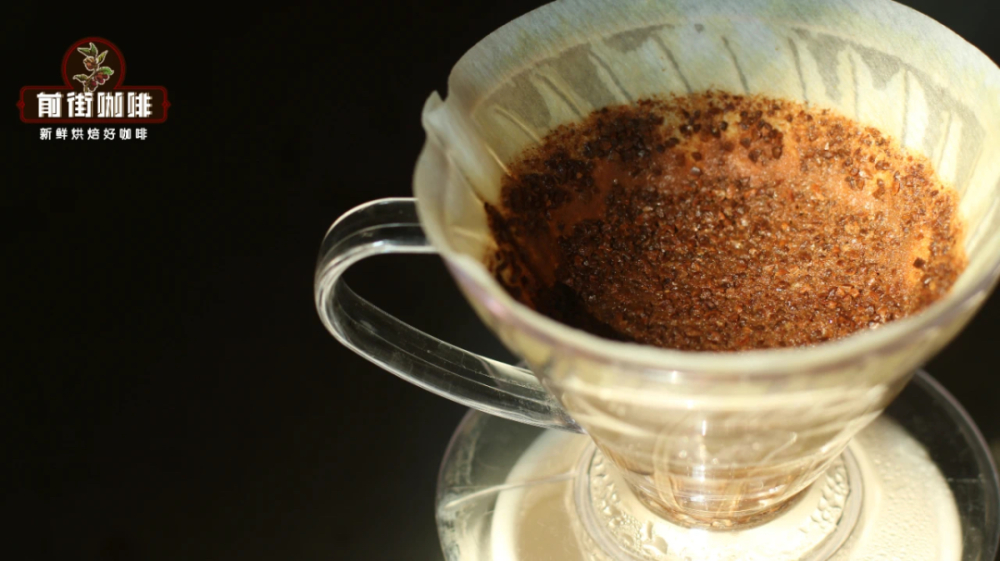
Severe Channeling and Its Consequences
The channels above are still mild. In severe cases you can see abrupt fault lines in the coffee wall.
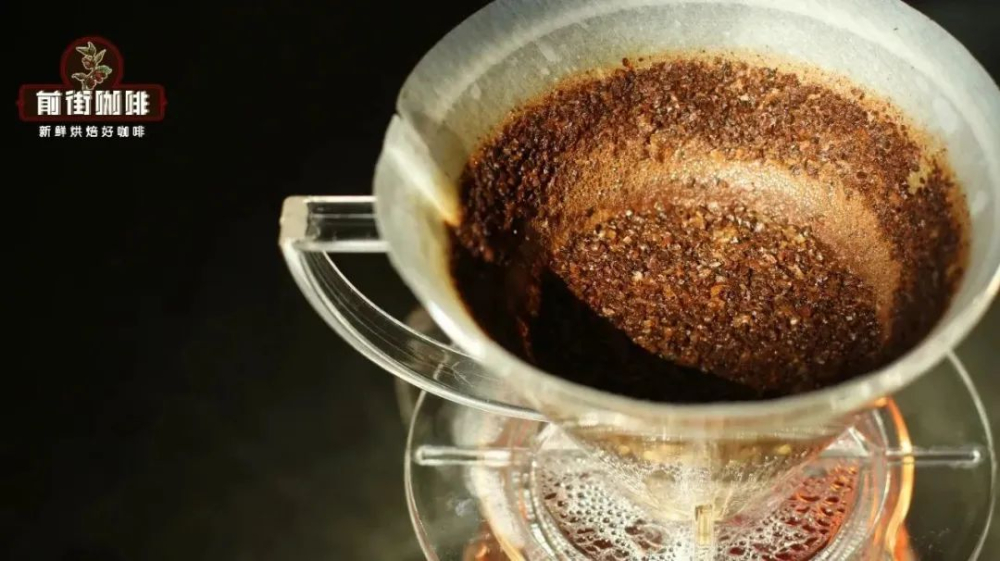
This happens when the stream hits with too much force and collapses the coffee wall. It is the more serious case, because large amounts of unextracted water drip straight into the server, and its only contribution is to batter the final flavor. Thin, astringent, and muddy are the most common signs of a cup with a wall like this.

Preventing Channeling
Not every coffee wall that takes a hard hit will show fault lines. At the start of a brew, for example, a wall may be struck with force and crack, but as the water level rises during later pours, the grounds at the top settle back over the break and hide it, creating the illusion of a clean extraction. So when you do spot channeling during brewing, correct your method next time: cut back on wide circular pours that hit the rim, and lower the pour height to soften the impact. Both are effective ways to reduce channeling.
FrontStreet Coffee Recommendation
Channeling shows up most clearly in light-roast, floral-fruity coffees, because a thin, uneven extraction strips away exactly the delicate aromatics they are prized for. For V60 brewing, FrontStreet Coffee suggests starting with FrontStreet Yirgacheffe Gedingding, the washed Ethiopian coffee many drinkers choose as their first specialty bean, known for bright citrus, berry, and floral notes with a green-tea finish, or FrontStreet Ethiopia Huakui, whose tropical fruit character — strawberry, passion fruit, jackfruit, even lychee — is unusually pronounced.
For something more structured, FrontStreet Kenya Cherry Tomato comes from Kenya's Thika region at 1,550-1,750 meters, planted with the classic SL28 and SL34 varieties and given a 72-hour double washed fermentation. Light roasted, it shows concentrated cherry-tomato and dark plum acidity over a juicy body, with pear and black plum mid-palate, and a clean finish of yellow-sugar sweetness and light green tea.
Prefer a heavier cup? FrontStreet PWN Golden Mandheling is deep roasted, low in acidity, and full-bodied, with herbal and dark chocolate aromas and a faint earthy note — a good fit for anyone who dislikes bright acidity. FrontStreet Brazil Queen Estate takes a gentler path: low acidity, balanced, with nuts, cocoa, and clear caramel sweetness.
For a raisin-sweet alternative in the same V60-friendly family, try FrontStreet Mozart, whose raisin character rounds out the floral-fruit profile. Along with FrontStreet Strawberry Candy, prized for its Geisha-style florals, these coffees are exactly the kind of floral-fruity beans that shine in a V60 — provided your pour keeps the water flowing evenly through the bed.
Important Notice :
FrontStreet Coffee is a long-established specialty coffee roaster in Guangzhou China, selling freshly roasted beans from its own farm in Yunnan as well as dozens of carefully selected single-origin beans from around the world for both pour-over and espresso. The products deliver consistently excellent quality and great value, with shipping within 24 hours. Guangzhou's FrontStreet Coffee shop is recommended by many coffee lovers, and the beans are now available online at the Tmall 。
FrontStreet Coffee has moved to a new address:
FrontStreet Coffee Address: 315,Donghua East Road,GuangZhou
Tel:020 38364473
 Scan and follow the En Gafei WeChat official account. Please indicate that the reprint comes from "En Gafei".

