
Why is SOE Always More Expensive than Blended Coffee?
Why Is SOE Always More Expensive Than Blended Coffee?

Many coffee shops now offer a personalized SOE (Single Origin Espresso) as a way to stand out. Almost every time you switch your coffee from a blend to an SOE, a few extra yuan show up on the bill. Why?
What SOE Means
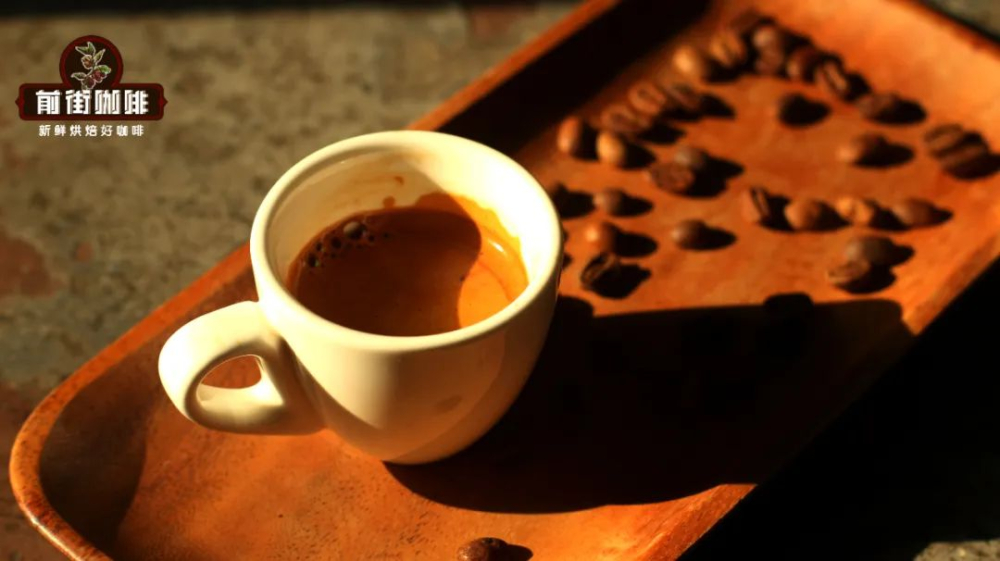
SOE stands for Single Origin Espresso: espresso pulled from a single-origin coffee rather than a blend. The term exists precisely to distinguish it from the traditional Italian house blend.
When Italian-style coffee first spread around the world, every shop used single-origin beans — Mocha coffee, Brazilian coffee, and so on. Because that was simply standard practice, no one bothered to label or explain it. As demand for coffee grew, beans from different regions began to show inconsistent quality, and production, quality, and flavor became less dependable. To control that risk, merchants started blending beans from different origins so they could compensate for one another.
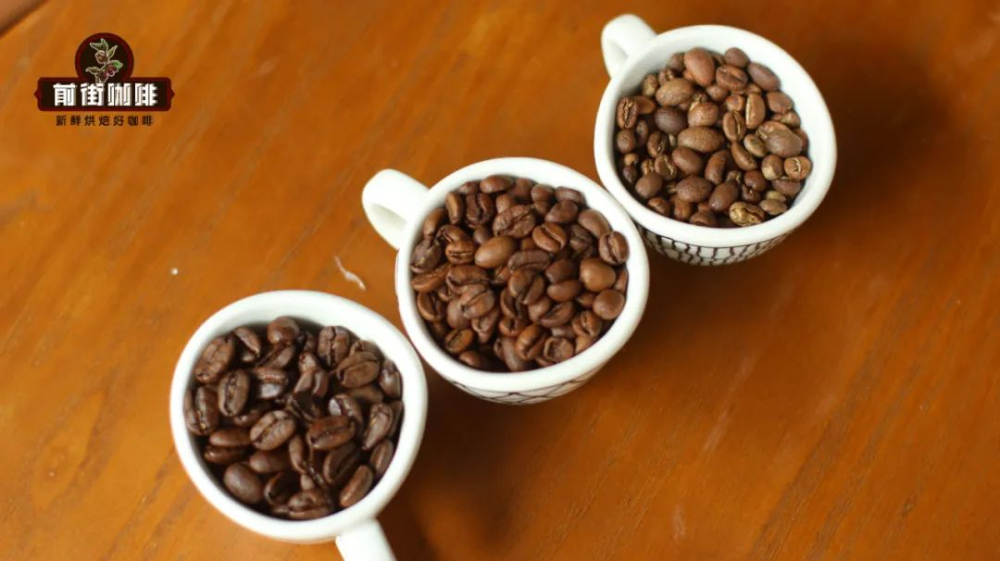
Producers also leaned on dark roasting to erase harsh textures and acidity. Dark roasting could mask defects, stabilize flavor, and pull out rich coffee oils. If a batch from one origin turned out weaker, or a growing region had a crop failure the following year, the blend recipe could simply be adjusted to rescue the product.
Before the specialty coffee wave arrived, then, espresso was typically built from beans of two or more origins, with little attention paid to origin or batch. Flavor was largely fixed by the charcoal-dark roast: caramel, dark chocolate, nuts, cream, and cocoa.
How SOE Rose
By the 1980s, the industry had used a range of scientific methods to improve bean quality across many regions, and the idea of "specialty coffee" took hold. Roasters also recognized that each origin had its own character, so they deliberately roasted certain beans lighter to bring out regional character and to unlock more floral and fruity flavors.
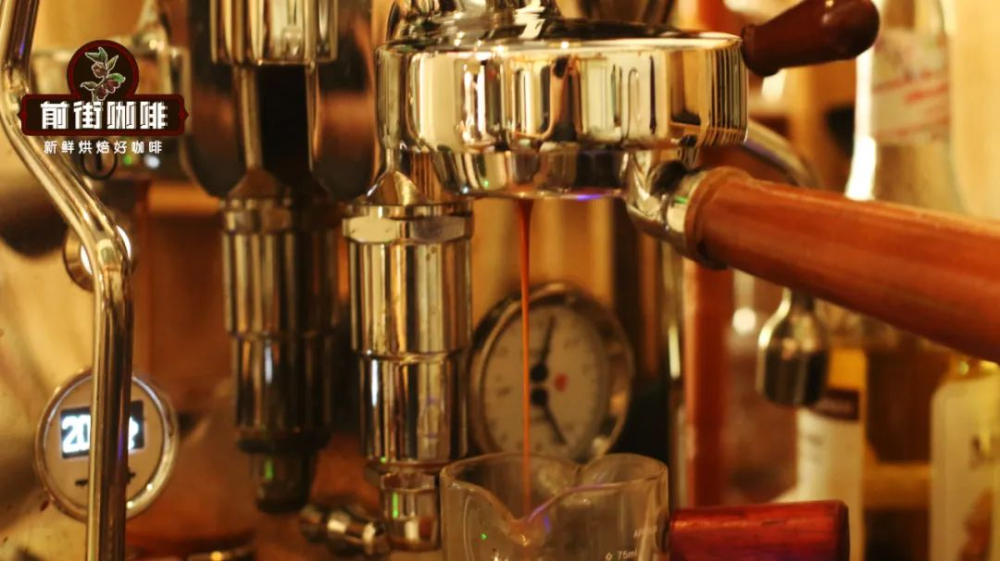
At first, single-origin beans were used only for drip and immersion brewing — pour-over, siphon, French press. That changed in 2007, when World Barista Championship competitor James Hoffmann used single-origin beans to make espresso, standing out from the field and winning the title that year. From then on, SOE spread alongside the specialty coffee wave.
What SOE Tastes Like, and Why It Costs More
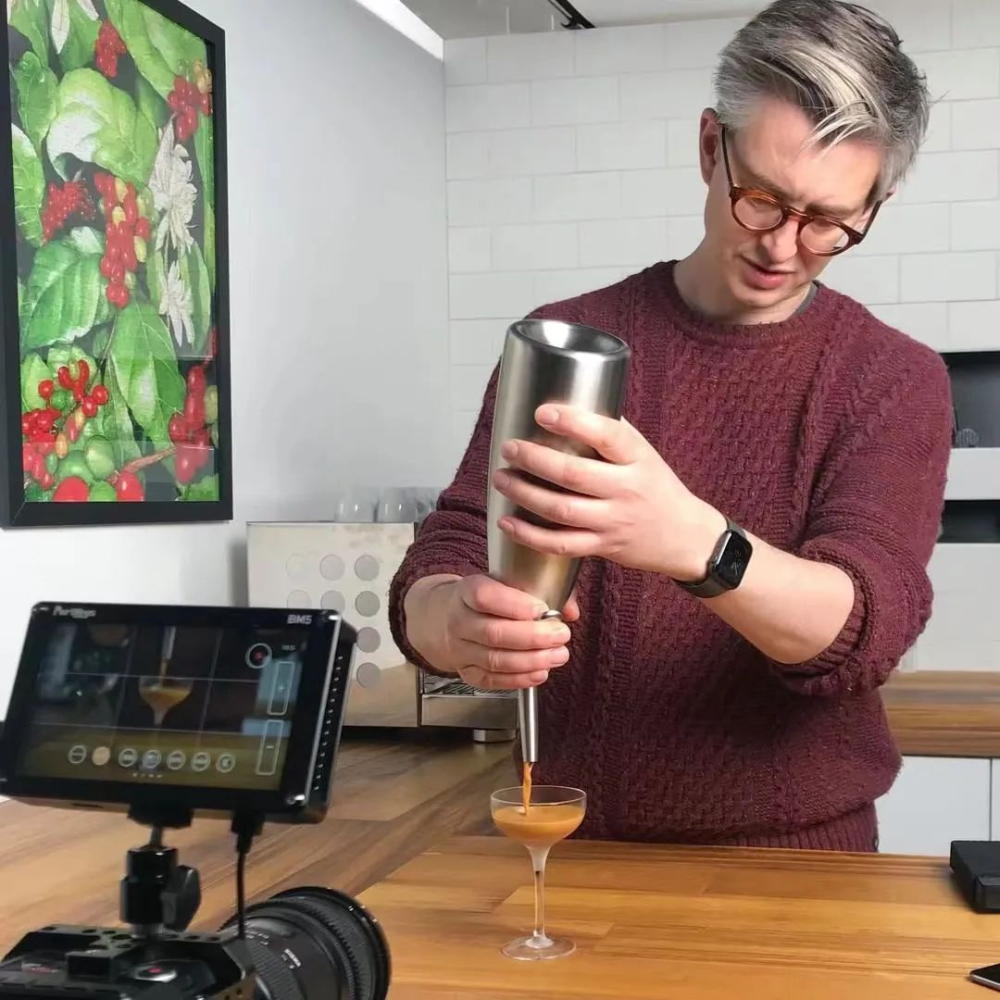
SOE, by definition devoted to a single origin, tends to use lighter-roasted, fruit-acidic beans, aiming for a bright, aromatic profile quite unlike traditional bitter coffee. Think of the citrus and lemon notes of Ethiopian beans, the raisin-honey impression of Costa Rican beans, or the tomato-berry character of Kenyan beans. That higher recognizability makes SOE easy for consumers to remember — but from a cost standpoint, higher-quality single-origin beans naturally cost more, which is what makes the surcharge reasonable.
FrontStreet Coffee believes the original purpose of SOE is to highlight a bean's inherent strengths and to showcase the "personalization" of espresso. Next to a blend, there is no better or worse: what matters is whether you want a rich, balanced, affordable cocoa-flavored coffee, or a floral-fruity coffee that demands more finesse.
Why So Many SOEs Disappoint
SOE is now firmly mainstream. Many shops follow the trend and bring single-origin beans with detailed traceability into the espresso lineup, hoping for a striking flavor. Yet some of these espressos fall flat: they carry the SOE label without ever expressing the coffee's distinctive character.
As noted above, SOE sells on the recognizability of its flavor. Whether a cup delivers therefore depends not only on high-quality beans but also, to a great extent, on the "interpretation" skills of both the roaster and the barista.
The Technical Difficulty
Roast an SOE too dark and the espresso turns bitter while the aromatics never surface. Roast it too light and two problems appear: the body-structuring compounds are hard to develop, and extraction becomes far more demanding. Let grind, temperature, or ratio slip even slightly and the shot turns sour or thin, and once it becomes an Americano or a latte it no longer tastes like coffee at all.
So if roasting and extraction are not handled well, choosing the finest and most expensive beans — and shouting about how "singular" they are — amounts to very little.
FrontStreet Coffee Recommendation
If you want to compare an SOE against a blend, FrontStreet Coffee has both sides of the argument on the shelf. For a Brazilian single origin pulled as espresso, FrontStreet Brazil Cerrado Red Bourbon is a classic: pulped natural, medium roasted, with creamy peanut, toast, caramel, and hazelnut aromas, a round body, little acidity, and a light bitter note. It also handles moka pot, siphon, and French press with ease.
For a rarer expression of the same origin, FrontStreet Queen Estate is grown in Mogiana, Brazil, near South Minas, on fertile red volcanic soil. As a Yellow Bourbon — a red Bourbon mutation with a cleaner fruit profile — it delivers the sugarcane sweetness rare in Brazilian coffee, alongside fruit and chocolate notes.
On the blend side, Brazil is the backbone of FrontStreet Coffee's espresso recipes. FrontStreet Classic Blend, FrontStreet Premium Blend, and FrontStreet Black Cocoa Blend all rely on Brazilian beans to supply chocolate and cream aromas, a soft sweet-sour-bitter balance, and the extraction stability that a house blend is meant to guarantee.
Important Notice :
FrontStreet Coffee is a long-established specialty coffee roaster in Guangzhou China, selling freshly roasted beans from its own farm in Yunnan as well as dozens of carefully selected single-origin beans from around the world for both pour-over and espresso. The products deliver consistently excellent quality and great value, with shipping within 24 hours. Guangzhou's FrontStreet Coffee shop is recommended by many coffee lovers, and the beans are now available online at the Tmall 。
FrontStreet Coffee has moved to a new address:
FrontStreet Coffee Address: 315,Donghua East Road,GuangZhou
Tel:020 38364473
 Scan and follow the En Gafei WeChat official account. Please indicate that the reprint comes from "En Gafei".

