Introduction to Indonesian Coffee Regions, Sumatra Varieties, Mandheling Coffee, and Wet Hulling Method
Indonesia is a Southeast Asian country bordering Papua New Guinea, East Timor, and Malaysia. Made up of 17,508 islands, it is the world's largest archipelagic nation, spanning both Asia and Oceania, and a land of countless volcanoes.
Rich in natural resources and stretched between the Pacific and Indian Oceans, Indonesia straddles the equator—conditions exceptionally favorable for growing coffee. Coffee is cultivated on several islands, including Sulawesi, Java, Bali, and Sumatra. Among them, Sumatra is famous above all for its Mandheling coffee.
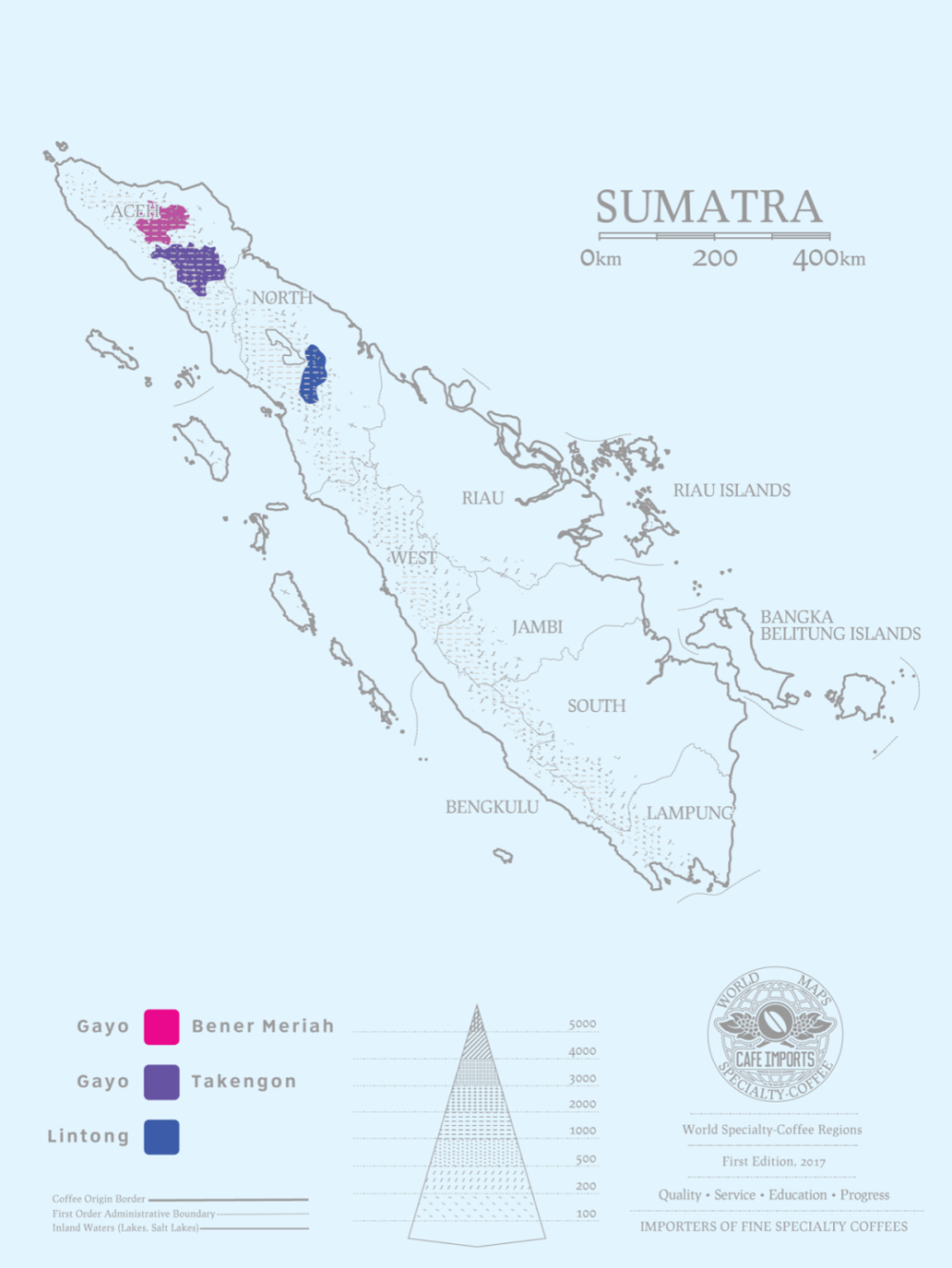
Sumatra has three main coffee-producing regions: Aceh province in the north, the Lake Toba region just south of it, and the Mangkuraja region in the south. Coffee here grows at altitudes of 1,100-1,600 meters, with harvests running from September to December each year.
Lintong Mandheling
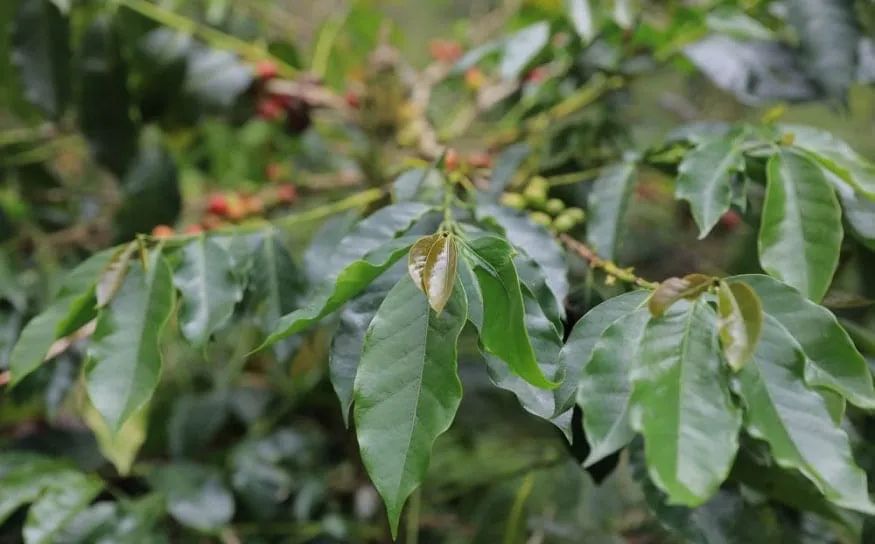
For years, coffee from the island was simply sold as "Sumatera Mandheling." Yet Mandheling is neither a variety nor a place name—it's the name of an ethnic group. During World War II, a Japanese officer tasted wonderful coffee at an Indonesian café and asked the owner for its name. The owner thought he was asking where it was from and answered "Mandheling." The officer later brought the coffee back to Japan, and the name stuck. Today, FrontStreet Coffee's entry-level Mandheling comes from the Lintong region of Sumatra. Wet-hulled and brewed on a V60 at 1:15, it shows dark chocolate, herbal notes, and caramel with a sweet finish.
PWM Gold Mandheling
PWM is the abbreviation of Pwani Coffee Company, a famous Indonesian green coffee supplier. The term "Gold Mandheling" was trademarked early by PWM, so only Mandheling produced by this company is genuine Gold Mandheling. FrontStreet Coffee's PWM Gold Mandheling comes from the Gayo Mountains in North Sumatra's Aceh region. Also wet-hulled, and brewed on a V60 at 1:15, it reveals toasted bread, pine, cocoa, and subtle herbal notes with a clean, balanced mouthfeel and caramel sweetness in the finish.
The Ateng Coffee Variety
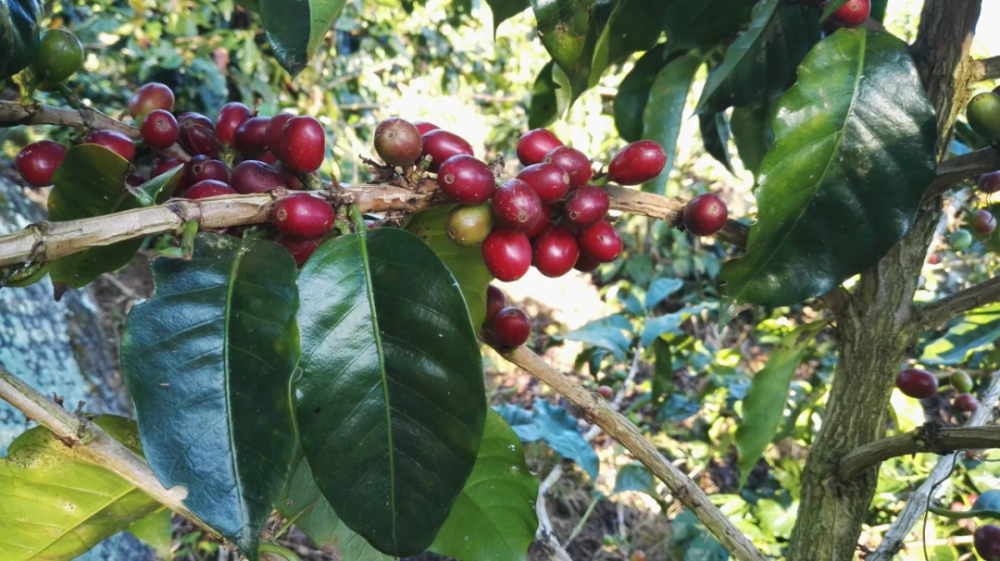
Both of these beans are of the Ateng variety. Many assume that's something new, but it's simply the local Indonesian name for Catimor. Likewise, Indonesia's TimTim is just the local name for the Timor Hybrid.
Wet-Hulling Method
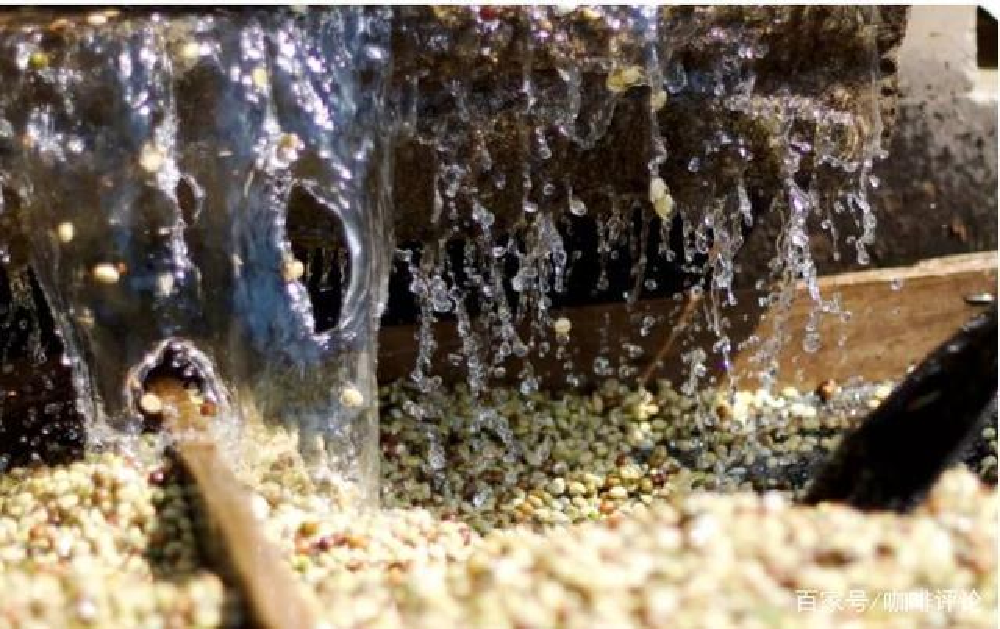
The wet-hulling method—known locally as Giling Basah—is a traditional Indonesian processing style. The local weather is rainy, typhoon-prone, and persistently humid, which makes natural drying impossible. So farmers developed wet hulling: the coffee is fermented as in washed processing, partially dried, then hulled mechanically to remove the parchment before final drying, after which the beans go into storage.
Although the name sounds similar to wet processing (washed coffee), the flavor is quite different. Wet-hulled coffee typically shows a thick, intense character with a particularly distinctive personality.
FrontStreet Coffee Recommendation
To taste wet hulling at its best, go straight to FrontStreet Coffee's PWN Gold Mandheling—the top tier of the category. PWN sets brutal standards: beans of 18 screen size or larger, fewer than 3 defective beans per 300g of green coffee to meet the highest G1 grade, plus three rounds of hand sorting. The result is a remarkably clean, sweet cup with rich roasted aroma and full, mellow body—perfect for anyone who dislikes acidic coffee. Brew it with 15g of coffee at 1:15, 87-88°C water, a coarse-sugar grind, and three pours to highlight its caramel sweetness and chocolate-nut depth.
If you'd like that body in your espresso, FrontStreet Coffee's Classic Blend adds medium-dark Mandheling to Brazil's creamy nut base—butter, roasted chestnut, and caramel, boosted with a touch of Robusta for crema, and equally at home in a latte or a Dirty.
Important Notice :
FrontStreet Coffee is a long-established specialty coffee roaster in Guangzhou China, selling freshly roasted beans from its own farm in Yunnan as well as dozens of carefully selected single-origin beans from around the world for both pour-over and espresso. The products deliver consistently excellent quality and great value, with shipping within 24 hours. Guangzhou's FrontStreet Coffee shop is recommended by many coffee lovers, and the beans are now available online at the Tmall 。
FrontStreet Coffee has moved to a new address:
FrontStreet Coffee Address: 315,Donghua East Road,GuangZhou
Tel:020 38364473
 Scan and follow the En Gafei WeChat official account. Please indicate that the reprint comes from "En Gafei".